Boiler Maintenance (Entretien Chaudière): Tenant Duty in Belgium
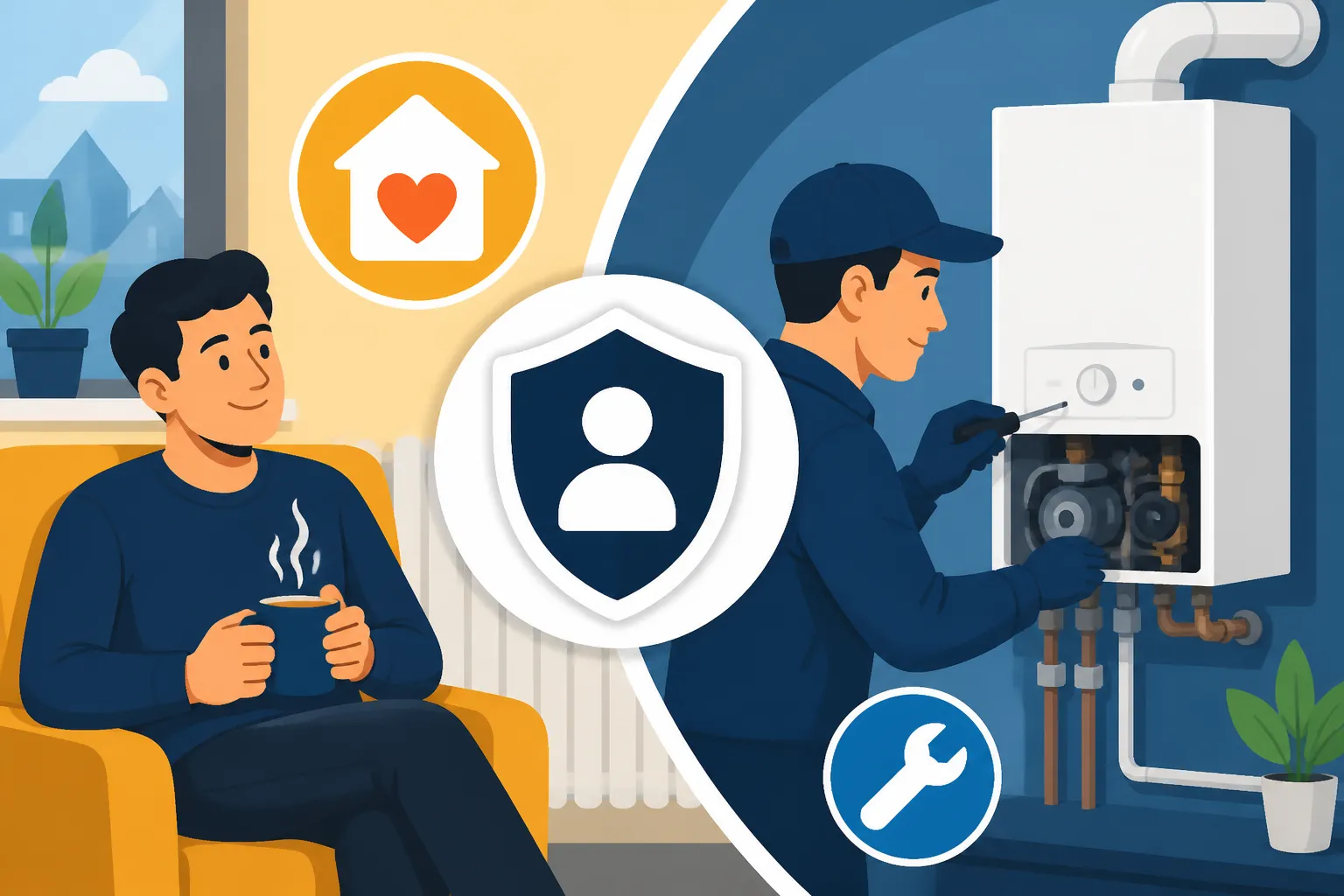
Imagine waking up in a freezing Brussels apartment in mid-January, only to realize your radiators are ice-cold and your landlord is blaming you for the breakdown. I’ve been there, shivering over a cup of coffee because I didn't realize that in Belgium, keeping the heat on isn't just about paying the gas bill. This guide explains your legal obligations regarding boiler maintenance so you can avoid massive repair bills and stay in your landlord's good graces.
The Legal Framework of Boiler Maintenance in Belgium
When you first sign a lease, usually a Renting in Belgium: Apartments, Contracts, and Tenant Rights (2027) agreement, the focus is often on the rent and the deposit. However, the Belgian Civil Code and regional housing decrees are very specific about "minor repairs" and "maintenance." Boiler maintenance falls squarely into the category of tenant obligations. This isn't just a suggestion from the landlord; it is a legal requirement designed to ensure the safety of the building and the efficiency of the heating system. If a fire or a carbon monoxide leak occurs and you cannot prove the boiler was maintained, you could be held personally liable for the damages.
The law distinguishes between "maintenance" and "repair." As a tenant, you are responsible for the periodic cleaning and technical check-up of the system. This is what we call the Entretien Chaudière or Periodieke Keuring. If the technician discovers that a part has simply worn out due to old age, the cost of that specific part and the labor to replace it usually falls on the landlord. However, if that part broke because you failed to have the unit cleaned for three years, the landlord has a very strong case to make you pay for the whole thing.
Navigating these rules can be overwhelming when you first arrive. I remember trying to figure this out while still using an Airalo eSIM to find a local technician because my home phone plan wouldn't connect. It's one of those administrative hurdles that makes the first year in Belgium feel like a marathon. Understanding whether you have a Short-Term Leases (Under 3 Years) and The November 2024 Rule Updates or a standard long-term contract is vital, as the maintenance history must be clear regardless of the duration of your stay.
Regional Differences in Maintenance Frequency
Belgium is famously divided into three regions—Brussels, Flanders, and Wallonia—and each has its own set of rules for how often you need to call a technician. If you are living in a hip studio you found through HousingAnywhere in Antwerp, your rules will differ slightly from a family home in Waterloo. Generally, if your boiler runs on oil (mazout) or solid fuel (like wood or pellets), you must have it serviced every single year, regardless of where you live. This is because these fuels are "dirtier" and lead to faster soot buildup.
For gas boilers, which are the most common in urban apartments, the rules have become more harmonized but still require attention. In Flanders and Brussels, the standard is now a mandatory check every two years. In Wallonia, it used to be every three years for certain small units, but the trend is moving toward the two-year mark to ensure safety. You should always check your specific lease, as some landlords insert a clause requiring an annual check regardless of the regional minimum. If you ignore this, you might find yourself in a dispute during the Inventory of Fixtures (État des Lieux): Why It's Crucial Before Moving In.
I learned the hard way that "two years" doesn't mean "whenever I remember." The countdown starts from the date of the last certificate. If the previous tenant had it done in May 2024, you need to have your certificate in hand by May 2026. If you wait until June, you are technically in breach of your contract. This becomes a major sticking point if the landlord decides to implement an Indexation of Rent: How Landlords Legally Increase Rent Annually and looks for reasons to be less than flexible with you.
Who Pays for the Maintenance Visit
One of the most common questions in expat forums is: "Do I really have to pay for this?" The answer is a resounding yes. The periodic maintenance is considered a "user cost," much like replacing a lightbulb or cleaning the windows. While the landlord owns the machine, you are the one benefiting from the heat and hot water. Therefore, the invoice for the technician's visit is your responsibility. This cost usually ranges between €150 and €250, depending on the complexity of the unit and whether it’s a gas or oil system.
Sometimes, landlords include a small monthly fee in your Common Charges (Charges Communes): What Exactly Are You Paying For to cover a collective maintenance contract for the whole building. This is actually a great deal for tenants because it takes the scheduling off your plate. However, don't assume this is the case. If your charges only mention "water and heating," it usually refers to the consumption of fuel, not the service of the machine. Always verify this in your contract or with your building's syndic.
If the technician identifies a major fault—say, the heat exchanger is cracked or the electronic motherboard has fried—this is where the landlord steps back in. Repairs due to "wear and tear" or "force majeure" are the landlord's financial burden. However, to get the landlord to pay, you must show them your valid maintenance certificates. If you haven't serviced the boiler in four years, the landlord can argue that your negligence caused the expensive part to fail, and you might find yourself losing your deposit held in The e-DEPO System: How to Deposit Your Rent Guarantee for Free to cover the repairs.
Understanding the Maintenance Process
The actual maintenance visit isn't just a guy with a vacuum cleaner. It is a technical inspection that must be performed by a "certified technician." In Belgium, these professionals are accredited by the regional environment agencies (Bruxelles Environnement, LNE in Flanders, or AWAC in Wallonia). You cannot just have your handy cousin look at it. The technician must have a specific license number that they include on the final attestation.
During the visit, the technician will clean the burner, check the chimney sweep (ramonage) if applicable, and measure the combustion levels. They are looking for the presence of carbon monoxide and ensuring the EPC Ratings (PEB): Why Energy Certificates Matter for Winter Heating remains accurate. A well-maintained boiler uses less gas, which saves you money on those soaring energy bills. I usually suggest keeping a CO detector in the utility room just for peace of mind; you can pick one up easily on Amazon Belgium and it’s a small price to pay for safety.
Once the work is done, you will receive a document called the "Attestation de contrôle périodique" or "Reinigings- en verbrandingsattest." This piece of paper is gold. You are legally required to keep the last two certificates. When you eventually move out, the landlord will ask for these. If you can't produce them, the landlord is legally entitled to hire a technician themselves and deduct the cost from your rental guarantee, often adding an administrative fee for their trouble.
Finding a Certified Technician
Finding a reliable technician can be a challenge, especially during the "heating season" from October to December when everyone suddenly realizes their boiler is making a weird clicking sound. My advice is to book your maintenance in the late spring or summer. Technicians are much easier to find, and they often offer "off-season" discounts. If you wait until the first frost, you might be waiting weeks for an appointment.
You can find technicians through several routes. Many expats use platforms like Soumission.be or simply search for "chauffagiste" in their local commune. If you are struggling with the language barrier, there are services in Brussels that cater specifically to English speakers. Also, check with your energy provider (like Engie or Luminus). They often offer "maintenance packs" where you pay a small monthly fee, and they automatically send a technician every two years. This is part of the broader process of Setting Up Electricity and Gas: Engie, Luminus, and Peak Tariffs that every new resident has to navigate.
Don't be afraid to ask for their accreditation number over the phone. A legitimate company will have no problem providing it. In Flanders, they must be a "erkend technicus vloeibare brandstof" (for oil) or "gasvormige brandstof" (for gas). In Brussels and Wallonia, they are "techniciens agréés." Using an uncertified person is the same as not doing the maintenance at all in the eyes of Belgian law and insurance companies.
What Happens During the Inspection
A standard gas boiler inspection usually takes between 45 and 90 minutes. The technician will first shut down the system and let it cool. They will then open the combustion chamber to vacuum out dust and debris that can block the burner. They also check the expansion vessel to ensure the water pressure in your pipes is correct. If your radiators have been making a "gurgling" sound, this is the perfect time to ask them to "bleed" (purger) the air out of the system.
The most critical part of the visit is the combustion test. The technician inserts a probe into the flue to measure the levels of CO, CO2, and the temperature of the exhaust gases. If the CO levels are too high, the technician is legally obligated to "red tag" the boiler. This means they will shut it down and forbid you from using it until it is repaired, as it poses an immediate death risk. It's a scary thought, but it's exactly why these laws exist.
After the technical check, the technician should also check the ventilation of the room where the boiler is located. Many old Belgian houses have boilers in small cupboards or bathrooms where air circulation is poor. They will ensure that the air intake isn't blocked. If everything passes, they will sign the attestation, and you should immediately scan a copy and save it to the cloud. Paper has a way of disappearing in Belgium, especially during a move.
| Requirement | Gas Boilers | Oil/Solid Fuel Boilers |
|---|---|---|
| Frequency (Flanders) | Every 2 years | Every year |
| Frequency (Brussels) | Every 2 years | Every year |
| Frequency (Wallonia) | Every 2-3 years | Every year |
| Responsible Party | Tenant | Tenant |
| Certification Needed | Regional Accredited Tech | Regional Accredited Tech |
| Proof Required | Written Attestation | Written Attestation |
The Consequences of Neglecting Maintenance
If you think you can skip the maintenance and nobody will notice, you are taking a massive financial risk. The most immediate consequence is that your boiler will simply become less efficient. Dust buildup on the burner means the machine has to work harder to heat the water, which can increase your gas consumption by up to 10%. Over two years, that extra cost could have paid for the maintenance visit itself.
Beyond the monthly bills, there is the issue of the boiler’s lifespan. A neglected boiler is prone to "scaling" and pump failures. If the boiler dies completely because it wasn't maintained, a replacement can cost upwards of €4,000. Under Belgian law, if the landlord can prove the failure was due to a lack of maintenance, they can take the entire cost out of your pocket. This is why the Mandatory Home Insurance for Tenants in Brussels and Wallonia is so important, though even insurance might refuse to pay if you haven't followed the legal maintenance schedule.
Finally, there is the legal aspect of the "state of the property." In Belgium, a property must meet certain "habitability" standards. If you are a tenant and you aren't maintaining the heating, you are technically damaging the landlord's asset. This can lead to a formal "mise en demeure" (legal notice) from the landlord, which is the first step toward an eviction process or a legal dispute at the Justice de Paix (Small Claims Court).
Insurance and Liability Risks
This is the part that many expats overlook until it's too late. Your tenant insurance (assurance habitation) usually contains a clause stating that you must comply with all local laws and regulations. If your boiler causes a fire or water damage, the first thing the insurance adjuster will ask for is the last maintenance certificate. If you don't have it, they can legally deny your claim, leaving you to pay for the damage to the apartment and potentially the neighbors' units as well.
I’ve seen cases where a small pipe burst because the pressure wasn't checked during a service, causing thousands of euros in water damage to the floor below. Because the tenant hadn't done the maintenance, the insurance company walked away, and the tenant spent years paying off the debt. It's a sobering reminder that these "annoying" Belgian rules are often tied to significant financial protections.
If you are living in a shared house or "colocation," the responsibility is collective. Make sure one person is designated to handle the boiler and that the cost is split among all roommates. Don't wait for the landlord to remind you; they often won't. They will simply wait until you move out and then deduct the missing maintenance costs from your deposit.
Energy Efficiency and the EPC Rating
Belgium is very serious about its climate goals, and the EPC Ratings (PEB): Why Energy Certificates Matter for Winter Heating are becoming a central part of the rental market. A boiler that is poorly tuned will significantly lower the energy performance of a home. In some regions, landlords are even restricted from indexing the rent if the property has a poor EPC rating (usually F or G).
By maintaining the boiler, you are helping keep the property's energy score in check. Furthermore, the technician’s attestation often includes recommendations for improving efficiency, such as insulating pipes or installing a programmable thermostat. These small changes, which you can often do yourself with parts from Amazon Belgium, can save you a fortune over a long winter.
When you are looking for a new place on HousingAnywhere, always ask to see the EPC certificate and the date of the last boiler maintenance. If a landlord can't provide the date of the last service, it's a red flag that they aren't keeping up with their own responsibilities, which might mean more headaches for you down the line.
Practical Tips for Belgian Tenants
To stay organized, I recommend creating a "House Folder" (either physical or digital) the moment you move in. The first things to go in that folder should be your signed lease, your Understanding the 3-6-9 Lease Contract: The Standard 9-Year Lease explanation notes, and the initial inventory report. Every time you have a technician over, add the certificate to this folder.
When a technician finishes the work, don't just pay them and say goodbye. Look at the certificate before they leave. Does it have your correct address? Does it clearly state "PASSED" (conforme)? Does it have their official stamp and signature? If they tell you something needs to be repaired, ask them to write a separate "remark" on the document. This is your evidence to show the landlord that a repair (their cost) is needed, rather than just maintenance (your cost).
If you are moving into a place where the previous tenant didn't do the maintenance, don't inherit their problem. Demand that the landlord provides a "clean" certificate dated within the last 12 months before you take the keys. If they refuse, make sure it is noted in the Inventory of Fixtures (État des Lieux): Why It's Crucial Before Moving In so that you aren't charged for their negligence when you eventually move out.
Documentation and the Attestation
The attestation is a standardized document, but it can look intimidating if your French or Dutch isn't perfect. It will list the "rendement" (efficiency percentage), the "pertes" (heat loss), and the "indices de suie" (soot levels). As long as the box for "conforme" (Brussels/Wallonia) or "conform" (Flanders) is checked, you are in the clear.
If the unit is "non-conforme," you usually have a period of 3 to 5 months to fix the issues and have a follow-up visit. If the issue is something simple like a lack of ventilation, you can often fix it yourself. If it's a mechanical failure, you must notify your landlord immediately via email (and followed by a registered letter if they don't respond). In Belgium, a paper trail is your best defense.
Keep these documents for at least five years. Even after you have moved out and received your deposit back from The e-DEPO System: How to Deposit Your Rent Guarantee for Free, a landlord could technically come back to you if the tax authorities or a later insurance claim finds a gap in the maintenance history during your tenancy. It’s rare, but as a veteran expat, I always say: better safe than sorry.
Moving Out and the Inventory of Fixtures
The biggest "gotcha" for expats leaving Belgium is the final walkthrough. The expert hired to do the exit inventory will go through a checklist, and "Maintenance Certificate" is always near the top. If you cannot produce a certificate that is less than two years old (for gas) or one year old (for oil), the expert will automatically mark it as a "damage" or "missing service."
They will then look up the standard price for a service and deduct it from your deposit. Often, they will also add a €50 "hassle fee" for the landlord. If you had the maintenance done but just lost the paper, contact the technician who did the work; they are required to keep copies for several years and can usually email you a duplicate for a small fee or even for free.
If you are on a Short-Term Leases (Under 3 Years) and The November 2024 Rule Updates and stay for only 18 months, you still need to ensure the maintenance is handled if the two-year window falls during your stay. If the landlord did it just before you moved in, you might get away with not doing it, but always double-check the dates. Proactive communication with your landlord about the boiler is the best way to ensure you get every cent of your deposit back when you're ready for your next adventure.
Disclaimer
This guide is intended for informational purposes only and reflects the general rules for boiler maintenance in Belgium as of 2026. Rental laws and regional decrees are subject to change. This information does not constitute legal advice. Always consult your official lease agreement, local regional housing authorities, or a qualified legal professional regarding your specific situation and obligations.