Digital Nomad Visa Realities: Does Belgium Have One in 2026?
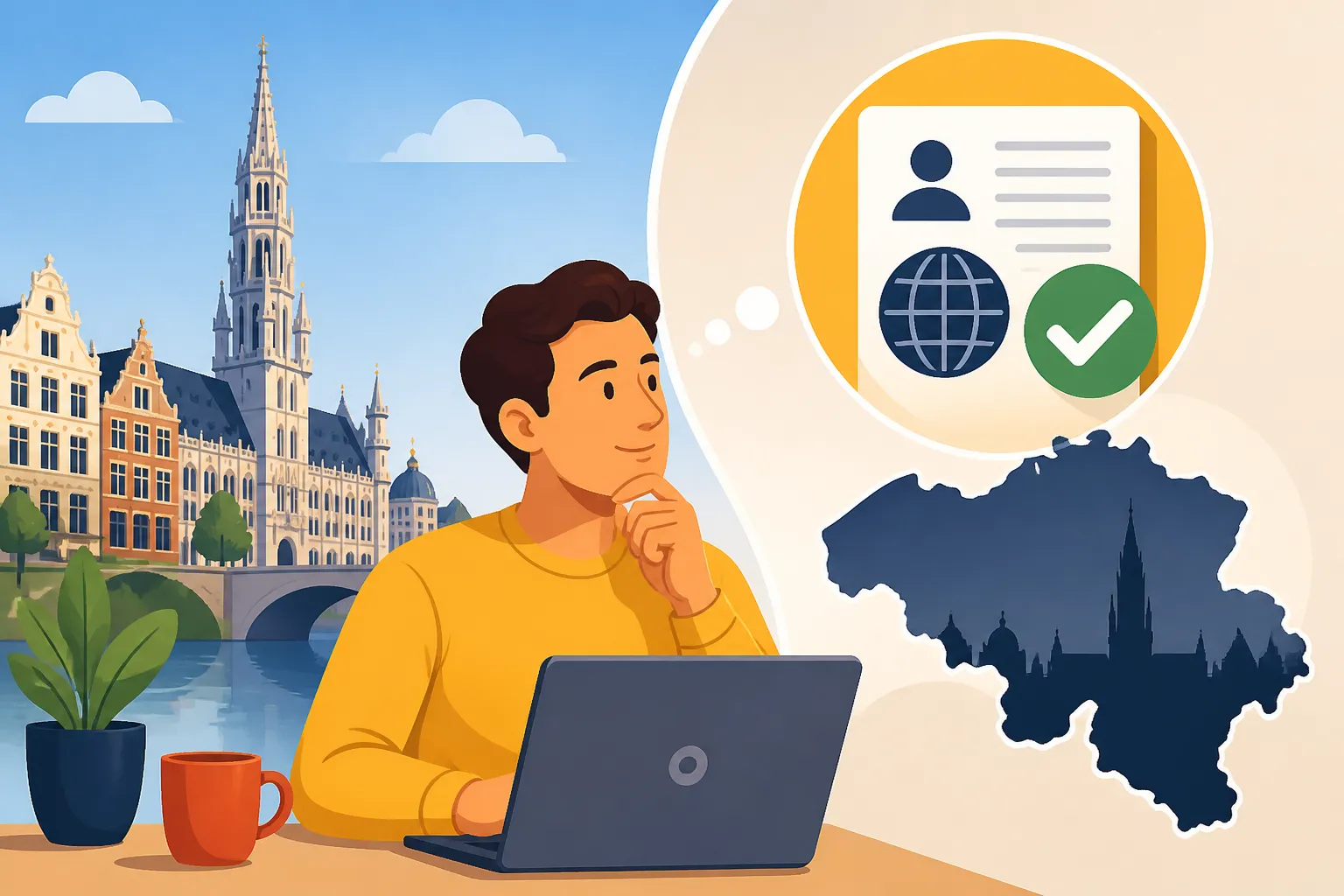
Ah, the siren song of setting up shop in a charming Belgian city, coffee in hand, tapping away on your laptop while exploring Europe on weekends. It's a dream many of us expats share, especially those who work remotely. But when it comes to the specific "Digital Nomad Visa" that so many countries are now touting, Belgium has a bit of a nuanced, and frankly, somewhat less straightforward, reality for 2026. This guide will cut through the confusion and lay out exactly what your options are if you're a remote worker hoping to make Belgium your home base.
The Global Rise of Digital Nomad Visas and Belgium's Current Stance
The world of work has fundamentally shifted, and with it, the aspirations of many to live and work from anywhere. This has led to an explosion of countries offering dedicated visas for digital nomads. However, Belgium, with its deep-rooted administrative traditions, has been a bit slower to jump on this particular bandwagon.
Understanding the Digital Nomad Visa Phenomenon
A digital nomad visa is typically a special permit issued by a country that allows foreign remote workers to legally reside there for an extended period, usually one to two years, with the explicit understanding that their income is earned from outside the host country. These visas often have lower barriers to entry than traditional work visas, requiring proof of sufficient income, a remote job or freelance contracts, and health insurance. The appeal is immense: it allows individuals to experience a new culture without being tied to a local employer, contributing to the local economy through their spending. It's a win-win for many nations looking to attract talent and tourism.
Many European countries, from Spain and Portugal to Croatia and Estonia, have recognized this trend and introduced bespoke visa programs, often with streamlined application processes. These programs are designed to attract individuals who are self-sufficient, culturally curious, and eager to integrate without taking local jobs. For many, it's the ideal way to "test the waters" before committing to a more permanent residency.
Belgium's Lack of a Dedicated Remote Work Visa
Here's the stark truth for 2026: Belgium does not currently offer a specific, dedicated "Digital Nomad Visa" in the way many other EU countries do. If you're envisioning a straightforward online application, a modest fee, and a quick approval based solely on your remote employment for a company outside Belgium, you'll need to adjust your expectations. Belgium's immigration system is, by and large, built around traditional employment (with a Belgian employer), self-employment (as an independent professional contributing to the Belgian economy locally), or family reunification.
This means that simply being employed by a foreign company and wishing to work from Belgium isn't a recognized standalone category for a long-term visa or residence permit for non-EU citizens. The Belgian government has yet to enact specific legislation to accommodate this particular demographic, often leaving remote workers to navigate more traditional and, frankly, more complex visa pathways. This can be a source of significant frustration for those accustomed to the more agile immigration policies found elsewhere.
The Professional Card: Belgium's Closest Alternative for Self-Employed Nomads
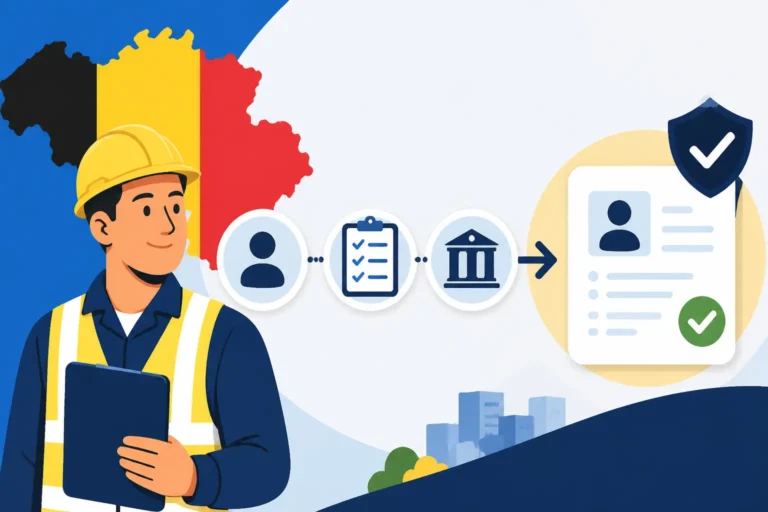
So, if there's no specific digital nomad visa, what's a remote worker to do? For many, the Professional Card (Carte Professionnelle in French, Beroepskaart in Dutch) is the closest, albeit more demanding, route. This visa is designed for self-employed individuals and entrepreneurs who wish to set up or manage a business activity in Belgium. While it's not a "digital nomad" visa by name, it’s the primary avenue for those who are truly independent and earning income from multiple, often international, sources.
Eligibility and Key Requirements
To be eligible for a Professional Card, you're not just proving you can work remotely; you're proving you bring economic value to Belgium. The regional authorities (Brussels, Flanders, or Wallonia, depending on where you intend to reside and base your activity) are the ones who assess your application. They want to see a solid business project that will benefit the region. This is where it diverges significantly from typical digital nomad visas, which often only require proof of sufficient external income.
Expect to provide a comprehensive list of documents, including a valid passport, proof of no criminal record, a medical certificate, and, crucially, a detailed business plan. You'll also need to demonstrate that you have sufficient financial means to support yourself without becoming a burden on the Belgian state. This can be a substantial amount, often much higher than the minimums required for basic subsistence. Furthermore, you'll need to obtain authorizations or register with specific professional bodies if your activity requires it. It’s a rigorous process, and frankly, it often feels like you're trying to launch a startup, even if your "business" is primarily you and your laptop.
Crafting a Winning Business Plan
This is arguably the most critical component of your Professional Card application. Your business plan isn't just a formality; it's your pitch to the Belgian authorities that your presence and work will contribute positively to the local economy. It needs to be incredibly detailed and convincing. Think beyond just "I work for clients abroad." You need to articulate:
- Your Activity: What exactly do you do? Be specific. If you're a freelance writer, explain your niche, your target audience, and your expertise.
- Economic Impact: How will your work benefit Belgium? Will you hire local staff in the future? Collaborate with Belgian businesses? Spend money in the local economy? This is where you might need to stretch a bit, as "I'll buy groceries here" isn't enough. Perhaps you plan to offer workshops, consult for Belgian companies, or export Belgian services or products.
- Feasibility: Prove that your business idea is sound and sustainable. Include market research, a marketing strategy, and a financial forecast. Show that you have existing clients or a clear plan to acquire them.
- Local Tie-ins: While you might be serving international clients, demonstrating any potential for local interaction or growth can significantly strengthen your case.
This plan should be prepared in either French or Dutch, depending on the region you are applying to. If your original plan is in English, you will need a sworn translation. Remember, services like RushTranslate can be invaluable for ensuring your official documents and your meticulously crafted business plan are accurately translated and certified, which is absolutely critical for the Belgian bureaucracy.
Demonstrating Financial Viability
Beyond the business plan, you must prove you can actually support yourself. The Belgian government needs assurance that you won't become a burden on their social system. This typically means providing bank statements, financial forecasts from your business plan, and sometimes even letters from clients confirming ongoing contracts. The exact amount required can vary by region and individual circumstances, but it's always significant.
You'll need to show not just current funds, but a sustainable income stream. If you're a freelancer, this might mean a portfolio of stable clients, multi-year contracts, or a track record of consistent earnings. It's a high bar, designed for genuine entrepreneurs, not just casual remote workers. It's not uncommon for applicants to be rejected if their financial projections are deemed insufficient or too speculative.
Navigating the Application Labyrinth for Long-Term Stays
Once you've decided on the Professional Card or another long-stay visa, the real administrative adventure begins. Belgium's bureaucracy is infamous among expats, and the visa process is no exception. It’s a marathon, not a sprint, requiring patience, meticulous organization, and a good sense of humor (or a lot of chocolate).
Gathering Essential Documents and Translations
The document checklist for any long-stay Belgian visa is extensive and precise. You’ll need everything from your birth certificate and marriage certificate (if applicable) to educational diplomas and proof of accommodation. Each document often needs to be legalized or apostilled in your home country before you even apply. This means having it authenticated by specific authorities to verify its legitimacy for international use.
Once legalized, many documents will then need to be officially translated into one of Belgium's national languages (French, Dutch, or sometimes German, depending on the region and embassy). This isn't a task for just any translator; you'll need a "sworn translator" recognized by Belgian courts. This is where a reliable service like RushTranslate becomes indispensable, as they specialize in certified translations that meet strict governmental requirements. I've heard countless stories of expats having their applications stalled because a translation wasn't "sworn" or was done improperly. Don't let that be you! Ensuring all your documents are perfectly in order before submission will save you immense headaches down the line. For more on this, you might find our guide on Translating Medical Records from Your Home Country to French/Dutch helpful, as the process is similar for official documents.
The Visa D and Commune Registration Dance
The long-stay visa you'll apply for at the Belgian embassy or consulate in your home country is typically a Type D visa. This visa allows you to enter Belgium for a stay exceeding 90 days. Once you arrive, the clock starts ticking. You have a very short window – usually eight working days – to register your presence with the local commune (Stadhuis/Maison Communale) where you reside.
This "commune registration" is another significant hurdle. It involves presenting your Type D visa, passport, proof of address, and other documents to local officials. After this, prepare for the dreaded "police check" (contrôle de quartier), where a local officer visits your declared address to confirm you actually live there. It sounds quaint, but if you're not home, they'll leave a note, and you'll have to rearrange things, delaying your official registration. Only after this check is complete and approved will you be able to apply for your actual Belgian residence card (eID), which is absolutely essential for everything from opening a bank account to accessing healthcare. For a detailed walkthrough, check out our article on Registering at the Commune: The 8-Day Rule After Arrival.
Health Insurance and Local Integration
A non-negotiable requirement for any long-term stay in Belgium is comprehensive health insurance. When you're applying for your visa, you'll need to show proof of private health insurance that covers you for the initial period until you're eligible for the Belgian public system, or potentially indefinitely if your visa status doesn't grant immediate access to the mutuelle system. This is where global health insurance providers like Cigna Global come into play, offering robust coverage that meets the Schengen visa requirements and gives you peace of mind.
Even once you become a legal resident, if you're self-employed, your access to the public healthcare system (mutuelle/ziekenfonds) is tied to your social security contributions. Until you're officially registered and contributing, private insurance is your safety net. Understanding the Belgian healthcare system can be a maze, so having clear, international coverage is a huge relief. You can learn more about this in our comprehensive guide, Healthcare in Belgium for Expats: Complete System Overview (2027).
Living the Nomad Life in Belgium: Practicalities and Pitfalls
Successfully navigating the visa process is just the beginning. Actually living and working as a self-employed "digital nomad" in Belgium comes with its own set of practical considerations, especially when it comes to finances and daily life.
Taxation as a Self-Employed Resident
As a self-employed individual with a Professional Card, you are a tax resident in Belgium from day one. This means your worldwide income is subject to Belgian personal income tax. Belgium has notoriously high tax rates, with progressive brackets that can reach up to 50% on higher incomes.
Beyond income tax, you'll also be responsible for significant social security contributions. These contributions are mandatory for all self-employed individuals and fund your access to healthcare, pensions, and other social benefits. They are calculated as a percentage of your taxable income, with minimum quarterly payments even if your income is low. For freelancers, you'll also likely need to register for VAT (BTW/TVA) if your annual turnover exceeds the threshold (currently around €25,000, but always check the latest figures). This means quarterly VAT filings and potentially charging VAT to your Belgian clients. Understanding your tax obligations is paramount, and it's highly recommended to consult with an accountant (comptable/boekhouder) early on. Our article on Freelance Taxes: Social Security, Withholding, and VAT Deadlines offers a good starting point.
Social Security and Healthcare for Independents
Once you're legally registered as self-employed in Belgium, you'll need to affiliate with a social insurance fund (e.g., Xerius, Acerta, Partena). This is mandatory and ensures you pay your quarterly social security contributions. These contributions provide you with access to Belgian social security benefits, including healthcare reimbursements through a mutuelle (public health insurance fund).
It's a two-step process: first, pay your social security contributions to the social insurance fund, and then, separately, register with a mutuelle (like Partenamut, CM, Solidaris, Helan) to actually get your medical costs reimbursed. Until you're fully set up, your private health insurance, perhaps from Cigna Global, will be your primary cover. The Belgian system reimburses a percentage of medical costs, usually around 75% for doctor visits, but rarely 100%. This means you'll still have out-of-pocket expenses, known as the "ticket modérateur." Being registered with a mutuelle is fundamental for accessing affordable healthcare, and you can learn more in our guide on Mutuelle and Ziekenfonds: Public Health Insurance Registration Guide.
Finding Your Tribe and Work Hubs
Life as a digital nomad in Belgium isn't just about visas and taxes; it's also about building a life. Belgium offers a vibrant expat community, especially in cities like Brussels, Antwerp, and Ghent. Finding coworking spaces is a great way to meet like-minded individuals and maintain a professional routine. Brussels, for instance, has numerous options like Silversquare and Betacowork, offering flexible memberships.
Beyond work, actively seeking out expat groups on social media, joining sports clubs, or attending cultural events can help combat isolation, which is a common challenge for remote workers. While mastering French or Dutch will certainly enhance your experience, it's entirely possible to build a strong social circle in English, especially in Brussels. However, even a basic grasp of the local language will smooth interactions at the commune or with local shopkeepers. Don't underestimate the power of learning a few phrases; it truly opens doors to local life.
What the Future Holds: Hope for a Belgian Digital Nomad Visa?
Given the global trend and Belgium's desire to attract international talent, it's natural to wonder if a dedicated digital nomad visa is on the horizon. While there's no official announcement yet, developments at the EU level could eventually influence Belgium's stance.
EU-Level Discussions and Their Potential Impact
The European Union has been discussing the possibility of harmonizing rules for digital nomads across member states. While not a "EU Digital Nomad Visa" per se, these discussions aim to create more clarity and potentially easier movement for remote workers within the Schengen Area. Any significant directive or recommendation from the EU could prompt Belgium to review its current immigration policies and consider introducing a specific visa category.
The pressure from other successful digital nomad visa programs within the EU might also sway Belgian policymakers. Attracting affluent, self-sufficient individuals who contribute to the economy without competing for local jobs is an attractive proposition. However, Belgium's administrative tradition means changes tend to be slow and carefully considered, so don't hold your breath for immediate action.
Staying Informed About Policy Changes
For now, the best strategy for aspiring digital nomads eyeing Belgium is to stay vigilant. Official government websites (like the Immigration Office – Office des Étrangers/Dienst Vreemdelingen Zaken) and regional government portals are your primary sources of information. Expats forums and community groups are also excellent places to hear about real-time experiences and potential shifts in policy.
It's crucial to remember that immigration laws can change, sometimes rapidly. What's true today for visa requirements might be updated next year. If you're seriously considering Belgium, regularly check the official sources. While Belgium might not be the easiest country for digital nomads to enter without a dedicated visa, its central location, rich culture, and excellent quality of life still make it a highly desirable destination for those willing to navigate the existing pathways. Our article on Keeping Your Belgian Bank Account Open After De-registering might be useful if you're thinking about future mobility.
Alternative Visa Pathways for Digital Nomads in Belgium
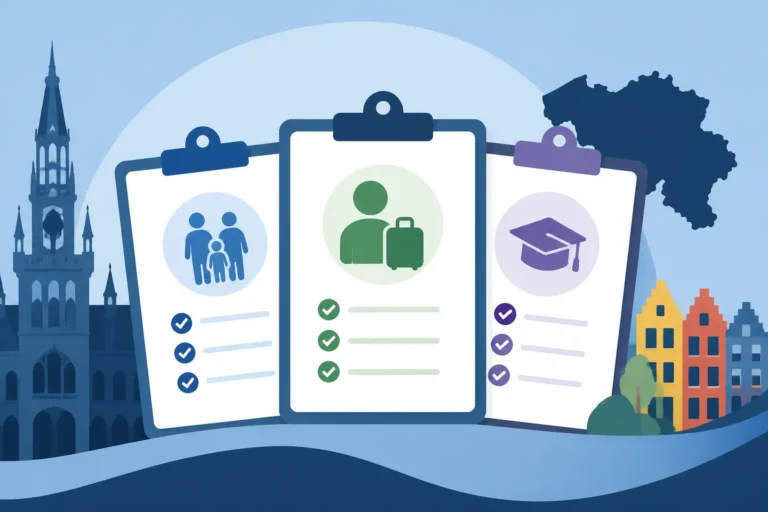
| Visa Type | Primary Use Case | Key Requirements | Pros | Cons |
|---|---|---|---|---|
| Professional Card | Self-employed, freelancer, entrepreneur with a business project in Belgium. | Detailed business plan, proof of financial viability, no criminal record, medical certificate, qualifications. | Direct path to long-term residency, potential for business growth. | High bar for business plan, complex application, significant financial proof. |
| Student Visa | Enrolled in a recognized educational institution. | Acceptance letter from university, proof of sufficient funds (blocked account), health insurance. | Allows long-term stay, cultural immersion, opportunity to learn French/Dutch. | Requires full-time study, limited work hours allowed, not for pure remote work. |
| Family Reunification | Joining a spouse/partner who is already a Belgian resident or citizen. | Proof of relationship (marriage certificate), sponsor's sufficient income, suitable housing, health insurance. | Relatively stable path to residency, can lead to work rights. | Dependent on sponsor's status, lengthy processing times, strict documentation. |
| EU Blue Card | Highly skilled non-EU worker with a job offer from a Belgian employer. | Higher education diploma, specific salary threshold, employment contract from Belgian company. | Streamlined process for skilled workers, can lead to PR. | Requires a Belgian employer, not for self-employed digital nomads. |
| Schengen Visa (Type C) | Short-term visits for tourism or business (max 90 days in 180-day period). | Proof of travel, accommodation, financial means, return ticket, travel insurance. | Easy to obtain for short stays. | Cannot be used for long-term remote work, strict 90/180 rule. |
Disclaimer
Please remember that I am a lifestyle blogger and not a legal professional. The information provided in this guide is for general informational purposes only and is subject to change. Immigration laws and procedures can be complex and vary based on individual circumstances. Always consult the official Belgian Immigration Office (Office des Étrangers/Dienst Vreemdelingen Zaken) website or a qualified immigration lawyer for the most accurate and up-to-date legal advice regarding your specific situation.