Avoiding Rental Scams in Brussels: Red Flags on Facebook Market
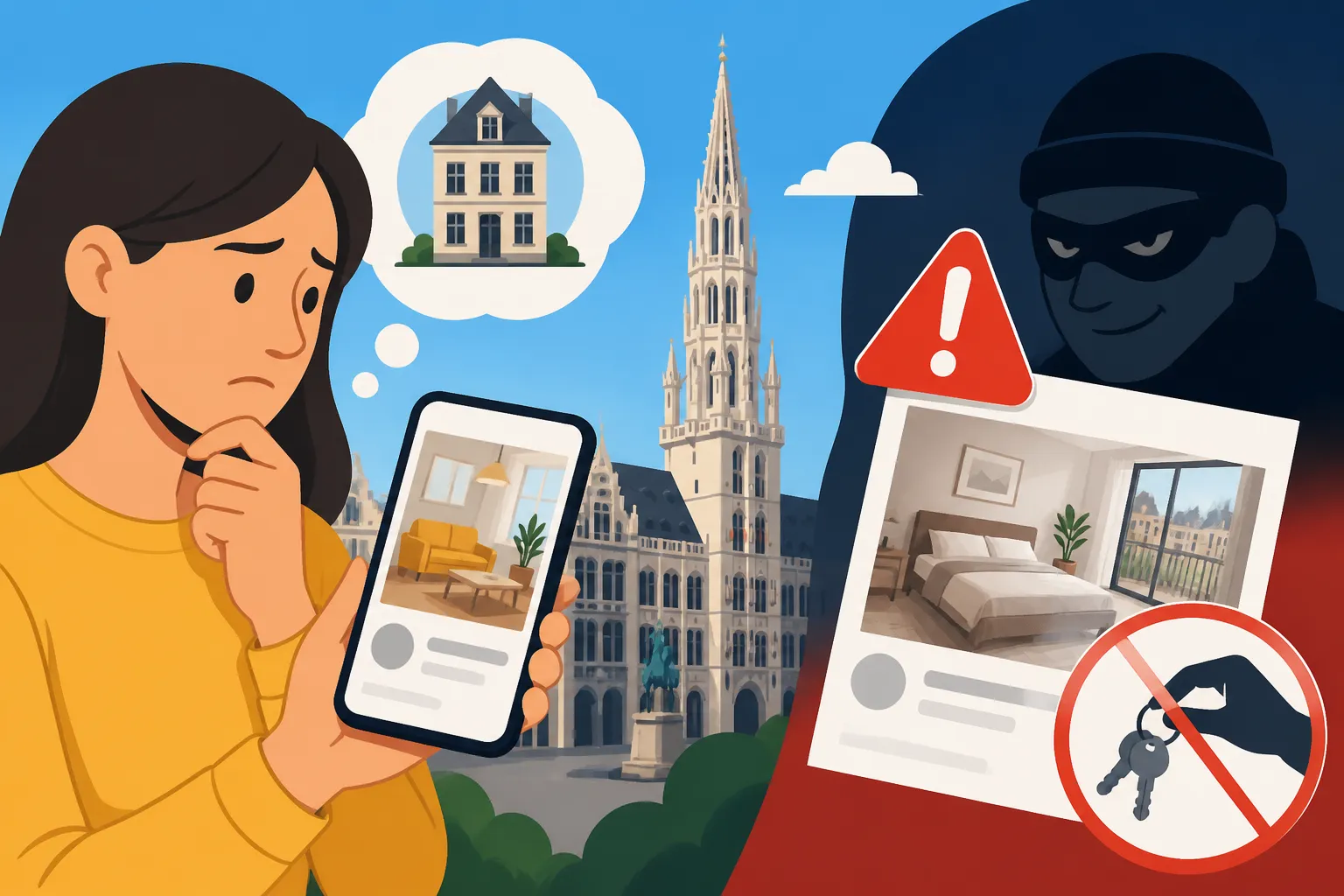
Finding a decent apartment in Brussels is notoriously competitive, and scammers are currently preying on that desperation by posting too-good-to-be-true deals on social media. I’ve seen countless newcomers lose their entire savings to "landlords" who vanish the moment a deposit is transferred. This guide provides a deep dive into the specific red flags you must identify on Facebook Market to protect your wallet and your sanity.
The Psychology of the Brussels Rental Scam
The Brussels housing market remains a battlefield. With high demand in neighborhoods like Ixelles and Etterbeek, expats often feel pressured to make snap decisions. Scammers know this. They create high-pressure environments where you feel like you might "lose" a beautiful studio if you don't act within the hour. Understanding that this urgency is a manufactured tool is your first line of defense. Most legitimate landlords in Belgium are accustomed to a specific, somewhat slow-moving bureaucratic process. When someone tries to bypass the standard steps of Renting in Belgium: Apartments, Contracts, and Tenant Rights (2027), your internal alarm should be ringing loudly.
The "too good to be true" price point is the most common hook. If you see a renovated one-bedroom apartment in the heart of the European Quarter for €700 including charges, it is almost certainly a scam. Legitimate prices in these areas have climbed significantly, and while Living in Brussels: Top Expat Neighborhoods (Ixelles, Etterbeek) are wonderful places to live, they are not bargain bins. Scammers use beautiful, high-resolution photos stolen from luxury real estate websites or even Airbnbs to lure you in. They rely on the fact that many expats are searching from abroad and are willing to pay a "holding fee" to secure a place before they arrive.
To avoid this, I always recommend that new arrivals use a verified platform like HousingAnywhere for their first month or two. This allows you to have a secure base of operations while you search for long-term Apartment Types: Kots, Studios, and Unfurnished Rental Norms in person. Never, under any circumstances, commit to a long-term lease without seeing the property with your own eyes or having a trusted friend in the city do it for you.
Facebook Marketplace Red Flags to Watch For
Facebook Market is a Wild West compared to dedicated sites like Immoweb. The first thing you should do when you see an attractive listing is click on the seller's profile. Is the account brand new? Does it have any history in Belgium? Scammers often use compromised accounts or "throwaway" profiles created just weeks ago. If the profile has no friends, no local groups, and only one or two photos that look like stock images, walk away. A real landlord in Brussels usually has some digital footprint, perhaps in local groups for Finding an Apartment: Immoweb, Immovlan, and Facebook Groups where they’ve posted before.
Another major red flag is the "Landlord Abroad" narrative. You will often receive a long, sob-story email or message explaining that the owner is a doctor, a diplomat, or a researcher currently working in the UK, USA, or Africa. They claim they cannot show you the apartment because they aren't in the country, but they are happy to mail you the keys once you've sent the deposit via a non-traceable method. In reality, a professional landlord who is abroad will almost always hire a local property manager or agency to handle viewings. If they insist on doing everything via WhatsApp and refuse a video call where they actually show their face inside the property, it is a scam.
During your search, staying connected is vital. I always suggest picking up a local eSIM from Airalo as soon as you land (or even before) so you can quickly research addresses and landlord names on the fly while standing outside a potential building. Scammers often use addresses of buildings that don't even have residential units, or they list an apartment on the 4th floor of a building that only has three levels.
The Financial Trap: Deposits and Contracts
In Belgium, the way you handle money is legally regulated, and scammers will try to convince you to ignore these laws. The most common demand is for a deposit via Western Union, MoneyGram, or even cryptocurrency. They might also ask for a "security deposit" to be sent to a "lawyer" or a "friend" to prove you have the funds. Let me be clear: no legitimate Belgian landlord will ever ask for a deposit through these channels.
The legal way to handle a rent guarantee is through a blocked bank account in your name or via the official government portal. You should read up on The e-DEPO System: How to Deposit Your Rent Guarantee for Free to understand how modern, safe transactions work. Scammers will tell you that e-DEPO is "too slow" or that their bank doesn't accept it. They want the money in a place where it can't be clawed back once you realize the apartment doesn't exist. Furthermore, they will often send you a "contract" that looks official but is actually a poorly photoshopped template. A real contract should clearly state the Common Charges (Charges Communes): What Exactly Are You Paying For? and include the landlord's national registration number.
Once you actually secure a real place, the work isn't over. You must ensure you have a proper Inventory of Fixtures (État des Lieux): Why It's Crucial Before Moving In documented by a professional. Scammers skip this entirely because they have no intention of ever giving you a key. If a "landlord" seems uninterested in documenting the state of the apartment, they aren't a landlord; they are a thief.
| Feature | Legitimate Listing | Potential Scam |
|---|---|---|
| Price | Matches market rates for the commune | Significantly lower than average |
| Communication | Professional, willing to meet/video call | High pressure, "sob stories," WhatsApp only |
| Viewings | Physical or live video tours allowed | Not possible "until deposit is paid" |
| Deposit Method | Blocked account or e-DEPO | Western Union, Crypto, or Wire Transfer |
| Contract | Detailed, mentions 3-6-9 legalities | Vague, generic, or missing local details |
| ID Verification | Landlord provides ID/Proof of ownership | Landlord sends a blurry "passport" photo |
Practical Steps to Verify a Listing
If you find a listing on Facebook that you actually like, start by reverse-image searching the photos. You can do this easily on your phone. If those exact photos pop up on a real estate site in Barcelona or a hotel in Berlin, you’ve caught them. Next, look up the address on Google Street View. Does the building match the exterior photos in the ad? Many scammers are lazy and will post an ultra-modern interior photo while the address belongs to a 19th-century townhouse in Schaerbeek.
Don't be afraid to ask for proof of ownership. A real landlord can show you their latest property tax bill (Précompte Immobilier) or the registered lease of a previous tenant. If they get defensive or claim you are being "disrespectful," that is a psychological tactic to make you feel guilty so you stop asking questions. Stand your ground. If you are already in Brussels, walk to the building and press the buzzer for the apartment number listed. Often, the real tenant will answer, completely unaware that their home is being "rented out" on Facebook.
While you are navigating this stress, try to make your life easier in other ways. When you finally do move into a legitimate place, you'll likely need to stock up on essentials. Using Amazon Belgium is a lifesaver for getting bulky items like kitchen starters or bed linens delivered directly to your door, especially if you don't have a car yet. It’s one less thing to worry about while you’re dealing with the Registering Your Lease (Enregistrement du Bail): Whose Responsibility? paperwork and commune registrations.
What to Do If You Have Been Scammed
If the worst happens and you realize you've sent money to a fraudster, you must act immediately. First, contact your bank. If you sent a wire transfer, there is a very small window where they might be able to freeze the funds, though this is rare with scammers who move money quickly. Second, file a report with the Belgian police. You can do this at your local "Commissariat." While they may not be able to get your money back, having a police report is essential for insurance claims or if you need to explain the loss of funds to authorities.
You should also report the profile and the listing to Facebook, though don't expect them to take immediate action. Join local expat groups and share the scammer's details (screenshots of the profile and the bank info they gave you) to warn others. The Brussels expat community is very active, and often, you'll find that three other people were targeted by the same person that morning. If you find yourself in a desperate situation with no place to stay, look into Finding English-Speaking Plumbers and Electricians via RingTwice or similar local service apps to find temporary help or even short-term housing leads through community networks.
Finally, take a breath. It happens to the best of us. The administrative hurdles of moving to a new country are exhausting, and scammers bank on your fatigue. Before your next attempt, sit down and review the Rental Deposits in Belgium: e-DEPO vs Blocked Bank Accounts rules one more time. Knowledge is your best protection against the "Facebook Market" trap.
Disclaimer
This guide is for informational purposes only and does not constitute legal advice. Housing regulations in Belgium are subject to change, and users should consult with a legal professional or the local housing authority (Brussels Housing) before signing contracts or transferring funds. Always perform your own due diligence when interacting with private sellers on social media platforms.