Applying for a Professional Card (Carte Professionnelle) as a Freelancer
Oh, the joy of trying to freelance in a new country! If you're anything like me, you’ve probably dreamt of the freedom of being your own boss in Belgium, only to be met with a labyrinth of permits, regulations, and forms. It can feel utterly overwhelming, like trying to translate ancient scrolls while blindfolded. But breathe, my friend, because this guide is here to demystify the Belgian Professional Card (or Carte Professionnelle in French, Beroepskaart in Dutch), your essential gateway to independent work here, and help you navigate the process with a bit more confidence.
Navigating the Belgian Professional Card: An Overview
Starting your own venture in Belgium as a non-EU/EEA citizen is a big step, and it comes with its own unique set of administrative hurdles. It’s not just about having a brilliant business idea; it’s about proving your value to the Belgian economy and demonstrating that you can sustain yourself. The Professional Card is the key document that allows you to do just that. Without it, your dreams of becoming an independent professional here will remain just that—dreams.
What Exactly is a Professional Card?
Think of the Professional Card as your official permission slip from the Belgian authorities to operate as a self-employed individual. It's distinct from an employee's work permit, which your employer usually handles. This card explicitly states the type of self-employed activity you're authorized to perform, and it’s issued by the regional economic authorities (Flanders, Wallonia, or Brussels-Capital Region) rather than the federal immigration office directly. Each region has slightly different nuances in their application process and evaluation criteria, which, of course, adds another layer of complexity to an already intricate system.
The card is a recognition of your professional capacity and the viability of your business project. It's essentially the government saying, "Yes, we believe your independent venture brings value to our economy, and you meet the criteria to operate here." This is why merely having a great idea isn't enough; you need to demonstrate its potential impact and your ability to execute it. This involves showcasing your qualifications, your financial stability, and a detailed plan for your business.
Why the Professional Card is Your Golden Ticket to Freelancing
For many non-EU/EEA expats, the Professional Card isn’t just a formality; it’s the only path to legitimate self-employment in Belgium. It grants you the legal status to register as an independent ( indépendant or zelfstandige) with the Crossroads Bank for Enterprises (BCE/KBO), allowing you to issue invoices, pay taxes, and access social security benefits that come with self-employment. Without it, any freelance work you undertake would be considered illegal and could lead to serious penalties, including deportation.
This card is particularly vital because it connects directly to your residency status. Once approved, it typically allows you to apply for a long-stay D visa if you're still abroad, and subsequently a residence permit (usually an A card, then potentially a B card, depending on your situation) that explicitly permits self-employed work. It’s a foundational piece of your expat puzzle, enabling you to build a life and a career on your own terms. For those considering a flexible career path, understanding Choosing Between Full-Time Freelance and Complementary Status is an important subsequent step once the Professional Card is secured.
Eligibility and the Dreaded Documentation Maze
Now, let's get into the nitty-gritty: who actually qualifies for this coveted card, and what mountain of paperwork will you need to conquer? This is where many expats feel the first pangs of frustration, as the requirements can seem extensive and, at times, a bit opaque.
Who Can Apply for a Professional Card?
Generally, the Professional Card is intended for non-EU/EEA nationals who wish to establish themselves as self-employed individuals in Belgium. There are a few categories of people for whom it might not be strictly necessary, such as certain highly qualified researchers or those with specific international agreements, but for the vast majority of aspiring expat freelancers, it's mandatory. You must be able to demonstrate that your business activity will be beneficial to Belgium, either economically, socially, or culturally. This isn’t a small ask; it requires a compelling argument and concrete evidence.
The regional authorities evaluate your application based on several factors, including:
- Your professional qualifications: Do you have the necessary diplomas, certifications, or experience for your proposed activity?
- The viability of your business project: Is your business plan sound? Do you have a market? Is it financially sustainable?
- The economic benefit to Belgium: Will your business create jobs, contribute to innovation, or fill a gap in the market?
- Your financial resources: Can you support yourself and your business during the initial setup phase? This often means proving you have sufficient funds, separate from your business capital, to cover your living expenses.
Essential Documents You'll Need to Gather
Ah, documents! The bane of every expat's existence. The list can seem endless, and it’s crucial to get every single piece right, down to the last stamp and signature. Expect to provide:
- Proof of identity: A valid passport and copies of all relevant visa and residence permits.
- Proof of solvency: Bank statements, proof of capital for your business, or a financial plan demonstrating how you will fund your living expenses and business operations.
- Professional qualifications: Diplomas, certificates, CV, and professional references relevant to your planned activity. If your documents are not in French, Dutch, German, or English, you'll need certified translations. Services like RushTranslate can be invaluable for ensuring your academic and professional documents meet Belgian legal standards, providing certified translations that are often required for official submissions.
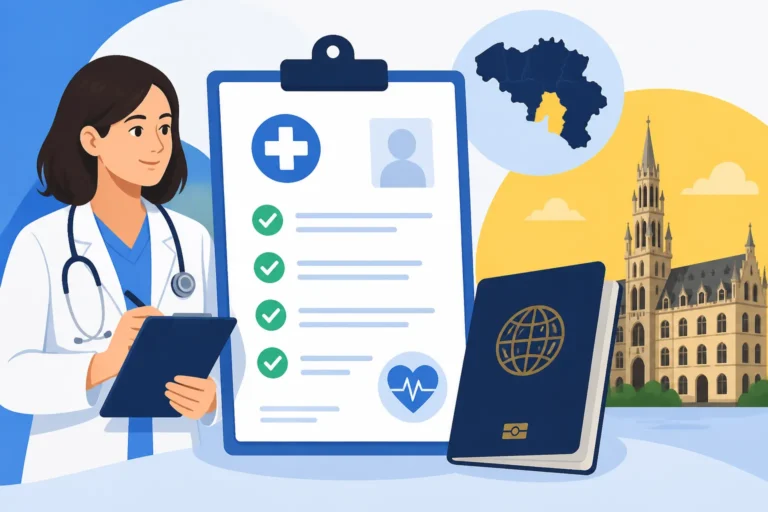
- Medical certificate: A certificate issued by a doctor approved by the Belgian embassy or consulate in your country of origin, confirming you are free of certain infectious diseases.
- Certificate of good conduct/police record: This proves you have no serious criminal convictions.
- Marriage certificate/birth certificates: If you plan for Family Reunification Visas: Bringing Spouses and Children to Belgium, these will be vital later. Remember to have these officially translated and apostilled or legalized.
This list is not exhaustive, and depending on your specific project and region, additional documents may be requested. It’s always best to check the official regional websites (e.g., Brussels Economy and Employment, Agentschap Innoveren & Ondernemen for Flanders, or SPW Économie for Wallonia) for the most up-to-date and specific requirements.
The Importance of a Solid Business Plan
I cannot stress this enough: your business plan is the beating heart of your Professional Card application. This isn't just a casual outline; it’s a detailed, convincing argument for why you should be granted the right to freelance in Belgium. The authorities want to see that you’ve done your homework, that your idea is viable, and that it genuinely benefits the Belgian economy.
Your business plan should typically include:
- A clear description of your activity: What exactly will you be doing? What services or products will you offer?
- Market analysis: Who are your target customers? Who are your competitors? What is your unique selling proposition?
- Financial forecasts: Detailed projections for your income, expenses, and profitability over at least the first three years. This needs to be realistic and backed by research.
- Operational plan: How will you run your business day-to-day? What resources will you need?
- Your qualifications: How do your skills and experience make you the right person to execute this plan?
- Economic benefit: Crucially, how will your business contribute to Belgium? Will you create jobs, stimulate local commerce, or introduce innovative services?
For a deeper dive into crafting this crucial document, consult resources on Business Plan Requirements for the Belgian Professional Card. A well-researched, professionally presented business plan can make all the difference between approval and rejection. It demonstrates your seriousness and commitment, which is exactly what the authorities are looking for.
The Application Process: Step-by-Step Breakdown
Alright, you've got your documents (or you're well on your way) and your business plan is sparkling. Now, how do you actually submit this application and what happens next? This stage involves navigating the specific regional procedures, which can sometimes feel like trying to hit a moving target.
Where and How to Submit Your Application
Unlike some other immigration processes, the Professional Card application is primarily handled by the regional economic departments, not directly by the federal Immigration Office. This means where you apply depends on where your business will be primarily located.
- Brussels-Capital Region: For businesses based in Brussels.
- Flanders: For businesses based in the Flemish region.
- Wallonia: For businesses based in the Walloon region.
If you are currently residing outside Belgium, you will typically submit your application (or at least initiate it) through the Belgian embassy or consulate in your country of residence. They will then forward it to the relevant Belgian regional economic department for review. If you are already legally residing in Belgium (e.g., on another visa type that permits a change of status, or as a spouse of a Belgian/EU citizen), you would typically submit the application directly to the regional economic department. For a clearer picture on this, refer to Applying for a Professional Card (Carte Professionnelle) as a Freelancer via Embassy vs Portal.
The initial application often involves filling out specific forms provided by the regional authorities, attaching all your supporting documents, and paying an administrative fee. Keep meticulous records of everything you submit and every communication you receive – trust me, future you will thank past you for this.
Understanding the Regional Competencies
Each of Belgium's three regions has its own government and, consequently, its own specific procedures and criteria for evaluating Professional Card applications. While the general principles are similar, the emphasis or specific requirements can vary.
- Brussels-Capital Region: Often focused on international talent and innovation, given its status as a European capital. They look for projects that add to the diverse economic landscape.
- Flanders: Tends to emphasize projects that align with their strategic economic sectors, such as logistics, biotech, or digital innovation. They might also place a strong emphasis on integration requirements for certain long-term residents.
- Wallonia: Focuses on developing its local economy, particularly in areas like aerospace, sustainable development, and agro-industry.
This regionalization means you really need to tailor your business plan and even your choice of location to best fit the regional priorities. What flies in Brussels might not be as appealing in Ghent or Liège, and vice-versa. It's a key reason why seeking local advice, perhaps even from an immigration lawyer, can be so beneficial. If you find yourself hitting unexpected roadblocks or need assistance with appeals, remembering Hiring an Immigration Lawyer: When Do You Need Professional Help? can be a lifesaver.
The Interview and Decision Process
After you've submitted your application and paid your fees, a waiting game begins. The regional authorities will review your file, and they might request additional information or clarification. In some cases, you may be invited for an interview. This interview is your chance to personally present your business plan, elaborate on its benefits, and answer any questions the evaluators might have. Be prepared to articulate your vision, demonstrate your passion, and convincingly explain how your project will contribute to Belgium.
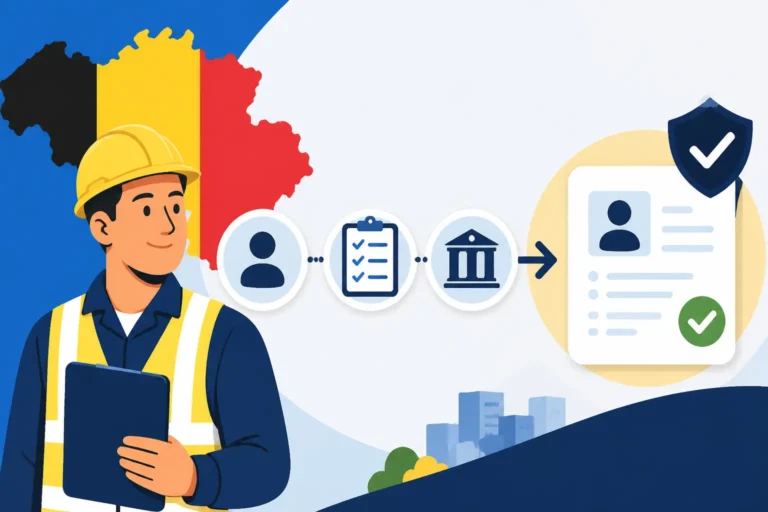
The decision process involves a thorough assessment of your business plan's viability, your professional qualifications, and the demonstrable economic benefit your freelance activity will bring. If approved, the regional authority will issue an authorization, which you then use to obtain your Professional Card. If you applied from abroad, this authorization is sent to the Belgian embassy/consulate, allowing them to issue your D visa. Once you arrive in Belgium (or if you’re already here), you’ll register at your local commune, where your actual Professional Card (which acts as your residence permit) will be issued. The entire process, from application to receiving your physical card, can be quite lengthy.
Costs, Timelines, and What to Expect After Approval
The journey doesn't end with approval; there are still fees to pay, waiting periods to endure, and renewals to anticipate. Being financially and mentally prepared for these aspects is crucial for a smooth transition into Belgian freelance life.
Application Fees and Hidden Costs
Applying for a Professional Card involves several direct and indirect costs that can add up quickly.
- Administrative Fee: This is the primary fee paid to the regional economic authority for processing your application. This fee can vary by region and may be indexed annually, so always check the latest figures. For example, as of recent checks, the fee for a Professional Card can be around €140 for the application and then approximately €90 per year of validity, payable upfront for the entire period of validity.
- Visa Fee (if applicable): If you are applying from outside Belgium, there will be a separate visa application fee at the embassy or consulate.
- Translation and Legalization Costs: As mentioned, if your documents are not in an official Belgian language or English, you'll incur costs for certified translations and potentially apostille or legalization services. This is where services like RushTranslate become essential.
- Health Checks: The cost of the mandatory medical certificate.
- Lawyer Fees: If you opt for professional assistance from an immigration lawyer, which many find invaluable, this will be another significant expense.
- Proof of Funds: While not a direct fee, demonstrating sufficient funds in your bank account ties up capital that could otherwise be invested.
Here's a simplified breakdown of potential costs:
| Cost Category | Estimated Cost (One-time/Annual) | Notes |
|---|---|---|
| Professional Card Application | €140 (one-time) | To the regional economic authority. |
| Professional Card Validity | €90/year (annual, paid upfront) | Depends on the period of validity (e.g., 3 years = €270). |
| Visa D Application | ~€180-250 (one-time) | If applying from outside Belgium. Varies by embassy. |
| Certified Document Translations | Varies widely (€50-200 per document) | Essential if documents are not in official languages; use RushTranslate. |
| Legalization/Apostille | Varies (€20-50 per document) | Depending on country of origin and specific requirements. |
| Medical Certificate | ~€50-150 (one-time) | From an approved doctor. |
| Criminal Record Check | Varies (low cost) | |
| Immigration Lawyer (optional) | €1,000 – €5,000+ (one-time) | Highly recommended for complex cases or peace of mind. |
| Total Estimated Initial Outlay | €500 – €6,000+ | Excludes ongoing living costs and business capital. |
Processing Times: Brace Yourself!
Let's be realistic: Belgian bureaucracy doesn't move at lightning speed. The processing times for a Professional Card application can be substantial, and patience is definitely a virtue here.
- Regional Authority Review: Once your complete file is submitted to the regional economic department, it can take anywhere from 2 to 4 months for them to process and make a decision. This period can be longer if they request additional information or if your case is particularly complex.
- Visa Application (if from abroad): After regional approval, if you're applying for a D visa, that process at the embassy/consulate can add another 2-4 weeks, though sometimes longer, especially during peak periods.
- Commune Registration: Once in Belgium, registering at your commune and getting your eID card (which serves as your Professional Card) can take another 4-8 weeks, involving police checks and various administrative steps.
In total, you should realistically prepare for a timeline of 4 to 8 months, or even longer, from initial submission to holding your physical card in hand. This means you need to plan well in advance, especially if you have deadlines or need to start work by a certain date. Do not, under any circumstances, assume you can start freelancing activity before you have the correct permit.
Renewing Your Professional Card: Staying on Top of It
The Professional Card is rarely issued for an indefinite period. Initially, it's typically valid for one to three years. As the expiry date approaches, you'll need to apply for a renewal. This is not just a rubber-stamping exercise; you will need to demonstrate that your business is still viable, that you are still actively engaged in your self-employed activity, and that it continues to bring economic, social, or cultural benefit to Belgium.
The renewal process is similar to the initial application but often places a stronger emphasis on your actual business performance since you were granted the card. You’ll need to provide updated financial statements, proof of income, and any other relevant documentation that shows your business is thriving and continues to meet the initial criteria. For detailed guidance on this, check out Renewing a Professional Card: Proving Economic Value to Belgium. It’s a moment to reflect on your progress and make a strong case for continued authorization.
Living and Working on a Professional Card: Beyond the Bureaucracy
Once you have your Professional Card, the real work of freelancing begins. But it’s not just about finding clients and doing the work; it’s about understanding your new obligations and benefits within the Belgian system.
Social Security and Health Insurance for Freelancers
As a self-employed individual, you are automatically subject to Belgium’s social security system for independents. This means you’ll need to affiliate with a social insurance fund (such as Xerius, Acerta, or Partena) and pay quarterly social security contributions. These contributions are crucial as they grant you access to state healthcare, maternity/paternity benefits, disability benefits, and build towards your pension. While they might seem like a heavy burden, they are your safety net. You can learn more about this in Social Insurance Funds for Freelancers (Xerius, Acerta, Partena).
Regarding health insurance, once you’re registered with a social insurance fund and paying contributions, you’re generally required to join a mutuelle (French) or ziekenfonds (Dutch) – a public health insurance fund. These funds cover a significant portion of your medical expenses. For a comprehensive overview, refer to Healthcare in Belgium for Expats: Complete System Overview (2027). While public insurance is mandatory, many expats, particularly freelancers who may have varying income or travel often, choose to supplement it with private health insurance. Companies like Cigna Global offer excellent supplementary plans that can provide peace of mind, covering gaps in public coverage, offering access to broader networks, or providing international coverage for those who move around. This can be especially useful for those looking for more extensive dental, vision, or repatriation benefits. You'll find a lot of useful information on Mutuelle and Ziekenfonds: Public Health Insurance Registration Guide when you're ready to sign up.
Taxation as an Independent Professional
Welcome to Belgian taxes! As an independent, your income will be subject to personal income tax, similar to employees, but with some crucial differences. You’ll be responsible for calculating and paying your own taxes, often through quarterly advance payments to avoid penalties. You'll need to declare your professional income and expenses annually via the Tax-on-web portal (MyMinfin).
Beyond income tax, you’ll also likely be subject to VAT (Value Added Tax) if your annual turnover exceeds certain thresholds. This means registering for a VAT number, charging VAT on your services/products, and filing regular VAT returns. The good news is that you can deduct legitimate business expenses, which can significantly reduce your taxable income. This is a complex area, and it's highly advisable to consult with an accountant ( expert-comptable or boekhouder) from the outset to ensure compliance and optimize your tax situation. They can help you navigate Freelance Taxes: Social Security, Withholding, and VAT Deadlines and ensure you're making the most of all available deductions.
Balancing Personal Life and Professional Ambitions
The life of a freelancer in Belgium, once you've secured your Professional Card, can be incredibly rewarding. However, it also demands a significant amount of self-discipline and organization. You'll be managing your own schedule, finding clients, handling administrative tasks, and continuously developing your skills. For many expats, this also means adapting to a new culture, potentially a new language, and building a new social network.
It’s easy to get lost in the demands of your business, but don't forget the importance of self-care and integration. Belgium offers a vibrant expat community, and taking the time to explore your surroundings, learn a local language, and connect with others can prevent burnout and enrich your experience. Whether it's through expat groups, sports clubs, or language courses, fostering a healthy work-life balance is crucial for long-term success and happiness as an independent professional in Belgium. Don't forget, even your medical records can now be accessed online via the MyHealth.belgium.be Guide: Accessing Your Medical Records Online, making health management a bit easier amidst your busy schedule.
Disclaimer
This article is for general informational purposes only and does not constitute professional advice. Laws, prices and regulations vary by location and change over time. Consult a qualified professional for guidance on your specific situation.