Using the Payconiq App Abroad: Which European Countries Accept It?
Standing in a quiet bakery in the heart of Paris, I confidently pulled out my phone to scan a QR code, only to be met with a confused shrug from the cashier who had never heard of Payconiq. I’ve been there, and that sinking feeling of being digitally stranded is exactly what we want to avoid. This guide clarifies which European borders your Payconiq app can actually cross.
The Payconiq and Bancontact Ecosystem Explained
To understand why your app might struggle once you cross the border at Mons or Arlon, you have to understand the unique DNA of the Belgian payment scene. For years, we lived in a world where Bancontact was for physical cards and Payconiq was for the clever QR codes we used to pay our friends back for dinner. Eventually, the two giants merged, creating a unified experience that feels like the ultimate local superpower. In fact, Bancontact and Payconiq: The Backbone of Belgian Payments is so deeply integrated into our daily lives that we often forget it isn't a global standard.
The convenience of simply scanning a sticker on a plexiglass counter or a merchant’s smartphone has made us a bit spoiled. Within Belgium, it’s flawless. You can use it for everything from high-end boutiques to a humble friterie in the middle of the Ardennes. However, this system relies heavily on the Belgian banking backend. When you attempt to use it abroad, the app has to communicate with a merchant system that might not speak the same "language," leading to those dreaded "Transaction Declined" or "QR Code Not Recognized" messages that can ruin a perfectly good holiday afternoon.
Which European Countries Accept Payconiq in 2026
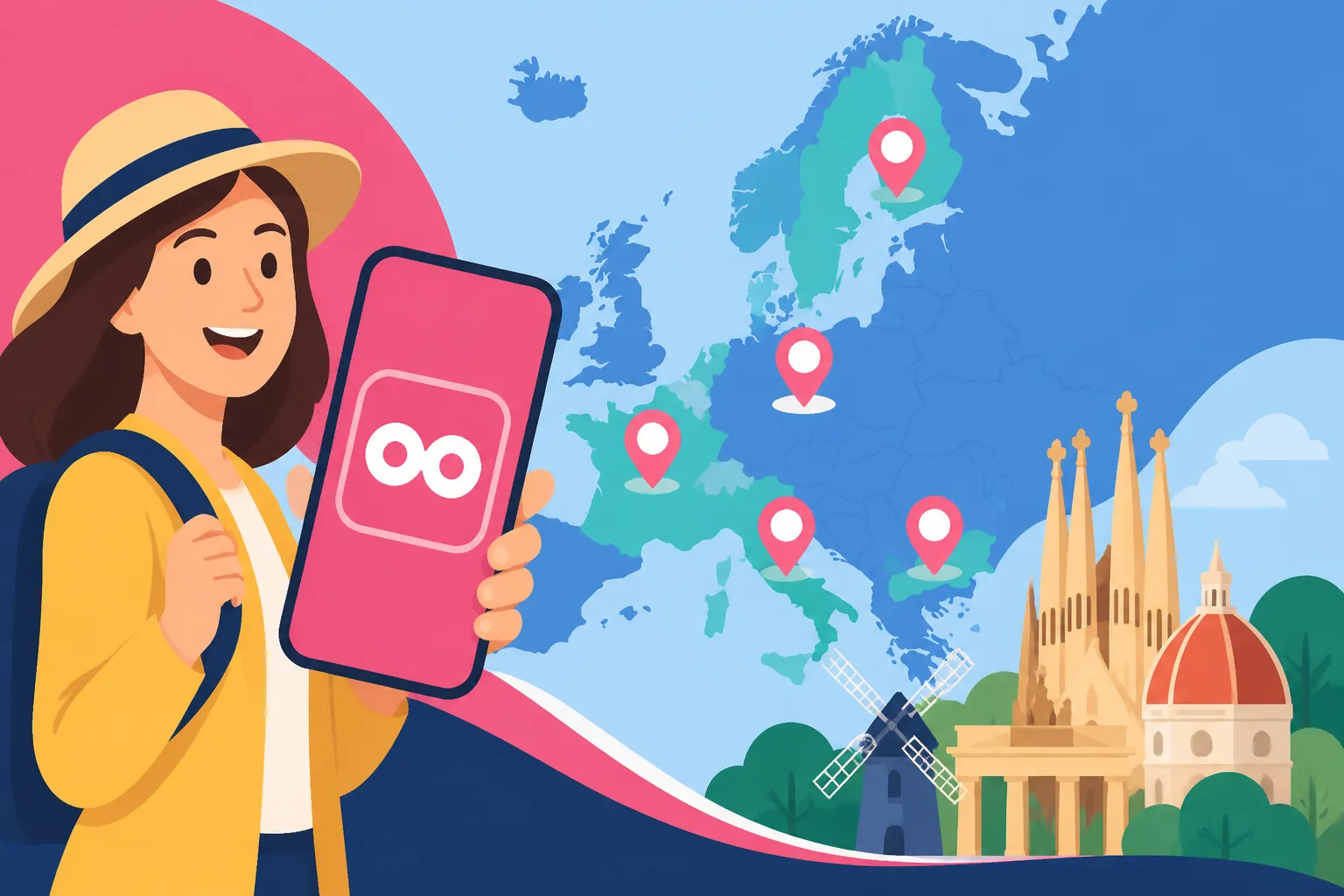
If you are planning a road trip, you need to know exactly where your digital wallet remains valid. The expansion of Payconiq across Europe has been a journey of strategic alliances rather than a total takeover. While the dream of a borderless QR payment system is getting closer, we aren't quite at the finish line yet.
The Seamless Experience in Luxembourg
Luxembourg is essentially the "home away from home" for Belgian Payconiq users. Because of the close financial ties between the two nations, you will find that Payconiq is widely accepted at almost every major retailer and many smaller shops across the Grand Duchy. I frequently travel to Luxembourg City for weekend breaks, and I’ve rarely had to reach for my physical wallet. The app treats these transactions almost exactly as it would in Brussels, often with no additional fees or conversion headaches. This is largely thanks to the shared infrastructure that predates many of the newer European payment initiatives.
Navigating the Netherlands
The situation in the Netherlands is a bit more nuanced. While the Dutch have their own beloved systems like iDEAL, Payconiq has made significant inroads here. You will find that many merchants in major cities like Amsterdam, Rotterdam, and Maastricht will accept Payconiq, especially if they use integrated payment terminals that support the European Mobile Payment Systems Association (EMPSA) standards. However, don't expect it to work at every single herring stand or local market. It is always wise to check for the Payconiq logo before you start ordering. If you're traveling with friends, you'll still find it easiest to use the app for its original purpose: How to Split a Bill in Belgium Using Payconiq by Bancontact before you even leave the country.
Limited Acceptance in Germany and Beyond
Germany is a tough nut to crack when it comes to digital payments, as they still have a deep-seated love for cash (though this is slowly changing). Payconiq's presence in Germany is mostly facilitated through its partnership with Bluecode. In regions bordering Belgium, you might find some acceptance, but it is far from a national standard. Once you move further south into France or Italy, the Payconiq app becomes significantly less reliable. In these countries, the local banking systems haven't fully synced with the Payconiq backend, meaning your QR scanner will likely return an error.
| Country | Payconiq Acceptance Level | Best Alternative for Expats |
|---|---|---|
| Luxembourg | High | Standard Payconiq App |
| Netherlands | Moderate | Bancontact Debit Card |
| Germany | Low | Wise Multi-Currency Card |
| France | Very Low | Trade Republic Visa |
| Spain | Very Low | Binance Card / Google Pay |
Why the EMPSA Alliance is Changing the Game
You might be wondering why a continent that shares a single currency doesn't share a single QR code. The answer lies in the European Mobile Payment Systems Association (EMPSA). This is an alliance of various national payment providers—including Payconiq, Bluecode in Germany, and TWINT in Switzerland—aiming to make their systems "interoperable."
This means that, in theory, your Belgian app should eventually work anywhere there is a Bluecode or TWINT sticker. We are seeing the fruits of this labor, but the rollout is uneven. Large retailers are the first to adopt these cross-border standards, while your favorite local bistro in Zurich might still be a few years behind. This slow evolution is a major reason why many of us maintain accounts with platforms like Wise to ensure we have a backup that works via NFC or a physical chip regardless of the local QR standard.
The goal of EMPSA is to protect European payment sovereignty against the dominance of American giants like Visa and Mastercard. While I support the mission, as an expat, I care more about whether I can pay for my coffee without an awkward conversation. For now, treat Payconiq as a regional tool that is slowly gaining "travel skills."
Planning Your Financial Toolkit for Travel
When I first moved to Belgium, I thought I could survive on my local bank account alone. I quickly learned that being a modern expat requires a "multitool" approach to finance. While Payconiq is perfect for the Cost of Living in Belgium 2026: Singles, Couples, and Families day-to-day expenses, it shouldn't be your only weapon when you cross the border.
The Role of Neobanks and Travel Cards
For any trip outside the Benelux region, I always carry my Wise card. The ability to hold multiple currencies and convert them at the mid-market rate is a lifesaver when you’re dealing with non-Euro countries or simply want to avoid the hidden "currency exchange" fees that some traditional Belgian banks tack onto foreign transactions. If you are frequently Sending Money to the UK/USA: Avoiding High Exchange Fees, you likely already have a Wise account, and their physical card is accepted anywhere Visa is, making it the perfect partner for your Payconiq app.
Similarly, I’ve started using my Trade Republic card for travel. Since it offers an attractive interest rate on uninvested cash and a "saveback" feature on spending, it turns my holiday expenses into a tiny investment portfolio. It’s a great way to manage your Best Brokerage Accounts for Expats in Belgium (Bolero, Keytrade) while being mobile. If you prefer the world of digital assets, even a Binance card can serve as a viable backup in major European cities, allowing you to spend your crypto balance directly at the terminal, provided you understand the Is Crypto Tax-Free in Belgium? The 'Good Father of the Family' Rule for your year-end tax declarations.
Troubleshooting Payconiq Issues Abroad
If you find yourself in a country that supposedly accepts Payconiq but the transaction isn't going through, don't panic. There are a few common reasons why this happens:
- Mobile Data Restrictions: Payconiq requires an active internet connection to generate the secure token for the transaction. If your roaming data is throttled or you’re on a patchy public Wi-Fi, the app will time out.
- Daily Limits: Your Belgian bank likely imposes a daily limit on Payconiq transactions. If you’ve been doing a lot of shopping, you might have hit your ceiling without realizing it.
- App Updates: The cross-border interoperability features are often tied to the latest version of the app. Always update your Payconiq by Bancontact app before heading to the airport or the train station.
- Merchant Terminal Compatibility: Some older terminals in the Netherlands or Germany might recognize the QR code but fail to process the Belgian banking handshake. In these cases, there is unfortunately nothing you can do but switch to a physical card.
The Future: Wero and the End of Payment Borders
We are currently in a transitional phase. By the end of 2026, the landscape will look very different thanks to the Wero Payment Integration in Belgium: Spring 2026 Rollout. Wero is the new European-wide digital wallet backed by major banks across the continent. It is designed specifically to replace the fragmented national systems like Payconiq with one unified app that works from Lisbon to Berlin.
As Wero becomes the standard, the limitations of Payconiq abroad will likely vanish, as the two systems are expected to merge or become fully compatible. Until then, we have to navigate the current patchwork. My advice? Enjoy the magic of Payconiq in Belgium and Luxembourg, use it cautiously in the Netherlands, and always have your Wise or Trade Republic card ready for everything else. Being an expat is all about being prepared for the hurdles, and your digital wallet is no exception.
Understanding International Money Transfers for Expats
Even if you manage to use your phone for every sandwich and souvenir across Europe, you might still face larger financial hurdles, such as paying a deposit on a holiday rental or sending money to a family member in another country. In these instances, Payconiq isn't the tool for the job. You’ll need to look into International Money Transfers: SWIFT vs Wise in Belgium to ensure you aren't losing 3-5% of your money to poor exchange rates.
The Belgian banking system is robust, but it can be rigid. Traditional banks often charge high flat fees for transfers outside the SEPA zone. By using a specialized service, you can bypass the "convenience tax" that banks love to charge. It’s part of the broader strategy of Healthcare Budgeting: Copays, DMG/GMD, and Reimbursements and general financial planning that makes expat life in Belgium sustainable and stress-free.
Disclaimer
This article is for informational purposes only and does not constitute financial, legal, or tax advice. Payment app features, acceptance rates, and regional alliances are subject to change. Always check the official Payconiq by Bancontact website or your bank's latest terms of service before traveling. The author is an expat sharing personal experiences and is not responsible for any transaction failures or financial losses incurred while using these services.