Weekend Travel: Best Domestic Trips to Bruges, Ardennes, and Coast
When the gray skies of a Belgian winter finally break or the repetitive grind of the "Brussels bubble" starts to feel a bit too small, the urge to escape becomes a physical necessity. I remember spending my first six months here thinking that Belgium was just a series of administrative offices and rain-slicked cobblestones until I finally hopped on a train. This guide solves the dilemma of where to go and how to navigate the logistical quirks of Belgium’s most iconic weekend escapes.
The Art of the Belgian Weekend Trip Logistics and Mindset
Getting out of your primary city is the best way to combat the specific feeling of Dealing with Belgian Bureaucracy Burnout: Mental Health for Expats. However, a successful trip requires understanding that Belgium is essentially three different countries when it comes to travel vibes. You have the Dutch-speaking north with its clockwork efficiency and flat cycling paths, the French-speaking south with its rugged hills and slower pace, and the bilingual coast that serves as the country’s collective backyard. I’ve learned the hard way that you can’t just "wing it" during a holiday weekend without checking the rail schedules first.
The most important tool in your arsenal is the Belgian rail app. Before you head out, you need to understand the nuances of Public Transport: SNCB/NMBS (National Trains) Fares and Passes. If you are under 26, the Youth Holidays pass is a literal lifesaver, but for the rest of us, the weekend ticket is the golden rule. It typically gives you 50% off a return journey starting Friday evening. I always tell newcomers to double-check their departure platforms on the app rather than the station boards, as last-minute changes at Brussels-Midi are more of a tradition than an exception.
If you are planning to stay overnight, don't feel limited to overpriced hotels. Many veterans of the expat scene use HousingAnywhere to find mid-term stays if they are working remotely from a new city for a week, or they look for smaller "gîtes" in the Ardennes. Also, if you’re traveling near the borders, keep an Airalo eSIM active if your local plan has roaming quirks, although Belgian providers are generally solid across the territory. Packing a sturdy umbrella and a portable power bank from Amazon Belgium is non-negotiable; the Belgian weather is a fickle beast that enjoys ruining a perfectly good hike.
Bruges Moving Beyond the Tourist Trap Label
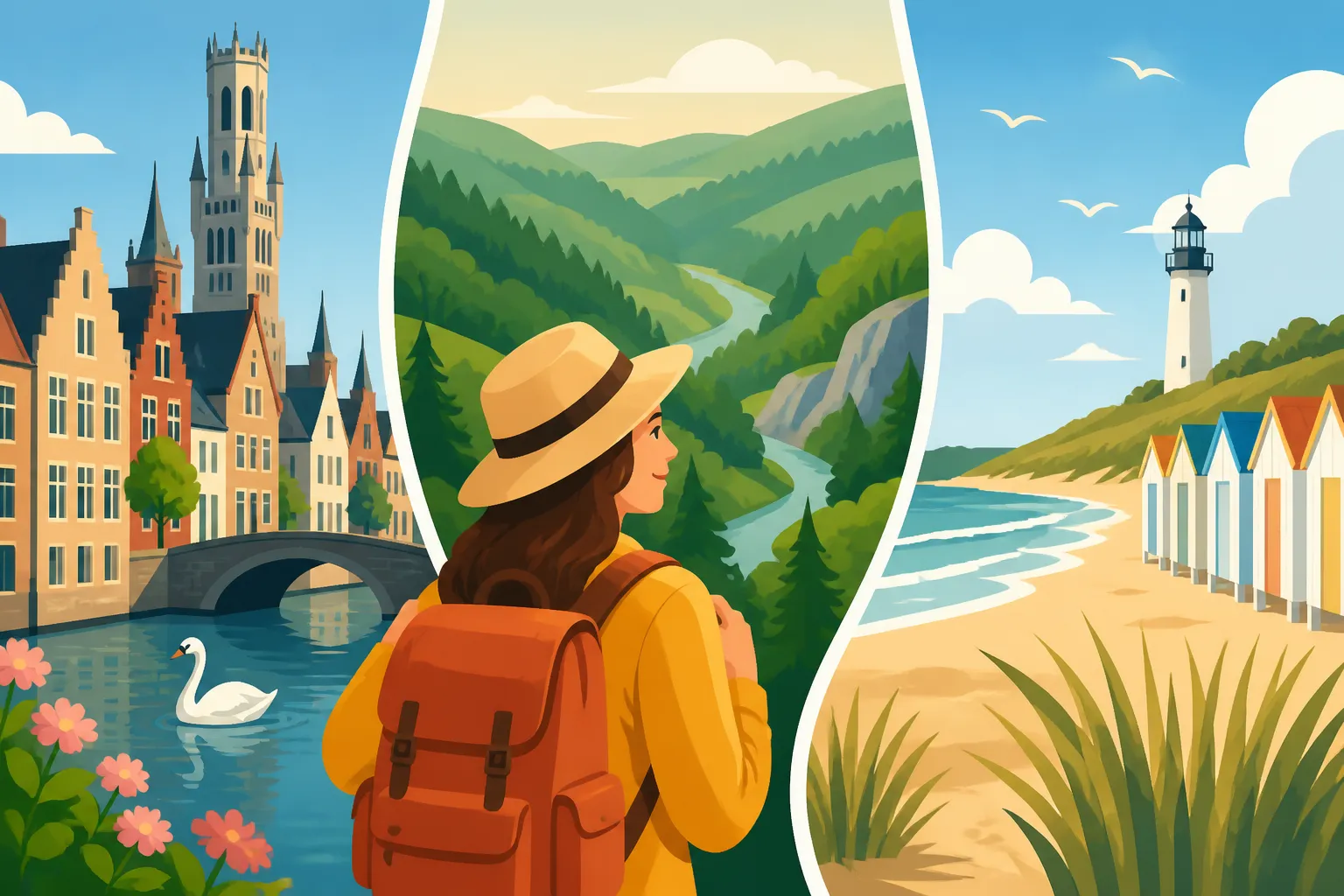
Bruges is often dismissed by "serious" travelers as a medieval Disneyland, but there is a reason it’s the most visited city in the country. When I first visited, I was determined to hate the crowds, but the moment you step away from the Markt (the main square), the city reveals a quiet, ghostly beauty that is genuinely moving. To see the real Bruges, you have to stay overnight. Once the day-trippers leave on the 6:00 PM train back to Brussels, the canals reflect the warm glow of the streetlamps, and the silence is punctuated only by the occasional swan.
For a deeper dive into the culture, head toward the Beguinage (Begijnhof). It’s a serene complex of white houses that once housed lay religious women. It’s one of those places where you’re asked to keep silent, and the atmosphere is heavy with history. If you’re coming from a high-stress environment, an hour sitting by the Minnewater (Lake of Love) can do more for your spirit than a month of therapy. Just be sure you’ve sorted your Train Tickets: The Standard Ticket vs Weekend Ticket Discounts before heading to the station, as the queues at the Bruges ticket machines can be legendary on Sunday afternoons.
Food in Bruges can be a minefield of overpriced frozen mussels. I always suggest looking for places tucked into the side streets of the Sint-Anna quarter. You’ll find locals eating there, and the prices are significantly more reasonable. If you’re looking for a quick snack, remember that The 'Friterie/Frituur' Etiquette: Ordering Fries Like a Local applies here too; never call them "French" fries, and always ask for a side of Andalouse or Joppie sauce. It’s a small cultural bridge that goes a long way with the Flemish shopkeepers.
The Ardennes Finding Your Green Escape in the South
If Bruges is the soul of Flanders, the Ardennes is the lungs of Wallonia. This is where you go when the Air Quality in Brussels: Managing Allergies and Respiratory Issues starts to get to you. The landscape shifts from flat plains to dense forests and winding rivers. Places like Durbuy, which claims to be the "smallest city in the world," are incredibly charming, but the real magic is in the Namur and Luxembourg provinces. You’ll need a car for the best spots, as the train network in the south is much sparser than in the north.
Hiking in the High Fens (Hautes Fagnes) is an experience I recommend to everyone. It’s a plateau of moorland and peat bogs that looks more like Scotland than Belgium. In the winter, it’s one of the few places where you can actually go cross-country skiing. However, the weather here is even more unpredictable than in the cities. I once set out on a sunny morning only to be caught in a localized blizzard two hours later. This is where your gear from Amazon Belgium—specifically waterproof hiking boots and a reliable GPS—becomes essential.
Wallonia is also the heart of Belgian beer culture beyond the standard pilsners. Visiting an abbey like Orval or Rochefort is a spiritual experience, even if you’re not religious. The monks take their brewing seriously, and the quiet dignity of these locations is a stark contrast to the bustle of the city. Just remember that many of these locations are remote. If you’re using public transport, you’ll be relying on SNCB Trains, Trams, and Mobib Cards for the initial leg, but you’ll likely need a local bus or a long walk to reach the actual monasteries.
The Belgian Coast Wind Sand and North Sea Seafood
The Belgian coast is unique because it is one continuous 67-kilometer stretch of beach connected by the De Kusttram (the Coast Tram). This is the world’s longest tram line, and it is a marvel of engineering. You can hop on in Knokke, the "Saint-Tropez of the North," and ride all the way to De Panne near the French border. For expats, the coast is the ultimate summer destination, though the water temperature is best described as "character-building."
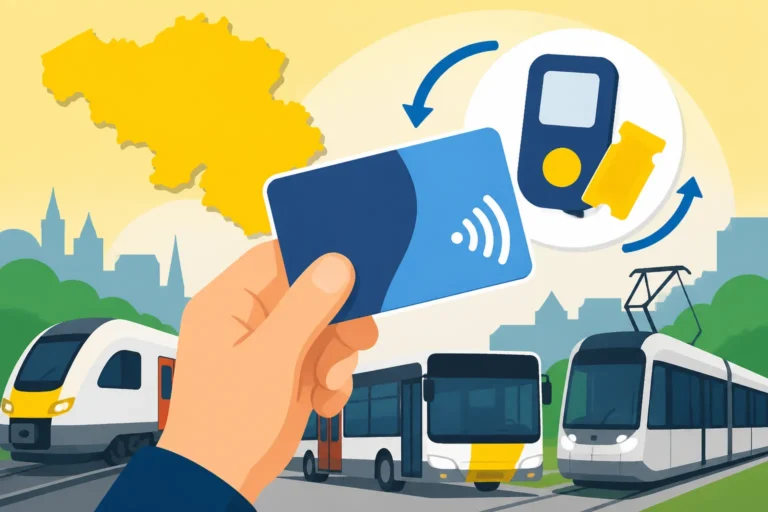
Ostend is the "Queen of Beaches" and feels like a real city that happens to have a massive beach attached. It has a gritty, maritime history and some of the best seafood markets in Europe. If you want a more upscale experience, Knokke-Heist is the place for designer boutiques and high-end art galleries. On the other hand, if you have kids, Blankenberge offers that classic seaside pier vibe with plenty of ice cream shops and crazy golf. Regardless of which town you choose, The Mobib Card: How to Load Tickets for All Belgian Transport will work for the tram, making it incredibly easy to explore multiple towns in a single afternoon.
One thing to watch out for is the "Zoute" lifestyle. In the more expensive coastal towns, everything from a coffee to a beach chair is marked up significantly. I’ve found that Supermarket Prices: Colruyt vs Delhaize vs Carrefour Costs become very relevant here; locals often pack a picnic and head to the dunes rather than paying 25 Euros for a salad at a beach club. If you’re visiting in August, keep an eye out for local events, as Experiencing Belgian Festivals: Tomorrowland and Rock Werchter Tips can sometimes apply to the smaller beach festivals that pop up along the dunes.
Comparing the Top Belgian Weekend Destinations
When deciding where to go, it helps to compare the vibes and costs. Every expat has a different "favorite," and your choice will likely depend on whether you want to recharge in nature or soak up some history.
| Destination | Best For | Accessibility | Vibe | Cost Level |
|---|---|---|---|---|
| Bruges | Romance & History | High (Direct Train) | Fairytale / Touristy | Moderate to High |
| Durbuy | Nature & Dining | Low (Needs Car) | Cozy / Rustic | Moderate |
| Ostend | Seafood & Nightlife | High (Direct Train) | Urban / Maritime | Moderate |
| Knokke | Luxury & Beach | Medium (Train/Tram) | Posh / Exclusive | Very High |
| Bouillon | Castles & Hiking | Low (Car Recommended) | Medieval / Rugged | Low to Moderate |
| The High Fens | Pure Wilderness | Very Low (Car Only) | Ethereal / Quiet | Low |
Strategic Planning for Stress-Free Travels
The biggest mistake I see expats make is trying to do too much in 48 hours. Belgium might be small, but the "slow" travel here is intentional. In the Ardennes, you might find that the local café doesn't take cards, or the bus only runs once every two hours. Embracing this slower pace is part of the charm. If you’re coming from a fast-paced city like London or New York, the Belgian Sunday—where almost everything is closed—can be a shock. Plan your grocery shopping for Saturday so you’re not left hungry while staring at a closed shutter in a small village.
If you are a fan of hidden gems, I highly recommend looking into Living in Mechelen: The Hidden Gem Between Brussels and Antwerp. It’s often overlooked in favor of its larger neighbors, but it has a stunning cathedral, great breweries, and it’s arguably the most family-friendly city in the country. It’s an easy "half-weekend" trip if you don’t want to commit to a full overnight stay.
Lastly, always check the weather radar before leaving. A "sunny" forecast in Brussels doesn't mean the coast won't be shrouded in sea fog or the Ardennes won't be drenched in rain. I’ve made it a habit to check the "KMI/IRM" app (the official weather service) rather than the default phone weather app, as it’s much more accurate for Belgium’s micro-climates. With a little bit of planning and the right mindset, these domestic trips will become the highlight of your expat life, proving that there is so much more to this country than just chocolate and bureaucracy.
Disclaimer
The information provided in this guide is based on personal experience and current travel regulations as of mid-2026. While I strive for accuracy, transport schedules, prices, and local laws in Belgium can change without notice. Always verify specific details with official providers such as SNCB or local tourism offices before making non-refundable bookings. This content is for informational purposes and does not constitute professional legal or financial advice regarding residency or travel.