Air Quality in Brussels: Managing Allergies and Respiratory Issues
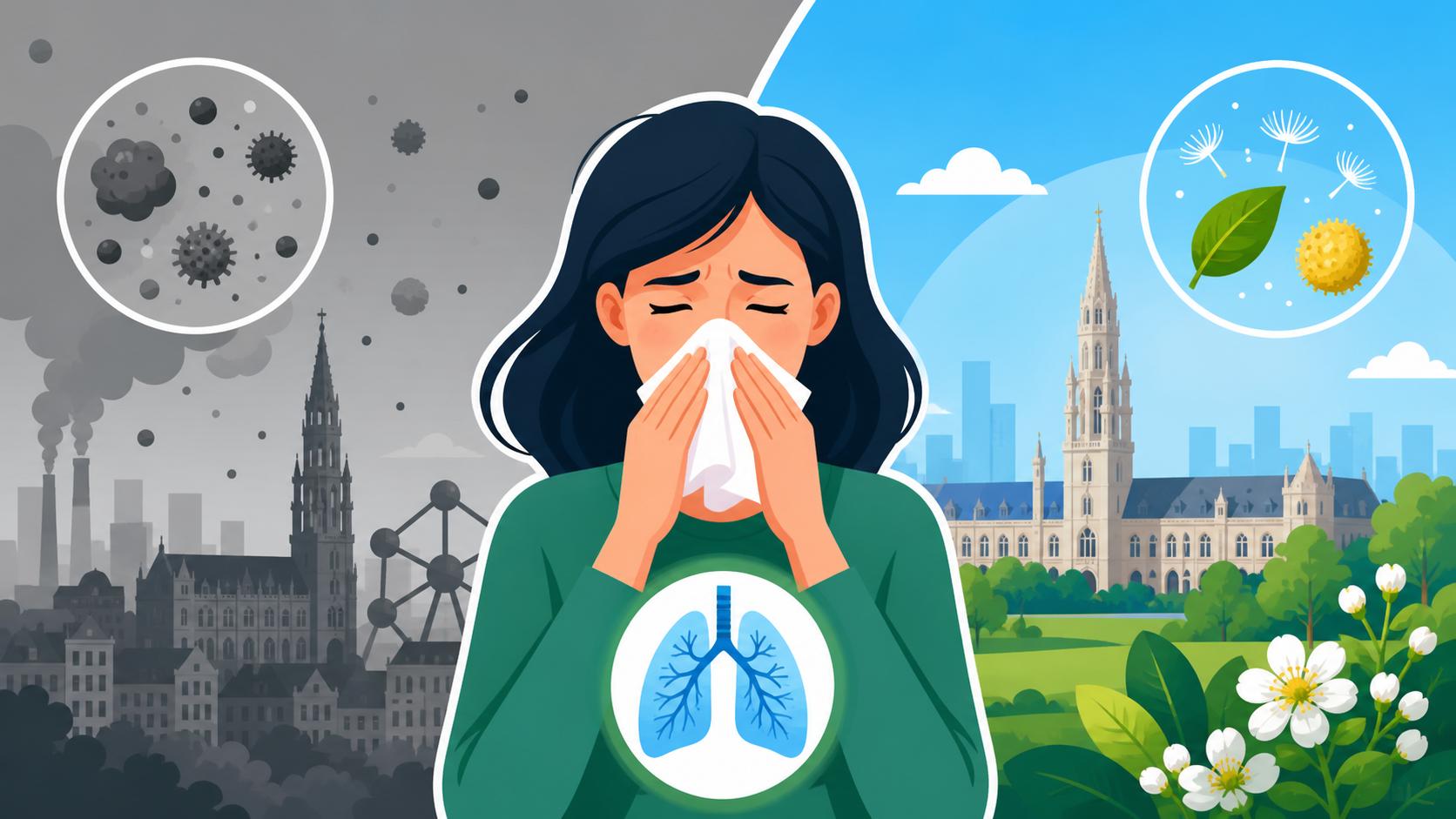
Brussels is a city of incredible charm, but the reality of its narrow, high-walled streets often means that traffic fumes and seasonal pollen become trapped in a "canyon effect" that can wreak havoc on your lungs. I remember my first spring in Etterbeek, constantly wondering why I had a persistent "cold" that never seemed to vanish until a local colleague pointed out the thick layer of yellow dust on the cars. This guide provides a comprehensive roadmap for managing air quality concerns, navigating the Belgian medical system for respiratory care, and finding the right local resources to help you breathe easier in the capital.
Understanding the Brussels Air Quality Landscape
Living in Brussels means balancing the beauty of the Sonian Forest with the reality of being a major European transit hub. The city’s geography and dense urban planning create unique challenges for those with sensitive respiratory systems. If you are new here, you might notice that your symptoms fluctuate wildly depending on which commune you live in or even which floor your apartment is on.
The Impact of Traffic and the Low Emission Zone
The most significant contributor to poor air quality in Brussels is nitrogen dioxide (NO2) and particulate matter (PM2.5) from vehicle emissions. While the city has implemented a Low Emission Zone (LEZ) that progressively bans older, more polluting diesel and petrol vehicles, the sheer volume of traffic during the morning and evening "spits" remains high. If you live near the inner ring road (the Petite Ceinture) or major arteries like Rue de la Loi, you are likely exposed to higher concentrations of pollutants.
I’ve spent many afternoons scrubbed soot off my windowsills in Ixelles, a vivid reminder of what we are breathing in. For expats, this isn't just a nuisance; it can lead to the development of adult-onset asthma or the worsening of existing conditions. It is vital to consult a Brussels Healthcare Guide for Expats: Clinics, Hospitals, and Care so you know which facilities are best equipped to handle environmental health concerns. The city is working hard to improve things with the "Good Move" mobility plan, but the transition is slow, and your health cannot wait for urban planning to catch up.
Seasonal Fluctuations: Why Winter and Spring Are Tough
Brussels experiences two distinct "difficult" seasons for respiratory sufferers. In the winter, "smog" events occur during periods of thermal inversion—when cold air is trapped near the ground by a layer of warmer air above. This traps wood smoke from fireplaces and car exhaust at lung level. You’ll often see warnings on the news advising against intense physical exercise outdoors during these days.
Spring, conversely, brings the pollen onslaught. Belgium is incredibly green, which is a blessing until the birch, oak, and grass pollens begin their cycle. The city’s many parks, while beautiful, become "pollen bombs" for allergy sufferers. If you are struggling with these seasonal shifts, you might consider looking into Finding Medical Care in Belgium: GPs, Specialists, and Hospitals to get a formal allergy test. Understanding exactly which trees are triggering your sneezing fits is the first step toward effective management.
Navigating the Belgian Medical System for Respiratory Issues
When your throat starts to feel like it’s filled with sandpaper or your chest feels tight after a walk through Parc du Cinquantenaire, you need to engage with the local healthcare system. It can feel bureaucratic, but the quality of care in Belgium is actually world-class once you know how to access it.
Your First Step: Finding a GP in Brussels
In Belgium, your General Practitioner (GP) is the gatekeeper to all other care. You do not strictly need a referral to see a specialist, but it is highly recommended for both medical continuity and financial reasons. When you are Choosing Your First GP (General Practitioner) in Belgium, try to find one who is "conventioned." This means they adhere to the official state-negotiated rates, ensuring your out-of-pocket costs are minimized.
During your first visit, make sure to ask about The Global Medical Record (DMG/GMD): Why You Need It for Better Refunds. By having your GP manage this electronic file, you receive a higher reimbursement rate from your mutuelle for your consultations. A good GP will help you determine if your symptoms are purely environmental or if you require long-term maintenance medication. For expats who prefer international standards or need coverage that follows them across borders, having a policy with Cigna Global can provide an extra layer of security, especially if you require private rooms or specialized treatments not fully covered by the public system.
Specialist Care: Seeing an Allergist or Pulmonologist
If your GP suspects that urban air quality is causing more than just a passing irritation, they will likely suggest seeing a specialist. A pulmonologist (pneumologue) will look at your lung function, while an allergist will help identify specific triggers. You might be wondering, Seeing Specialists in Belgium: Do You Need a GP Referral First? Technically, no, you can book a specialist directly via platforms like Doctena or Rosa. However, without a GP referral, your mutuelle might reimburse slightly less, and the specialist won't have your full medical history from your DMG.
In Brussels, many specialists work out of large hospital clusters like Cliniques Universitaires Saint-Luc or the CHU Brugmann. These centers have dedicated environment-health units that study the impact of city pollution on residents. When you attend these appointments, be prepared to discuss your housing situation—such as whether you live near a construction site or a busy intersection—as this helps them tailor your treatment plan.
Practical Strategies for Managing Allergies in the City
Beyond medical intervention, managing the impact of Brussels' air requires a proactive lifestyle approach. I’ve learned the hard way that leaving the windows open all day in a city center apartment is an invitation for dust and pollen to settle into every fabric of your life.
Monitoring Air Quality and Pollen Counts
Knowledge is power. The Belgian Interregional Environment Agency (CELINE) provides real-time air quality data. I highly recommend downloading an app that tracks the "Bel AQI" (Belgian Air Quality Index). On days when the index is high, especially for ozone in the summer or particulates in the winter, it is best to keep your windows closed and avoid jogging along the Canal.
For pollen, the Sciensano website (AirAllergy.be) is the gold standard. They have monitoring stations across the country, including one in the heart of Brussels. When the birch pollen count is in the red zone, I usually start my antihistamine regimen a few days early. You can find many supportive supplements and over-the-counter nasal rinses on iHerb, which is a favorite among expats for sourcing specific brands of natural allergy relief that might not be on the shelves of your local Belgian pharmacy.
Home and Lifestyle Adjustments
Your home should be your sanctuary. In older Brussels apartments, high ceilings and decorative moldings can trap dust and mold spores, which are exacerbated by the city's infamous humidity. Using a HEPA-filter air purifier is almost a necessity if you live in a high-traffic area.
| Strategy | Action Step | Frequency |
|---|---|---|
| Ventilation | Open windows only between 2:00 AM and 6:00 AM when traffic is lowest. | Daily |
| Cleaning | Use a vacuum with a HEPA filter and damp-dust all surfaces. | Twice Weekly |
| Hydration | Use saline nasal sprays to wash out pollutants and pollen. | Morning & Evening |
| Laundry | Avoid drying clothes outside during peak pollen seasons (March–June). | Seasonal |
| Commuting | Use a mask or choose "slow streets" away from major car tunnels. | Daily |
If you are struggling with the mental toll of chronic respiratory issues—which can feel incredibly isolating when everyone else is out enjoying the terraces—don't forget that Mental Health in Belgium: Therapy, Psychiatry, and Expat Support is available. Chronic illness, even "just" allergies, can lead to significant fatigue and burnout.
Medication and Support Systems in Belgium
The way medication is handled in Belgium might be different from your home country. For example, you cannot just pick up high-dose antihistamines or asthma inhalers in a supermarket; everything goes through the pharmacy.
Pharmacies and Over-the-Counter Options
When you visit Pharmacies (Apotheek/Pharmacie) in Belgium: Operating Hours and Services, you will find the pharmacists are highly trained and often act as a first line of medical advice. They can recommend effective over-the-counter (OTC) sprays and drops. However, for anything stronger, you will need a prescription from your GP.
One thing that often surprises expats is the reimbursement system. If your doctor prescribes an allergy medication, a large portion of the cost is often covered directly at the pharmacy (the "tiers-payant" system), or you will pay upfront and receive a refund later. Understanding the 75% Reimbursement System for Medical Consultations and medications will help you budget for your health. For those with complex needs or chronic asthma, Cigna Global can be particularly helpful, as they often cover specialized medications or brand-name drugs that the Belgian state system might not fully subsidize.
Creating a Long-Term Health Plan
If your respiratory issues are chronic, you shouldn't just treat the symptoms as they arise. Work with your GP to create an "Action Plan." This includes knowing when to increase your preventative inhaler dose and when to stay indoors. In Belgium, there is a strong emphasis on "preventative medicine," and your mutuelle might even offer small rebates for things like gym memberships or sports club fees to help keep your cardiovascular system strong.
Don't ignore the importance of high-quality supplements. Many expats find that the local selection in Brussels can be limited or quite expensive. I often turn to iHerb for Vitamin D (essential during the grey Belgian winters) and Quercetin or Bromelain, which many find helpful for natural allergy management. Combining these lifestyle choices with the robust Belgian medical infrastructure is the most effective way to thrive in the city.
Managing the Financial Side of Health
The cost of managing allergies and respiratory issues can add up, between specialist visits, lung function tests, and monthly prescriptions. Fortunately, the Belgian system is designed to prevent these costs from becoming a burden, provided you are properly registered.
If you are an employee, your social security contributions are deducted automatically, but you must choose a mutuelle to handle your claims. If you are a freelancer or an expat on a specific visa, you might need to take extra steps to ensure your coverage is active. Being aware of how the system works ensures you don't get stuck with a large hospital bill after an emergency asthma flare-up.
It is also worth noting that if you have a private policy like Cigna Global, they often handle the paperwork in English, which can be a massive relief when you are struggling to understand a Dutch or French medical invoice. They can work alongside your Belgian mutuelle to fill the gaps, ensuring that your focus remains on breathing clearly and enjoying your life in this beautiful, albeit sometimes dusty, European capital.
Disclaimer
This guide is for informational purposes only and does not constitute professional medical advice. Always consult with a qualified healthcare provider in Belgium regarding any respiratory symptoms or before starting new medications or supplements.