What to Look for During the État des Lieux (Inventory) Walkthrough
Moving into a new Belgian apartment can feel like a triumph after weeks of scrolling through Immoweb, but the real test is the inventory walkthrough. I once lost nearly half my deposit because I didn't notice a cracked tile hidden under a radiator during my first move in Etterbeek. This guide ensures you spot every hidden flaw so you don't pay for the previous tenant's mistakes.
Understanding the Legal Importance of the Etat des Lieux
In Belgium, the état des lieux (inventory of fixtures) is not just a casual walk-through with a landlord; it is a legally binding document that serves as the baseline for your entire tenancy. Whether you found your place through a platform like HousingAnywhere or a local agency, this document is what the landlord will use to compare the state of the property when you eventually move out. If a scratch, dent, or broken seal isn't in the move-in report, the law assumes it happened during your stay, and you will be billed for it.
Most professional rentals in Brussels and Flanders use an independent expert (expert immobilier). While it might feel frustrating to pay for half of this expert’s fee—usually ranging from €150 to €300 total, split between you and the landlord—it is actually your best protection. A neutral expert is far more likely to note the tiny details that a landlord might "forget" to mention. This process is deeply tied to the rules found in The Brussels Housing Code (BHC): Rights and Duties of Tenants, which dictates that an inventory must be "detailed" rather than a generic statement that the place is in "good condition."
If you are renting one of the many Apartment Types: Kots, Studios, and Unfurnished Rental Norms available in student cities like Leuven or Ghent, the landlord might suggest a "friendly" inventory without an expert. While this saves money upfront, I strongly advise against it unless you are prepared to be extremely assertive. If you do go the DIY route, ensure the document is signed, dated, and includes a phrase stating that you have 15 days to report any "hidden" defects discovered after moving in.
Essential Tools and Preparation for the Walkthrough
Before you even step foot in the apartment for the inspection, you need to be prepared. Do not rely on the landlord or the expert to provide the light or the tools necessary to see the truth of the property’s condition. I always recommend bringing a high-powered flashlight. Belgian apartments, especially older ones in areas like Saint-Gilles or Schaerbeek, can have dim lighting or shutters that haven't been opened in weeks. You need to see into the back of cupboards and behind radiators where mold often hides.
While you are waiting for your fiber internet to be installed, you should have a reliable data connection to research common issues or upload photos immediately to a cloud drive. Using a travel eSIM from Airalo can be a lifesaver during those first few days when you are between home and your new Belgian life. Additionally, I suggest bringing a small plug-in device—a simple phone charger works—to test every single electrical outlet. It is a common "hidden" defect in older Belgian renovations that half the outlets in a room aren't actually wired.
If you find you are missing basic supplies like a measuring tape or a spirit level to check if the "newly installed" kitchen counters are actually level, you can have them delivered quickly via Amazon Belgium. Being over-prepared sends a signal to the expert and the landlord that you are a diligent tenant who knows their rights. This often leads to a more thorough and honest report because they realize they cannot skip over the small stuff with you.
The Room-by-Room Inspection Checklist
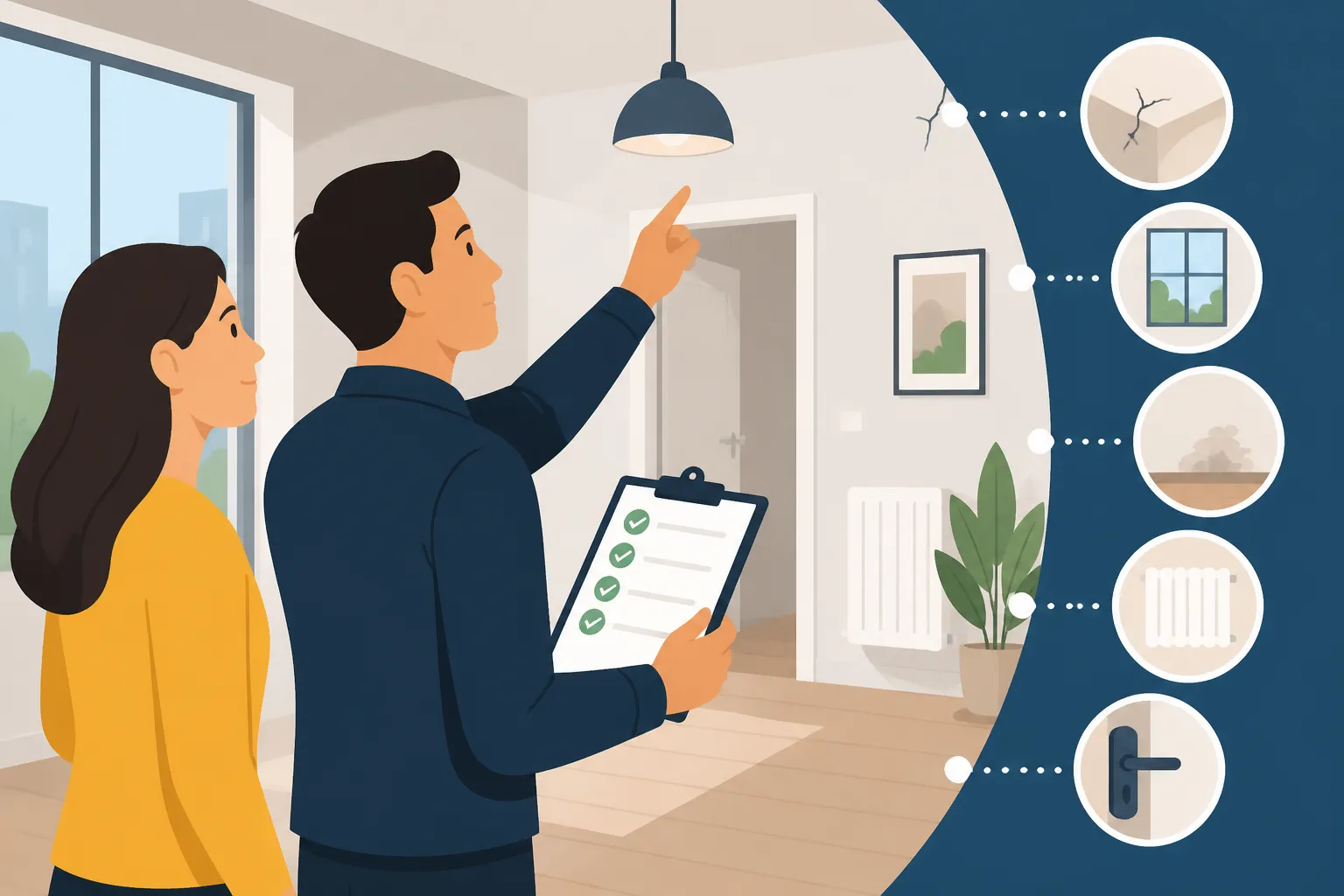
When the walkthrough begins, do not let the expert rush you. They are often on a tight schedule, but this is your deposit on the line. Start from the entrance and work your way through systematically. Every scratch on the parquet and every smudge on the wall needs to be noted. In Belgium, "wear and tear" is a legal concept, but its definition is often at the center of deposit disputes.
Floors and Walls
Belgian apartments are famous for beautiful, yet fragile, original parquet floors. Look for water stains near windows and radiators. If the wood is buckling or has dark spots, it indicates a leak that could get worse in winter. For walls, look for "ghosting"—dark patches above radiators that indicate poor insulation or old heating systems. Note the exact number of holes in the walls. If the previous tenant left 20 rawlplugs in the wall and the report says "walls in good condition," you might be charged for "repainting" when you leave.
Windows and Ventilation
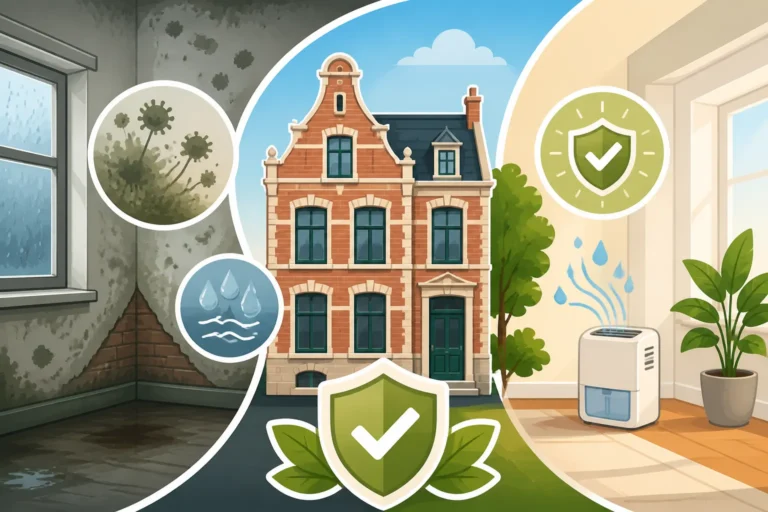
Check the seals on all windows. In the Belgian climate, moisture is your enemy. Open and close every window to ensure the mechanism isn't jammed. Look specifically for black mold spots on the silicone sealant. If mold is present during the état des lieux, it is the landlord's responsibility to treat it. If it appears later and isn't in the report, it becomes your problem. This is a critical part of the Utilities and Home Setup: Electricity, Water, Gas, and Internet phase, as poor windows lead to astronomical heating bills.
The Kitchen and Appliances
In many "unfurnished" Belgian rentals, the kitchen might be your biggest liability. If appliances are included, turn them all on.
- The Oven: Check if it’s greasy. If you don't note it’s dirty now, you'll be charged a professional cleaning fee later.
- The Fridge: Check the rubber seals and look for cracks in the plastic drawers.
- The Dishwasher: Look at the bottom filter. If it's clogged with lime scale (very common in Brussels' hard water), note it.
| Feature | What to Check | Potential Cost if Missed |
|---|---|---|
| Parquet Floors | Scratches, water stains, buckling | €200 – €1,000+ |
| Wall Paint | Scuffs, holes, "ghosting" from heaters | €150 per room |
| Window Seals | Mold, drafts, broken handles | €100 – €300 |
| Kitchen Appliances | Cleanliness, working order, lime scale | €50 – €250 |
| Bathroom Tiles | Cracks, moldy grout, loose fixtures | €100 – €500 |
Plumbing, Heating, and Technical Details
The technical side of the inventory is where most expats get tripped up. You must verify the state of the heating system. In Belgium, Boiler Maintenance (Entretien Chaudière): Tenant Duty in Belgium is a strict requirement. Ask for the last maintenance certificate. If the boiler hasn't been serviced in the last two years, it must be noted in the inventory that the landlord needs to provide a fresh certificate before your first winter.
Check the water pressure in the shower and the speed of the drains. Hard water is a major issue in most of Belgium, leading to clogged pipes and ruined showerheads. If the chrome is already pitted with lime scale, ensure it is written down. If you don't, the landlord might claim you never cleaned it. This is also the time to record your meter readings. Ensure the expert records the numbers for water, gas, and electricity correctly. If there is a Standard vs Bi-Hourly Electricity Meters: Day and Night Tariffs setup, make sure both readings are captured to avoid paying for the previous tenant’s late-night laundry sessions.
Documenting the Findings and Signing
Once the walkthrough is complete, the expert will usually compile a digital report. You will likely receive this via email a few days later for a digital signature. Do not just scroll to the bottom and sign. Read every line. If you noticed a crack in the bathroom mirror but it’s not in the text, ask for it to be added. You have a legal right to a "contradictory" inventory, meaning both parties must agree on the content.
Take your own photos—hundreds of them. I recommend taking a video walkthrough of the entire apartment as well. Store these photos in a folder labeled with the date and the address. This is especially important for the Registering Your Lease (Enregistrement du Bail): Whose Responsibility?, as the inventory is often registered alongside the lease at the FPS Finance. If the lease is registered but the inventory isn't, it can create a legal gray area regarding the condition of the property.
Handling the Rental Deposit Security
The inventory is the "lock" on your rental deposit. In Belgium, you should never pay a deposit in cash or via a direct transfer to a landlord’s personal account. It should be placed in a blocked account or through the government's e-DEPO system. Understanding the Rental Deposits in Belgium: e-DEPO vs Blocked Bank Accounts options is vital. If the inventory report is poorly done, getting that money back becomes a nightmare.
If you find yourself in a situation where the landlord is being difficult about the inventory, remember that The e-DEPO System: How to Deposit Your Rent Guarantee for Free provides a neutral ground for the financial side of things. However, the money only gets released when both parties sign off on the end-of-tenancy state compared to this initial move-in report.
Post-Walkthrough: The 15-Day Rule
Even the most thorough expert can miss things. Maybe the heating doesn't actually work when it’s truly cold, or a drain is blocked deep in the pipes. In Belgium, you generally have a "grace period" (usually 15 days, but check your contract) to report any "hidden" defects that weren't apparent during the initial walkthrough.
As soon as you move in, test everything again. Use the shower, cook a full meal, and open the shutters several times. If you find something new, send a registered letter (recommandé) or at the very least a formal email with photos to the landlord and the expert. Ask for this to be attached as an addendum to the état des lieux. This prevents the "you should have seen it during the walkthrough" argument later on. This is a common part of the Renting in Belgium: Apartments, Contracts, and Tenant Rights (2027) experience, and seasoned landlords will expect it from a professional tenant.
Lastly, keep an eye on the Indexation of Rent: How Landlords Legally Increase Rent Annually during your stay. While the inventory protects your deposit, your monthly costs are tied to the health index. Keeping a pristine apartment, backed by a perfect move-in inventory, gives you much more leverage if you ever need to negotiate or dispute an unfair increase or a repair request.
Disclaimer
The information provided in this guide is for educational and informational purposes only and does not constitute legal advice. Belgian rental laws can vary by region (Brussels, Flanders, and Wallonia) and are subject to frequent updates. Always consult with a qualified legal professional or a tenant association such as the Syndicat des Locataires or Huurdersbond before signing any binding documents or entering into a legal dispute.