Grocery Shopping: Aldi and Lidl vs Delhaize for Expat Budgets
The first time I stood at a Delhaize checkout in Brussels, my jaw nearly hit the floor as the total climbed past eighty euros for what looked like three meager bags of basics. I had only been in the country five days, and I quickly realized that if I didn't learn the local grocery hierarchy, my savings would vanish before I even finished my first pack of speculoos. This guide deciphers the Belgian supermarket scene so you can eat well without overpaying.
The Belgian Supermarket Landscape: Who is Who?
Navigating Belgian grocery stores is less about finding "the one" store and more about understanding which shop serves which purpose. In your home country, you might be used to a one-stop-shop model where a single hypermarket provides everything from cheap milk to gourmet olives. In Belgium, the market is highly segmented by price, quality, and convenience. If you are just starting your journey and looking for apartments via HousingAnywhere, you will notice that the proximity to a specific brand of supermarket can actually influence the rental price of a neighborhood.
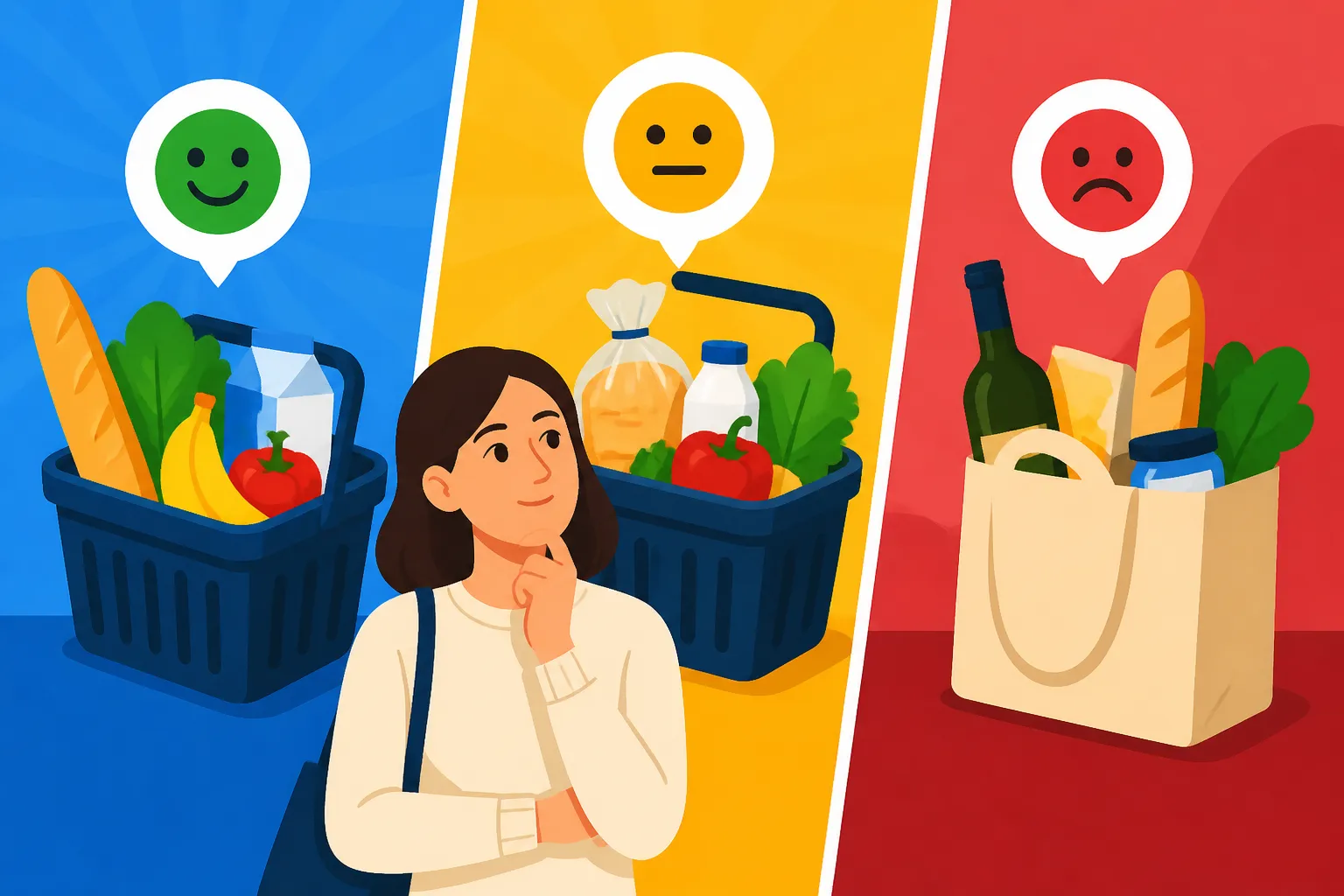
Delhaize is often seen as the "premium" choice for the average resident. It prides itself on a pleasant shopping experience, wide aisles, and a heavy focus on "Bio" (organic) products and international cuisines. It is the place you go when you want a specific type of kale, a high-quality cut of meat, or that one specific brand of imported cookies. However, that experience comes with a price tag that can be 20% to 30% higher than the discount alternatives.
On the other end of the spectrum, you have the German giants: Aldi and Lidl. For decades, these were seen as the "budget" options for people on tight schedules, but they have evolved into powerhouse retailers that offer surprising quality. They operate on a high-efficiency, low-frills model. You won't find twenty types of olive oil here; you’ll find two. But those two will likely be half the price of the cheapest option at Delhaize. Understanding this balance is the key to mastering the Cost of Living in Belgium 2026: Singles, Couples, and Families.
The Delhaize Experience: Quality vs Cost
Delhaize is a Belgian institution, and while it is more expensive, it offers things that Aldi and Lidl simply cannot match. For an expat, the biggest draw is usually the selection of international products. If you are craving a specific spice or a non-European vegetable, Delhaize is your best bet among the mainstream chains. They also have a tiered pricing system within their own brand: the "365" label is their entry-level budget line, while the "Delhaize" branded items are mid-to-high quality.
The layout of a Delhaize is designed for "inspiration." You will find pre-cut salad bowls, an impressive bakery section with fresh sourdough, and a wine aisle that rivals some specialized shops. It is also worth noting that many Delhaize locations are franchised (Proxy Delhaize or AD Delhaize), which means they are often open on Sundays or late into the evening. This convenience is a lifesaver, but be warned: the prices in these smaller "Proxy" stores are often even higher than in the larger supermarkets.
Aldi and Lidl: The Efficiency Kings
Aldi and Lidl in Belgium have undergone a massive transformation. Gone are the days when everything was sold out of cardboard boxes on the floor. Today, they offer some of the best fresh produce in the country. Lidl, in particular, has won awards for its fruit and vegetable selection. The trade-off is the lack of brand variety. You are buying "Lidl’s brand" of Greek yogurt, not choosing between five different dairy companies.
For an expat trying to stick to a budget, these stores should be your primary destination for staples. Flour, sugar, pasta, milk, cleaning supplies, and frozen goods are significantly cheaper here. The shopping experience is faster, though perhaps more chaotic. The cashiers are famously quick—there is no time for small talk, and you are expected to pack your bags at a separate counter after paying. If you are still setting up your digital life and using Airalo to stay connected while navigating the city, you’ll find that these stores often have their own apps with digital coupons that can shave even more off your bill.
Comparing Costs: A Detailed Breakdown
To really understand the impact on your wallet, we need to look at how these stores handle different categories. It is easy to say one is cheaper, but the reality is more nuanced. You might find that buying your cleaning supplies at Amazon Belgium and your fresh food at a mix of these stores is the most efficient way to manage your household.
| Category | Aldi / Lidl | Delhaize | Best Strategy |
|---|---|---|---|
| Fresh Produce | Excellent price, limited variety. | High price, exotic variety. | Buy basics at Lidl, specialty at Delhaize. |
| Bakery | Good "bake-off" style bread. | High-quality artisanal loaves. | Aldi for daily toast; Delhaize for weekend brunch. |
| Pantry Staples | Unbeatable prices on private labels. | Expensive, but carries top brands. | Stick to Aldi/Lidl for pasta, rice, and oil. |
| Meat & Fish | Pre-packaged, standard cuts. | Butcher counters, organic options. | Delhaize for quality; Lidl for budget chicken/mince. |
| International | Almost non-existent. | Large dedicated sections. | Delhaize or specialized ethnic markets. |
| Cleaning/Toiletries | Basic and very cheap. | High-end brands and "green" options. | Buy in bulk online or at Aldi. |
When to Splurge at Delhaize
There are certain items where the "budget" version simply doesn't cut it. In my experience, if you are hosting a dinner party or looking for specific dietary replacements (like high-end vegan cheeses or gluten-free specialty flours), Delhaize is the place. Their "Bio" range is also much more extensive. If you are passionate about animal welfare or sustainable farming, you will find more transparency and variety in the Delhaize aisles.
Furthermore, the wine and beer selection at Delhaize is a great way to explore Belgian culture. While Aldi has a few decent "mystery" wines, Delhaize stocks recognized labels and local craft beers that you won't find in the discounters. If you are trying to learn The 'Friterie/Frituur' Etiquette: Ordering Fries Like a Local and want to pair your home-cooked meals with a proper Belgian Abbey ale, the extra few euros at Delhaize are usually worth it.
The Power of the "Lidl Middle"
Lidl occupies a unique space in Belgium. It is cheaper than Delhaize but feels slightly more "premium" than Aldi. They frequently run "themed weeks" where they bring in Italian, Greek, or Spanish products at incredible prices. This is a secret weapon for expats. During "Italian Week," you can stock up on high-quality balsamic vinegar and specialty pasta for a fraction of the usual cost.
I personally recommend Lidl for your weekly fruit and vegetable "haul." The turnover is so high that the produce is often fresher than what sits in the refrigerated bins of more expensive stores. Just remember to bring your own bags—a rule that applies across all Belgian stores but is strictly enforced by the lack of free options at the discounters. Familiarizing yourself with Everyday Rules in Belgium: Garbage Sorting, Noise, and Etiquette will help you understand why reducing plastic bag waste is such a big deal here.
Maximizing Your Budget with Expat-Friendly Tips
Managing a grocery budget in Belgium requires a bit of strategy beyond just picking the right store. The "Expat Tax"—the tendency to buy familiar, imported brands—is the fastest way to drain your account. Learning to embrace local substitutes is essential.
Loyalty Cards and Digital Tools
Every major Belgian supermarket has a loyalty program. Delhaize has the "Superplus" card, which offers significant discounts (up to 15%) on products with a high "Nutri-Score" (healthy items). If you do a lot of fresh shopping, this card pays for itself in a single week. Aldi and Lidl have moved toward app-based coupons. Before you head out, check the apps for "Buy 1 Get 1 Free" deals on non-perishables.
You should also look into Essential Belgian Apps to Download: SNCB, Itsme, Payconiq, and TooGoodToGo. The TooGoodToGo app is particularly popular in Belgian cities. It allows you to buy "surprise bags" of unsold food from supermarkets (including Delhaize) at the end of the day for about one-third of the retail price. It is a fantastic way to get high-end bakery items or pre-made meals on a student or expat budget.
Avoiding the "Expat Tax" on International Goods
It is tempting to look for the exact brand of peanut butter or cereal you had back home. In Belgium, these are often sold in the "World Food" aisle of Delhaize or Carrefour at a massive markup. Before you buy, check if there is a local equivalent. Belgian private labels like "Everyday" (found at Colruyt) or "365" (at Delhaize) are often produced by the same manufacturers as the big brands but sold for half the price.
If you truly cannot live without certain international items, consider Finding Asian, Halal, and Kosher Supermarkets in Major Cities. These specialized stores often have better prices on bulk rice, spices, and lentils than any mainstream supermarket. For non-food household items, I have found that Amazon Belgium often beats the prices of local supermarkets for things like dishwasher tabs, large packs of toilet paper, and specialty cleaning supplies.
Practical Logistics for Your First Shop
The first time you go shopping in Belgium, you might encounter a few "cultural hurdles" that can be frustrating if you aren't prepared. Belgian supermarkets are efficient, but they assume the customer knows the rules.
Bags, Coins, and Closing Times
First, always carry a 1-euro or 2-euro coin. You will need this to unlock the shopping cart (trolley). You get the coin back when you return the cart, but without it, you'll be carrying everything in your arms. Second, as mentioned, bags are not free. Most locals bring sturdy, reusable bags or even foldable crates.
Perhaps the biggest shock for new arrivals is the closing times. Most large supermarkets close at 8:00 PM on weekdays and are completely closed on Sundays. If you find yourself out of milk on a Sunday morning, you will need to find a "Proxy" or "Express" store, which are often smaller and more expensive. Planning your shopping around Public Holidays in Belgium: Planning Errands When Stores Are Closed is a skill you will need to master quickly.
Handling the "Vidange" (Bottle Deposits)
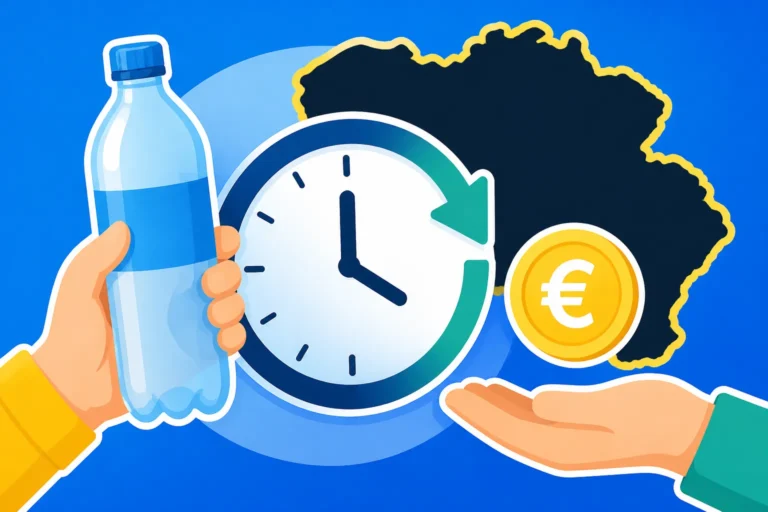
Belgium has an excellent recycling system for glass and certain plastic bottles. When you buy a crate of beer or certain glass water bottles, you pay a small deposit (vidange). You’ll see a separate line on your receipt for this. To get your money back, you must return the empty bottles to the automated machines at the front of the store. The machine will spit out a voucher that you can use to deduct money from your next grocery bill. This is why you see so many Belgians wheeling crates of empty bottles into the store—it’s not just about recycling; it’s about getting their money back!
Payments and Etiquette
While most stores now accept international credit cards, some smaller independent grocers still prefer "Bancontact" (the local debit system). Having your payment apps ready, or using Payconiq which is integrated into most Belgian banking apps, will make your life much easier. At the checkout, it is polite to give a quick "Bonjour" or "Goeiedag" to the cashier. Tipping is not expected in supermarkets, as explained in our guide on Tipping Culture in Belgium: Restaurants, Cafes, and Deliveries.
If you are living in a multi-story apartment building, consider the logistics of getting your groceries home. Many expats find that doing one large "heavy" shop via a delivery service and supplement with fresh trips to Aldi or Lidl is the best way to save their back and their wallet. Just be aware that delivery slots can fill up days in advance, especially during rainy weeks when nobody wants to go outside.
Disclaimer
The information provided in this guide is based on personal experience and market conditions as of 2026. Grocery prices and store policies in Belgium can change due to inflation, regional regulations, and supply chain shifts. Always check local store flyers and apps for the most current pricing and opening hours. This content is for informational purposes only and does not constitute financial advice.