Avoiding Phishing Scams Targeting Itsme and Bancontact Users
Navigating the Belgian financial landscape is stressful enough without the constant threat of sophisticated itsme and Bancontact phishing scams landing in your inbox. I remember nearly falling for a fake security update text while standing in line at the Brussels commune, exhausted by paperwork and sleep-deprived. This guide breaks down how to spot these frauds and protect your Belgian accounts.
The Psychology of the Belgian Scam Why Expats Fall for It
The reason phishing scams are so effective in Belgium, especially against the expat community, is that they leverage the very tools we rely on for survival. When you first arrive, everyone tells you that you cannot function without Itsme. It is the keys to the kingdom, used for everything from signing your lease to accessing your Taxes in Belgium for Expats: Personal Income Tax System 2026. Because we are conditioned to believe that an Itsme notification is urgent and official, our "scam radar" often dips.
Furthermore, the multilingual nature of Belgium adds a layer of confusion. As an expat, you might still be navigating the nuances of French or Dutch. When you receive a text in Dutch saying your "account needs verification" or a French email about a "blocked Bancontact card," your brain often focuses on the urgency rather than the linguistic red flags. Scammers know that foreigners are often overwhelmed by the local bureaucracy and use that sense of "I must comply with the rules" to trick us into clicking malicious links.
I have seen even the most tech-savvy professionals fall for these because the timing was too perfect. Maybe you just finished Opening a Belgian Bank Account: Documents Needed and Roadblocks and you are expecting a confirmation. Suddenly, a text arrives. It feels like a logical next step in the administrative chain. Understanding that these scams are designed to mirror your actual life in Belgium is the first step in staying protected.
Spotting the Red Flags Real World Examples of itsme and Bancontact Fraud
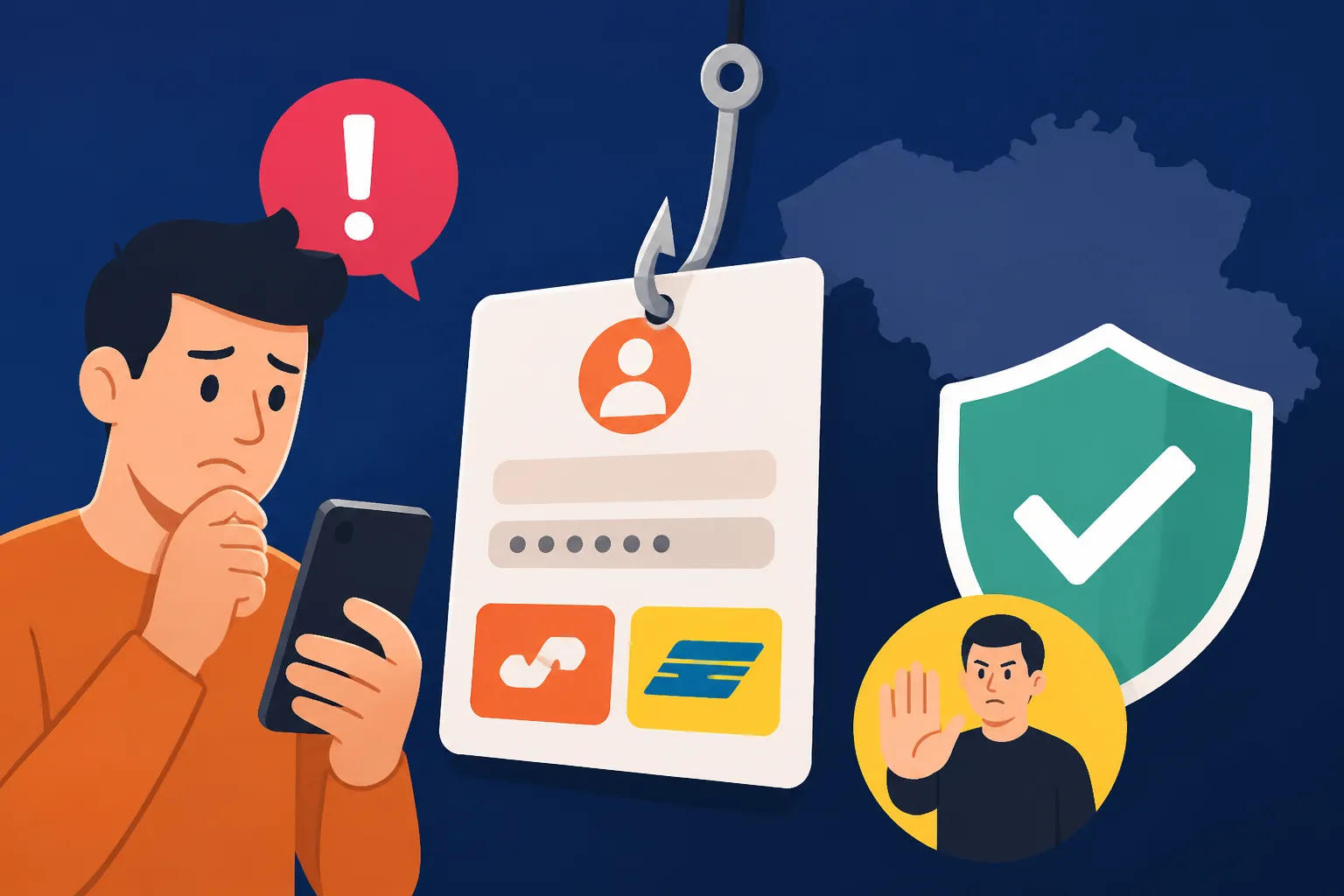
Phishing in Belgium usually follows a predictable pattern, but the "skin" of the scam changes frequently. One of the most common tactics involves a fake SMS—often called "smishing"—purporting to be from itsme. The message will typically claim that your digital ID has expired or that a "security breach" was detected. It will always include a link that looks vaguely official, perhaps containing keywords like "belgium-id" or "verify-itsme."
Bancontact scams are equally pervasive. These often target the Bancontact and Payconiq: The Backbone of Belgian Payments system that we use for daily groceries and online shopping. You might receive an email stating that a large transaction was blocked and you need to "log in to your bank" to authorize or cancel it. The link provided leads to a perfectly cloned landing page of KBC, BNP Paribas Fortis, Belfius, and ING. Once you enter your card details and PIN, the scammers have everything they need to drain your account in seconds.
Another rising trend is the "second-hand market" scam on platforms like Facebook Marketplace or 2dehands.be. A buyer will ask to pay via a Payconiq QR code but will send you a link to "verify your account" first. This is a classic trap. Real payment apps like Wise or the official Payconiq app will never require you to "verify" your identity through a link sent by a stranger in a chat window. If you are using platforms like Binance to manage crypto assets, be even more cautious; scammers often bridge the gap between traditional Belgian bank theft and crypto-wallet draining.
Comparing Official Communication vs Scam Indicators
| Feature | Official Communication | Phishing/Scam Attempt |
|---|---|---|
| Sender ID | Often a short code or "itsme" (but can be spoofed) | Generic mobile numbers or international prefixes |
| Language | Matches your chosen language in the app | Often contains slight grammatical errors or odd phrasing |
| Links | Almost never sends direct login links via SMS | Always includes a link to a "verification" page |
| Urgency | Provides a deadline but doesn't threaten immediate "deletion" | Uses high-pressure tactics like "Account will be deleted in 2 hours" |
| Request for Info | Will never ask for your PIN or bank card number | Asks for your card number, CVV, and PIN on a web form |
The Golden Rules of Digital Hygiene in Belgium
To stay safe, you need to adopt a "zero-trust" policy regarding your Belgian digital identity. First and foremost, remember that itsme is an app-based system. If there is a legitimate issue with your identity profile, the app itself will notify you once you open it securely. You should never, under any circumstances, click a link in an SMS to log into itsme. Always go directly to the app on your phone or type the official website address into your browser manually. This simple habit would prevent 99% of successful phishing attacks.
When dealing with Banking and Finance in Belgium: Complete Expat Guide (2027), make sure you have two-factor authentication (2FA) enabled on everything, not just itsme. While traditional banks have strong security, using modern fintech tools like Trade Republic or Wise can actually offer more granular control over your card security, such as the ability to "freeze" cards instantly from the app if you suspect you've been targeted. If you are managing your finances and find the Cost of Living in Belgium 2026: Budgeting for Cities and Families is tight, the last thing you need is a drained bank account due to a momentary lapse in judgment.
Another vital tip is to check the URL of any site asking for your credentials. Scammers are masters of "typosquatting." They might use "itsme-belgie.be" instead of the official "itsme-id.com" or "itsme.be." If you are on a laptop, hover your mouse over the link before clicking to see the actual destination. If it looks like a string of random characters or points to a non-Belgian domain (like .cc or .ru), close the tab immediately.
Emergency Response What to Do if Your Security is Compromised
If you realize you have just entered your details into a fake site, every second counts. The very first thing you must do is call Card Stop at 078 170 170. This is a centralized Belgian service that works 24/7 to block your bank cards, regardless of which bank you use. Do not wait to call your specific branch; Card Stop is faster and can prevent further unauthorized transactions. I have had friends who waited thirty minutes to find their bank's customer service number, only to lose hundreds of Euros in that window.
Next, you need to contact your bank directly. Even if your cards are blocked, the scammers may have access to your online banking portal via your itsme credentials. Your bank needs to freeze your entire digital access. If you have linked other accounts, such as your Online and Neobanks in Belgium: Keytrade, Argenta, and Revolut profiles, or if you use Binance for investments, change those passwords immediately from a clean, secure device. Scammers often use one "win" to pivot into all your other financial accounts.
Finally, report the incident to the authorities. While the local police may not be able to "catch" a digital hacker instantly, filing a report is often a prerequisite for your bank's insurance to reimburse the stolen funds. You should also forward the scam email or SMS to report@safeonweb.be. This is a government-backed initiative that works to take down fraudulent websites. By reporting the scam, you are helping the next expat who might be struggling with their Social Security in Belgium: Employer and Employee Contributions paperwork and doesn't have the mental energy to spot a fake itsme message.
Understanding the Role of itsme in Your Daily Life
As you get settled, you will realize that Itsme Authentication: How to Set Up Belgium's Vital Digital ID is not just for banking. It is how you access your medical records, check your pension status, and even sign up for a gym membership. This ubiquity is exactly why it is the crown jewel for hackers. They aren't just looking for your money; they are looking for your identity. With access to your itsme, a criminal could potentially apply for loans in your name or change your official contact address at the commune.
Because itsme is so deeply integrated into the Belgian state, the developers are constantly updating their security. However, no amount of encryption can protect you if you "hand over the keys" by entering your code into a phishing site. Think of itsme as your physical passport. You wouldn't hand your passport to a stranger on the street who claimed they needed to "verify your visa," so don't do the digital equivalent when a random SMS arrives on your phone.
In my years here, I have seen the itsme app evolve to include better warnings, but the human element remains the weakest link. Always take a breath before reacting to a digital notification. If a message makes you feel panicked—"Your account will be blocked!"—that is a deliberate psychological trigger used by scammers. Real Belgian institutions, as slow and bureaucratic as they can be, rarely move that fast or communicate that aggressively via text message.
Protecting Your Future and Your Finances in Belgium
Living in Belgium offers incredible opportunities, but it requires a high level of digital literacy. As you manage your Banking and Finance in Belgium: Complete Expat Guide (2027), you should periodically review your transaction history and the "active sessions" in your itsme app. The app allows you to see exactly which devices and websites have used your identity recently. If you see a login from a city you haven't visited or a browser you don't use, revoke that access immediately.
For those using diversified platforms like Trade Republic for savings or Wise for international transfers, ensure that these apps are not using the same passwords as your primary Belgian bank. Use a password manager to keep everything unique. The goal is to create "firewalls" in your financial life. If your Bancontact card is compromised, you don't want that to automatically give a thief a roadmap to your global savings or crypto holdings on Binance.
Ultimately, staying safe is about community. Talk to other expats. Join the local Facebook groups for your neighborhood in Ixelles, Etterbeek, or Antwerp. Often, when a new wave of phishing starts, someone will post a screenshot of the scam to warn others. Sharing these "close calls" de-stigmatizes the experience and keeps us all more vigilant. We came here to enjoy the chocolate, the fries, and the quality of life—not to spend our weekends fighting with bank fraud departments.
Disclaimer
This guide is provided for informational purposes only and does not constitute legal or financial advice. Security protocols and scam tactics in Belgium change frequently. Always consult with your bank or a qualified security professional for specific advice regarding your personal accounts. The author is not responsible for any financial loss resulting from digital fraud or the use of the information contained in this article.