Checklists for Your First Immigration Appointment in Brussels
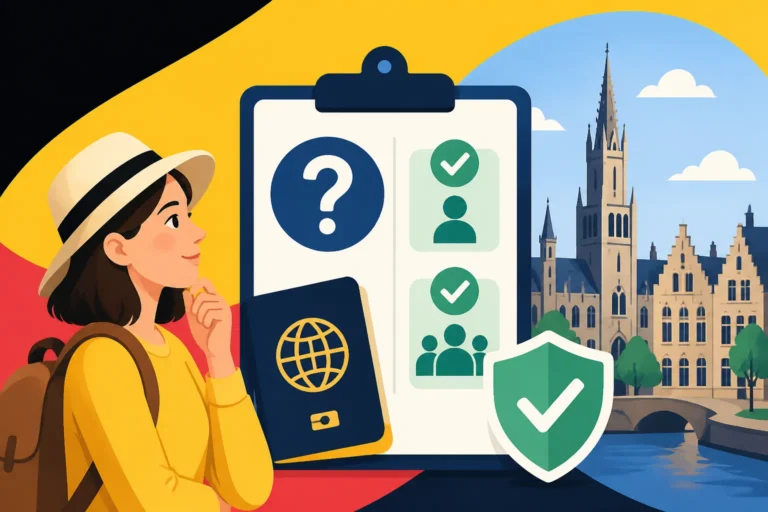
Ah, the first immigration appointment in Brussels. It’s a moment etched into the memory of every expat, often a mix of excitement, sheer terror, and the distinct feeling of wading through bureaucratic treacle. You've landed, maybe found a place, and now it's time to officially plant your flag – or at least get your initial paperwork in order. This guide is here to cut through the confusion, offering you a clear, empathetic checklist and some seasoned advice to navigate that crucial first visit to your commune with as much calm as possible.
The Initial Jitters: Understanding Your First Immigration Appointment in Brussels
Landing in a new country is a whirlwind, and Belgium, with its multilingual complexities and meticulous administrative processes, can feel like an extra special kind of labyrinth. Your first immigration appointment at your local commune is perhaps the most fundamental step in transitioning from a "new arrival" to an official resident. It’s where your journey to obtaining a Belgian eID truly begins, transforming your temporary visa status into a tangible right to reside.
Why This Appointment is So Crucial
Think of this appointment as your formal introduction to Belgium. It's not just about handing over documents; it's about initiating your official presence in the national register, which is the cornerstone for nearly every other administrative task you'll face. Without this initial registration, you can't get your national register number, you can't properly access local healthcare, you can't fully integrate into the tax system, and so on. It’s the gatekeeper to unlocking all the other necessities of expat life here.
Many expats arrive with a valid long-stay Visa D, which permits entry but doesn't automatically grant residency. The commune appointment is the mechanism through which that Visa D is activated into a residence permit application. You'll often hear about the "8-day rule," which dictates that non-EU citizens on a Visa D must register at their commune within eight working days of arriving in Belgium. This deadline can feel incredibly tight, especially when you're still grappling with jet lag and figuring out how to buy groceries, but it's a rule that the communes take seriously. Missing it can lead to complications, delays, or even fines, so mark it clearly on your calendar! A critical part of this is understanding the sequence of events. First, you register, then often comes The Police Address Check: What Happens if You Are Not Home? to confirm you actually live where you say you do, and only after that can the process of getting your actual eID card continue.
What to Expect from the Commune Visit
Walking into a Belgian commune for the first time can be intimidating. Depending on which of the 19 communes in Brussels you're visiting – whether it’s a bustling place like Ixelles or a slightly quieter one like Woluwe-Saint-Pierre – the atmosphere can vary. However, the core process is generally similar. You'll typically be directed to the "service étrangers" or "dienst vreemdelingen" (foreigners' department). You might have booked an appointment online weeks in advance (highly recommended!) or you might be facing a queue for walk-ins, which can be an exercise in patience.
The officials you meet are there to verify your identity and the legality of your stay. They’ll review your documents meticulously, comparing originals against copies. Don’t be surprised if they speak French, Dutch, or both, and sometimes English. Having at least a few phrases in the local language (or a translation app handy) can significantly ease the interaction. They might ask a few questions about your purpose for being in Belgium, your employer, or your family situation. This isn't usually an interrogation, but a confirmation that all your details align with the documents you’ve provided. Expect to spend anywhere from 30 minutes to an hour, depending on the complexity of your case and how busy the office is. After a successful initial check, you'll typically receive an Annex 15, which is your temporary proof of registration while your residence card is being processed. This little piece of paper, often valid for a few months, is surprisingly powerful, allowing you to often Can You Work With an Annex 15 (Annexe 15/Bijlage 15)?, open a bank account, and start your other administrative tasks.
Your Essential Document Checklist: Don't Leave Home Without These!
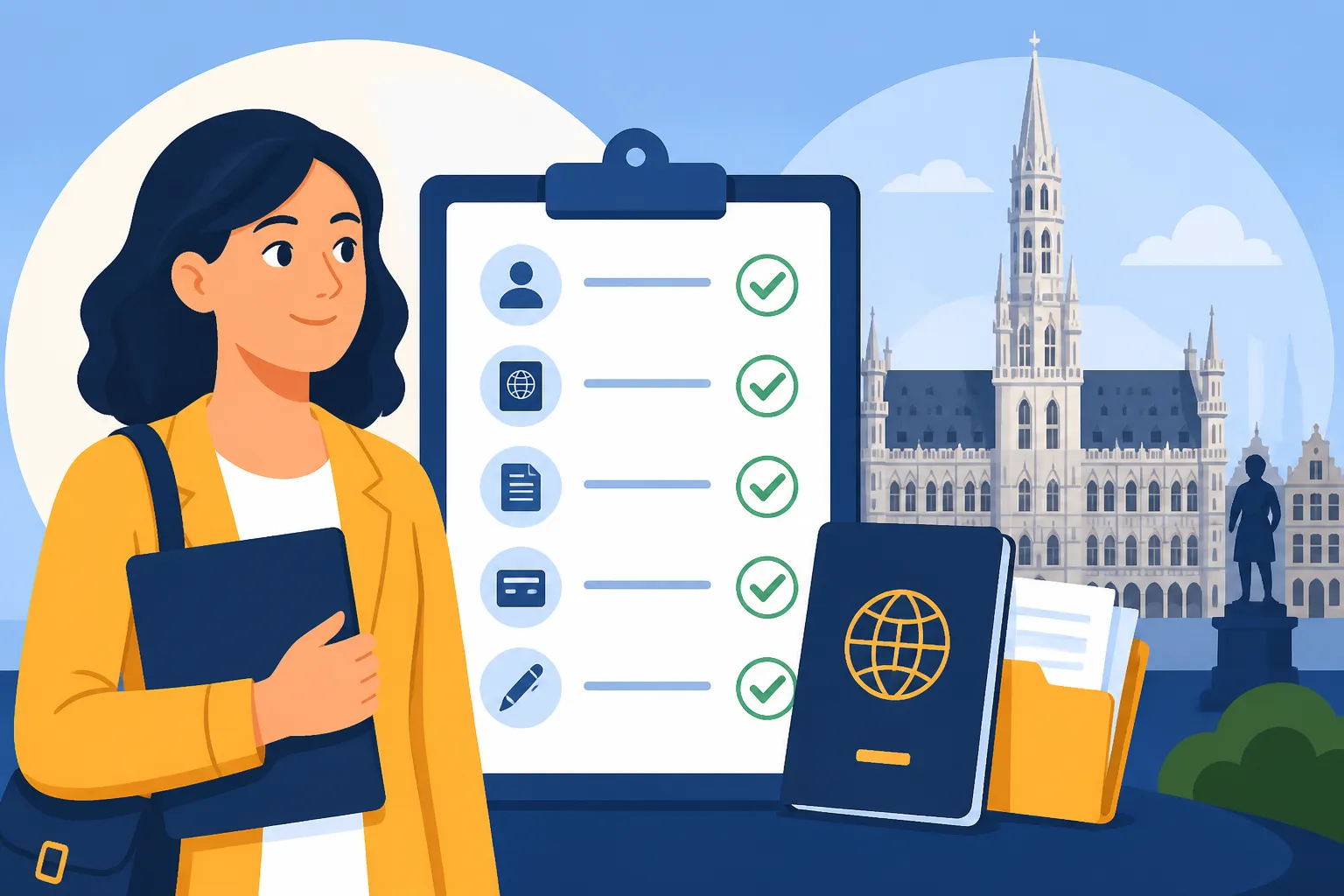
The key to a smooth immigration appointment in Belgium is meticulous preparation. Bureaucracy loves paperwork, and Belgian bureaucracy loves it even more when that paperwork is perfectly organized, translated, and apostilled. Here’s a breakdown of the documents you absolutely must have in hand, along with crucial details for each. Always bring both the original documents and several sets of photocopies. Seriously, multiple copies!
Core Personal Identification Documents
These are the fundamental proofs of who you are and where you come from. Without them, you won't even get past the first hurdle.
- Valid Passport and Visa D: Your passport must be valid for at least the entire duration of your intended stay, and ideally beyond. Make sure it's not set to expire anytime soon. The long-stay Visa D, typically affixed in your passport by the Belgian embassy or consulate in your home country, is essential. This is the entry ticket that allows you to apply for residency. Have a full set of photocopies of your passport, including the biographical page and every page with a visa or stamp.
- Birth Certificate: This is a surprisingly critical document in Belgium. Your birth certificate will be required to establish your civil status. Here's the catch: it usually needs to be legalized or apostilled in your home country (depending on whether your country is a signatory to the Hague Apostille Convention) and then translated by a sworn translator in Belgium into French, Dutch, or German. This step alone can take weeks or months if not done proactively before you arrive. Services like RushTranslate can be invaluable for getting certified translations done quickly and reliably for official purposes, ensuring they meet Belgian legal standards. Without a properly translated and authenticated birth certificate, your application will likely hit a snag. For more on this, check out our guide on Translating Birth and Marriage Certificates via Sworn Translators.
- Marriage Certificate (if applicable): If you're married and your spouse is joining you (or will be joining you later via family reunification), bring your marriage certificate. Like the birth certificate, it will likely need to be apostilled/legalized and translated by a sworn translator in Belgium. Even if your spouse isn't with you for this first appointment, having it can sometimes streamline future processes.
- Proof of Nationality: Your passport typically covers this, but if there's any ambiguity (e.g., dual nationality not reflected in your main passport), bring any other official document proving your citizenship.
- Photos: Recent passport-sized photos meeting Belgian (and Schengen) standards. They're very specific about dimensions, background colour (usually white), and facial expression. It’s always best to get these taken professionally in Belgium, as local photographers are well-versed in the requirements.
Proof of Purpose for Your Stay
The commune needs to know why you're here. Are you working, studying, or joining family? Your documents must clearly reflect this.
- Work Contract / Single Permit: If you're coming to work, your signed employment contract is essential. For many non-EU citizens, this will be accompanied by a "Single Permit" (Gecombineerde Vergunning), which acts as both a work permit and a residence permit. Your employer should have handled the application for this, and you should have received an approval letter. Make sure you have the official approval notification.
- University Acceptance Letter / Proof of Enrollment: For students, your official acceptance letter from a recognized Belgian educational institution is paramount. Once you arrive, you might also need proof of actual enrollment (like an attestation from the university's registrar) if your initial acceptance letter is older.
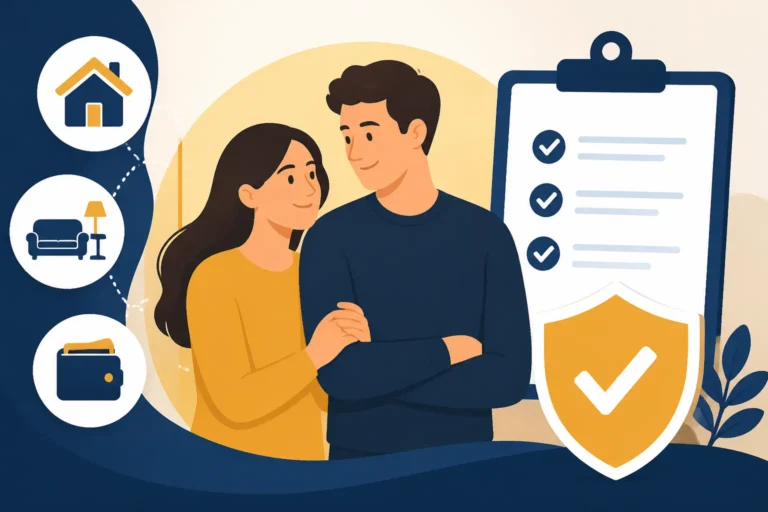
- Family Reunification Documents: If you're joining a family member, you'll need documents proving your relationship (e.g., marriage certificate, birth certificate for children) and documents from your sponsoring family member in Belgium (their eID, proof of sufficient resources, proof of adequate housing). This can be a complex category, so ensure you’ve meticulously prepared.
- Medical Certificate: For your visa application, you likely already submitted a medical certificate from a doctor approved by the Belgian embassy. While you might not need to resubmit it at the commune, it’s always good practice to have a copy in your portfolio, especially if questions arise about your health status.
- Certificate of Good Conduct / Police Clearance: Depending on your visa type and nationality, you might have submitted this for your visa application. Like the medical certificate, keep a copy handy.
Financial and Accommodation Proofs
Belgium wants to be sure you won't become a burden on the state and that you have a place to live.
- Proof of Sufficient Resources: This is a big one. You need to demonstrate you can support yourself.
- For workers: Your employment contract, detailing your salary, is usually sufficient.
- For students: This often means a "blocked account" certificate from a Belgian university, a scholarship attestation, or a "prise en charge" (Annex 32) where a guarantor pledges to support you financially. The amount required can vary, so double-check the latest figures. For more on this, see Student Visa Proof of Solvency: How Much Money Must Be Blocked?.
- For family reunification: The sponsoring family member needs to demonstrate stable and sufficient income.
- Proof of Accommodation: A signed rental contract (bail de location) is the gold standard. If you're staying temporarily with friends or family, you'll need a "déclaration de logement" (declaration of housing) or a "certificat de logement" from the owner, along with a copy of their eID and proof of their ownership/tenancy. Crucially, your address must be within the commune you are registering in. This is directly related to the later The Police Address Check (Contrôle de Quartier) for Address Verification.
Here's a handy table to keep track of your documents:
| Document Type | Original Required? | Photocopies Required? | Special Requirements (Translation, Apostille, etc.) | Notes |
|---|---|---|---|---|
| Valid Passport | Yes | Yes (all pages) | None | Ensure validity for entire stay. |
| Visa D | Yes (in passport) | Yes (page with visa) | None | Your long-stay visa. |
| Birth Certificate | Yes | Yes | Apostille/Legalization + Sworn Translation | Most common hurdle; get this done early. |
| Marriage Certificate | Yes | Yes | Apostille/Legalization + Sworn Translation | If applicable, for spouse/family. |
| Passport Photos | Yes | No | Belgian/Schengen standards | Get professionally done locally. |
| Work Contract / Single Permit | Yes | Yes | None (if in English/French/Dutch) | Official approval notification is key. |
| University Acceptance Letter | Yes | Yes | None (if in English/French/Dutch) | Proof of enrollment if acceptance letter is old. |
| Proof of Financial Means | Yes | Yes | Bank statements or official attestations | For students, blocked account; for workers, salary proof. |
| Rental Contract | Yes | Yes | None (if in English/French/Dutch) | Must be signed and registered. |
| Medical Certificate | No (copy fine) | Yes | Issued by approved doctor | Original already for visa, but have copy. |
| Police Clearance | No (copy fine) | Yes | Apostille/Legalization + Sworn Translation | Original already for visa, but have copy. |
Beyond the Paperwork: Practical Tips for a Smooth Appointment
Even with all your documents in order, the commune experience can still throw curveballs. A little extra preparation in other areas can make a world of difference.
Language Barriers and How to Bridge Them
Brussels is famously multilingual, but not everyone you encounter at the commune will speak perfect English, especially outside the core EU institutions. The official languages of Brussels are French and Dutch.
- Be Prepared for French or Dutch: Most of the official communication will be in one of these two languages. If you don't speak French or Dutch, try to have some key phrases ready, or at least a translation app on your phone.
- Bring a Friend (if allowed): While not always an option due to privacy or commune rules, if you have a local friend who speaks French or Dutch, ask if they can accompany you. Their presence can significantly ease communication. However, don't rely on this; check your commune's policy on accompanying persons first.
- Professional Interpreters: For particularly complex situations, or if you feel very uncertain, consider hiring a professional interpreter. While an added expense, it can prevent costly misunderstandings down the line. Remember, services like RushTranslate specialize in official translations, which are different from live interpretation, but they highlight the importance of clear, accurate communication in administrative processes.
- Be Patient and Polite: This goes a long way. Belgian officials, like most, appreciate courtesy. Frustration won't speed up the process.
What Happens After the Appointment
Your first appointment isn't the end of the road; it's just the beginning.
- The Police Check: After your initial registration, the commune will notify the local police (Contrôle de Quartier) who will then visit your declared address to confirm you actually live there. This is a real thing, and they will usually come unannounced. If you're not home, they'll leave a note asking you to contact them. It’s crucial to respond promptly. This check verifies your "domicile" and is mandatory for your registration to proceed.
- The Annex 15: As mentioned, you’ll typically receive an Annex 15 (Annexe 15 / Bijlage 15) as temporary proof of registration. This document is vital and acts as your official temporary ID until your eID card is ready. It will state your national register number, which you'll need for almost everything else.
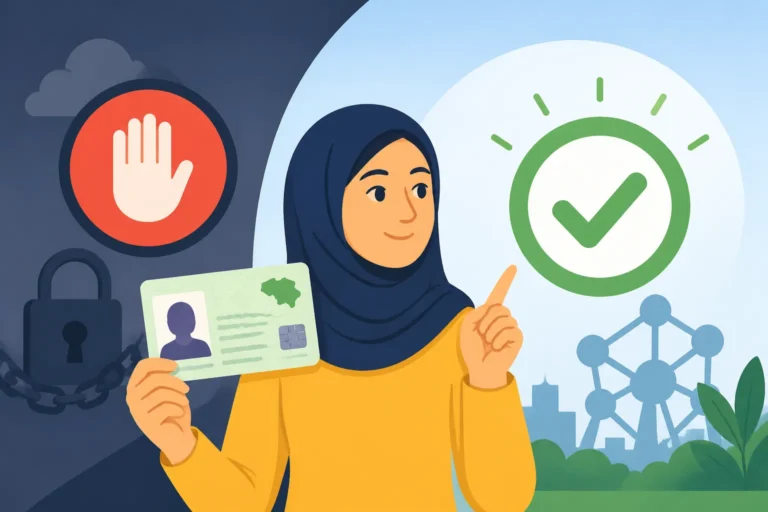
- Getting Your eID Card: Once the police check is cleared, you'll usually receive a letter inviting you back to the commune to order your actual electronic identity card (eID). This involves a fee and usually takes a few weeks to produce. You'll then go back to activate it with your PIN/PUK codes. The specific type of eID you receive will depend on your status, whether it's an A card, B card, or even an F card for family reunification with an EU citizen. To delve deeper into the types, explore The Belgian eID Card Types: A Card, B Card, F Card, and Others.
- Healthcare Registration: Once you have your national register number (often on the Annex 15), one of your next crucial steps is to register with a mutuelle (health insurance fund). This is mandatory in Belgium. Although Cigna Global can provide excellent private health insurance options, especially for those needing specific international coverage or during initial waiting periods, the Belgian system requires enrollment in a public fund. Choosing a mutuelle will then allow you to apply for your carte SIS or eID activation for health, giving you access to the public healthcare system and reimbursements. For more, consult our comprehensive guide on Mutuelle and Ziekenfonds: Public Health Insurance Registration Guide.
Navigating the first immigration appointment in Brussels is undeniably a hurdle, but with thorough preparation and a clear understanding of the process, it's an entirely surmountable one. Breathe deep, gather your documents, and tackle it head-on. You've got this!
Disclaimer
The information provided in this guide is intended for general informational purposes only and does not constitute legal advice. Immigration laws and procedures in Belgium can change frequently, and specific situations may require personalized advice. Always verify information with official Belgian government sources, your local commune, or a qualified immigration lawyer.