Handling Debt Collection Agencies (Huissier de Justice) in Belgium
Finding a thick, cream-colored envelope from a Huissier de Justice in your mailbox is a uniquely Belgian nightmare that triggers immediate panic. I still remember the cold sweat I broke into when I found a formal demand for an old electricity bill I thought I had settled months prior. This guide will walk you through exactly how to handle these judicial officers, protect your assets, and navigate the bureaucratic maze without losing your mind.
Understanding the Role of the Huissier de Justice in Belgium
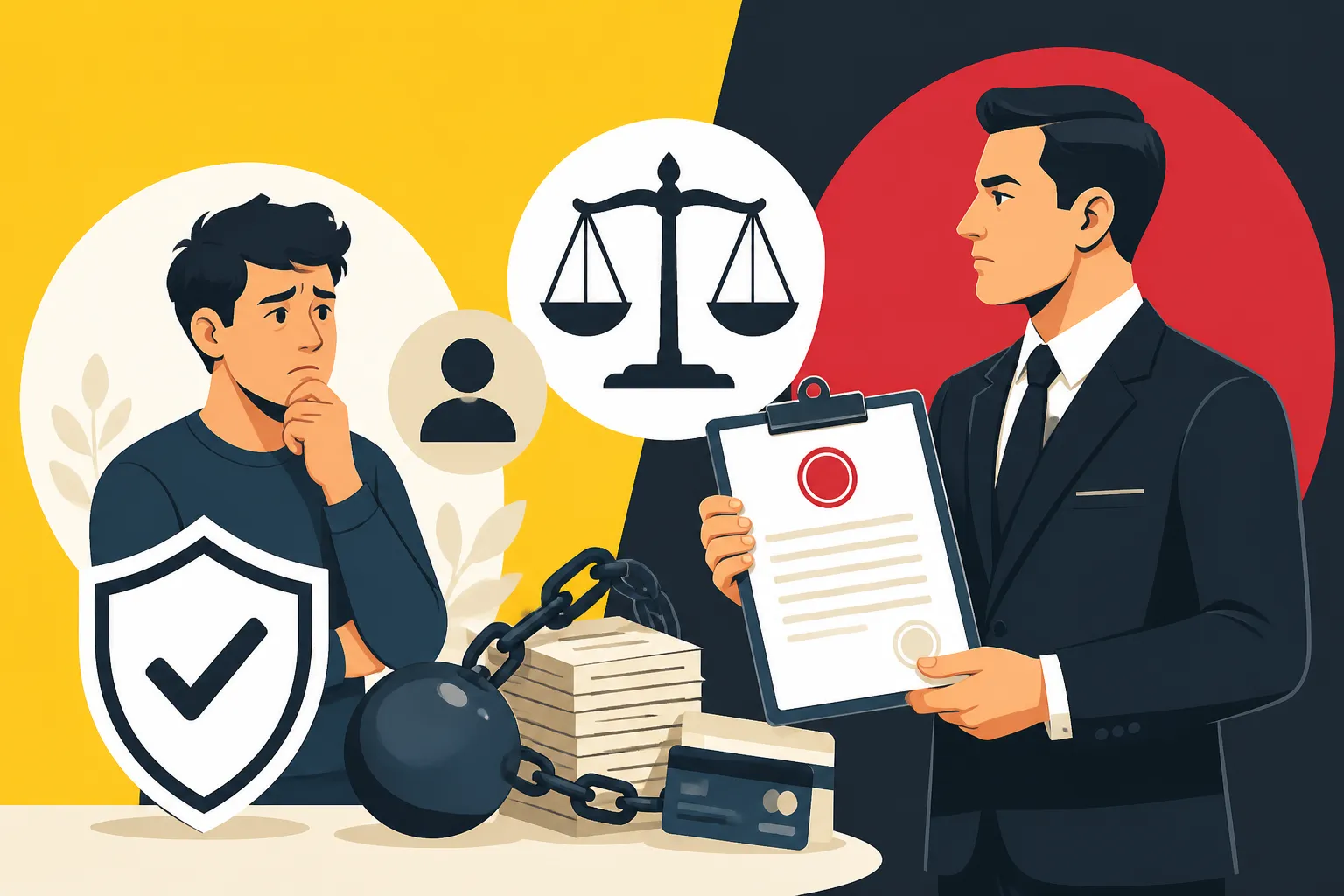
The first thing you need to realize is that a Huissier de Justice (or Gerechtsdeurwaarder in Dutch) is not just a standard debt collector from a private agency. They occupy a very specific, dual-natured role in the Belgian legal system. On one hand, they are public officials appointed by the King to perform judicial acts, such as delivering summons or enforcing court judgments. On the other hand, they operate as independent professionals who run their own offices. This means they have significantly more power than a "collection agent," but they are also bound by strict ethical and legal codes.
The Amicable Phase vs. the Judicial Phase
When a Huissier contacts you, they are usually acting in one of two capacities. In the "Amicable Phase" (Recouvrement amiable), they are essentially acting as a middleman for a creditor—perhaps a hospital, a telecom provider like Proximus, or your energy supplier. At this stage, they do not yet have a court order to seize your belongings. Their goal is to get you to pay the debt plus some administrative fees. You still have room to negotiate here, and it is the best time to act.
In the "Judicial Phase," things get much more serious. This occurs after a judge has issued a ruling against you. The Huissier now has an "Enforceable Title" (Titre exécutoire), which grants them the legal authority to enter your home—sometimes with the police—and inventory your goods for seizure. Understanding which phase you are in is crucial for your response strategy. You can often track your financial standing and potential disputes by staying organized with Banking and Finance in Belgium: Complete Expat Guide (2027).
Why Expats Often Fall Into This Trap
The most common reason foreigners in Belgium end up facing a Huissier is the "administrative gap." You move apartments, but your final water bill from Vivaqua or SWDE is sent to your old address. Because you didn't update your details correctly, the bill goes unpaid, the "Rappel" (reminder) is ignored, and eventually, the file is handed to a judicial officer. Another frequent culprit is the medical system. You might visit a specialist and forget that a small portion of the bill wasn't covered by the "Tiers Payant" system. If you aren't carefully monitoring your Healthcare Budgeting: Copays, DMG/GMD, and Reimbursements, these tiny debts can balloon into massive legal files.
What to Do the Moment You Receive a Letter
The "Ostrich Strategy"—burying your head in the sand—is the absolute worst path you can take in Belgium. A Huissier’s fees are regulated by law, but they increase every time the officer has to take a new step. A 50 Euro debt can easily become 300 Euro if they have to send a second notice or perform a "Signification" (a formal legal notification).
Verify the Debt Immediately
Do not assume the Huissier is always right. Scams exist, and administrative errors are rampant. Check the original invoice number, the date, and the creditor’s name. If the debt is related to a service you never received or a period after you moved out of an apartment, you must contest it in writing. Use a "Recommandé" (registered letter) with acknowledgment of receipt. This is the only form of communication that truly holds weight in a Belgian court. If the debt is legitimate, the fastest way to stop the fees from climbing is to settle it immediately. Many expats use Wise to make instant SEPA transfers to the Huissier's third-party account (compte de tiers), as speed is of the essence.
Request a Payment Plan
If you cannot afford to pay the full amount at once, Belgian law encourages "Plans de paiement." Huissiers are generally open to this because their primary objective is recovery, not a long-drawn-out seizure process. When you propose a plan, be realistic. If you offer 50 Euro a month, make sure you can hit that target every single month. A single missed payment usually voids the entire agreement and moves the file directly to the judicial enforcement phase. Staying on top of your Cost of Living in Belgium 2026: Budgeting for Cities and Families will help you determine exactly how much "wiggle room" you have for these unexpected expenses.
Use Digital Tools to Track Your Status
Belgium has moved toward more digital transparency. You should ensure you have your Itsme Authentication: How to Set Up Belgium's Vital Digital ID fully functional. This allows you to log into portals like MyMinfin or the FPS Justice website to see if there are any active judgments or tax debts against your name. Sometimes, a Huissier is called in by the state for unpaid provincial taxes or road fines you might have missed while traveling.
The Limits of Power: What a Huissier Cannot Do
It is a common expat fear that a Huissier will show up and take everything, including your clothes and your laptop. Fortunately, Belgian law provides a "Social Minimum" that protects your basic dignity. They cannot simply strip your home bare. There is a specific list of "unseizable goods" (biens insaisissables) that must be left for you to live.
| Category of Goods | Protection Level | Examples |
|---|---|---|
| Basic Living Essentials | Fully Protected | Bedding, clothes, table and chairs for the family, fridge, stove. |
| Professional Tools | Partially Protected | Laptop (if essential for work), tools of the trade up to a certain value. |
| Children's Items | Fully Protected | Toys, school supplies, beds for minors. |
| Religious/Study Items | Fully Protected | Books needed for studies, religious texts. |
| Social Benefits | Income Protection | A portion of your salary or Social Security in Belgium: Employer and Employee Contributions is protected. |
The Saisie-Arrêt: Bank Account Freezes
One of the most effective tools a Huissier has is the "Saisie-arrêt." Instead of coming to your house, they send a legal notice to your bank (like BNP Paribas Fortis or KBC). The bank is then required to "block" the amount of the debt plus fees from your account. This can be devastating if it happens right before rent is due. If you have diversified your assets in platforms like Trade Republic or hold digital assets on Binance, be aware that while these are harder for a Belgian Huissier to "auto-block" instantly, they are still legally discoverable during a full financial investigation. It is always better to settle the debt than to have your liquid cash frozen during a cold Belgian winter.
Entering Your Home
A Huissier can only enter your home without your permission if they have a court order and are accompanied by a police officer and, usually, a locksmith. If they arrive during the "Amicable Phase," they have no right to enter your home against your will. However, being combative rarely helps. If you are home, speak to them politely through the door or at the entrance. Explain that you are aware of the file and provide proof of any payments or your proposed plan. Validation of their role often buys you the time you need to get your finances in order.
Specific Hurdles for Non-EU Residents
If you are in Belgium on a work permit or are currently navigating the Mutuelle and Ziekenfonds: Public Health Insurance Registration Guide, a legal dispute with a Huissier can feel even more threatening. There is often a fear that a debt will affect your residency status. While a private debt (like an unpaid gym membership) generally does not impact your visa, unpaid debts to the state (like taxes or social security contributions) can lead to complications during the renewal of your residence card if they result in a criminal record—though most debt cases remain strictly civil.
Dealing with Language Barriers
The official language of the Huissier's documents will depend on where you live. In Brussels, you have the right to request a translation or a version in your preferred national language (French or Dutch), but English is almost never a legal requirement for them. If you receive a "Exploit d'huissier" and cannot understand the legal jargon, do not guess. Take the document to a "Maison de Justice" or a "Sociale Dienst" (Social Service) in your commune. They provide free legal first-aid and can help you draft a response in the correct legal terminology.
Managing Utility and Tax Debts
Utilities are the most frequent source of Huissier visits for expats. If you are struggling with energy bills, you may be eligible for "Social Tariff" status. Before the Huissier reaches the stage of cutting off your supply, they must follow a specific procedure involving the local CPAS/OCMW. If your debt is with the tax office, such as for the Taxes in Belgium for Expats: Personal Income Tax System 2026, the "Recettes" (tax collectors) have their own internal Huissiers who are particularly efficient at seizing salaries. Always respond to the "Avertissement-Extrait de Rôle" long before it reaches this stage.
Practical Steps to Resolution
Once you have identified the debt and opened communication, your goal is a "Quittance" (a document proving the debt is extinguished).
- Get Everything in Writing: If the Huissier agrees to a reduced fee or a payment plan over the phone, ask for an email confirmation.
- Prioritize Your Debts: If you have multiple creditors, state debts (taxes, fines) and "essential" debts (rent, electricity) must come first.
- Avoid the 'Commandement de Payer': This is the final warning before seizure. If you receive this, you usually have 24 to 48 hours to pay or file an "Opposition" in court.
- Consult a Syndicat or Union: If the debt is related to your employment or Getting Paid in Belgium: Salary Deductions and Bonus Taxes, your union may provide free legal help to counter an unfair seizure of your wages.
Handling a Huissier is about removing the emotion from the situation. They are not your friends, but they are also not your enemies; they are simply a cog in the Belgian legal machine. By acting fast, documenting every step, and knowing your basic rights regarding what can and cannot be seized, you can navigate this stressful experience and get back to enjoying your life in Belgium.
Legal Disclaimer
This article is for informational purposes only and does not constitute professional legal advice. The Belgian judicial system is complex, and laws regarding debt collection and the powers of a Huissier de Justice may change. If you are facing legal action or a seizure of assets, you should consult with a qualified lawyer or a legal aid center in your specific commune immediately to ensure your rights are protected under the most current legislation.