Checking Your Credit Score in Belgium: NBB Blacklist Explained
You walk into a Proximus store or a bank branch, confident and ready to sign a contract, only to be met with a cold, "The system says no." I have stood in that exact spot, confused because I knew I had money in the bank. This guide demystifies the Belgian credit system and explains exactly how to check your standing with the National Bank.
The Myth of the Credit Score in Belgium
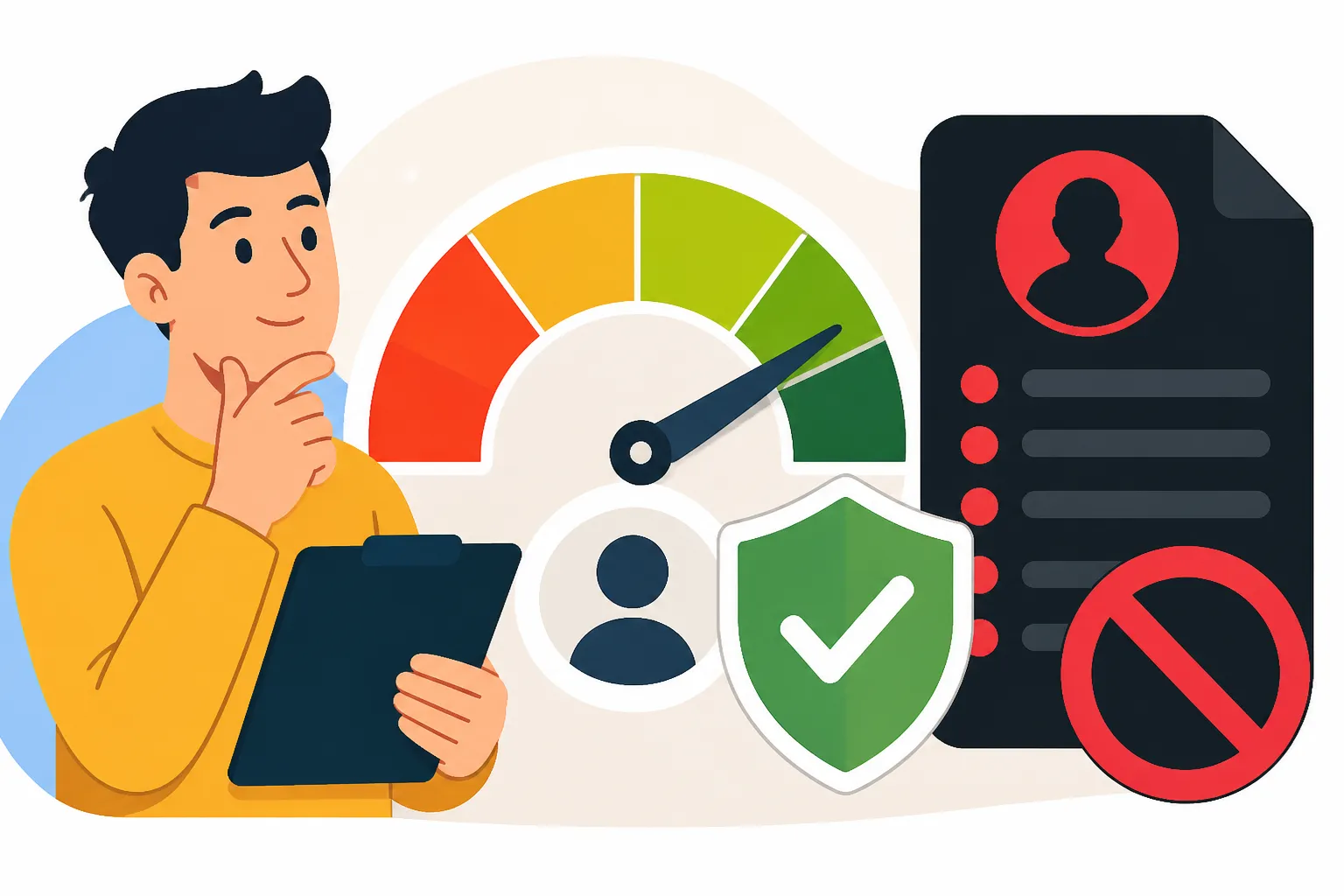
One of the biggest culture shocks for expats coming from the US, UK, or Canada is the realization that a "credit score" simply does not exist here. In those countries, you spend years carefully curating a number between 300 and 850. In Belgium, there is no magic number that determines your worthiness. Instead, the National Bank of Belgium (NBB) maintains the Central Individual Credit Register (CICR). This database tracks every loan you take out and, more importantly, every payment you miss.
Why Your History Does Not Follow You
When you move here, you are essentially a financial ghost. Your stellar credit history from back home means very little to a Belgian bank. They cannot access your foreign data, and frankly, they often don’t want to. This is why Opening a Belgian Bank Account: Documents Needed and Roadblocks can feel like such a hurdle. You aren't being judged on a score; you are being judged on your current Belgian income and your lack of a "negative" record in the CICR.
The Positive and Negative Sides of the Register
The CICR is divided into two parts. The "positive" side records all your ongoing consumer loans, mortgages, and credit lines. If you have a credit card with a €2,500 limit, it is recorded here. The "negative" side is what people commonly refer to as the "blacklist." This is where the NBB records defaults. If you miss payments for three consecutive months, your lender is legally required to report you. Once you are on this list, getting any new credit—even a simple smartphone subscription—becomes nearly impossible.
What the NBB Does and Does Not Track
The NBB tracks professional loans, mortgages, and "installments" (like when you buy a laptop over 12 months). However, they do not traditionally track your utility bills or rent—until those debts are sold to a collection agency or result in a court judgment. I learned this the hard way when a forgotten Budgeting for Utilities: Average Electricity and Gas Bills in 2026 payment from a previous apartment almost stalled my car loan application.
The NBB Blacklist: Why You Might Be On It
Being "blacklisted" sounds like a financial death sentence, but in Belgium, it is a highly regulated process. You don't end up there by accident or because of a single late payment. Lenders must follow a strict notification process. Usually, after 60 to 90 days of non-payment, you will receive a "registered letter" (recommandé) warning you that the default will be reported to the NBB.
Common Reasons for Expat Defaults
Expats often end up on the list due to administrative oversight rather than a lack of funds. Moving between communes and missing mail is a classic trap. If you don't keep your address updated, you might miss a final bill for Buying a Car in Belgium: Circulation Tax and Registration Costs. Another common issue is the "dormant" credit card. If you have an old Belgian credit card with a small yearly fee that you forget to pay, that unpaid €20 fee can eventually spiral into a reported default.
The Impact on Mortgages and Large Loans
If you are planning on Mortgages (Crédit Hypothécaire) for Non-EU Citizens in Belgium, the bank will check the CICR the moment you sit down for a consultation. If there is a single "negative" mention, the conversation usually ends right there. Belgian banks are incredibly risk-averse. They view a default not just as a lack of money, but as a lack of "financial discipline." Even if you have since paid the debt, the fact that it occurred stays visible for a specific period.
How to Check Your Own Record
You have the legal right to see what the NBB knows about you. It is a free process, and I recommend every expat do it at least once a year, especially before a major purchase. You can do this online using Itsme Authentication: How to Set Up Belgium's Vital Digital ID, which is the fastest way to access the NBB’s "My Online File" portal. If you don't have Itsme yet, you can use an eID card reader or even send a signed paper request with a copy of your ID to the National Bank in Brussels.
| Method | Speed | Requirements |
|---|---|---|
| Online (Itsme) | Instant | Itsme app and Belgian mobile number |
| Online (eID) | Instant | Card reader and eID PIN code |
| Post/In-person | 5-10 Days | Copy of ID and signed letter |
How Long Does Financial Data Stay in the System
One of the most frustrating aspects of the Belgian system is the "memory" of the CICR. Even after you pay off a debt that put you on the blacklist, you aren't immediately "clean" in the eyes of the bank. The data remains for a cooling-off period to ensure you have truly regained financial stability.
Retention Periods for Repaid Debts
Once you pay off a defaulted amount, the lender must notify the NBB within eight days. From that moment, your status changes to "regularized." However, the negative record stays in the register for exactly one year from the date of the full repayment. During this year, you are in a "grey zone." Some lenders might give you a chance, but most traditional banks will still see you as a high risk.
What Happens if You Never Pay?
If a debt remains unpaid, the default stays on the NBB blacklist for a maximum of ten years. After ten years, the record is deleted automatically, but this does not mean the debt itself disappears. The creditor can still pursue you through the courts. For expats who leave the country and return years later, this can be a nasty surprise. It is always better to settle the debt and start that one-year "cleansing" timer as soon as possible.
Managing International Finances Transparently
To avoid these hiccups, I often suggest keeping your international and local finances clearly separated but well-documented. Using a service like Wise can help you manage transfers without the opaque fees of traditional banks that might cause you to accidentally underpay a bill. When applying for Credit, Loans, and Mortgages for Foreign Residents in Belgium, having a clean paper trail of how you bring money into the country is vital.
Rebuilding Your Financial Profile as an Expat
If you find yourself on the blacklist or simply have a "thin" file because you’re new to the country, there are proactive steps you can take to show you are a "Good Father of the Family" (a literal legal term in Belgium, bon père de famille, meaning a responsible person).
The Importance of the GMD and Domiciliation
While not directly part of your credit score, having your administrative life in order helps. Ensure you have How to Set Up Direct Debits (Domiciliation) for Utility Bills for everything. Banks love domiciliations because it proves you are automated and organized. When a banker sees that your rent, electricity, and even your Declaring Foreign Real Estate in Your Belgian Tax Return related taxes are automated, they feel much more comfortable.
Using FinTech to Bridge the Gap
While you wait for your NBB record to clear or for your Belgian history to grow, you can use modern tools to manage your wealth. Platforms like Trade Republic allow you to build a savings cushion with transparent interest rates, which you can show to a Belgian banker as proof of collateral. If you are active in the crypto space via Binance, remember that the NBB doesn't track these assets, but you are still legally required to follow Declaring Foreign Bank Accounts to the Belgian National Bank (NBB) rules.
Dealing with the "Commune" Factor
Interestingly, your standing at the local town hall can sometimes impact your perceived reliability. If you are struggling with the Itsme Authentication: How to Set Up Belgium's Vital Digital ID setup or have outstanding local administrative fines, resolve them immediately. A clean record across all Belgian databases—from the NBB to the National Register—is the only way to navigate the financial landscape smoothly.
Proactive Communication with Lenders
If you know a payment will be late, call the lender before they report you to the NBB. Belgian law encourages "mediation." There are official debt mediators who can help you restructure payments before the dreaded blacklist entry occurs. Once that report is filed, the NBB has very little power to remove it unless it was a factual error. If you do find an error, you must contact the bank that reported it first; the NBB acts only as a librarian, not an editor.
By staying vigilant, checking your file annually via the NBB portal, and ensuring your Setting Up Apple Pay or Google Wallet with a Bancontact Card transactions are always backed by a healthy balance, you can avoid the "system says no" trap. It takes time to build a reputation here, but in the Belgian system, no news in the CICR is the best news of all.
Disclaimer
This article is for informational purposes only and does not constitute professional financial or legal advice. The Belgian financial regulations and NBB policies are subject to change. Always consult with a qualified accountant, legal advisor, or the National Bank of Belgium directly for specific concerns regarding your credit standing or debt management.