Overstaying a Schengen Visa in Belgium: Penalties and Risks
Overstaying your Schengen visa in Belgium is a situation many expats and travelers worry about, and for good reason. The repercussions can be far more serious than just a slap on the wrist, leading to significant headaches for years to come. This guide will walk you through the precise definitions of overstaying, the immediate and long-term penalties you could face, and crucially, what steps you can take if you find yourself in this precarious position.
Understanding the Schengen Visa and Its Limits
Before diving into the dire consequences, let’s ensure we’re all on the same page about what a Schengen visa actually entails and, more importantly, its limitations. Many people mistakenly believe they have more flexibility than they do, leading to unintended overstays.
What Exactly Is the 90/180-Day Rule?
The core of Schengen short-stay rules revolves around what’s known as the "90/180-day rule." Simply put, this means that you, as a non-EU/EEA/Swiss citizen, are permitted to stay in the Schengen Area for a maximum of 90 days within any 180-day period. It’s not a calendar year rule; it's a rolling window. Every single day you spend in a Schengen country counts, regardless of the purpose (tourism, business, visiting family).
Think of it like this: on any given day, you must look back 180 days, and within that period, your cumulative stay in the Schengen area cannot exceed 90 days. This can be incredibly confusing, especially if you’ve been making multiple short trips in and out of the zone. For instance, if you spent 60 days in Belgium, then left for a month, and now want to re-enter, you need to calculate how many days you've been in the zone in the last 180 days. If that number is 70, you only have 20 days left, even if you just returned. This rule applies across all 27 Schengen countries, meaning your days spent in France, Germany, or the Netherlands all count towards the same 90-day limit. It's crucial to understand this dynamic to avoid an accidental overstay. For a deeper dive into this, check out our guide on The 90/180 Days Rule for Schengen Tourists in Belgium.
Calculating Your Stay: How to Avoid Accidental Overstays
Accidental overstays are more common than you might think, often stemming from miscalculations or simply losing track of days. Belgium, like other Schengen states, takes this rule very seriously. The onus is entirely on you to monitor your movements. Relying solely on your passport stamps can be misleading, especially with automated border controls or if stamps are sometimes missed.
The European Commission provides an online Schengen calculator, which is an invaluable tool for tracking your remaining days. While not legally binding, it offers a solid estimate. Alternatively, many expat forums recommend keeping a meticulous log in a spreadsheet or using a dedicated app. When you enter the Schengen Area, the border guard will often stamp your passport with the entry date. When you exit, they'll stamp it with the exit date. It's these dates that the authorities will refer to if there are any questions. If your entry or exit stamp is unclear or missing, you could face difficulties proving your compliance, so always ensure your passport is stamped correctly. Remember, ignorance of the law is not an excuse; they expect you to know and abide by the rules. This vigilance is paramount to keeping your travel history clean and avoiding future complications.
The Immediate Consequences of Overstaying
When you overstay your welcome in Belgium, the consequences can hit you almost immediately, often at the most inconvenient times. These aren’t just theoretical penalties; they are real, enforceable actions by border authorities and police.
At the Airport: The Moment of Truth
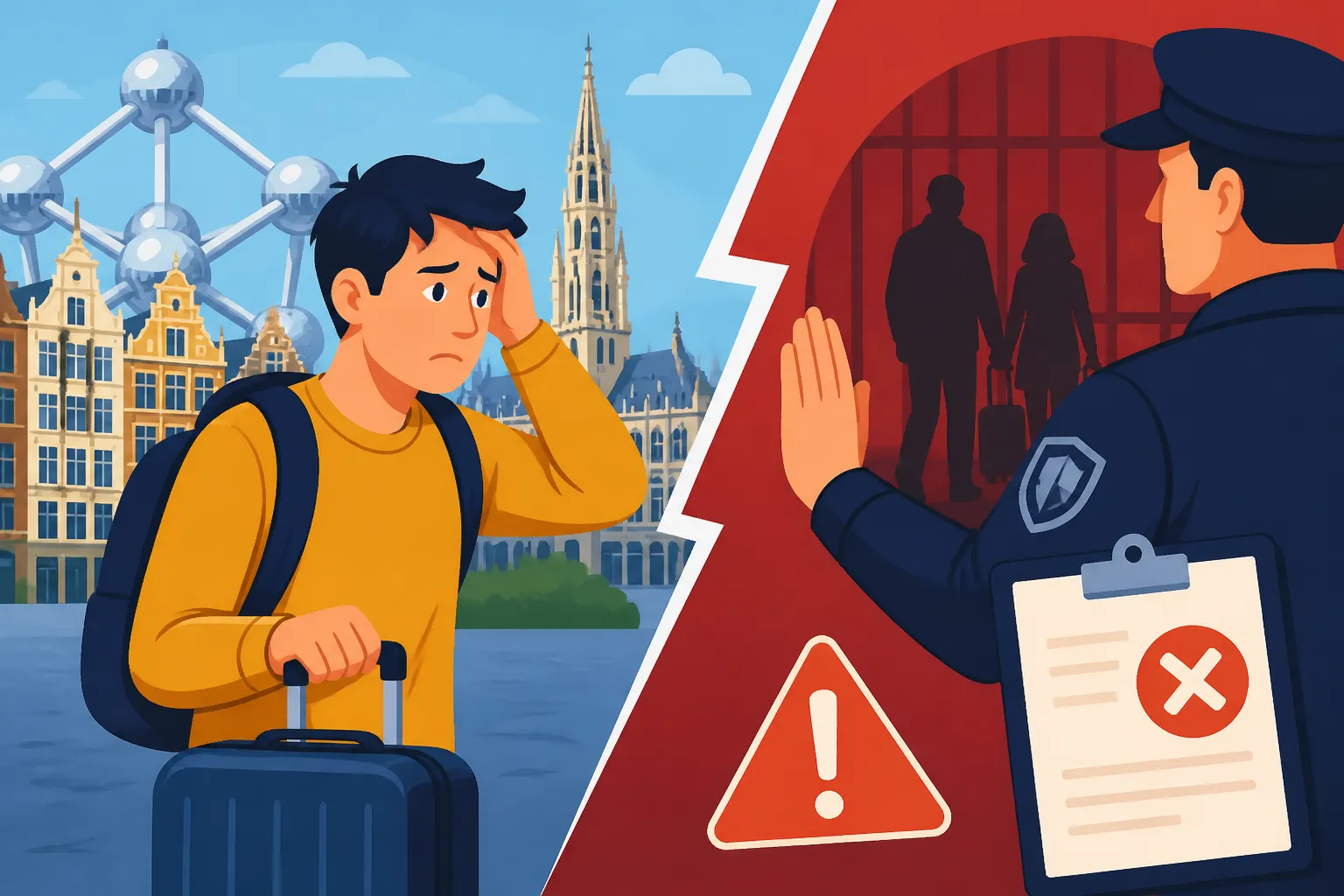
For many, the first time they discover they’ve overstayed is at the airport, right before attempting to leave. This is arguably the worst-case scenario. As you present your passport at border control, the system will flag your overstay. What follows is usually an immediate pull-aside for further questioning.
You might be taken to a separate room where border police will interview you about the reasons for your overstay. They’ll meticulously review your travel history, checking all entry and exit stamps. Depending on the length of your overstay, the explanation you provide, and your past travel record, several things can happen. At a minimum, expect significant delays, potentially causing you to miss your flight. They might issue you a fine on the spot, which you may have to pay before being allowed to depart. In more severe cases, they could refuse your departure and begin proceedings for a re-entry ban, forcing you to remain in Belgium until a formal decision is made, which can lead to further detention or reporting requirements. This is why having all your documents in order, and ideally, legal representation, is critical.
During a Police Check: What to Expect If You're Stopped
It’s not just at the airport that you risk exposure. In Belgium, particularly in larger cities or near borders, police checks can occur at any time. This could be a routine traffic stop, a random ID check on public transport, or an immigration check in specific areas. If you are stopped and cannot produce a valid residence permit or an unexpired visa that allows your current stay, you will be in violation of immigration law.
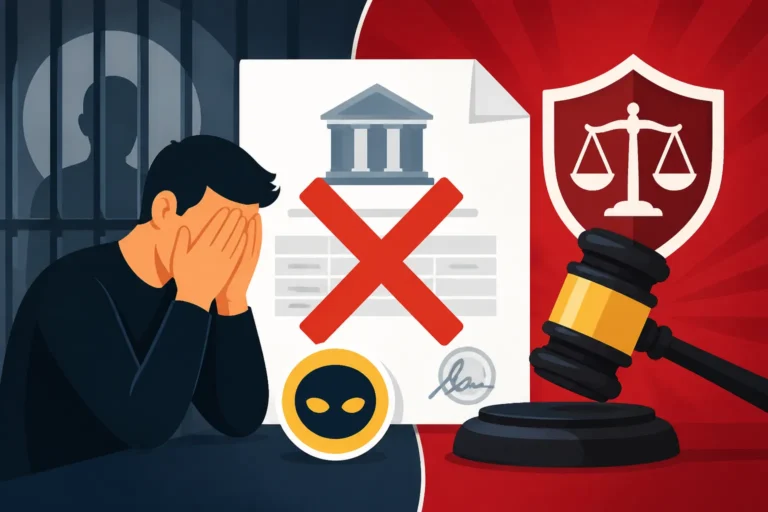
The police will verify your status using your passport and potentially their internal systems. If they discover an overstay, you will likely be detained. This detention could range from a few hours for processing to several days in an administrative detention center, depending on the circumstances, the length of the overstay, and whether you are deemed a flight risk. During this period, your options will be severely limited, and communication with outside contacts might be restricted. They will then initiate formal proceedings, which could include deportation and a re-entry ban, adding immense stress and complexity to your situation. This is precisely why it's so important to adhere to the visa rules – getting caught outside an airport setting can be even more disorienting.
Financial Penalties and Fines
Let’s talk about the monetary cost. Overstaying your Schengen visa in Belgium almost invariably leads to financial penalties. The amount of the fine can vary significantly based on the length of your overstay, the specific circumstances, and the discretion of the immigration authorities. While there isn't a single, fixed fee across the board, these fines can easily run into several hundreds or even thousands of euros.
These fines are often imposed at the point of exit or during a police investigation. In some cases, you might be required to pay the fine immediately. If you don't have the funds, it can lead to further complications, including confiscation of your passport until payment is made or even more severe administrative measures. It’s not just the direct fine; you might also incur costs related to legal advice, missed flights, and potentially even forced repatriation, which you would have to cover. These financial burdens can be substantial and serve as a harsh reminder of the importance of compliance.
Beyond the Immediate: Long-Term Repercussions
While the immediate consequences of an overstay can be stressful and costly, the long-term repercussions often prove to be far more damaging, impacting your ability to travel and live internationally for years to come.
Schengen-Wide Bans and Entry Refusals
This is perhaps the most feared outcome of overstaying: a Schengen-wide re-entry ban. When you are found to have overstayed, especially for a significant period or if you have a history of immigration infractions, Belgian authorities can impose a ban that prevents you from entering any Schengen country for a specified duration. The standard ban often starts at three years, but it can extend to five, ten, or even more, depending on the severity of the overstay and any accompanying offenses.
This ban is recorded in the Schengen Information System (SIS), a shared database used by all member states. This means that if Belgium imposes a ban, it will be visible to border control officers across the entire Schengen Area, including France, Germany, Italy, and so on. Attempting to enter any of these countries during your ban period will result in immediate refusal of entry and potentially further penalties for attempting to circumvent the ban. This makes future travel, even for legitimate purposes like tourism or visiting family, impossible within a large part of Europe. It’s a very serious mark on your international travel record that is incredibly difficult to remove once imposed. For related information on traveling within the zone, you might find our guide on Schengen Border Controls: Traveling Outside Belgium with an Annex 15 helpful, though it applies to those with valid residency.
Impact on Future Belgian Visa Applications
Even if you avoid a full Schengen-wide ban (which is rare for a significant overstay), an overstay will almost certainly prejudice any future visa applications you make for Belgium. When you apply for any Belgian visa – whether it's a long-stay visa, a student visa, or a work permit – your immigration history will be meticulously reviewed. An overstay, even a short one, signals to the immigration authorities that you have previously violated the terms of your stay.
This creates a significant hurdle. You'll likely need to provide extensive justification for your past overstay, including documented evidence of any mitigating circumstances, and demonstrate beyond a doubt that you will comply with all immigration laws in the future. The burden of proof will be much higher, and even with a strong case, the risk of rejection remains substantial. Immigration officials are generally very wary of applicants with a history of non-compliance, as it suggests a lack of respect for their laws. This could delay or outright prevent you from achieving your long-term goals of living or working in Belgium. Should you need to apply for a future visa, our article on How to Write a Motivation Letter for a Belgian Visa Application could provide some guidance on presenting your case, though an overstay will always be a major obstacle.
Difficulty in Obtaining Visas for Other Countries
The repercussions of a Schengen overstay aren't confined to Europe. Many non-Schengen countries, particularly those with strict immigration policies like the USA, Canada, UK, or Australia, share intelligence and may view a Schengen overstay as a red flag on your international record. When applying for visas to these countries, you are often asked about previous visa violations or re-entry bans from other nations. Lying on these applications can lead to immediate refusal and even more severe penalties.
Even if not directly shared, the presence of a re-entry ban in the Schengen Information System (SIS) can trigger alerts that lead to further scrutiny by other countries. Immigration authorities worldwide prioritize maintaining the integrity of their borders, and a history of overstaying demonstrates a potential risk. Consequently, you might find it significantly harder, if not impossible, to obtain visas for countries around the globe, severely limiting your international mobility and future opportunities for travel, work, or study. This is why addressing an overstay proactively and seeking legal counsel is incredibly important.
Dealing with an Overstay: What Are Your Options?
Discovering you’ve overstayed your Schengen visa can feel like hitting a brick wall. Panic is a natural reaction, but it’s crucial to act strategically. While there’s no magic wand to make it disappear, understanding your options can help mitigate the damage.
Voluntary Departure vs. Forced Removal
The distinction between voluntary departure and forced removal is critical when you’ve overstayed. A voluntary departure means you actively cooperate with authorities to leave Belgium. If your overstay is short and unintentional, and you proactively report to the immigration office or border police, you might be allowed to leave voluntarily. This typically involves buying your own ticket and agreeing to depart by a specified date. While you’ll still likely face a fine and potentially a minor entry ban, the process is generally less traumatic, and the ban might be shorter. Critically, a voluntary departure often looks better on your record than being forcibly removed.
Forced removal, on the other hand, occurs when authorities apprehend you and deport you. This usually involves detention, being escorted to the airport, and being placed on a flight. Forced removal almost always results in a longer, more severe Schengen-wide ban and a more damaging mark on your immigration record. The costs of your deportation are also typically charged to you. The key takeaway here is: if you realize you’ve overstayed, engaging with the authorities before they find you is almost always the better option, even though it’s terrifying.
Seeking Legal Advice: When to Contact an Immigration Lawyer
This is not a situation to navigate alone. The moment you realize you have overstayed, or are about to, contacting a qualified immigration lawyer in Belgium is paramount. Belgian immigration law is complex, and the specific nuances of your case (e.g., length of overstay, reasons, personal circumstances) can significantly impact the outcome.
An immigration lawyer can:
- Assess your situation: Determine the exact length of your overstay and potential penalties.
- Advise on the best course of action: Whether to attempt voluntary departure, apply for a regularization, or prepare for an appeal.
- Represent you: Act as your intermediary with immigration authorities, ensuring your rights are protected and presenting your case in the most favorable light.
- Help with documentation: Ensure all necessary documents are prepared, including any required translations. For official documents like birth certificates or marriage licenses that might be part of your justification, you’ll need certified translations, and services like RushTranslate can be invaluable here to ensure accuracy and meet legal standards.
- Initiate appeals: If a ban is issued, they can advise on the possibility and process for an appeal.
Trying to represent yourself without a deep understanding of Belgian administrative and immigration law is a recipe for disaster. Investing in legal counsel, while an upfront cost, can save you years of future headaches and potential bans. For more on this, consider our article Hiring an Immigration Lawyer: When Do You Need Professional Help?
Exceptional Circumstances and Humanitarian Grounds
In very specific and rare cases, an overstay might be excused or regularized due to exceptional circumstances or humanitarian grounds. These are not loopholes to exploit but genuine, unforeseen situations that prevented you from leaving on time. Examples might include:
- Serious medical emergency: A sudden, life-threatening illness that required immediate hospitalization and made travel impossible. This would require extensive medical documentation, potentially including records from a local GP in Belgium or hospital reports. However, even then, you should try to keep immigration authorities informed.
- Natural disaster or political unrest: Unforeseen events in your home country or in transit that prevented safe return.
- Compelling personal reasons: Extremely dire and exceptional personal circumstances, such as the sudden death of a close family member requiring your presence in Belgium, again with irrefutable documentation.
To seek regularization under these grounds, you would typically need to file a "regularization request" (often referred to as an "Article 9bis" application for humanitarian reasons or "Article 9ter" for severe medical conditions). This is an incredibly complex process requiring substantial evidence and often a lawyer's expertise. The success rate is low, and authorities are highly scrutinizing. Simply having a minor illness or a missed flight due to personal error will almost certainly not qualify. Our guides on Filing a Regularization Request (Article 9bis) on Humanitarian Grounds and Medical Regularization (Article 9ter) for Severely Ill Expats delve deeper into these very specific avenues, but again, these are for truly exceptional situations.
Prevention is Key: How to Avoid Overstaying
The best way to deal with an overstay is to ensure it never happens in the first place. This might sound obvious, but with the complexities of the Schengen rule, it's easy to make a mistake. A proactive approach is your best defense.
Tracking Your Days: Apps and Manual Methods
As we've discussed, the 90/180-day rule is a rolling calculation, making it tricky to keep tabs, especially if you enter and exit the Schengen zone multiple times. Do not rely solely on your memory or passport stamps.
Here are a few robust methods to track your days:
- Schengen Calculator Apps: There are several mobile applications available for both iOS and Android that are specifically designed to help you track your Schengen days. These apps usually allow you to input your entry and exit dates, and they automatically calculate your remaining days within the 180-day window. Some even offer alerts as you approach your limit.
- Spreadsheet Method: For those who prefer a more manual approach, create a simple spreadsheet. List every entry and exit date for the Schengen Area. Then, for each current day, calculate how many of the preceding 180 days you have spent within the zone. This offers a clear, auditable record.
- Calendar Reminders: Set recurring calendar reminders on your phone or computer well in advance of your 90-day limit. These reminders should prompt you to double-check your calculations and finalize departure plans.
Whichever method you choose, consistency is key. Make it a habit to update your records every time you cross a Schengen border. Always err on the side of caution; if you're unsure, assume you have fewer days left, not more.
Understanding Visa Extensions (in specific cases)
While rare and difficult to obtain, visa extensions for Schengen short-stay visas do exist under very specific, compelling circumstances. These are not for continuing your vacation, but for genuine, unforeseen situations that prevent your timely departure.
Reasons for a potential extension typically mirror those for humanitarian grounds:
- Force Majeure: Unforeseen events beyond your control, such as a severe natural disaster, political instability in your home country, or an unexpected flight cancellation that cannot be rebooked before your visa expires.
- Humanitarian Reasons: A serious illness or accident that makes travel impossible, or critical personal circumstances requiring your presence in Belgium for a short, additional period. This would require medical certificates and official documentation.
- Serious Personal Reasons: While vague, this category requires extremely compelling and well-documented reasons that could not have been foreseen.
Applying for an extension must be done before your current visa expires. You will apply to the Belgian Immigration Office (Office des Étrangers/Dienst Vreemdelingenzaken) and provide extensive documentation. The decision is entirely at their discretion, and approval is far from guaranteed. They will assess whether your reason genuinely prevents your departure. Do not rely on an extension as a contingency plan; it should only be considered in truly unavoidable emergencies.
Exiting and Re-entering: The 'Visa Run' Myth vs. Reality
Some expats, especially those who’ve spent significant time in Belgium, might hear about or consider the concept of a "visa run" – leaving the Schengen Area for a brief period (e.g., to the UK or a non-Schengen Balkan country) and then immediately re-entering to reset their 90-day clock. Let's be unequivocally clear: this is a myth and a dangerous strategy.
The 90/180-day rule explicitly states "90 days within any 180-day period." Simply leaving for a few days and coming back does not reset the 180-day look-back period. If you’ve spent 90 days in Schengen, you must then spend 90 days outside the Schengen Area before you can re-enter for another 90 days. Attempting a "visa run" will very likely be flagged by border authorities, leading to:
- Refusal of Re-entry: You will be denied entry at the border, as the system will show you still haven't cleared the required 90 days outside Schengen.
- Increased Scrutiny: Your passport will be flagged, and all future entries will face intense scrutiny, even if you are technically compliant.
- Accusations of Visa Shopping/Abuse: Repeated short exits and immediate re-entries can lead to authorities believing you are trying to circumvent immigration laws, potentially leading to bans.
There are no shortcuts around the 90/180-day rule. If you need to stay in Belgium or the Schengen Area for longer than 90 days, you must apply for a national long-stay visa (Type D) for the specific country you intend to reside in. This could be a work visa, student visa, family reunification visa, or another category that allows for extended stays. Do not risk your future travel by attempting to trick the system with a "visa run."
| Overstay Scenario | Potential Immediate Consequences | Potential Long-Term Consequences | Recommended Action |
|---|---|---|---|
| Accidental, short (1-7 days) | Fine, missed flight, stern warning. | Minor entry ban (e.g., 3-6 months), mark on record. | Contact immigration lawyer, voluntary departure, clear justification. |
| Intentional, short (1-7 days) | Fine, missed flight, more severe warning, brief detention. | Standard entry ban (e.g., 1-3 years), strong negative mark on record. | Immediately seek legal advice, prepare for forced removal or negotiation. |
| Significant (weeks/months) | Large fine, detention, immediate deportation. | Schengen-wide ban (3-5+ years), major negative impact on future visa applications to any country. | Urgent legal intervention, prepare for detention and deportation, attempt appeal against ban. |
| Exceptional Circumstances (e.g., medical emergency) | Documentation required, still potential fine if not communicated promptly. | Possible regularization or excused overstay if genuinely proven, still a risk. | Gather all official documentation (e.g., medical certificates), contact a lawyer, submit regularization request (Article 9bis/9ter). |
Disclaimer
The information provided in this guide is for general informational purposes only and does not constitute legal advice. Immigration laws and regulations in Belgium are complex and subject to change. While we strive to keep our content accurate and up-to-date, we cannot guarantee its completeness or applicability to your specific situation. It is essential to consult with a qualified immigration lawyer or the official Belgian immigration authorities for personalized advice regarding your visa and residence status. Relying solely on the information presented here without professional consultation is done at your own risk.