What Does the Wallonia Region May 2026 Digital Deadline Mean?
Ah, Belgium! Just when you think you've finally got a handle on the administrative labyrinth, they throw a new digital deadline your way, specifically for Wallonia. It's enough to make any expat want to pull their hair out, isn't it? Navigating the Belgian immigration system is already a full-time job, and these regional shifts can feel like moving the goalposts right when you're about to score. This guide is here to shed some light on the Wallonia Region's May 2026 digital deadline, breaking down what it means for you, your visa applications, and your peace of mind.
Understanding the Wallonia Region's Digital Shift (May 2026)
For years, the process of obtaining work permits and single permits in Belgium has been, let's just say, a bit… analog. Mountains of paperwork, endless back-and-forth emails, and the ever-present threat of a missing signature slowing everything down. The Walloon Region, like other Belgian regions, has been working towards modernizing and streamlining these procedures, and May 2026 marks a significant milestone in that journey.
The Context: Why the Push for Digitalization?
The drive for digitalization stems from a very real need to improve efficiency and transparency in administrative processes. Historically, filing work permit and single permit applications in Belgium involved a lot of paper. Employers would submit thick dossiers to the regional authorities, which then had to be manually processed, reviewed, and cross-referenced. This system was prone to errors, incredibly time-consuming, and lacked a central, easily accessible tracking mechanism. Imagine trying to chase down a paper application that’s been sitting on someone's desk for weeks – it's a nightmare we expats know all too well. This push is really about bringing the system into the 21st century, making it faster, more secure, and hopefully, less frustrating for everyone involved, especially for employers dealing with The 'Working in Belgium' Portal: Mandatory Digital Filing in 2027 and its complexities.
What Exactly is the Digital Deadline?
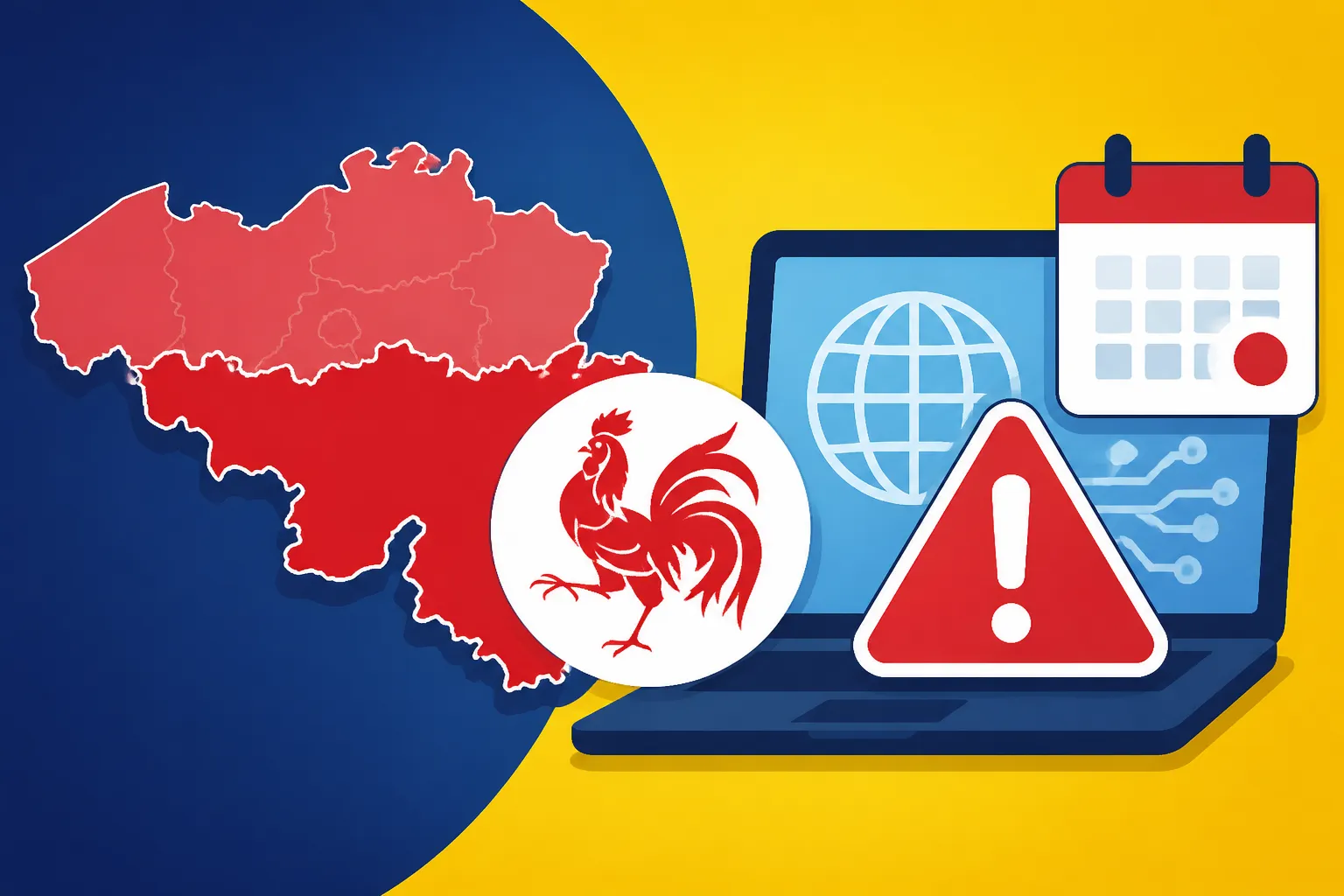
The "May 2026 digital deadline" in the Wallonia Region specifically refers to the full implementation of mandatory digital submission for certain types of work and single permit applications. This isn't just about scanning a PDF and emailing it; it's about using a dedicated online portal. For Wallonia, this means the Mahis digital mandate will become the exclusive method for employers to submit applications for single permits and work permits. After this date, traditional paper submissions will simply no longer be accepted. This is a critical shift, as it places the onus on employers to be fully integrated into this new digital workflow. The goal is to move towards a paperless system, where all required documents and communications are handled through a secure online platform. The digital mandate aims to centralize all requests for work permits and combined permits (single permits) within the Walloon Region, moving away from fragmented submissions. This applies to both initial applications and renewals.
Impact on Expats and Visa Applications
While the digital mandate primarily impacts employers who are sponsoring your single permit or work permit, it has direct implications for you as an expat. Your application process might feel different, and certain aspects will require your proactive cooperation with your employer.
How Does This Affect Single Permits and Work Visas?
For individuals seeking to live and work in Wallonia, the most immediate effect is that your employer must use the new digital system. If they don't, your application won't even be considered. This means you need to ensure your prospective employer is fully aware of and compliant with these new procedures. They will be responsible for uploading all necessary documentation, from your employment contract to proof of your qualifications. The shift to a digital platform also means that the processing times should ideally become more predictable, as applications can be tracked more effectively within the system.
For example, when applying for a Single Permit (Gecombineerde Vergunning) Process for Workers, your employer will gather all the paperwork: your passport copy, employment contract, degree certificates, and potentially a criminal record check. Instead of couriering a hefty package, they'll be uploading these documents directly to the Walloon government's portal. This doesn't necessarily change what documents are needed, but how they are submitted. One crucial element that might involve you directly is ensuring all your foreign documents are properly legalized and translated into French or Dutch. Services like RushTranslate can be invaluable here, ensuring your birth certificate or academic transcripts meet the strict Belgian requirements for official translation, a step that’s often overlooked until the last minute. This upfront preparation can significantly speed up the digital submission process for your employer.
The Role of the "Working in Belgium" Portal
The "Working in Belgium" portal is the overarching digital platform for work and single permit applications across Belgium. While each region has its specific nuances, the federal portal serves as the centralized entry point. For the Wallonia Region, the Mahis system integrates with or operates through this broader federal framework. This portal is designed to provide a single, unified interface for employers to manage applications, track their status, and communicate with regional authorities.
Think of it as a central dashboard. Once your employer submits your application through this portal, you might get updates directly, or your employer will relay them to you. It's a significant improvement over the old days where you were often in the dark, waiting for a letter to arrive. The portal also includes features for employers to manage multiple applications, receive notifications about deadlines, and respond to requests for additional information. This transparency is a double-edged sword: while it reduces ambiguity, it also means any delays or errors are immediately visible, making it even more important for all parties to ensure everything is perfect on the first submission. This portal is integral to the Single Permit Digital Transition 2026: The 'Working in Belgium' Portal.
Navigating the New Digital Landscape
Getting your ducks in a row for a Belgian visa application has always been a task, but with this digital shift, preparation takes on a new level of importance. It’s about being proactive and ensuring everything is in perfect order before your employer even touches that "submit" button.
Preparing Your Documents for Digital Submission
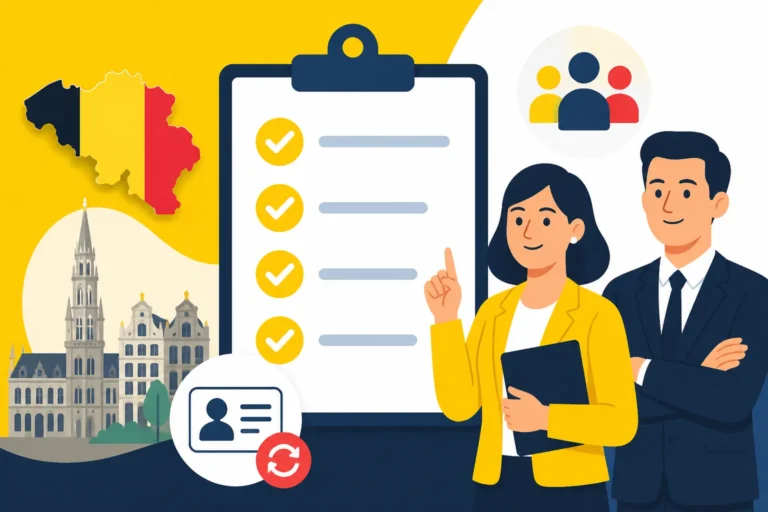
The core requirement hasn't changed: you still need accurate, complete, and correctly attested documents. What has changed is that these documents will now exist in a digital format. This means:
- High-Quality Scans: Ensure all your original documents are scanned at a high resolution. Blurry or illegible scans will likely lead to rejection or requests for resubmission, causing unnecessary delays.
- Official Translations: Any document not in French, Dutch, German, or English will need an official, sworn translation. This is where services like RushTranslate become indispensable. They specialize in legal and official translations accepted by Belgian authorities. Don't underestimate this step; a bad translation can derail your entire application. Make sure the translation is certified and apostilled if required for your specific country of origin and document type.
- Apostille or Legalization: Depending on your country of origin and the type of document, you may need an apostille or legalization from the Belgian embassy or consulate in your home country. This confirms the authenticity of the document. These processes can take time, so start early!
- Organized Files: Help your employer by providing well-named, organized digital files. For instance, "Passport_JohnDoe.pdf," "EmploymentContract_JohnDoe.pdf," "UniversityDegree_JohnDoe_Translated.pdf." This attention to detail can prevent confusion and speed up the employer's submission process.
Remember, the goal is to make it as easy as possible for the civil servant reviewing your application to find and verify all the necessary information. Any obstacle, however small, can cause a holdup.
What if There Are Technical Glitches or Delays?
Even with the best intentions, digital systems can have their quirks. What happens if the portal crashes, or your employer faces a technical issue during submission?
- Communication is Key: Maintain open and clear communication with your employer's HR or legal team. They are your primary point of contact for the application.
- Proof of Attempt: If there are known system outages, your employer should document their attempts to submit. While rare, extreme circumstances might allow for alternative submission methods, but these are exceptions, not the rule.
- Expect a Learning Curve: Both employers and government officials will be adjusting to this new system. There might be initial delays or confusion as everyone gets up to speed. Patience, while frustrating, will be necessary.
- Check for FAQs and User Guides: The Walloon Region and the federal "Working in Belgium" portal usually publish detailed user guides and FAQs. Encourage your employer to consult these resources if they encounter problems.
It’s worth noting that simply having trouble with the digital system won't exempt your employer from the May 2026 deadline. They need to adapt, or your application won't proceed.
Staying Compliant and Avoiding Pitfalls
The digital deadline is just one piece of the puzzle. Once your single permit or work visa is granted, your journey of compliance continues.
- Address Registration: Upon arrival, you'll still need to register at your local commune within eight days, a critical step for all new residents. This will trigger the process for getting your Belgian eID card. For a deeper dive into this, you might find our guide on Registering at the Commune: The 8-Day Rule After Arrival helpful.
- Health Insurance: Ensure you have comprehensive health insurance. This is a non-negotiable requirement for residence in Belgium. While the public mutuelle system is excellent once you're fully integrated, a private international health insurance provider like Cigna Global can bridge the gap during your initial months or offer supplementary coverage that aligns with your specific needs. Having this sorted early also demonstrates your commitment to being a responsible resident. For more details on this, check out Private Health Insurance in Belgium: When Do Expats Really Need It?.
- Renewals: Be mindful of your permit expiry dates. The digital system should make renewal applications smoother, but it's still your responsibility to initiate the process well in advance. Understanding Renewing Your Single Permit: Deadlines and Digital Submission is crucial for continued stay.
- Changing Jobs: If you change employers while on a single permit, you often need to go through a new application process. The digital system should also facilitate these transitions, but it's not an automatic transfer. The article Changing Employers on a Single Permit: Do You Need a New Visa? can provide more context on this often-tricky situation.
It's a lot to keep track of, but staying on top of these administrative requirements is essential for a smooth expat life in Belgium.
Beyond the Deadline: Future Implications
This digital deadline in Wallonia isn't an isolated event; it's part of a broader trend towards modernizing public services across Belgium. Understanding this context can help expats anticipate future changes and adapt more easily.
Broader Trends in Belgian Immigration and Administration
Belgium is actively working towards greater efficiency in its immigration and administrative processes. We're seeing more services shift online, from tax filing via Tax-on-web (MyMinfin) to accessing medical records through MyHealth.belgium.be. The goal is to reduce bureaucratic burdens, improve data accuracy, and offer more user-friendly interfaces. This means that while May 2026 focuses on work and single permits in Wallonia, similar digital transformations are likely to continue across other regions and for other types of permits and services. It’s part of a concerted effort to enhance services for both citizens and foreign residents, making Belgian Visas and Residence Permits: The Complete 2027 Guide increasingly digital-first.
Resources and Support for Expats in Wallonia
Living in Wallonia offers a unique blend of historical charm, beautiful landscapes, and a vibrant cultural scene. While the administration can be a headache, there are resources available to help you.
- Regional Expat Desks: Many cities and regions, including some in Wallonia, have dedicated expat desks or welcome offices. These can be invaluable for general advice and guidance, even if they can't directly handle your visa application.
- Immigration Lawyers: For complex cases or if you're an employer struggling with the new digital system, consider hiring an immigration lawyer. Their expertise can save a lot of time and stress, ensuring compliance with the latest regulations.
- Online Expat Communities: Platforms like Facebook groups for expats in Wallonia or specific cities can offer peer support, practical tips, and sometimes even recommendations for services. Just be mindful that advice from fellow expats, while well-intentioned, isn't always legally accurate.
- Official Websites: Always cross-reference information with official sources like the Walloon Region's Economy, Employment, and Research department (SPW EER) website and the federal Immigration Office (Office des Étrangers/Dienst Vreemdelingenzaken – DOFI).
Here’s a quick overview of how the digital shift in Wallonia compares to the old system:
| Feature | Old System (Pre-May 2026) | New System (Post-May 2026) |
|---|---|---|
| Submission Method | Primarily paper-based, postal mail, or in-person | Exclusively digital via "Working in Belgium" portal (Mahis) |
| Processing Time | Often unpredictable, manual tracking | Aim for more streamlined, trackable processing |
| Transparency | Limited visibility for applicants/employers | Improved status tracking and communication within portal |
| Required Documents | Same document types, but physical copies | Same document types, but high-quality digital uploads |
| Employer Responsibility | Physical submission and follow-up | Digital submission and active management on portal |
| Risk of Error | Higher due to manual handling, lost papers | Reduced manual errors, but technical proficiency needed |
The digital deadline in Wallonia for work and single permit applications in May 2026 represents a significant step forward for Belgian administration. While change can be daunting, especially in a new country, this move is ultimately designed to make processes more efficient. For you, the expat, it means ensuring your documents are impeccable, working closely with your employer, and staying informed about the digital tools now at play. With careful preparation and a proactive approach, you'll navigate this new digital landscape like a seasoned Belgian resident.
Disclaimer
The information provided in this guide is for general informational purposes only and does not constitute legal or professional advice. While we strive to keep the information up-to-date and accurate, regulations regarding visas, immigration, and regional administrative procedures in Belgium can change frequently. Always consult with official Belgian government sources (e.g., the Immigration Office, regional employment services), or a qualified immigration lawyer for advice tailored to your specific situation. We are not responsible for any actions taken based on the information presented herein.