Single Permit Digital Transition 2026: The ‘Working in Belgium’ Portal
Oh, the Belgian Single Permit! If you're an expat, or aspiring to be one, that phrase probably conjures up images of endless paperwork, multiple visits to different offices, and the gnawing anxiety of waiting. Trust me, I've been there, staring at a stack of documents wondering if I’ve missed something crucial. But hold onto your hats, because Belgium is finally ushering its immigration processes into the 21st century with a major digital transition, particularly for the Single Permit. This guide is here to walk you through the ins and outs of the 'Working in Belgium' portal, the digital deadlines, and what it all means for you, so you can navigate this new landscape without losing your cool.
The New Digital Landscape: What is the 'Working in Belgium' Portal?
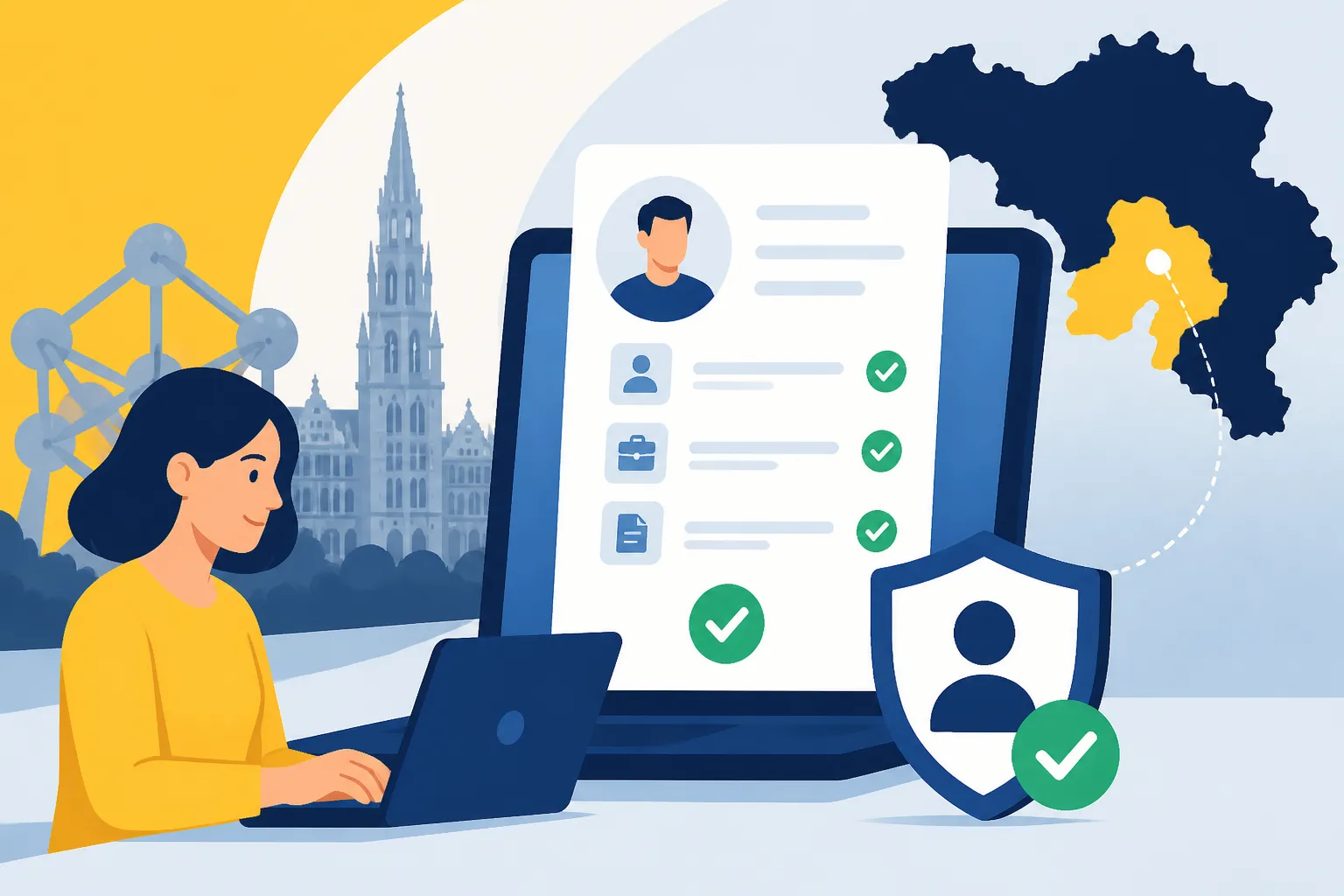
For years, getting a Single Permit in Belgium felt like an archaeological dig – sifting through paper, sending documents by registered mail, and praying nothing got lost in the administrative ether. The introduction of the 'Working in Belgium' portal marks a significant, and frankly, long-overdue, shift towards a fully digital application process. This online platform is designed to streamline the submission and management of Single Permit applications, making it (hopefully!) less of a headache for both employers and foreign workers.
From Paperwork to Pixels: The Motivation Behind the Shift
The move to digital wasn't just about making things prettier; it was born out of a real need for efficiency and transparency. Belgium's Single Permit system, which combines the work permit and residence permit into one document, is inherently complex due to the regional division of powers. Each of Belgium's three regions – Wallonia, Flanders, and Brussels-Capital – has its own economic migration policy, even though the Immigration Office handles the residence aspect at the federal level. This often led to fragmented processes, duplicated efforts, and confusing communication channels. The digital portal aims to centralize the application submission, allowing all relevant authorities to access and process information from a single, unified source. The goal is to reduce processing times, minimize errors, and provide a clearer overview of each application's journey, which, for expats like us, means less nail-biting waiting around.
Key Features and Benefits for Expats and Employers
The 'Working in Belgium' portal offers several features that are a breath of fresh air. For employers, it means they can submit applications directly online, upload all supporting documents, and track the progress of their employees' permits in real-time. This significantly reduces the reliance on snail mail and the associated delays. For us expats, while we might not directly interact with the portal for the initial submission (that's usually handled by your employer or a legal representative), the benefits trickle down. You can expect faster processing, clearer communication, and hopefully, fewer requests for additional documents because everything is submitted systematically. The system is designed to provide greater transparency, so delays or issues can be identified and addressed more quickly. It's a move towards a more modern, user-friendly administrative experience – a far cry from the days of deciphering obscure forms in three languages!
Navigating the 2026 Digital Deadline: Regional Specifics
One of the quirks of Belgian administration is its regionalized approach, and the digital transition for the Single Permit is no exception. While the general shift to digital is national, the specific mandates and timelines can vary slightly depending on where your job is located. It’s absolutely crucial to understand these regional nuances, as missing a digital deadline could cause significant delays or even rejection of your application.
Wallonia's Digital Mandate: May 2026 and Beyond
Wallonia has been particularly proactive in pushing for this digital transformation. As of May 2026, all Single Permit applications for employment based in the Walloon Region must be submitted digitally through the 'Working in Belgium' portal. This isn't a suggestion; it's a hard deadline. What this means for employers is that any paper application submitted after this date will likely be deemed inadmissible, leading to immediate rejection and the need to resubmit everything online. For expats working in Wallonia, ensure your prospective employer or their HR department is fully aware of this. If you're discussing a job offer, it's worth asking about their process for submitting your Single Permit application to make sure they're aligned with the new digital requirements. This proactive step can save you a lot of grief down the line. You can find more specific details about this on the regional portals, which emphasize the transition away from physical mail for these types of applications.
Brussels and Flanders: Harmonizing Digitalization
While Wallonia led the charge with a strict May 2026 deadline, Brussels and Flanders are also fully committed to the digital transition. Both regions have been progressively implementing their own digital submission platforms and are integrating them with the broader 'Working in Belgium' portal. The goal is a harmonized national system where all Single Permit applications, regardless of the region of employment, are submitted and processed digitally.
For Brussels and Flanders, the transition has been more of a gradual rollout, but the expectation is that by the end of 2026, digital submission will be the norm across the board. Employers in these regions have been strongly encouraged to adopt digital filing, and most are already utilizing the online systems. This gradual approach has allowed for some flexibility and adaptation, but it doesn't mean you should expect to submit paper applications for much longer. The shift is inevitable and comprehensive. My advice? Assume digital is the default, no matter which region you're heading to. This proactive mindset will serve you well in avoiding any last-minute surprises. The days of relying on the post office for your crucial immigration documents are quickly becoming a thing of the past.
Step-by-Step: Submitting Your Single Permit Application Digitally
Even if your employer or a specialist immigration firm handles the actual submission, understanding the digital application process for the Single Permit is invaluable. It helps you prepare your documents correctly, anticipate potential questions, and generally feel more in control of a process that often feels opaque.
Gathering Essential Documents for Online Submission
The core documents required for a Single Permit application haven't fundamentally changed, but their format for digital submission is crucial. You'll need high-quality digital copies (scans or clear photos) of everything. Here’s a typical checklist:
- Valid Passport: A scan of your entire passport, especially the biodata page and any previous visas. Make sure it has sufficient validity beyond your intended stay.
- Work Contract: The signed employment contract with your Belgian employer. This is absolutely central, as it proves your economic integration.
- Proof of Qualifications: Your diplomas and relevant professional certificates. If these are from outside the EU, you might need to get them legalized or apostilled, and sometimes translated by a sworn translator if not in French, Dutch, German, or English. RushTranslate can be a lifesaver here for quick and accurate translations.
- Medical Certificate: A specific medical certificate issued by a doctor approved by the Belgian embassy or consulate in your home country. This must confirm you are not suffering from any diseases that could endanger public health. You can find more information on preparing medical certificates for a Belgian visa application.
- Certificate of Good Conduct/Criminal Record Check: Proving you don't have a criminal record. This usually needs to be recent (within six months).
- Proof of Health Insurance: While your Single Permit typically means you'll register with a Belgian mutuelle (health insurance fund) once you arrive, you might need proof of temporary travel or international health insurance like Cigna Global for the initial visa application stage, covering you until your Belgian social security is active. This ensures you're covered for any emergencies from day one. Details on compulsory coverage basics: who must enroll in mutuelle/ziekenfonds explain more about the Belgian system once you're here.
- CV and Motivation Letter: Sometimes requested, especially for highly skilled worker permits.
- Employer Documents: Your employer will also need to submit a raft of documents, including their company registration, proof of solvency, and details about the position offered.
Ensure all documents are clear, legible, and correctly named when uploaded. Inconsistent naming or poor quality scans can cause delays, as authorities may request resubmission.
The Online Application Process: A Walkthrough
The actual submission process through the 'Working in Belgium' portal typically involves these steps, primarily for the employer or their authorized representative:
- Account Creation and Login: The employer (or their designated agent) first needs to create an account on the 'Working in Belgium' portal. This usually requires an authenticated login using a Belgian eID or a digital key like Itsme.
- Initiating a New Application: Once logged in, they will select the option to start a new Single Permit application. They’ll be prompted to choose the relevant region (Flanders, Wallonia, or Brussels) based on the workplace location.
- Filling in the Application Form: This is where all the personal details of the foreign worker (you!), employment details, and other pertinent information are entered into structured fields. Accuracy is paramount here.
- Uploading Documents: This is the critical digital step. All the documents you've gathered (passport, contract, diplomas, medical certificates, etc.) are uploaded to the system. The portal will often have specific requirements for file types (e.g., PDF) and maximum file sizes. Make sure each document is categorized correctly.
- Review and Submission: Before final submission, the system allows for a thorough review of all entered data and uploaded documents. This is the last chance to catch any errors. Once confirmed, the application is officially submitted.
- Payment of Fees: Any applicable administrative fees are usually paid online through the portal.
The entire process is designed to be guided, with prompts and fields ensuring all necessary information is provided. While it sounds straightforward, it's still a detailed process that requires careful attention. This is why many employers opt for immigration lawyers or specialized HR services to handle it, especially given the complexities of regional requirements and specific salary thresholds for highly skilled workers in Brussels, Wallonia, and Flanders.
Tracking Your Application Status Online
One of the biggest advantages of the digital transition is the ability to track your visa status on the DOFI (Immigration Office) website or directly through the 'Working in Belgium' portal. After your employer submits the application, they will receive a confirmation with a unique reference number. This number can then be used to check the status.
The portal provides updates at various stages, such as "Submitted," "Under Review by Region," "Decision by Region," "Sent to Immigration Office," "Decision by Immigration Office," and finally, "Decision Sent to Embassy/Consulate." While the processing times can still vary, knowing where your application stands can significantly reduce anxiety. It also allows your employer to respond quickly if any additional information or clarification is requested by the authorities. While the official processing time for a Single Permit is generally up to 120 days from the date of the complete application, having digital tracking makes the waiting period a bit more bearable. You can also monitor how long a Single Permit takes to process in 2026 for general timelines.
Common Challenges and Troubleshooting for Expats
While the digital transition is a huge step forward, it doesn't mean the process is entirely frictionless. Expats and employers can still encounter challenges. Being aware of these common hurdles can help you prepare and react effectively.
Technical Glitches and Digital Hurdles
Even the most robust online systems can have their moments. You might encounter issues with document upload limits, specific file formats not being accepted, or temporary portal downtime. Internet connectivity can also be a factor, especially if you’re applying from a country with less stable infrastructure. It's frustrating, I know, but these things happen.
Tips for navigating technical glitches:
- Browser Compatibility: Always use a recommended browser (often Chrome or Firefox) and ensure it's updated. Clear your cache and cookies if you encounter persistent errors.
- File Preparation: Convert all documents to PDF format, if possible, and ensure file sizes are within specified limits. Many online tools can compress PDFs without significant loss of quality.
- Save Frequently: If the portal allows it, save your progress often to avoid losing data if there's a technical hiccup.
- Screenshot Errors: If you encounter an error message, take a screenshot. This can be crucial evidence if you need to contact technical support or explain a delay to the authorities.
- Plan Ahead: Don't leave the submission to the last minute. This gives you a buffer to deal with any unforeseen technical issues.
Language Barriers and Support Resources
Belgium is trilingual (Dutch, French, German), and while the 'Working in Belgium' portal typically offers interfaces in at least Dutch and French, English might not always be fully supported for every section or help document. This can be a significant barrier for many expats and even some employers.
Resources to help with language barriers:
- Translation Tools: Use reputable online translation services (like DeepL or Google Translate) for understanding instructions, but never for translating official documents, which must be done by a sworn translator.
- Employer Support: Your employer's HR department or the local immigration specialist they use should be able to guide you through any language-specific requirements.
- Expat Forums and Groups: Online expat communities are excellent resources for shared experiences and advice on specific issues. Someone else has probably faced the same problem and found a solution.
- Professional Assistance: If you're struggling, consider hiring an immigration lawyer or consultant. They are well-versed in all regional languages and administrative jargon. This is where getting hiring an immigration lawyer: when do you need professional help? becomes very relevant.
Preventing Delays and Rejections
The digital system is designed to reduce errors, but it's not foolproof. The onus is still on the applicant (or their representative) to provide accurate and complete information. Common reasons for delays or rejections include:
- Incomplete Documentation: Missing a single required document can halt the process.
- Incorrect Information: Even minor discrepancies between your passport and application form can cause issues.
- Poor Quality Scans: Unreadable documents are as good as missing documents.
- Not Meeting Salary Thresholds: For highly skilled workers, failing to meet the minimum salary thresholds for your specific region is a common reason for rejection.
- Unclear Motivation: For certain permit types, the motivation letter or business plan must clearly justify your presence and contribution to the Belgian economy.
- Expired Documents: Ensure passports, medical certificates, and police checks are valid for the entire application period.
To prevent these, double-check everything. Triple-check it, even! A thorough review by an experienced professional can catch errors before submission. Remember, the goal is to make it as easy as possible for the authorities to approve your application.
The Broader Impact: How Digitalization Affects Your Stay
The digital transition for the Single Permit isn't just about the initial application; it impacts your entire journey as an expat in Belgium, from renewals to changing jobs. It fundamentally changes how your immigration file is managed.
Renewing Your Single Permit in the Digital Age
Just like the initial application, the renewal process for your Single Permit is also moving online. Gone are the days of paper forms to be collected from the commune (though commune visits remain essential for other steps like fingerprinting). Your employer will typically initiate the renewal application through the 'Working in Belgium' portal, usually several months before your current permit expires.
The process for renewing your Single Permit: deadlines and digital submission generally mirrors the initial application, requiring updated documents like a new work contract (if applicable), proof of continued employment, and sometimes updated medical or criminal record certificates if requested. The digital portal means that the regional authorities and the Immigration Office will have easy access to your previous application, which should theoretically speed up subsequent renewals. Make sure you and your employer are aware of the renewal deadlines – it’s often recommended to start the process at least 3-4 months before expiry to avoid any gaps in your legal status. If your current permit expires while your renewal is still being processed, you might receive an Annex 15 (Annexe 15/Bijlage 15), which temporarily legalizes your stay and work rights.
Changing Employers and Updating Your Digital File
If you plan to change employers on a Single Permit: do you need a new visa?, the digital system also plays a role. In most cases, changing employers requires a new Single Permit application, as the permit is tied to specific employment. This means your new employer will need to initiate a fresh application via the 'Working in Belgium' portal.
The good news is that because your digital file exists, some of your personal data might already be in the system, potentially making the process slightly smoother. However, all employment-specific documents (new contract, job description, etc.) will need to be provided. It's crucial to understand that your work rights are generally only valid with the employer specified on your Single Permit. Therefore, if you switch jobs, you cannot start working for the new employer until their Single Permit application for you has been approved, or at least until you've received an Annex 15 that grants temporary work authorization. Always consult with your new employer's HR or an immigration specialist to navigate this transition carefully to avoid any legal complications regarding your right to work.
Preparing for a Smooth Transition: Tips for Expats and Employers
The digital age for Single Permits is upon us, and while it promises efficiency, preparation is key. Both expats and employers have roles to play in ensuring a smooth transition to this new online system.
Utilizing Professional Assistance
Navigating Belgian immigration can be notoriously complex, and the shift to digital doesn't remove all the intricacies, especially with the regional specificities. This is where professional help becomes invaluable.
Immigration Lawyers and Consultants: For employers, especially those who frequently hire international talent, engaging an immigration lawyer or specialized consultancy firm is highly recommended. These professionals are experts in Belgian immigration law, are up-to-date on all digital portal requirements, and can ensure that applications are submitted correctly and efficiently. They can also represent your interests in case of complications. As an expat, if your employer doesn't have such resources, you might consider consulting one yourself, especially if your situation is complex. There are many excellent firms in Brussels and other major cities that specialize in expat immigration.
Sworn Translators: As mentioned, official documents not in French, Dutch, German, or English often require a sworn translation. Services like RushTranslate can provide certified translations quickly, which is crucial when digital submissions have tight deadlines. Remember, machine translations are generally not accepted for official purposes.
Proactive Communication with Authorities
The digital portal improves transparency, but direct, proactive communication can still be essential.
- Employer-Commune Dialogue: Employers should maintain good communication channels with the relevant regional economic migration departments and the federal Immigration Office. If there are ambiguities or specific questions about an application, reaching out directly for clarification can prevent delays.
- Responding to Requests Promptly: If the portal indicates that additional documents or clarifications are needed, respond as quickly as possible. Delays on your end will directly lead to delays in permit processing.
- Keep Copies: Even though everything is digital, it’s always a good idea for both the expat and the employer to keep digital copies of all submitted documents and correspondence for their records. This can be very useful if a question arises later, or if there's a need to track the application's history.
By embracing the 'Working in Belgium' portal and understanding its nuances, both expats and employers can significantly ease the process of obtaining and managing Single Permits in Belgium. It's a new chapter in Belgian bureaucracy, and with a bit of foresight, it's one you can navigate successfully.
Disclaimer
The information provided in this guide is for general informational purposes only and does not constitute legal advice. While we strive to keep the information accurate and up-to-date, immigration laws and procedures in Belgium can change frequently. It is always recommended to consult with an immigration professional or the official Belgian authorities (such as the Immigration Office or regional employment services) for advice tailored to your specific situation. We are not responsible for any actions taken based on the information presented here.