ONE (Office de la Naissance et de l’Enfance) Guide in Wallonia
Navigating the Belgian healthcare system while pregnant or caring for a newborn can feel like being tossed into a sea of acronyms and paperwork. I remember staring at a French brochure in a Liège waiting room, wondering how on earth I was supposed to track my baby's developmental milestones in a language I was still learning. This guide simplifies the ONE (Office de la Naissance et de l'Enfance) system in Wallonia, ensuring you access every free resource available for your child's first years.
Understanding the Office de la Naissance et de l'Enfance
The Office de la Naissance et de l'Enfance, universally known as ONE, is the public institution responsible for supporting families, children, and pregnant women in the French-speaking regions of Belgium. While Flanders has its own equivalent system, which you can read about in our Kind en Gezin Registration Process for New Expat Parents guide, ONE serves residents of Wallonia and French-speaking families in Brussels.
For an expat, ONE is essentially your "village." It is a preventative health service, meaning it doesn't replace your primary doctor or pediatrician for acute illnesses, but it provides a massive safety net of monitoring, vaccinations, and parental advice. The most surprising part for many newcomers is that the majority of these services are entirely free of charge, regardless of your income level, provided you are a resident.
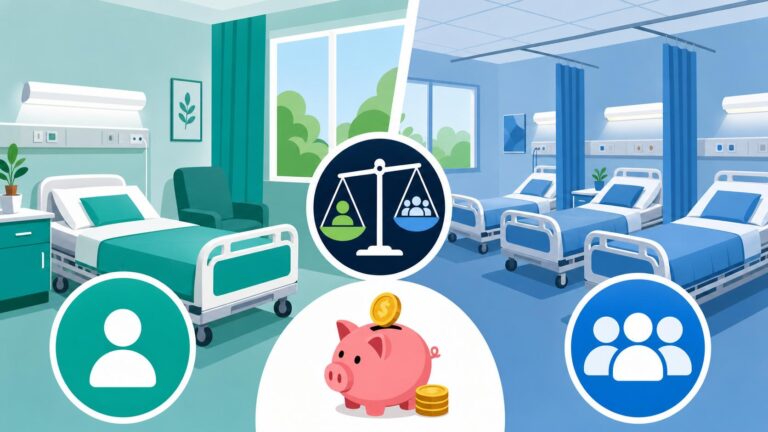
In my experience, the true value of ONE isn't just the medical checkups; it’s the peace of mind. When you are far from your own parents or support network, having a dedicated professional to ask about sleep patterns or breastfeeding is invaluable. While public insurance is mandatory, some expats choose to supplement their coverage with Cigna Global to ensure they have access to private rooms or specific international specialists alongside these public services.
The Role of the Partenaire Enfance et Famille
One of the first people you will meet from ONE is the Partenaire Enfance et Famille (PEF), formerly known as the TMS (Travailleur Médico-Social). This person is typically a nurse or a social worker specialized in early childhood. Their job is to guide you through the Family Health in Belgium: Pregnancy, Birth, and Pediatric Care landscape.
Initial Home Visits and Support
Soon after you arrive home from the hospital, or even before the birth if you request it, a PEF will offer to visit you at your home. This isn't an "inspection" of your house—though it can feel intimidating at first. It is an opportunity for them to check the baby’s weight, help with breastfeeding issues, and ensure you are recovering well. During my first visit in Namur, the nurse noticed I was struggling with the high humidity in our old apartment and gave me practical advice on preventing mold, which is a common issue for expats renting older Belgian properties.
Developmental Tracking and Advice
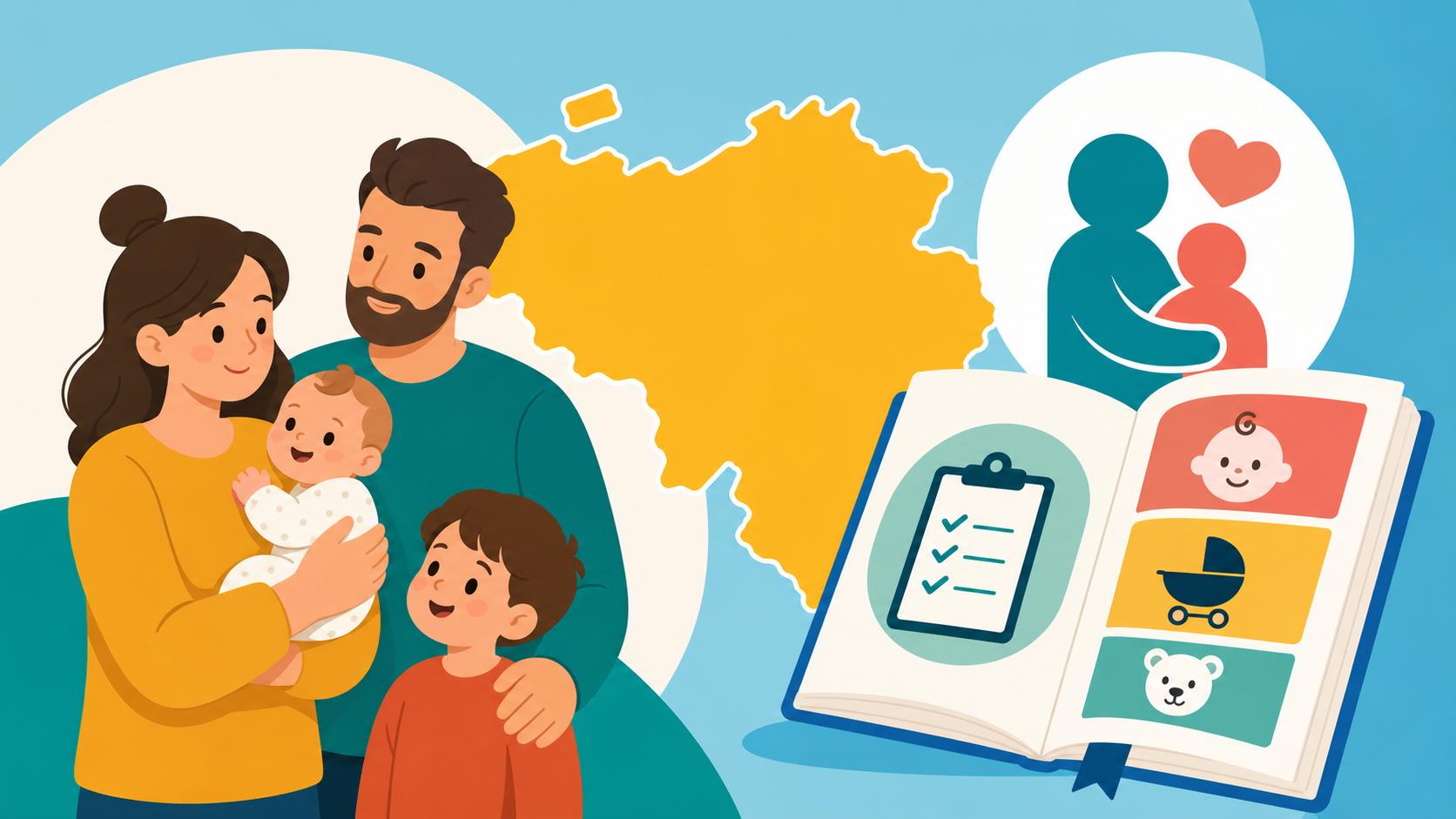
The PEF acts as a bridge between you and the medical world. They will provide you with the "Carnet de Santé de l’Enfant," a blue booklet that becomes your child’s most important document in Belgium. Every vaccination, weight gain, and developmental milestone is recorded here. If you ever find yourself Finding Medical Care in Belgium: GPs, Specialists, and Hospitals, you must bring this book with you. It ensures that every doctor your child sees is on the same page.
Child Health Clinics and Consultations
ONE operates a network of "consultations pour enfants" (child clinics) across Wallonia. These are fixed locations, often in the center of town or attached to a community building, where you can bring your child for regular checkups.
Booking and Frequency of Visits
In the beginning, you will visit the clinic frequently—usually once a month for the first few months. As your child grows, the visits stretch out to every three or six months until they reach age six. These appointments are pre-booked. In larger hubs like Charleroi or Mons, you can often find clinics with staff who speak some English, though the official documentation will remain in French.
What Happens During a Consultation
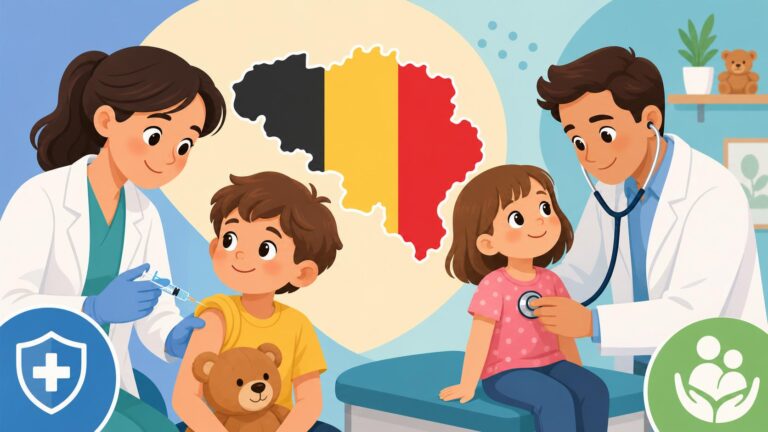
Each visit follows a specific routine. First, you meet with a volunteer who helps you undress and weigh the baby. Then, you see the PEF to discuss any parenting concerns. Finally, a doctor (often a pediatrician or a GP specialized in childhood) performs a physical exam. This is the time to ask about nutrition, screen time, or behavioral changes. If you need specific supplements like Vitamin D or specialized baby lotions not always found in local pharmacies, many expats use iHerb to source international brands they trust.
Vaccinations and the Compulsory Polio Law
One of the most critical functions of the ONE clinics is the administration of vaccines. Belgium takes public health seriously, and the ONE calendar is designed to protect children from a young age.
The Polio Requirement
It is vital to understand that while many vaccines are recommended, the polio vaccine is a legal requirement in Belgium. You will be asked to provide proof of this vaccination to your local commune shortly after your child’s 18-month checkup. Failure to do so can lead to legal complications during your Registering for Public Health Insurance: Step-by-Step at Your Commune process or when renewing residency permits.
The Vaccination Schedule
ONE follows the official Belgian vaccination calendar, providing shots for measles, mumps, rubella, whooping cough, and more. These vaccines are free when administered at an ONE clinic. For a detailed look at the timeline, see our article on Vaccinating Babies in Belgium: The Compulsory Polio Vaccine Law. If you prefer to have vaccines administered by a private pediatrician, you may have to pay for the consultation, though the Mutuelle and Ziekenfonds: Public Health Insurance Registration Guide systems usually reimburse a significant portion of the cost.
| Service Type | ONE Clinic (Public) | Private Pediatrician |
|---|---|---|
| Cost of Consultation | Free | €30 – €60 (Partially Reimbursed) |
| Vaccination Cost | Free (for basic calendar) | Free (but must pay for visit) |
| Home Visits | Included and Encouraged | Rarely Available |
| Waiting Times | Can be long for appointments | Usually faster for urgent issues |
| Language | Primarily French | Often Multilingual |
Navigating the Childcare System via ONE
If there is one thing that causes expat parents in Wallonia more stress than anything else, it is finding a "crèche" (nursery). In Belgium, you are expected to start looking for a childcare spot almost as soon as you have a positive pregnancy test.
Types of Childcare Regulated by ONE
ONE oversees several types of childcare. The "Crèches" are larger facilities, while "Accueillantes d'enfants" are smaller, home-based providers who look after a handful of children. Both are strictly regulated for safety and quality. When you are Choosing a Hospital for Delivery: Public vs Private Rooms, you should already have a list of local crèches in your pocket.
The Registration Struggle
Registration is handled differently depending on the commune. In some parts of Wallonia, you must contact each crèche individually; in others, there is a centralized system. The PEF at your local ONE center can tell you exactly how it works in your specific neighborhood. They can’t always "get you in" to a full nursery, but they can give you the names of accredited childminders you might have missed in a Google search.
Practical Steps to Register with ONE
If you are moving to Wallonia with a child under six, or if you have just discovered you are pregnant, your first step should be to locate your "antenne" (local branch).
- Find Your Center: Visit the official ONE website and use the "recherche" tool to input your postal code.
- Make the First Contact: You can call or visit the office. Even if your French is basic, simply saying "J'ai un nouveau-né" (I have a newborn) will get the process started.
- Prepare Your Documents: Have your residence permit or the "Annex" document you received from the commune. If your eID hasn't arrived yet, don't worry; they will still help you.
- Request a Home Visit: Especially if you are a first-time parent or new to the country, ask for a PEF to visit. It is the fastest way to get your child's medical booklet.
During these early stages, your health and the baby’s health are paramount. Many expats find that having a global health plan like Cigna Global allows them to bridge the gap between arriving and getting fully integrated into the Belgian social security system. While waiting for your Belgian ID, you might also find it easier to order maternity and postpartum supplies through iHerb rather than navigating the specific pharmacy rules for non-prescription items.
Support for Mental Health and Isolation
Moving to a new country is hard. Moving to a new country while sleep-deprived and responsible for a tiny human is monumental. ONE acknowledges this through their support for Mental Health in Belgium: Therapy, Psychiatry, and Expat Support.
The clinics often host "Lieux de rencontre enfants et parents" (Meeting places for children and parents). These are informal drop-in sessions where kids can play and parents can have a coffee and chat. In places like Waterloo or Ottignies-Louvain-la-Neuve, where there are large expat populations, these meetings are a lifeline. They help break the isolation that often comes with the "grey" Belgian winters.
If you ever feel overwhelmed, tell your PEF. They are trained to spot signs of postpartum depression and can refer you to specialists who work within the Postpartum Care: Kind en Gezin, ONE, and Home Nursing Visits framework. You aren't expected to handle the "Belgian way" of parenting perfectly from day one.
Important Disclaimer
The information provided in this guide is for educational and informational purposes only. While every effort has been made to ensure the accuracy of the details regarding the ONE system in Belgium, regulations and procedures can change. This guide does not constitute medical, legal, or professional administrative advice. Always consult with the official Office de la Naissance et de l'Enfance (ONE) or a qualified healthcare professional in Belgium for specific advice regarding your family's health and legal obligations.