Mental Health in Belgium: Therapy, Psychiatry, and Expat Support
Moving to a new country often involves a honeymoon phase, but for many expats in Belgium, that eventually gives way to the crushing weight of "gray-sky syndrome" and bureaucratic isolation. I remember sitting in my first unfurnished Brussels apartment, listening to the rain and feeling a profound sense of loneliness that no amount of chocolate could fix. This guide provides a comprehensive roadmap for navigating therapy, psychiatry, and community support so you don't have to struggle alone.
The Belgian Mental Health Landscape
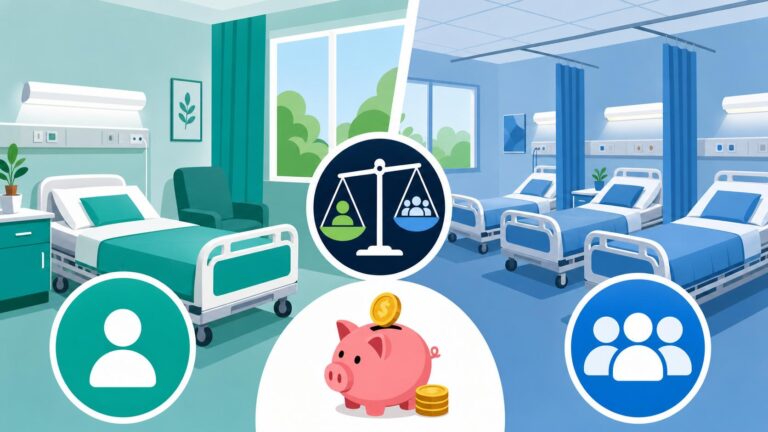
Belgium has one of the most sophisticated healthcare systems in the world, yet the mental health sector can feel like a labyrinth of Dutch and French terminology. The system is currently undergoing a massive shift towards community-based care, moving away from large psychiatric hospitals toward local networks. For an expat, this means more options but also more confusion about where to start. You are essentially dealing with two parallel worlds: the public system, which is highly subsidized but often has long waiting lists, and the private system, which offers faster access and more English-speaking options but requires better insurance coverage.
Navigating this requires understanding that mental health care is deeply integrated with your social security. If you are working here, your Social Security Contributions: How Employers Deduct Health Costs are already funding a significant portion of the public mental health infrastructure. However, the "public" label doesn't mean it is entirely free; it works on a reimbursement model. You pay a fee, and then your Mutuelle (public health insurance) pays you back a percentage. For foreigners, the cultural nuance is just as important as the cost. Belgian practitioners can be quite direct, and the therapeutic style often leans toward the psychoanalytical, though Cognitive Behavioral Therapy (CBT) is becoming more prevalent in urban hubs like Antwerp and Brussels.
One of the biggest hurdles I faced was the regional divide. If you live in Flanders, you’ll be looking for a Centrum Geestelijke Gezondheidszorg (CGG). In Wallonia or Brussels, you’ll look for a Centre de Télé-Accueil or a Service de Santé Mentale (SSM). These centers are the backbone of affordable care, but because they are so popular, you might find yourself on a three-month waiting list. This is why many expats choose to look for private practitioners immediately, especially those who specialize in the "expat experience"—dealing with identity loss, career stagnation, and the specific trauma of being far from home.
Public vs. Private Systems
The public system is designed for long-term sustainability. It is excellent for those who have the patience to navigate the intake processes and who need ongoing, affordable support. When you use the public SSM or CGG centers, the cost per session is often capped at a very low rate (sometimes as low as 11 to 15 Euros). However, these centers are usually staffed by Dutch or French speakers. While many Belgian doctors speak English, the administrative staff and the primary language of the group sessions will likely be local. If your mental health struggle is urgent but not a life-threatening emergency, the public system's slow pace can be frustrating.
In contrast, the private sector is where most English-speaking expats find their stride. Private psychologists and psychiatrists set their own rates, which can range from 60 to 150 Euros per session. The advantage here is speed and specialization. You can often book an appointment within a week via platforms like Rosa or Doctena. This is where having a robust international insurance policy like Cigna Global becomes a lifesaver. While the public Mutuelle offers some crumbs for private therapy, a private insurer can cover the bulk of these high fees, allowing you to choose a therapist who truly understands your cultural background rather than just the first person who has an opening.
Private care also offers more discretion. In the tight-knit "EU bubble" of Brussels, some professionals prefer seeing a private therapist outside of their immediate professional network to avoid any overlap. Private clinics like the CHL (Centre Hospitalier Le Domaine) offer specialized outpatient programs that bridge the gap between a weekly therapy session and full hospitalization. These "day programs" are excellent for people who are struggling but still want to maintain some semblance of a normal life.
The Language Barrier and Expat Realities
Language is the most significant barrier to effective mental health care. When you are in a state of distress, trying to explain your nuanced emotions in a second language is exhausting and often leads to misdiagnosis or a lack of connection with the therapist. I’ve seen many friends give up on therapy because they felt they had to "perform" or translate their pain into French or Dutch. It’s vital to find a practitioner who is either a native English speaker or has lived abroad. They need to understand that your "depression" might actually be "acculturation stress" or "identity grief."
In cities like Brussels, the demand for English-speaking therapists is astronomical. You might find that the best therapists don’t even advertise; they grow through word-of-mouth in expat Facebook groups. When you start Finding English-Speaking Therapy and Counseling in Belgium, look for those who explicitly mention "Expat Life" or "Third Culture Kids" in their bio. These professionals understand that your support system is 3,000 miles away and that your job might be the only thing anchoring you to this country.
Beyond the clinical language, there is the cultural language of the Belgian workplace. The Belgian "work to live" mentality can sometimes clash with the "live to work" attitude of many expats from the US or Asia. This friction causes a specific type of stress. A local therapist might tell you to just "take a sick note," but they might not understand the visa implications that an expat faces if they lose their job. Always ensure your therapist is aware of your residency status, as this heavily influences the "stakes" of your mental health journey.
Understanding Professionals: Psychologists vs. Psychiatrists
One of the most common mistakes newcomers make is booking the wrong type of professional. In Belgium, the distinction is strictly regulated and affects both your treatment plan and your wallet. If you need a diagnosis for something like ADHD or if you require medication for clinical depression, a psychologist cannot help you. You must see a psychiatrist. Conversely, if you want "talk therapy" to work through relationship issues or past trauma, a psychiatrist might only spend 20 minutes with you to manage your meds, leaving you feeling unheard.
Understanding how to navigate Accessing Mental Health Services: Psychologists vs Psychiatrists is the first step toward a successful recovery. Psychiatrists are medical doctors (MDs). They have spent years in medical school before specializing in the brain. Because they are MDs, their consultations are largely reimbursed by the state. You pay the "conventioned" rate, and the Mutuelle covers most of it. Psychologists, on the other hand, are highly trained but are not medical doctors. Until recently, they received almost zero reimbursement from the state, though this is finally changing.
I often suggest that expats use a "hybrid model." See a psychiatrist once every few months to manage any necessary prescriptions and to get a formal medical file started. Then, see a psychologist weekly or bi-weekly for the actual emotional work. This ensures your medical needs are met and your insurance (like Cigna Global) can see a clear medical necessity for the talk therapy, which often helps with reimbursement claims.
Role of the Psychiatrist (Medical)
A psychiatrist in Belgium is your gateway to the pharmaceutical side of mental health. They are the only ones who can prescribe antidepressants, anxiolytics, or stimulants for ADHD. If you are arriving in Belgium with a pre-existing condition and a prescription from your home country, your first stop should be a psychiatrist. A GP can sometimes refill prescriptions, but for long-term management and specialist-level care, a psychiatrist is required. They will also be the ones to sign off on official documents if you need to take an extended leave of absence from work.
Finding a psychiatrist who speaks fluent English and is taking new patients is arguably the hardest task in the Belgian medical system. Many are "non-conventioned," meaning they charge whatever they want above the state-regulated fee. While the Mutuelle will still reimburse you a small portion based on the state rate, you will be responsible for the "supplement." This is another area where Cigna Global shines, as they often cover these specialists without the long wait times associated with public psychiatric hospitals like the Erasme in Brussels or the UZ Gent.
Psychiatrists also play a crucial role in hospital admissions. If you ever find yourself in an acute crisis, the psychiatrist is the one who decides on admission to a P-dienst (psychiatric wing of a general hospital) or a dedicated psychiatric clinic. They oversee the clinical team, which includes nurses, occupational therapists, and social workers. In Belgium, there is a strong emphasis on "multidisciplinary" care, so don't be surprised if your psychiatrist asks to coordinate with your GP and your therapist.
Role of the Clinical Psychologist (Therapeutic)
Psychologists are the practitioners you will likely spend the most time with. Their role is to provide a safe space for dialogue, behavioral modification, and emotional processing. In Belgium, the title "Psychologist" is protected; the professional must be registered with the Commission of Psychologists. When you are looking for a therapist, always check for this registration to ensure they meet the national standards for education and ethics.
The therapeutic styles vary wildly. You will find plenty of Freudians in Brussels, but if you prefer modern approaches like EMDR (for trauma), ACT (Acceptance and Commitment Therapy), or traditional CBT, you need to be specific in your search. Many psychologists now operate in "group practices" where several therapists with different specialties share an office. This is often better for expats because these practices are more likely to have an English-speaking receptionist and a more modern booking system.
The cost of a psychologist is where many expats get a "bill shock." Since they aren't medical doctors, the reimbursement is much lower. However, if you have a Global Medical Record (DMG/GMD): Why You Need It for Better Refunds, your GP can sometimes refer you to a "first-line psychologist" which allows for a few sessions at a highly reduced rate. Without this, expect to pay out of pocket. It is an investment in your sanity, but it’s an investment that needs to be budgeted for carefully in a country with a high cost of living.
Specializations and Niche Therapies
Belgium is a hub for specialized psychological care if you know where to look. For example, there is a strong focus on "Burnout" therapy here, as it is a recognized medical condition in the Belgian labor market. Specialists in this field don't just talk about your feelings; they work on cognitive restructuring to help you handle the high-pressure environments of the European Commission or international law firms.
There are also niche clinics for eating disorders, addiction, and even "Integration Therapy" for refugees and expats. For those who find traditional talk therapy too stifling, Belgium has a rich tradition of "Ergotherapy" (occupational therapy) and creative arts therapies. These are often available through the SSM/CGG centers. If you are struggling with the transition, looking for a therapist who specializes in "intercultural psychology" can be a game-changer. They understand that your grief isn't just about a person—it’s about the loss of your culture, your language, and your social standing.
If you prefer a more holistic approach, you might find that certain practitioners integrate nutrition and supplements into their practice. While I always recommend clinical care first, many expats find that managing the physical toll of the Belgian climate (lack of sun, dampness) is a vital adjunct to therapy. Sourcing high-quality supplements like Vitamin D or Magnesium through iHerb can be a useful way to support your nervous system while you do the heavy lifting in your therapy sessions.
Navigating the Referral System and Costs
The Belgian system thrives on referrals. While you can technically call a specialist directly, it is almost always better to go through your General Practitioner (GP). Your GP is the conductor of your medical orchestra. Not only can they provide an initial screening for your mental health concerns, but they also hold your medical history, which is vital for avoiding drug interactions if you are prescribed medication.
When you start Choosing Your First GP (General Practitioner) in Belgium, try to find one you feel comfortable talking to about your "headspace." A good GP will have a list of local psychologists and psychiatrists they trust. They can write the referral letter that "unlocks" better reimbursement rates from your Mutuelle. Without this letter, some insurance providers might even deny your claim, arguing that the specialist visit wasn't medically necessary.
The financial aspect is a major stressor for expats. You need to understand the "tiers-payant" (third-party payer) system. Usually, you pay the full amount upfront, the doctor gives you a "receipt" (either a paper one or an electronic eAttest), and then the Mutuelle deposits the refund into your bank account a few days later. If you are struggling financially, you can ask for the "tiers-payant" where you only pay your "personal share" (the ticket modérateur), though this is more common for GP visits than for private psychiatry.
Starting with your GP
In your first 30 days in Belgium, finding a GP should be your top priority. Don't wait until you are in the middle of a panic attack to find a doctor. Your GP is the one who will open your Dossier Médical Global (DMG). This is a digital file that summarizes your health. Having a DMG significantly lowers your out-of-pocket costs for every medical visit you make in the future.
When you sit down with your GP, be honest. Tell them, "I'm struggling with the move, I'm not sleeping, and I feel overwhelmed." In Belgium, GPs are very accustomed to mental health consultations. They can perform basic blood tests to rule out physical causes of depression, such as Vitamin D deficiency or thyroid issues. They can also prescribe "first-line" medications if your symptoms are mild to moderate. More importantly, they can provide the "referral" that most Mutuelles require to grant you the (admittedly small) therapy reimbursement of around 10 to 20 Euros per session.
For more complex issues, the GP is your advocate. If you need to see a specialist but everyone says they are "full," a GP can sometimes call a colleague and "squeeze you in" for an urgent evaluation. This is the "hidden" side of Belgian medicine—it's often about who your doctor knows. This is why building a relationship with a local GP is a much better strategy than just using walk-in clinics.
Reimbursement through Mutuelle
Every resident in Belgium must belong to a Mutuelle (like Partenamut, Helan, or CM). This public insurance is what makes the Healthcare Budgeting: Copays, DMG/GMD, and Reimbursements system work. For mental health, the Mutuelle's "standard" package is often a bit underwhelming for private therapy. Most will offer a reimbursement for 8 to 12 sessions of therapy per year, usually capped at a small amount per session.
However, many Mutuelles offer "supplementary" insurance (like Hospitalia or Dentalia, but for mental health) that you can opt into. It’s worth checking the specific "Extras" your Mutuelle provides. For example, some provide a 100 Euro "wellness" voucher that can be used for mindfulness courses or sports memberships, which can be great for mental health maintenance. The key is to keep all your receipts. If your psychologist doesn't give you a formal receipt, ask for one. You cannot get reimbursed without it.
The rules for reimbursement can change annually. As of 2026, the Belgian government has increased the budget for "First-Line Psychological Care," which aims to make therapy more accessible to everyone. To qualify for these low-cost sessions (usually around 11 Euros), you must see a psychologist who has a specific agreement with the local healthcare network. Your GP will know who these "conventioned" psychologists are. It’s a great way to save money, but again, be prepared for a waitlist.
Private Insurance and Cigna Global
For many expats, the public system simply doesn't move fast enough. This is where private international health insurance like Cigna Global becomes essential. If you are used to a certain standard of care or if you need to see a high-end specialist in the city center, private insurance covers the "gap" that the Mutuelle leaves behind.
Most high-level private policies include "Outpatient Mental Health" coverage. This means you can see almost any private psychologist or psychiatrist of your choice, and the insurance will reimburse you based on your policy limits—often covering 80% to 100% of the fee. This freedom is invaluable when you are in a crisis. You don't have to worry if the doctor is "conventioned" or if you have a referral; you just book the help you need.
Furthermore, private insurance often includes access to "Global Telehealth." If you can't find an English-speaking therapist in your Belgian village, you can use your insurance's portal to talk to a therapist in the UK, the US, or your home country via video call. While it's always good to have someone "on the ground" in Belgium for medical notes and local prescriptions, having a remote therapist who speaks your native tongue can provide the emotional continuity you need to survive the first year of your move.
| Service Type | Public System (Mutuelle) | Private System (e.g., Cigna Global) |
|---|---|---|
| Psychiatrist Cost | Low (mostly reimbursed) | High (but fully covered by premium plans) |
| Psychologist Cost | 11€ – 15€ (if conventioned) | 60€ – 150€ (out of pocket/private insurance) |
| Wait Times | Long (3-6 months) | Short (1-2 weeks) |
| Language | Mostly Dutch/French | High English availability |
| Referral Needed? | Yes, for best rates | Often No |
Accessing Care in Major Cities
Where you live in Belgium will significantly dictate your experience. Brussels is the undisputed capital of expat mental health, with a huge density of English, Spanish, and German-speaking professionals. Antwerp has a burgeoning scene but is more Dutch-centric. Ghent is wonderful but can feel "academic," and the wait times at the university hospitals are notorious.
In each city, there are "crisis centers" and "community hubs." You should familiarize yourself with the ones in your neighborhood. Even if you don't need them now, knowing that there is a "Passage" (crisis center) in Brussels or a "Tejo" (for youth) in Antwerp can lower your baseline anxiety. These centers often offer "drop-in" hours where you can speak to someone for 30 minutes without an appointment just to de-escalate a stressful day.
The "vibe" of the care also changes by city. Brussels care is often tailored to the high-stress "Eurocrat" lifestyle. Antwerp care often focuses on the creative and port industries. If you find that the therapists in your city don't "get" you, don't be afraid to hop on a train. Belgium is small; many people live in Ghent but see a specialist in Brussels because that’s where the best English-speaking trauma specialist is located.
Mental Health Support in Brussels
Brussels is a unique beast. Because of the presence of the EU, NATO, and countless NGOs, the mental health community is incredibly diverse. The CHL Saint-Luc and Erasme hospitals have international reputations, but for daily support, most expats turn to private practices in Ixelles, Etterbeek, or Saint-Gilles.
One of the best resources in Brussels is the "Expat Welcome Desk," which can provide lists of English-speaking doctors. There are also specialized clinics like the "Community Help Service" (CHS). The CHS is a non-profit that has been serving the English-speaking community for decades. They offer a 24/7 mental health helpline in English, which is run by trained volunteers. They also have a clinical team of psychologists and psychiatrists. If you are lost and don't know who to call, start with the CHS.
Another great Brussels-specific resource is the "Project 107" networks. These are mobile teams that can actually come to your home if you are in a psychological crisis but don't want to go to the emergency room. This is a very "Belgian" way of doing things—bringing the care to the patient to avoid the trauma of hospitalization. To access these, you usually need a referral from your GP or a social worker at your local commune.
Antwerp and Flanders Options
In Flanders, the system is exceptionally well-organized under the Centra Geestelijke Gezondheidszorg (CGG). If you live in Antwerp, Ghent, or Leuven, you will find that the CGG offices are very modern and follow evidence-based protocols. However, the language of the bureaucracy in Flanders is strictly Dutch. While the therapists will likely speak English, the forms and the intake process will be in Dutch.
For English speakers in Antwerp, the "ZNA" (Ziekenhuis Netwerk Antwerpen) is the primary hospital system. They have a dedicated psychiatric emergency room (PAAZ) at the ZNA Middelheim campus. For private care, many expats in Antwerp look toward "The Human Link," a practice that specializes in stress, anxiety, and burnout. They are very accustomed to working with international professionals and offer services in English.
Ghent, being a massive university town, has an incredible "Youth Mental Health" scene. If you are a student or a young professional, Ghent offers many "low-threshold" services where you can get help without a formal diagnosis. The OverKop houses in Ghent and Antwerp are fantastic spaces where young people can just "be" and talk to professionals in a non-clinical setting.
Wallonia's Support Networks
Wallonia has a more traditional medical structure, but it is deeply compassionate. The Centres de Santé Mentale (CSM) are spread out through Liege, Namur, and Charleroi. While English is less commonly spoken in the rural parts of Wallonia, the major university cities like Liege have plenty of bilingual practitioners.
In Wallonia, the focus is often on the "Social-Medical" connection. If your mental health struggle is tied to financial issues or housing, the CSMs are excellent at connecting you with a "Social Assistant" who can help you navigate the Belgian state. This holistic approach is vital if you are an expat who has lost their job and is feeling the walls close in.
For those living in the "Green Belt" around Brussels (like Waterloo or Braine-l'Alleud), you have the best of both worlds. You can live in the quiet Walloon countryside but still access the high-density English-speaking services of Brussels. Many therapists in Waterloo specifically cater to the "Expat Family" demographic, focusing on the children of international workers who are struggling with the constant "move-and-restart" cycle.
Specialized Support for Expats and Families
The "Expat Bubble" can be a protective shield, but it can also be a pressure cooker. Families moving to Belgium often face "Trailing Spouse Syndrome," where one partner has a busy career and the other is left to manage the household and school runs in a foreign language. This leads to a specific type of depression characterized by a loss of purpose.
Children also struggle. Moving a teenager to a Belgian school mid-year can be traumatic. They lose their social currency and have to learn a new hierarchy. Belgium has excellent pediatric psychiatric services, but again, the waitlists are the enemy. If your child is struggling, don't wait for the school to tell you; get on a waitlist for a pediatric psychologist as soon as you notice a change in their behavior.
One area where Belgium truly excels is in Neurodiversity in Belgium: ADHD and Autism Diagnosis for Expats. Whether you are an adult seeking a late-in-life diagnosis or a parent of a neurodivergent child, there are specialized centers like the "Centrum voor Ontwikkelingsstoornissen" (COS) in Flanders or the "SUSA" foundation in Wallonia. These centers provide comprehensive, multi-day assessments that are world-class.
Neurodiversity: ADHD and Autism Support
If you suspect you have ADHD or Autism, the Belgian diagnostic path is thorough. You won't just get a 15-minute chat and a pill. Usually, you'll undergo a series of cognitive tests, interviews, and even a physical check-up. The downside? The waitlist for an adult ADHD assessment in the public system can be 18 months.
This is why many expats go private. A private assessment might cost 500 to 800 Euros, but it can be done in a month. Once you have the diagnosis, you can take that report to a psychiatrist to begin medication. If you are bringing a child with a diagnosis from abroad, make sure you have their records translated. You will likely need a Belgian specialist to "re-confirm" the diagnosis to get school accommodations (like extra time on exams).
For daily management, many neurodivergent expats find that the Belgian environment—with its love for rules and schedules—is actually quite helpful. However, the bureaucracy can be a nightmare for someone with executive dysfunction. Joining a support group like "ADHD, ASC & LD Belgium" can provide you with the peer-led shortcuts you need to handle the paperwork.
Youth and Adolescent Care
Belgian schools are rigorous, and the pressure can be immense. If your child is struggling with anxiety or bullying, the first point of contact is the CLB (Centrum voor Leerlingenbegeleiding) in Flanders or the CPMS (Centre Psycho-Médico-Sociaal) in Wallonia. Every school is attached to one of these centers. Their services are free, confidential, and they can act as a bridge between the school and external therapists.
However, the CLB/CPMS are often overworked. For more intensive support, look for "K-diensten" (pediatric psychiatric wings). These are for acute situations. For long-term therapy, many expat parents prefer private therapists who can offer sessions on Wednesday afternoons (when Belgian schools are out) or Saturdays.
If your teenager is resistant to therapy, the "OverKop" houses I mentioned earlier are a great alternative. They feel like a youth club but have therapists "in the walls" who can chat informally. It’s a brilliant way to destigmatize mental health for a generation that is already feeling isolated by the expat move.
Support Groups and Crisis Lines
You are not alone. There are dozens of support groups specifically for expats in Belgium. From "Alcoholics Anonymous" in English to "Expat Mums with Postpartum Depression," these groups provide the "social medicine" that a doctor can't prescribe. Sometimes, just sitting in a room (or a Zoom call) with five other people who understand why the "commune paperwork" makes you want to cry is enough to get you through the week.
In a crisis, Belgium has several helplines.
- CHS Helpline (English): 02 648 40 14 (Available 24/7)
- Tele-Accueil (French): 107
- Zelfmoordlijn (Dutch): 1813
If you are feeling suicidal or are in the middle of a severe mental health break, go to any hospital emergency room (Urgences/Spoedgevallen). They are legally required to stabilize you. For more on how to handle these moments, see Emergency Medical Care in Belgium: 112, Hospitals, and Pharmacies.
Self-Care and Wellness in a Gray Climate
You cannot ignore the physical environment in Belgium. The lack of sunlight from November to March is a real biological challenge. Seasonal Affective Disorder (SAD) is rampant among the expat community, especially those coming from sunnier climates like Italy, India, or Australia. If you find your mood plummeting as soon as the clocks change, it’s not just "in your head"—it’s in your biology.
Self-care in Belgium isn't just about spas and massages; it's about light therapy, movement, and nutrition. Many Belgians use "SAD lamps" at their desks. You can buy these at stores like Mediamarkt or online. Even 20 minutes of exposure in the morning can regulate your circadian rhythm and stop the "winter slump" before it turns into full-blown depression.
Movement is also key. Even though it's raining, getting out for a walk in the Sonian Forest or the Antwerp city park is vital. The Belgian "gray" is easier to handle if you are physically active. Many expats join "social sports" like Padel, which is currently exploding in popularity across the country. It’s a great way to meet people and get your endorphins flowing.
Dealing with Seasonal Affective Disorder (SAD)
The "Belgian Gloom" is a frequent topic of conversation, but for some, it’s debilitating. SAD symptoms include oversleeping, carbohydrate cravings, and a total loss of energy. If this sounds like you, talk to your GP about "Phototherapy." Some hospitals even have dedicated light-therapy rooms where you can sit for an hour a day during the winter months.
Vitamin D is the other half of the equation. Almost everyone in Belgium is Vitamin D deficient by January. While you can get standard drops at any apotheek, some expats find that the dosage is too low for their needs. This is where sourcing high-quality, high-potency supplements from iHerb can be helpful. Being able to order specific brands you trust from back home can also provide a small psychological comfort—a "piece of home" that helps you stay healthy.
Don't wait until you can't get out of bed to address SAD. Start your "winter protocol" in October. Increase your light exposure, start your supplements, and book a mid-winter trip to somewhere sunny if your budget allows. Even a weekend in Southern Spain can "reset" your system and help you survive until the Belgian spring (which is beautiful, I promise).
Holistic Health and Workplace Wellbeing
Your mental health is deeply tied to your physical state. In the "land of beer and fries," it’s easy to let your diet slip. While enjoying the local culture is part of the fun, maintaining a balanced gut biome is proven to help with anxiety and mood regulation. Finding a dietitian who can help you navigate the local supermarkets (like Delhaize or Colruyt) to find healthy, fresh produce is a great investment.
Workplace wellbeing is also a major topic in Belgium. If you are feeling overwhelmed, check if your company has an "External Service for Prevention and Protection at Work" (like Liantis or Mensura). These organizations provide free, confidential counseling to employees. They are separate from your HR department, so you can talk to them without fear of it affecting your performance review.
If the stress is too much, you may need to look into Burnout Leave in Belgium: Medical Diagnosis and Employment Protection. This is a protected status where you can take time off to recover while still receiving a portion of your salary via the Mutuelle. It’s not "quitting"; it’s a medically supervised pause to prevent a permanent breakdown.
Emergency Situations and Acute Care
If things take a dark turn, you need to know how the acute care system works. Unlike some countries where psychiatric emergencies are handled purely by the police, Belgium tries to lead with medical professionals. If you call 112, they will send an ambulance with paramedics who are trained to de-escalate psychiatric crises.
The hospital system for mental health is divided into "Open" and "Closed" wards. An "Open" ward allows you to stay in the hospital for treatment but leave during the day for walks or errands. A "Closed" ward (Urgences Psychiatriques) is for those who are a danger to themselves or others. In Belgium, involuntary commitment is a very strict legal process that requires a judge’s order, ensuring that patient rights are protected even in the midst of a crisis.
When you are discharged from acute care, the "continuity of care" is where the Belgian system really shines. You will likely be assigned a "Case Manager" or a "Social Worker" who will help you transition back to home life, ensuring you have a psychologist and a psychiatrist lined up for follow-up appointments.
Mobile Crisis Teams and 112
In recent years, Belgium has invested heavily in "Crisis Intervention Teams" (Equipes de Crise). These are specialized units that can be deployed to your home within hours. They provide intensive, short-term support (usually for about a month) to stabilize a situation without requiring the patient to go to a hospital. This "home-hospitalization" is often much less stressful for expats.
To access these teams, you or your GP must call the local "Crisis Hub." In Brussels, this is often coordinated through the Garde Bruxelloise. If the situation is violent or immediate, always call 112. The operators speak English and can dispatch the appropriate help. For a detailed breakdown of what happens after you call, check out Emergency Medical Care in Belgium: 112, Hospitals, and Pharmacies.
It’s also worth noting the "Emergency Pharmacies" (Pharmacie de Garde). if you run out of vital psychiatric medication over the weekend, you cannot just wait until Monday. You can find the nearest on-call pharmacy by visiting pharmacie.be or calling 0903 99 000. You will need your prescription and your eID card.
Hospitalization and Emergency Rooms
If you do end up in a psychiatric emergency room, the process usually involves an initial evaluation by a triage nurse, followed by a consultation with the "Psychiatrist on Duty." Be prepared to wait; psychiatric ERs can be busy, especially on weekends. It helps to have a friend or family member with you to help with the paperwork and to provide emotional support.
Hospitalization in Belgium is generally of a high standard. The rooms are clean, the food is decent, and the staff are professional. Most psychiatric hospitals have a "multidisciplinary" approach, meaning your day will be filled with group therapy, art therapy, and physical activity. It’s a "reset" for your brain.
The cost of hospitalization is largely covered by your Mutuelle, but there is always a "personal share" per day. If you have private hospitalization insurance (either through your employer or via Cigna Global), this personal share—and the cost of a private room—is usually covered. Without private insurance, you might be in a shared room, which can be difficult if you are already feeling overwhelmed.
Comparing Mental Health Support Options
| Option | Best For | Cost Level | Accessibility |
|---|---|---|---|
| GP Consultation | Initial screening, referrals, basic meds | € (Mostly reimbursed) | Very High |
| Public SSM/CGG | Long-term affordable care, social support | € (Highly subsidized) | Low (Long waitlists) |
| Private Psychologist | Specialized talk therapy, English fluency | €€€ (Out of pocket) | High |
| Private Psychiatrist | Complex diagnosis, prescriptions | €€ (Partial refund) | Medium |
| CHS Helpline | Immediate crisis talk, English support | Free | Immediate |
| Online Therapy | Convenience, home country language | €€ – €€€ | Immediate |
Disclaimer
The information provided in this guide is for educational and informational purposes only and does not constitute professional medical advice, diagnosis, or treatment. Mental health laws, reimbursement rates, and healthcare procedures in Belgium are subject to change. Always seek the advice of your physician or other qualified health provider with any questions you may have regarding a medical condition. If you are in an immediate crisis or life-threatening situation, please call 112 or visit the nearest emergency room immediately. External links to products like iHerb or services like Cigna Global are provided for convenience and do not imply an absolute endorsement over other available options.