Brussels Healthcare Guide for Expats: Clinics, Hospitals, and Care
Trying to navigate the Brussels healthcare system while nursing a fever and staring at a French-language website is a rite of passage no one asks for. I remember my first winter in Ixelles, wandering through the rain looking for a GP who was actually taking new patients, only to realize I didn't even have the right stickers for my ID card. This guide is designed to stop that from happening to you, providing a roadmap through the capital’s clinics, hospitals, and specialized care centers so you can focus on getting better rather than deciphering bureaucracy.
Understanding the Brussels Medical Landscape
Brussels is a unique beast when it comes to medical care. Unlike many other European capitals where the system is strictly centralized, Brussels offers a mix of public, university, and private institutions that can feel overwhelming at first. You aren't just choosing a doctor; you are often choosing which linguistic and administrative "network" you want to enter. While the city is officially bilingual (French and Dutch), the reality for us expats is that English is the unofficial third language of healthcare, though its availability varies wildly depending on where you go.
Public vs Private vs University Hospitals
In Brussels, you will encounter three main types of hospitals. Public hospitals, often part of the IRIS network (like CHU Saint-Pierre or Brugmann), are obligated to treat everyone regardless of their ability to pay. These are excellent for emergencies but can feel a bit more "institutional" and busy. Then you have the university hospitals, such as Cliniques Universitaires Saint-Luc (linked to UCLouvain) or UZ Brussel (linked to VUB). These are often the gold standard for specialized care and research, and because they are teaching hospitals, they frequently have a high concentration of English-speaking staff.
Private clinics and hospitals, such as those in the Chirec group (Delta Hospital or Edith Cavell), often feel more like hotels. They are sleek, modern, and very efficient. However, your Private Health Insurance in Belgium: When Do Expats Really Need It? becomes a major factor here. While basic Belgian social security covers a significant chunk of the costs, private hospitals often charge "supplements" (extra fees) that can catch you off guard if you aren't properly covered. If you have a policy with a provider like Cigna Global, you’ll find that these private facilities are much easier to navigate financially.
The Role of Conventioned Doctors
One of the most confusing parts of the Brussels system is the concept of a "conventioned" (conventionné/geconventioneerd) doctor. Essentially, the Belgian government and the medical unions agree on a set price for a consultation. A conventioned doctor agrees to stick to that price. A non-conventioned doctor can charge whatever they like. In high-end neighborhoods like Uccle or Woluwe-Saint-Pierre, many specialists are non-conventioned, meaning your out-of-pocket costs will be higher.
When you are Finding Medical Care in Belgium: GPs, Specialists, and Hospitals, you should always ask if the doctor is conventioned. It can be the difference between a €30 bill and a €90 bill for the exact same 15-minute conversation. The reimbursement from your mutuelle remains the same regardless, so going "non-conventioned" always means more money out of your own pocket. Most expats prefer to find a balance, but for routine check-ups, staying within the conventioned network is the smartest move for your budget.
Navigating Multilingual Care
While Brussels is the heart of Europe, don't assume every receptionist speaks English. In the public IRIS hospitals, French is dominant, while at UZ Brussel in Jette, Dutch is the primary administrative language. However, the doctors themselves are almost always polyglots. I’ve found that even if the person at the front desk struggles with English, the medical professional behind the door will likely switch to English the moment they see your "expat" status in the file.
If you are feeling particularly vulnerable or have a complex condition, you might want to specifically look into Finding English-Speaking Doctors in Brussels, Antwerp, and Ghent. There are specific centers like the Brussels Health Gardens or the Community Help Service (CHS) that cater specifically to the international community. These spots are lifesavers when you need to explain a nuanced symptom and don't have the "medical French" to do it justice.
Primary Care and the GP System in Brussels
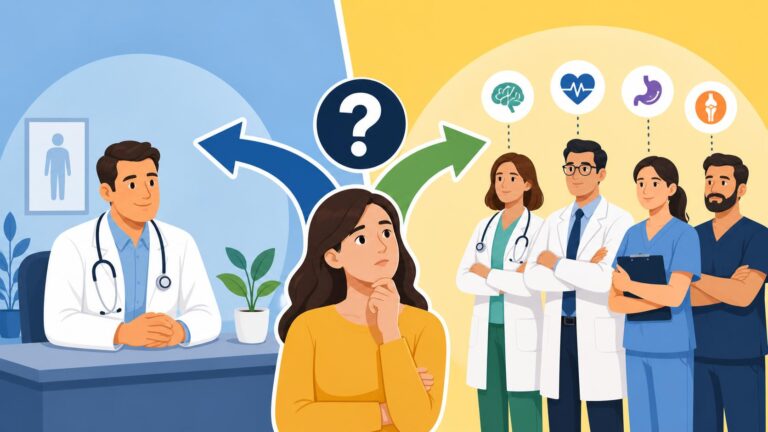
Your General Practitioner (GP), or Médecin Généraliste/Huisarts, is the gatekeeper of your health in Belgium. Unlike some countries where you are assigned a doctor based on your postcode, in Brussels, you have total freedom of choice. You can live in Etterbeek and see a doctor in Schaerbeek if you prefer their bedside manner. However, finding a GP who is actually "taking new patients" has become increasingly difficult in the last two years.
How to Find Your First GP
The best way to start is by using digital platforms like Doctena or Rosa. These apps allow you to filter by language, specialty, and location. I always recommend finding a GP within walking distance of your apartment. When you have the flu in February, the last thing you want to do is navigate the STIB tram network across the city. Many expats also rely on "Medical Centers" (Centres Médicaux), which are group practices. The benefit here is that if your specific doctor is on vacation, another doctor in the same center can access your files and see you immediately.
When you first arrive, you should also look into Healthcare in Belgium for Expats: Complete System Overview (2027) to understand how your registration at the commune triggers your ability to join a mutuelle. You cannot get reimbursed for your GP visits until this paperwork is sorted. In the meantime, you will have to pay the full price upfront—usually in cash or via the Payconiq app—and keep the paper receipt (the "attestation") for later.
The Importance of the GMD/DMG Record
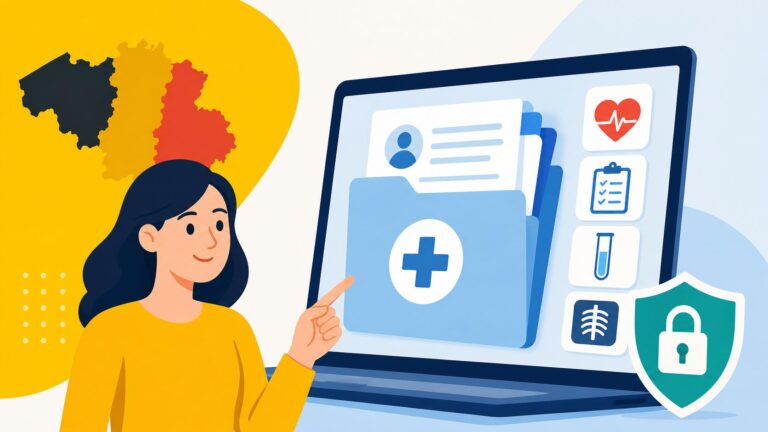
Once you find a GP you like, you must ask them to open a "Dossier Médical Global" (GMD) or "Globaal Medisch Dossier" (DMG). This is essentially your centralized electronic health record. In Brussels, having a GMD is not just about better care; it’s about money. Once your GMD is registered with a specific doctor, your reimbursement rate for consultations increases, and the "out-of-pocket" cost for a visit drops significantly.
For more details on why this matters, check out The Global Medical Record (DMG/GMD): Why You Need It for Better Refunds. It usually costs about €35 to open the file, but this amount is 100% reimbursed by your health insurance. It’s a one-time administrative step that pays for itself within two visits. It also ensures that if you end up in a Brussels hospital, the specialists can pull up your history, allergies, and previous prescriptions with your permission.
House Calls and After-Hours Care
One of the "old school" perks of the Belgian system is the availability of house calls. If you are too sick to leave your bed, many GPs in Brussels will actually come to your apartment. You pay a higher fee for this, but it is still largely covered by insurance. However, if it’s 9:00 PM on a Tuesday or 11:00 AM on a Sunday, your regular GP will be closed.
In this case, you use the "Garde" system. For Brussels, you can call 1733, which is the national number for non-emergency out-of-hours care. They will direct you to the nearest "Poste de Garde" (Mediwacht). These are clinics specifically designed to handle things like high fevers, ear infections, or minor injuries when regular offices are shut. There are major guard posts at Porte de Hal, Schaerbeek, and Ixelles. Be prepared to pay a bit more at these locations, and always bring your eID or residency documents.
Specialized Medical Care and Walk-In Clinics
In many countries, you need a "golden ticket" (a referral) from your GP to see a specialist. In Belgium, the system is much more liberal. If you want to see a dermatologist for a mole check or a gynecologist for a routine exam, you can simply book an appointment directly. However, be warned: the wait times for popular specialists in Brussels can be months if you aren't flexible with your location.
Direct Access to Specialists vs Referrals
While you can go directly to a specialist, I generally advise getting a GP referral anyway. Why? Because the specialist will send a report back to your GP, keeping your GMD updated. Furthermore, some specialized tests (like certain MRIs or complex blood work) require a GP’s request form for the insurance company to agree to the reimbursement. If you just show up at a lab in Brussels and ask for a full panel, you might end up footing a massive bill.
If you are looking for specific types of support, like counseling, you should read our guide on Mental Health in Belgium: Therapy, Psychiatry, and Expat Support. Mental health specialists in Brussels are in high demand, and many operate outside the "conventioned" price list, so checking your private coverage with a firm like Cigna Global is essential before starting long-term therapy.
Polyclinics and Multidisciplinary Centers
If you need to see three different specialists, don't book them in three different corners of Brussels. Instead, look for a "Polyclinique." These are outpatient centers associated with major hospitals. For example, the Polyclinique du Parc Léopold in the European Quarter is a favorite for expats because it houses almost every specialty under one roof. You can have your blood drawn, see a cardiologist, and get an X-ray in a single morning.
These centers are extremely efficient but can feel a bit like a factory. You check in at a kiosk with your eID card, get a ticket, and wait for your number to be called. It’s a very "Brussels" experience—highly organized but somewhat impersonal. The billing is usually centralized, so you won't pay the doctor directly; instead, you’ll receive a bill via post or through your hospital portal a few weeks later.
Dental and Eye Care in the Capital
Dentists in Brussels are notoriously difficult to book for "routine" cleaning. Many have waitlists of six months. If you have a dental emergency, don't just call random offices; look for "Dentiste de Garde" services or specialized clinics like the European Dental Center. Be aware that basic dental care is covered by the mutuelle, but "extras" like crowns or implants are barely touched by public insurance.
For eye care, you have a choice between an ophthalmologist (a medical doctor) and an optician. If you just need a new pair of glasses, an optician in a shop like Hans Anders or Pearle can do a basic test. But if you need a prescription for medical reasons, you must see an ophthalmologist. Many expats find it easier to book these appointments at larger medical centers where English-speaking doctors are more prevalent.
| Service Type | Recommended Brussels Location | Language Level |
|---|---|---|
| General Emergency | CHU Saint-Pierre (Marolles) | French / English |
| Pediatric Care | Queen Fabiola Children's Hospital | Multilingual |
| Specialized Surgery | Delta Hospital (Auderghem) | French / English / Dutch |
| University Research | UZ Brussel (Jette) | Dutch / English |
| Walk-in / Minor | Brussels Clinic (City Center) | French / English |
Emergency Services and Hospitalization
If you find yourself in a true medical emergency, the rules change. You don't call your GP; you call the pan-European emergency number. Knowing what to expect during a crisis can significantly lower your stress levels during a very difficult time.
When to Call 112 vs Going to the ER
In Belgium, calling 112 will get you an ambulance (SMUR/MUG if a doctor is required). However, be aware that ambulances are not free. Even with excellent insurance, you will likely receive a bill for the transport itself, which is regulated by a flat fee plus mileage. For more on this, see Emergency Numbers: Calling 112 in Belgium and What to Expect. If the situation is urgent but not life-threatening (like a broken wrist or a deep cut), it is often faster and cheaper to take a taxi or have a friend drive you to the "Urgences" (Spoedgevallen).
Once you arrive at a Brussels ER, you will be triaged. If you arrive at Saint-Luc at 8:00 PM on a Friday with a minor issue, expect to wait several hours. The system is efficient, but the volume of patients in a major city is high. Always carry your eID card and your mutuelle "vignettes" (yellow stickers), as these are the first things the triage nurse will ask for.
Choosing the Right Hospital for Surgery or Birth
If you have a planned surgery or are expecting a baby, you have the luxury of choice. Many expat families gravitate towards Delta or Saint-Elisabeth for maternity care because of their modern facilities. When making this choice, consider the distance from your home. Brussels traffic is legendary, and you don't want to be crossing the Leopold II tunnel while in active labor.
The quality of care is high across the board, but the "amenities" vary. Some older hospitals still have shared wards with three or four people, while newer clinics feel more like private rooms. If you have specific requirements for your delivery, such as wanting a water birth or a specific type of pain management, you should visit the hospitals during their "open days" for expats, which many of the larger institutions host once a quarter.
Room Types and Billing Surprises
This is where the Brussels healthcare system can get expensive. When you are admitted to a hospital, you will be asked to sign a document choosing your room type: a shared room, a semi-private room, or a private (single) room. Read this carefully. Choosing a private room in a Brussels hospital allows the doctors to charge "fee supplements" of up to 200% or even 300% of the standard rate.
Public insurance (the mutuelle) will not cover these supplements. You must have a "hospitalization insurance" plan (usually provided by your employer) or a private policy like Cigna Global to cover these costs. If you choose a private room without this extra insurance, you could easily end up with a bill for several thousand euros for a simple two-night stay. For a breakdown of the costs, refer to Hospital Room Types in Belgium: Single vs Shared Room Costs.
Pharmacies, Prescriptions, and Wellness
The green neon cross is a staple of every Brussels street corner. Pharmacies here are more than just shops; they are highly regulated medical outlets. You cannot buy things like Ibuprofen 600mg or high-strength Paracetamol over the counter; the pharmacist acts as a final check on your health.
Identifying Local Pharmacies and "Garde" Services
Most pharmacies in Brussels are open from 9:00 AM to 6:30 PM, with many closing for lunch. On Saturday, they often have reduced hours, and almost all are closed on Sunday. If you need medicine in the middle of the night, you have to find the "Pharmacie de Garde." You can find the nearest one by visiting the website pharmacie.be or by looking at the list posted in the window of any closed pharmacy. Note that there is a "guard fee" added to your bill for late-night service, though this is often waived if you have a valid urgent prescription.
When you go to the pharmacy, the pharmacist will scan your eID. Most prescriptions in Belgium are now digital. Your doctor uploads the "order" to the national system, and any pharmacist in the country can pull it up using your ID card. It’s a fantastic system that eliminates the "I lost my paper" stress. For more on how this works, see Pharmacies and Medication in Belgium: Prescriptions and OTC Rules.
Managing Chronic Conditions and Supplements
If you are managing a chronic condition, you'll find that Belgium is excellent for medical maintenance but strict on regulations. Many "lifestyle" supplements or specific brands of vitamins that you might be used to in the US or UK aren't available in local Belgian apothecaries. For these, many expats turn to online retailers like iHerb. They offer a wider range of high-dosage vitamins and minerals that the Belgian "pharmacopeia" might not stock. Just be careful with customs if you are ordering from outside the EU; it’s usually better to stick to the EU-specific portals of these brands.
For those requiring ongoing medication like insulin or blood pressure meds, your GP will usually give you a "recurring" digital prescription. This allows you to pick up your meds every month without needing a new appointment every time. However, you will still need to see your GP at least once or twice a year to keep the GMD active and ensure your dosages are correct.
Mental Health Support in the Expat Community
Living as an expat in a city as grey and rainy as Brussels can take a toll. Seasonal Affective Disorder (SAD) is a real issue here. Beyond the clinical psychiatry found in hospitals, there is a thriving community of English-speaking therapists and support groups. The Community Help Service (CHS) provides a 24/7 helpline in English, which is an invaluable resource if you're feeling isolated.
There is also a growing movement for "holistic" wellness in Brussels, with many yoga studios and mindfulness centers catering to the international bubble. While these aren't covered by the mutuelle, some higher-end private insurance plans do offer small reimbursements for wellness activities. It's always worth checking your policy to see if your gym membership or stress-management course is partially subsidized.
Practical Administration: Costs and Reimbursements
The "administrative" side of Brussels healthcare is what usually causes the most headaches. The system is a hybrid: you pay a small amount into social security via your salary, you join a "mutuelle," and then you often pay at the point of service and get reimbursed later.
The Mutuelle System for Brussels Residents
In Brussels, you have several options for your "Mutuelle" (French) or "Ziekenfonds" (Dutch). The most common for expats are Partenamut (which has a very strong English interface), Helan, or the CM. You are legally required to join one of these if you are working or living here long-term. To get started, you'll need our Mutuelle and Ziekenfonds: Public Health Insurance Registration Guide.
Once you are registered, you will receive "vignettes"—those little yellow stickers. You used to have to stick these on every piece of paper you sent to the insurance company. While much of the system is now digital, keep those stickers in your wallet. If you end up in a hospital or see a doctor who isn't using the "eAttest" digital system, you will still need to manually submit your claims.
Digital Tools: Itsme and MyHealth.belgium.be
The secret to a stress-free medical life in Brussels is the "Itsme" app. This is your digital key to all government services. With Itsme, you can log into MyHealth.belgium.be, where you can see every prescription ever written for you, every lab result, and your vaccination history. It is an incredible tool that puts the power back in your hands.
I highly recommend setting this up the moment you get your eID card. If you are ever at a specialist and they ask, "When was your last tetanus shot?" or "What were your cholesterol levels in 2024?", you can simply pull it up on your phone. It saves time, prevents duplicate testing, and ensures that your care is consistent even if you switch doctors.
Handling Medical Paperwork and "Vignettes"
Despite the digital push, you will still encounter paper. If a doctor gives you a green or white slip of paper instead of an electronic "eAttest," you are responsible for getting that money back. You take the slip, put a yellow vignette on it, and drop it into the physical "mailbox" of your mutuelle. They usually process these within 5 to 10 business days.
For a step-by-step tutorial on this process, see How to Submit Medical Receipts for Reimbursement in Belgium. It sounds archaic, but once you do it once, it becomes second nature. Most expats keep a small stash of envelopes and stickers in a kitchen drawer just for this purpose. If you don't submit them, you are essentially leaving money on the table, as the reimbursement for a standard visit is usually around 75% of the total cost.
Disclaimer
The information provided in this guide is for educational and informational purposes only and does not constitute professional medical or legal advice. While we strive to keep our data current, the Belgian healthcare system, insurance regulations, and administrative procedures are subject to frequent changes. Always consult with a qualified healthcare professional or a certified insurance advisor regarding your specific medical needs and coverage requirements. The mention of specific brands or institutions does not imply an endorsement but serves as a contextual reference for the Brussels expat experience.