Registering for Public Health Insurance: Step-by-Step at Your Commune
You have just arrived in Brussels or Antwerp, suitcases are still half-packed, and suddenly you are told you have exactly eight days to visit a "Commune" or you are technically in breach of residency rules. I remember my first time standing outside the Ixelles town hall in the rain, clutching a folder of documents and feeling like I was trying to crack an ancient code just to see a doctor. This guide breaks down the complex intersection of local registration and securing your healthcare rights so you can navigate the Belgian system with total confidence.
The Critical Link Between the Commune and Your Healthcare
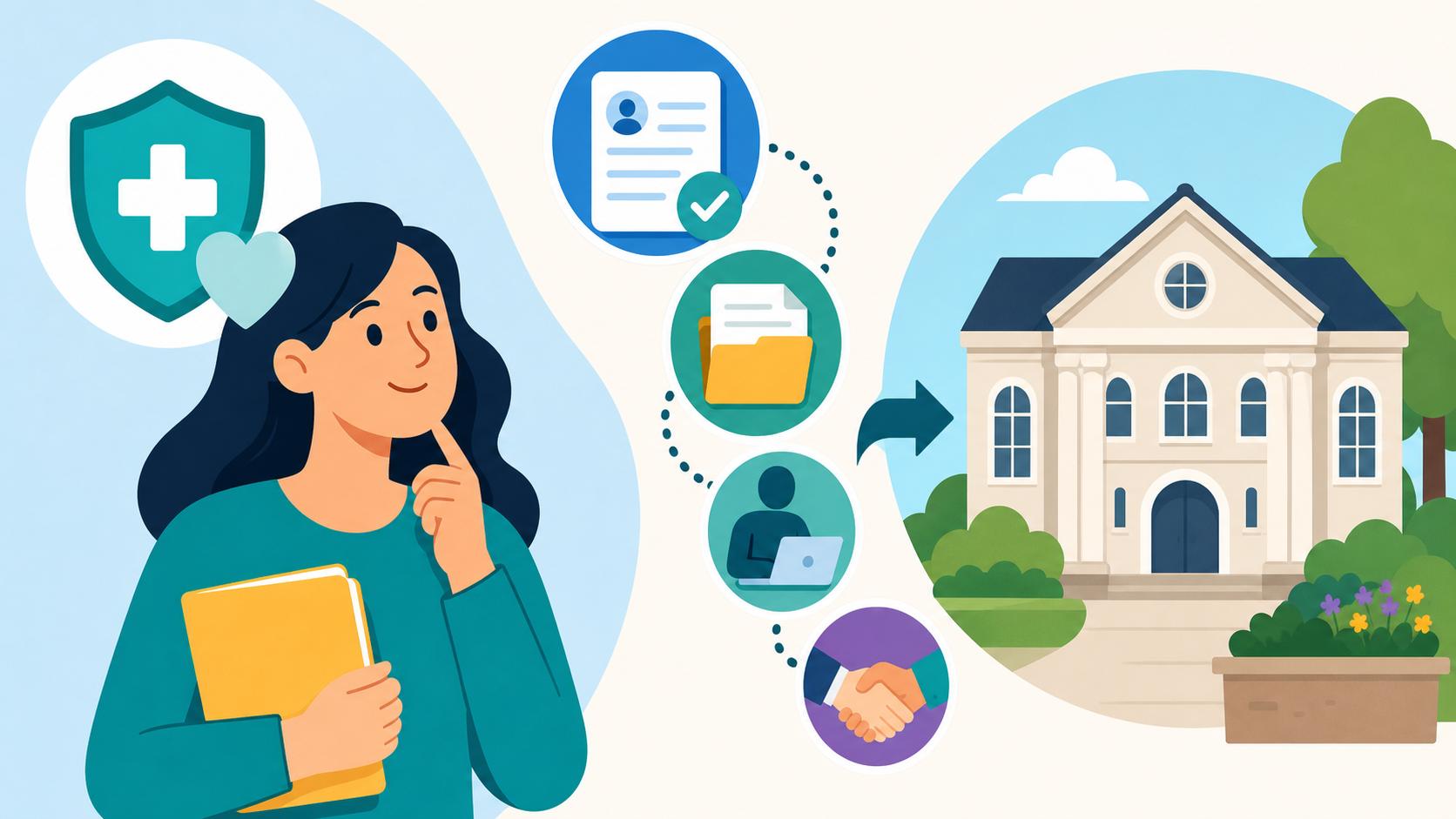
In most countries, you might think of health insurance and residency as two completely separate administrative tracks. In Belgium, they are inextricably linked through your registration in the National Register. When you arrive as a new expat, your first port of call is the local town hall (the Maison Communale in French-speaking areas or the Stadhuis in Flanders). This is where the magic—or the bureaucracy—begins. Without this step, you cannot access the subsidized public healthcare system, which is one of the best in the world but requires a very specific key to unlock.
When you register, the commune initiates the process of issuing your national register number. This number is the DNA of your life in Belgium. It is what your employer uses to pay your Social Security Contributions: How Employers Deduct Health Costs and what the health insurance funds, known as mutuelles or ziekenfonds, use to identify you. If you are a non-EU citizen, this process is even more vital because your right to healthcare is often tied to the specific type of residence permit you are applying for. For many, the first document you receive is a temporary paper called an Annex 15. You might wonder, What is an Annex 15 (Annexe 15/Bijlage 15) and Can You Work With It? specifically regarding healthcare. The answer is yes, but it requires a bit of manual legwork with your insurance provider until your plastic eID card arrives.
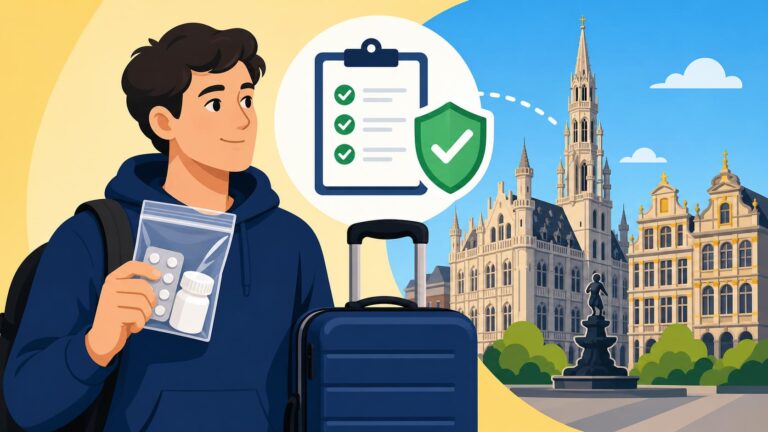
During this waiting period, many expats find that the coverage gaps can be stressful. While the public system eventually reimburses up to 75% of your costs, it doesn't happen the moment you step off the plane. I’ve seen friends face massive bills because they assumed they were covered from day one. This is why many seasoned expats maintain a policy with Cigna Global during their transition. It provides that essential safety net while you are waiting for the Belgian bureaucracy to finish its coffee and process your file. Having a private backup ensures that an unexpected trip to the ER doesn't result in a financial crisis before you’ve even received your first Belgian paycheck.
Navigating the 8-Day Rule and the Police Check
The law states you must report to your commune within eight working days of arriving in the country. In reality, getting an appointment at popular communes like Etterbeek, Saint-Gilles, or the City of Brussels can take weeks. My advice is to book your appointment the moment you have a signed lease. The commune officials are generally understanding if your appointment date is past the eight-day mark, as long as you made the effort to book it immediately.
Once you have your first "presentation" at the commune, the next phase of Registering at the Commune: The 8-day rule After Arrival begins: the police check. This is a uniquely Belgian quirk that catches many off guard. A local police officer will physically visit your apartment to ensure you actually live there. They look for your name on the doorbell and might even ask to see if you have furniture. I once missed the officer because I was out buying a mattress, and it delayed my health insurance registration by three weeks. Make sure your name is clearly printed on your mailbox and doorbell from day one.
After the police verify your residence, the commune will call you back to finalize your registration and issue your temporary residency papers. This is the moment you can officially join a mutuelle. You are now part of the Healthcare in Belgium for Expats: Complete System Overview (2027), but you aren't "active" until you choose a specific fund. Belgium does not assign you a health insurer; you must choose one yourself. This choice is mandatory for everyone living and working in the country.
Choosing Your Mutuelle: The Public Health Insurance Funds
The Belgian healthcare system is built on a "pillar" system. While the government sets the rules and prices, the actual administration of refunds is handled by private, non-profit organizations called mutuelles (in French) or ziekenfonds (in Dutch). All of them offer the same basic state-mandated coverage, but they compete on the "extra" benefits they provide, such as sports club reimbursements, birth grants, or travel insurance.
When you go to sign up, you will hear names like Partenamut, CM (Christelijke Mutualiteit), Helan, or Solidaris. If you prefer a neutral option without the historical political or religious affiliations, you can opt for CAAMI (the Caisse Auxiliaire d'Assurance Maladie-Invalidité), which provides only the legal minimum coverage with no monthly membership fee. However, most expats choose a standard mutuelle because the additional benefits—like refunds for dental cleanings or even Pharmacies and Medication in Belgium: Prescriptions and OTC Rules—usually outweigh the small monthly cost of around 12 to 15 euros.
Comparing Common Mutuelle Options
| Feature | Standard Mutuelle (e.g., Partenamut/Helan) | CAAMI (Neutral Fund) | Private International (e.g., Cigna Global) |
|---|---|---|---|
| Monthly Cost | ~€12 – €18 | Free (Legal minimum only) | Variable based on age/cover |
| Reimbursement Rate | ~75% for standard care | ~75% for standard care | Up to 100% depending on plan |
| Extra Benefits | Sports, glasses, dental, birth | None | Full private room, global cover |
| Language Support | Often English-speaking staff | Mostly French/Dutch | High-level English support |
| Waiting Period | Usually none if moving within EU | Usually none | Depends on pre-existing conditions |
For many, the standard mutuelle is enough for day-to-day life, but if you have chronic conditions or prefer the comfort of a private hospital room (which public insurance does not cover), looking into Private Health Insurance in Belgium: When Do Expats Really Need It? is a smart move. Cigna Global often fills the gaps that the public system leaves open, especially regarding high-cost specialist consultations where doctors may charge "supplements" above the official state rate.
The Registration Step-by-Step at the Mutuelle Office
Once the commune has given you your Annex 15 or your plastic eID card, you need to visit your chosen mutuelle’s office. You cannot do this before the commune has at least started your file. You will need to bring several documents to ensure a smooth registration. Missing just one can result in a "come back tomorrow" response, which is the last thing you want.
- Proof of Identity: Your passport and your Belgian residence permit (or the Annex 15 paper).
- Proof of Social Security: If you are an employee, bring your work contract. Your mutuelle needs to see that you are contributing to the ONSS (Social Security). If you are a freelancer, you’ll need proof of your social insurance fund registration.
- Bank Account Details: You need a Belgian (or at least a SEPA-compatible) IBAN so they can send your reimbursements.
- Family Composition: If you are enrolling a spouse or children, you will need legalized/apostilled birth and marriage certificates.
The clerk will scan your documents and create your member profile. A few weeks later, you will receive a sheet of "vignettes"—small yellow or blue stickers with your name and barcodes. These are a relic of the past that Belgium still loves. You must stick one on every paper medical receipt you receive to get a refund. However, the system is moving toward the "e-Attest," where doctors link your visit directly to your eID. Even so, keep those stickers in your wallet; you will definitely need them at some point, especially at the Pharmacies and Medication in Belgium: Prescriptions and OTC Rules or when dealing with paper-based specialists.
Understanding the "Police Check" and Its Impact on Health Access
The Police Check (Contrôle de Quartier) for Address Verification is the bottleneck of the entire health registration process. In many communes, the "Agent de Quartier" is a busy person. They may come at 10:00 AM on a Tuesday when you are at work. If they miss you twice, they might report to the commune that you don't live there, which freezes your residency application and, by extension, your health insurance activation.
I always suggest leaving a note for the police officer if you know you won't be home, or better yet, introduce yourself to your neighbors. In Belgium, neighbors are often asked by the police if they have seen the "new person" moving in. Once the police check is successful, your status in the National Register changes from "provisional" to "resident." This change triggers your eligibility for Compulsory Coverage Basics: Who Must Enroll in Mutuelle/Ziekenfonds. If you find yourself in a bureaucratic loop where the police haven't shown up and you need urgent medical care, this is exactly when having a temporary private policy is a lifesaver. You can see a doctor, pay the bill, and get reimbursed by your private insurer without waiting for the local police officer to find your doorbell.
Maximizing Your Benefits: The DMG/GMD and Beyond
After your registration is finalized and you have your vignettes, your first task should be to find a General Practitioner (GP). In Belgium, this is called a "Médecin Généraliste." When you find one you like, ask them to open a "Dossier Médical Global" (DMG) or "Globaal Medisch Dossier" (GMD). You can learn more about why this is essential in our guide on The Global Medical Record (DMG/GMD): Why You Need It for Better Refunds.
By registering your medical history with one doctor, the mutuelle rewards you with higher reimbursement rates. For example, a standard consultation might cost €30. Without a DMG, you might get €20 back. With a DMG, you might get €24 back. It also lowers the cost of out-of-hours house calls. It’s a small administrative step that saves you a lot of money over a year. While you are getting your health in order, you might also want to stock up on essentials that are often expensive in local pharmacies. I usually use iHerb for my supplements and vitamins because the selection in Belgian pharmacies can be quite limited and the prices are significantly higher for the same brands.
If you are living in a multilingual city, you might be worried about the language barrier at the doctor’s office. Fortunately, Finding English-Speaking Doctors in Brussels, Antwerp, and Ghent is relatively easy, as most Belgian medical professionals are highly educated and often trilingual. When you call to book, simply ask "Est-ce que le docteur parle anglais?" or "Spreekt de dokter Engels?" and you will usually be met with a "Yes, of course."
Handling the Waiting Period: Practical Advice
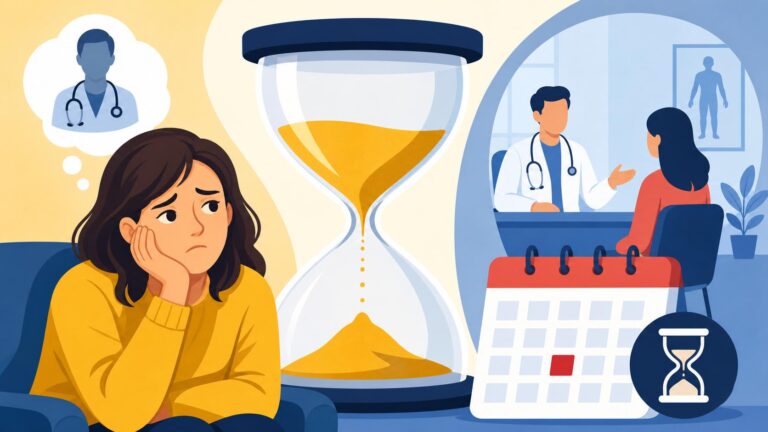
The gap between arriving in Belgium and being "fully active" in the mutuelle system can be anywhere from four weeks to three months. During this time, you are in a state of administrative limbo. You have the right to healthcare, but you don't have the "system" to pay for it yet. If you have to see a doctor during this period, you will have to pay the full price upfront.
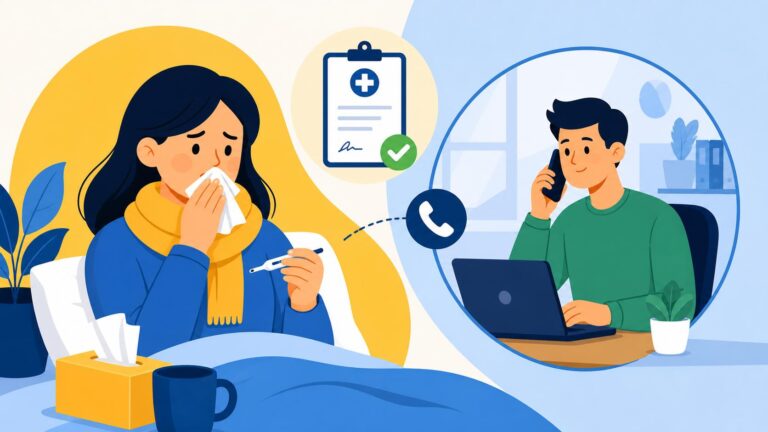
Keep every single piece of paper. In Belgium, doctors provide a "Certificate of Care Provided" (Attestation de Soins Donnés). This is a small, usually green or white, receipt. Once your mutuelle is finally active, you can take all these backdated receipts, stick your new vignettes on them, and drop them in the mutuelle’s mailbox. They will reimburse you retroactively. It is a slow process, but the money does eventually come back.
This period of uncertainty is where many expats feel the most "health trauma." It’s a combination of culture shock and the fear of being unprotected. To mitigate this, ensure you have your European Health Insurance Card (EHIC) if you are moving from another EU country, or a solid international plan like Cigna Global if you are coming from outside the EU. These tools bridge the gap and allow you to focus on settling into your new Belgian life rather than worrying about the cost of a flu shot or an emergency prescription.
Troubleshooting Common Commune and Health Hurdles
Sometimes, despite your best efforts, things go wrong. Maybe the commune lost your file, or your employer didn't register you correctly with the social security office. If your mutuelle tells you that your "rights are not open," don't panic. This usually means there is a mismatch in the national register.
- Check your "Myminfin" or "MyHealth" portal: If you have your eID or an "Itsme" account, you can log in to these government portals to see exactly what the state sees. If your address is wrong there, it’s wrong everywhere.
- Talk to your HR: If you are an employee, your HR department is responsible for your Dimona (the declaration of employment). If they made a typo in your national number, your health insurance won't work.
- Visit the Commune in Person: Emails to the commune often disappear into a black hole. Going in person during "walk-in" hours (if they still have them) or booking an "information" appointment is often the only way to resolve complex issues.
Living in Belgium requires a high tolerance for paperwork, but the reward is a healthcare system that will take care of you regardless of the severity of your illness. Once you are past the hurdle of the commune registration and the mutuelle signup, the rest of your medical journey will be significantly smoother. You will be able to walk into any pharmacy, hand over your eID, and receive your medication with the discount already applied. It’s a beautiful system—once you’ve survived the initiation.
Disclaimer
The information provided in this guide is for educational and informational purposes only and is based on the regulations and processes as of 2026. While we strive to keep our content accurate and up-to-date, Belgian administrative procedures, social security laws, and commune-specific rules can change without notice. This guide does not constitute legal or professional medical advice. We strongly recommend verifying specific requirements with your local commune (Maison Communale/Stadhuis) and your chosen health insurance fund (Mutuelle/Ziekenfonds) before taking action. Always consult with a qualified insurance professional or legal advisor regarding your specific residency and healthcare situation.