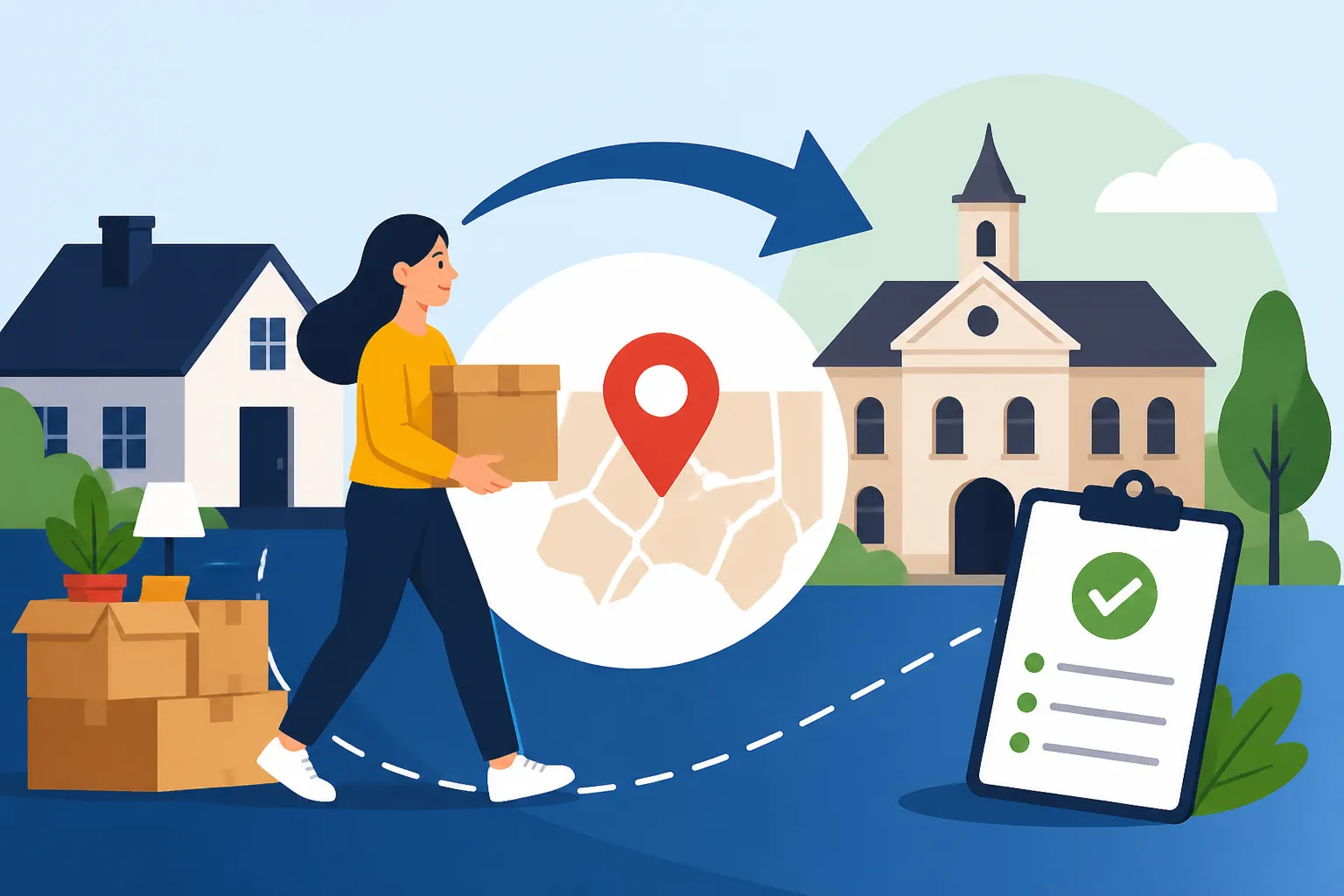
Address Changes (Changement d’Adresse): Updating the Commune When Moving
Moving to a new place in Belgium, whether it's just across the street or to a completely different city, feels like a fresh start. Yet, before you even unpack that first box, a familiar cloud of Belgian bureaucracy looms: updating your address at the commune. Trust me, I've been there, staring at a stack of forms, wondering if I'll ever get it right. This guide will walk you through the often-confusing process of officially changing your address with the commune, ensuring your paperwork is in order and helping you avoid unnecessary headaches.
Why Your Address Matters Beyond Mailbox Updates
It's tempting to think that an address change is just about making sure your mail gets to the right door. In Belgium, however, your official registered address is the cornerstone of your entire administrative life. It's tied to your national register number, your residence permit, your tax declarations, and even your ability to vote in local elections if you're an EU citizen. Neglecting to update it promptly can lead to serious complications down the line, from missed crucial correspondence to issues with your legal residency status.
The Legal Obligation to Report Changes
Believe it or not, there's a strict legal obligation in Belgium to inform your commune of any address change within eight working days of moving. This isn't just a suggestion; it's a rule enshrined in law. This eight-day window begins the moment you physically move into your new home, not when you decide it's convenient. I know, I know, moving is stressful enough, but ignoring this particular deadline can complicate things unnecessarily. The commune uses your registered address to verify that you are indeed living where you say you are, which is vital for maintaining your legal status as a resident.
Impact on Your Residency Status and eID
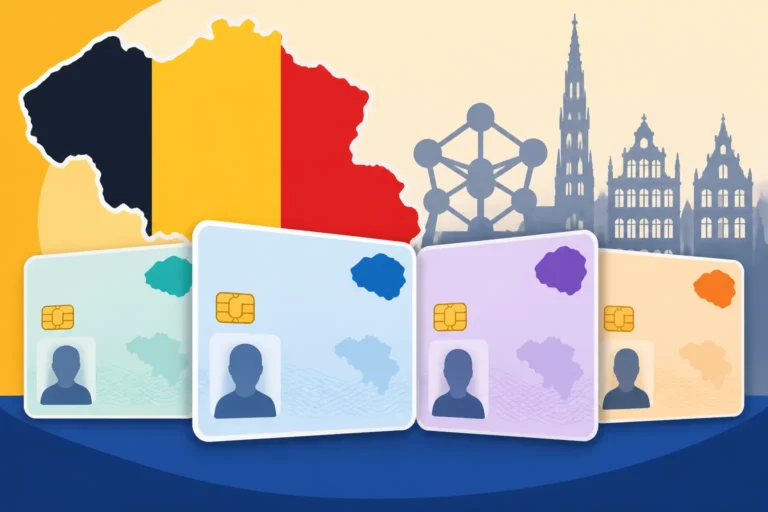
An outdated address can seriously impact your residency status and the validity of your electronic identity (eID) card. Your eID card physically stores your registered address on its chip. If your eID shows an old address, it's technically inaccurate, and this can cause issues when dealing with banks, government services, or even proving your identity. For non-EU citizens, especially those on a Single Permit (Gecombineerde Vergunning) or other types of residence permits, the registered address is a direct link to your right to reside in Belgium. If the commune believes you're no longer living at your official address without informing them, it could trigger questions about your residency. Imagine trying to renew your Single Permit and finding out there's a discrepancy because you forgot to update your address – that's a nightmare nobody wants to experience. Furthermore, an out-of-date address could even complicate receiving important documents related to your healthcare in Belgium for Expats: Complete System Overview (2026), as critical mail, like new health insurance stickers or doctor's notes, might go astray.
The Step-by-Step Process for Updating Your Address at the Commune
Alright, let's get down to brass tacks. While the exact timings and efficiency can vary wildly from one commune to another – because, well, Belgium – the fundamental steps remain pretty consistent. Think of it less as a sprint and more as a series of hurdles to clear.
Gathering Your Documents
Before you even step foot in the commune, you need to have your ducks in a row. This is Belgium, after all, and paperwork is king. You'll typically need:
- Your Belgian eID card or residence permit: This is your primary form of identification and where your new address will eventually be updated. If you're new and haven't received your eID yet, you might be using your Annex 15 (Annexe 15/Bijlage 15) or another temporary document.
- Proof of your new address: This is crucial. It can be your rental contract (signed and registered), a deed of ownership if you've bought property, or sometimes even a formal letter from your landlord. Make sure you have the entire document, not just the first page. For example, if you just signed a new lease, ensure it's been properly registered, as some communes might ask for proof of registration.
- Old residence permit/documents (if applicable): If you're moving from a different country or still waiting for your first Belgian eID, bring all relevant immigration documents you have.
It's always a good idea to bring both the original documents and a photocopy. Some communes will make copies for you, but it’s best to be prepared. If any of your documents, especially international ones, are not in French, Dutch, or German, you might need a sworn translation. Services like RushTranslate can be invaluable here to ensure your documents are legally accepted.
The Commune Visit(s) and Police Check
This is where the infamous contrôle de quartier comes in.
- First Visit to the Commune: You'll go to the local commune office (Stadhuis or Maison Communale) for your new address. You might need to book an appointment, especially in larger cities. During this visit, you'll declare your new address. They will take your documents, log your request, and give you an official declaration of change, sometimes an Annex 3.
- The Police Check (Contrôle de Quartier): This is the part that often causes the most expat chatter. After your declaration, a local police officer (or agent de quartier) will come to your new address to verify that you actually live there. They might simply leave a note in your mailbox if you're not home, asking you to call them back. They just want to confirm that your name is on the mailbox or doorbell, and that you exist at that address. It's generally not an interrogation, just a quick verification. They'll then report back to the commune that you are indeed a resident. If you're not home and they can't verify your residency, it can significantly delay your process. This police check is a standard part of the process, and understanding what happens if you are not home can save you a lot of worry.
- Second (or Third) Visit to the Commune: Once the police have confirmed your residence, the commune will contact you (usually by mail, sometimes by phone or email) to invite you back. This is for the final step: updating your eID card. You'll typically need to bring your eID and often your PIN/PUK codes.
Receiving Your New eID and PIN/PUK Codes
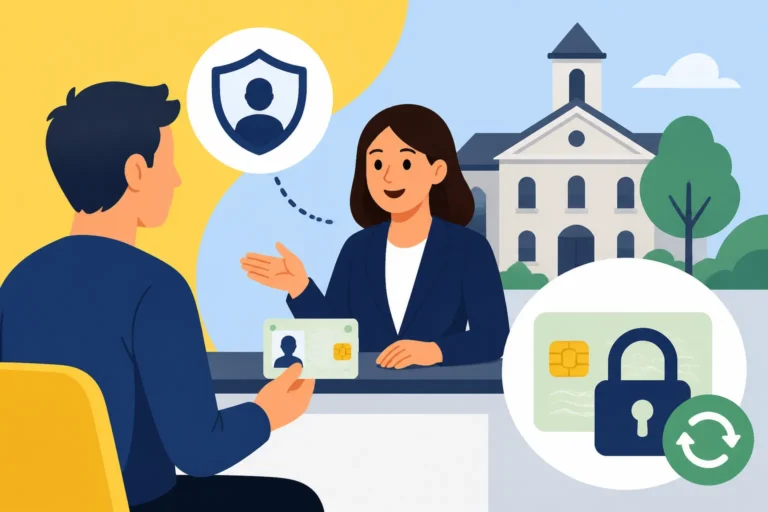
During this final commune visit, they will update the microchip on your existing eID with your new address. If you're moving from a different commune, you might receive a brand new eID. If you're updating an existing one, they'll simply "re-chip" it. You’ll be asked to use your PIN code to confirm the changes. If you’ve forgotten your PIN, or if you’re getting a new card, they will issue new PIN/PUK codes. Keep these safe! These codes are essential for using Itsme, logging into MyMinfin for taxes, and other digital government services. It’s always good to remember how to apply for a duplicate eID Pin/Puk code from the Commune if you ever misplace them.
Common Pitfalls and How to Avoid Them
The Belgian administrative system can be a labyrinth, and address changes are no exception. Here are some common snags and how to navigate them with a bit more grace.
The "Lost in Translation" Dilemma
Belgium is a trilingual country, and depending on whether you're in Wallonia, Flanders, or Brussels, the administrative language will be French, Dutch, or both. This can be a huge hurdle for expats. While many commune employees in Brussels might speak English, it's not a guarantee, especially in smaller towns. If you're not fluent in the local language, bring a friend who is, or be prepared to use translation apps. For official documents, however, machine translation won't cut it. Any legal documents originating from outside Belgium that are required for your registration (like birth certificates for family reunification or marriage certificates) must be translated by a sworn translator and often legalized or apostilled. For instance, Translating Birth and Marriage Certificates via Sworn Translators is a crucial step for many international moves. You might also find yourself needing these services for other visa applications, such as the Family Reunification Visas: Bringing Spouses and Children to Belgium.
Waiting Times and Follow-ups
Patience is not just a virtue, it's a necessity when dealing with Belgian administration. The process, from your initial declaration to receiving your updated eID, can take anywhere from a few weeks to several months. The police check itself can take time, especially during busy periods. Don't expect instant gratification.
- Be proactive, but polite: If you haven't heard back after a few weeks regarding your police check, it's okay to call the commune to inquire about the status. However, avoid calling daily.
- Keep copies of everything: Every piece of paper the commune gives you, keep it. This includes the initial declaration of change. If things get delayed, having these documents is your proof that you initiated the process.
- Digital tracking (sometimes): Some communes, particularly in larger cities like Brussels, might offer online portals where you can track the status of your request, but this isn't universal.
| Step | Typical Action | Who to Contact | Estimated Timeframe | Key Documents |
|---|---|---|---|---|
| 1. Declare Address Change | Visit commune (appointment often required) | New Commune (Dienst Bevolking / Service Population) | 1-2 weeks | eID/Residence Permit, Rental Contract/Deed |
| 2. Police Check (Contrôle de Quartier) | Officer visits new address to verify residency | Local Police (via Commune) | 2-6 weeks | Ensure name on doorbell/mailbox |
| 3. eID Update Invitation | Receive letter/notification from commune to update eID | New Commune | Variable | N/A (waiting for commune to process police report) |
| 4. Update eID | Visit commune with eID and PIN/PUK codes to update chip | New Commune (Dienst Bevolking / Service Population) | 1 day | eID, PIN/PUK Codes (new codes issued if needed) |
Note: Timeframes are estimates and can vary significantly by commune and workload.
What If You Move to a Different Commune?
If you're simply moving within the same commune, the process is usually smoother as your file remains in the same administrative office. However, if you're moving from, say, Schaerbeek to Ixelles, or from Ghent to Antwerp, you’ll be dealing with two different communal administrations.
- New Commune is Key: Your primary point of contact is always your new commune. They will initiate the process.
- Automatic De-registration: Your new commune will automatically notify your old commune of your move. You generally do not need to visit your old commune to de-register (unless you are leaving Belgium completely).
- Patience Squared: Moving between communes can sometimes add a layer of processing time, as files need to be transferred internally.
This is distinct from the process of informing the Commune When You Permanently Leave Belgium, where you need a Model 8 certificate for tax and administrative closure.
Changing your address is a mundane but critical task as an expat in Belgium. It directly impacts your legal standing, from your Single Permit (Gecombineerde Vergunning) Process for Workers to your access to various public services. Being prepared, understanding the steps, and embracing a healthy dose of patience will make the experience far less daunting. Remember, every expat goes through this, and you’ll get through it too. Just keep those documents organized and that new address on your eID shiny and updated!
Disclaimer
The information provided in this guide is for general informational purposes only and does not constitute legal or professional advice. While we strive to keep the information accurate and up-to-date, administrative procedures in Belgium can change. Always consult with the relevant Belgian authorities (your local commune, the Immigration Office, or a legal professional) for the most current and specific advice pertaining to your individual situation. We are not responsible for any errors or omissions, or for any actions taken based on the information provided herein.