Birthright Citizenship in Belgium: If My Baby is Born Here, Are They Belgian?
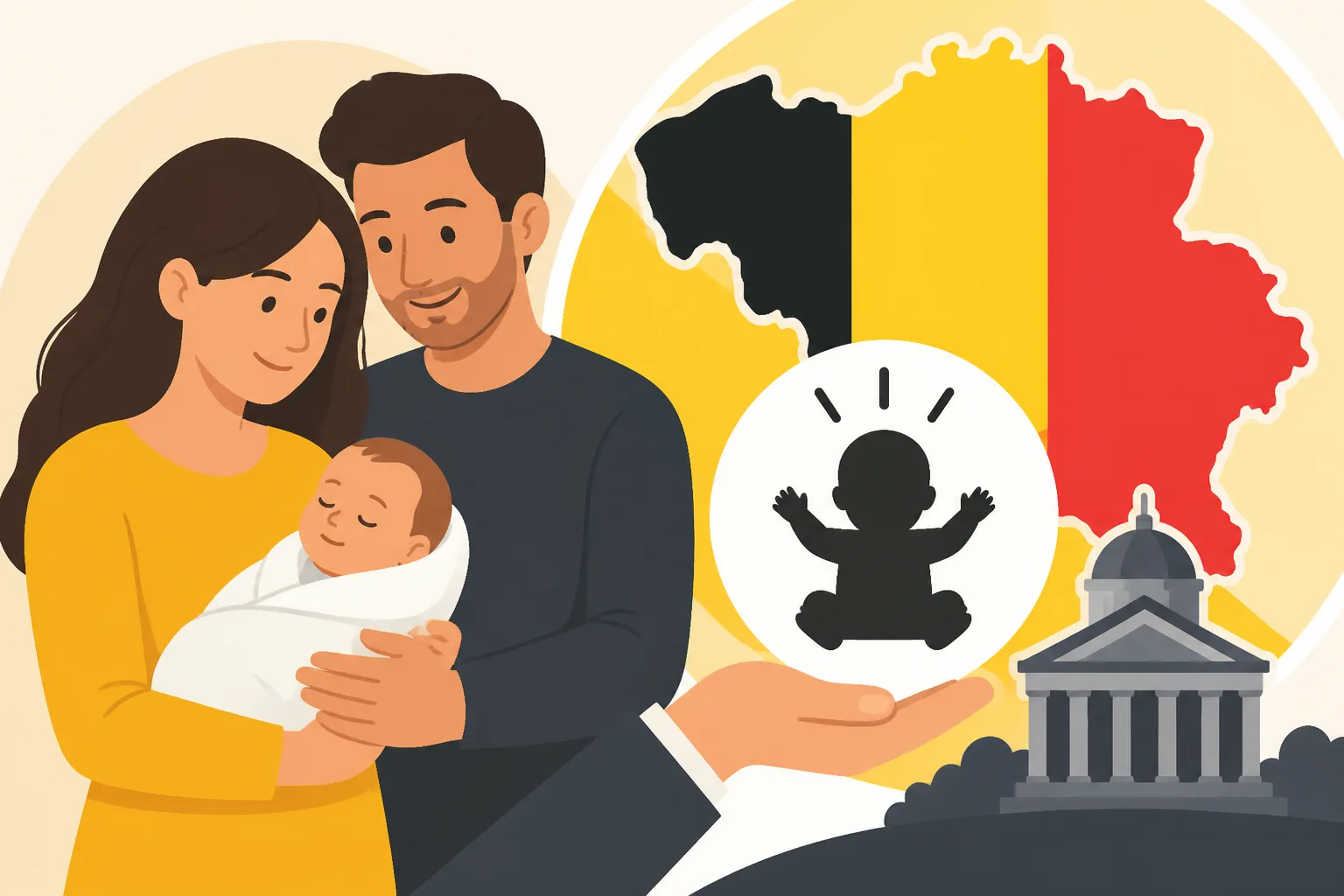
It's one of the first questions many expecting expat parents ask when they're settling into Belgium: "If my baby is born here, are they automatically Belgian?" It's a natural thought, especially coming from countries where 'birthright citizenship' is a given. However, Belgium's approach to nationality is a bit more nuanced than a simple "born on Belgian soil, therefore Belgian citizen" rule. This guide will meticulously break down Belgium's nationality laws regarding children born within its borders, helping you understand the real conditions, pathways, and the bureaucratic maze you might encounter.
The Reality of Birthright Citizenship in Belgium: It's Not What You Think
Many expats arrive in Belgium with a pre-conceived notion of citizenship derived from their home countries, particularly if they hail from nations like the United States or Canada, which largely operate on the principle of jus soli. It's a common and completely understandable assumption to think that simply giving birth here would automatically grant your child Belgian nationality. But Belgium's legal framework for citizenship is a different beast entirely, leaning heavily towards descent rather than birthplace.
The Principle of Jus Sanguinis vs. Jus Soli
At its core, Belgium primarily adheres to the principle of jus sanguinis, which is Latin for "right of blood". This means that a child's nationality is generally determined by the nationality of their parents, rather than the place where they are born. If you're both foreign nationals, your child will, in most cases, acquire your nationality (or nationalities) at birth, even if they draw their first breath in a Belgian hospital.
Conversely, jus soli, or "right of soil," grants citizenship to anyone born within a country's territory, regardless of the parents' nationality. While some countries are strict jus soli, Belgium operates on a modified jus sanguinis system with very specific, limited jus soli exceptions. This is where the confusion often arises, because those exceptions aren't nearly as broad as many expats might hope or expect. You might hear whispers or outdated information from other expats, adding to the frustration, but it's crucial to understand that automatic jus soli for children of foreign parents is generally not the case here.
Automatic Citizenship at Birth: Very Specific Conditions
So, when does a child born in Belgium automatically become Belgian? The conditions are quite stringent and far from universal. It's not about how long you've been living here as an expat, or even your residency card type, in most instances.
The primary and most straightforward scenario for automatic Belgian nationality at birth is if at least one of the parents is a Belgian national. If you or your partner hold a Belgian passport, your child will automatically acquire Belgian nationality, regardless of where they are born – in Belgium or abroad. This is the clearest example of jus sanguinis at play.
Beyond that, the waters get a bit murkier, but there are still specific, albeit rarer, conditions where a child born in Belgium might gain Belgian nationality automatically:
- Birth to a Stateless Parent: If a child is born in Belgium and would otherwise be stateless (meaning they would not acquire any nationality from their parents under their respective national laws), they can acquire Belgian nationality at birth. This is a humanitarian measure to prevent statelessness.
- Birth to a Foreign Parent Who Was Also Born in Belgium: This is a less common but important exception. If a child is born in Belgium to a foreign parent who themselves was born in Belgium, and that foreign parent had resided in Belgium for at least five years immediately prior to the child's birth, then the child can acquire Belgian nationality. This shows a multi-generational link to Belgian soil, but it's still conditional.
- Adoption by Belgian Parents: While not at birth, if a child is born in Belgium to foreign parents and then adopted by Belgian parents, they can acquire Belgian nationality through adoption.
These are the main scenarios for automatic acquisition. It's critical to note that for the vast majority of expat parents, whose children are born in Belgium but whose parents are not Belgian nationals, the child will simply inherit the parents' nationality. This means you’ll need to register your child’s birth with your home country’s embassy or consulate in Belgium to ensure they get their passport and are recognized as a national of your country. Don't underestimate the importance of this step! You'll also need to register the birth with your local commune, as part of the broader Residence Registration: Annexes, Communes, and the eID Card process.
Pathways to Belgian Nationality for Children Born in Belgium
Even if your child doesn't automatically become Belgian at birth, it doesn't mean the door is completely shut forever. Belgium offers several avenues for children born on its soil to acquire nationality later, typically through a declaration process by the parents or by the child themselves once they reach adulthood. These pathways are generally tied to the parents' long-term residency and integration into Belgian society.
If One Parent is Belgian
As mentioned earlier, if one parent is a Belgian national, the child automatically acquires Belgian nationality at birth. This is the most straightforward path. The process simply involves registering the birth at the commune in Belgium where the child was born. The commune will then issue a birth certificate, and the child's Belgian nationality will be recorded in the national register. You won't need to make a separate "nationality declaration" for the child in this case, as it's inherent.
However, even with a Belgian parent, there can be administrative nuances. If the Belgian parent hasn't been properly registered with the commune, or if there are complexities around their own acquisition of Belgian nationality, these issues could complicate the child's registration. Ensuring all parental records are in order is always a good practice.
If Parents are Foreigners but Have Specific Residency Status
This is where it gets a bit more complex for many expat families. If neither parent is Belgian, your child will generally take on your nationality. However, Belgian law provides for declaration options after birth, under specific circumstances related to the parents' long-term residency.
The key here often revolves around the concept of a "declaration of nationality." This isn't automatic; it's an application process. The most common scenario is as follows:
- Declaration by Parents (Before the Child's 12th Birthday): If a child is born in Belgium and neither parent is Belgian, the parents can make a declaration to acquire Belgian nationality for their child if:
- One of the parents has resided legally in Belgium for at least 10 years immediately prior to the declaration.
- That parent also holds an unlimited right of residence (e.g., a B, C, or L card, signifying permanent residency or long-term EU resident status).
- The child also has their main residence in Belgium at the time of the declaration.
- The declaration is made before the child turns 12 years old.
This pathway explicitly links the child's acquisition of nationality to the parents' established, long-term legal residency and integration. It's not a shortcut, but a reward for sustained commitment to living in Belgium. You can find more details on general conditions for acquiring nationality in our comprehensive guide, Becoming a Belgian Citizen: Naturalization Rules and 2026 Updates.
-
Declaration by the Child (After Age 12, Before Age 18): If the parents meet the 10-year residency and unlimited right of residence criteria mentioned above, but didn't make the declaration before the child turned 12, the child themselves can make a declaration between the ages of 12 and 18. This requires the child to express their own will to become Belgian, often with parental consent or assistance.
-
Declaration by the Child (After Age 18): Once the child reaches 18, they can apply for naturalization in their own right, based on their own residency history and integration criteria, which are similar to adult naturalization paths.
It's vital to remember that each commune might interpret the specific documentary requirements slightly differently, and the process can be lengthy. You'll be dealing with various administrative services, and having all your ducks in a row – especially with correctly Translating Birth and Marriage Certificates via Sworn Translators – is crucial. For certain documents, you may even need to go through the Apostille vs Legalization: Authenticating Documents for Belgium process.
Stateless Children Born in Belgium
Belgium has a specific, and quite humane, provision for children born on its territory who would otherwise be stateless. The principle here is to ensure that no child born in Belgium is left without a nationality.
If a child is born in Belgium and, after careful examination, it's determined that they do not acquire any nationality from their parents under the laws of their parents' respective countries, then that child will automatically acquire Belgian nationality at birth. This is a critical safety net. The parents must be able to demonstrate to the Belgian authorities (usually the civil registrar at the commune) that their child cannot claim nationality from any other state. This might involve obtaining official letters from their national embassies confirming the child's stateless status.
This situation, while specific, highlights Belgium's commitment to international human rights conventions concerning statelessness. It’s a complex area, often requiring legal advice, but it’s an important pathway for a vulnerable group of children.
The Application Process: Navigating the Bureaucracy
Alright, so your baby is born, you've figured out their immediate nationality status, and now you need to make it official in Belgium. Even if your child isn't automatically Belgian, you still have crucial administrative steps to take. Prepare for forms, appointments, and potentially a fair bit of waiting – it's Belgium, after all!
Required Documents and Translations
The first and most important step after birth is registering your child at the local commune where they were born. You typically have a short window, often 15 days, to do this.
Here's a general list of documents you'll almost certainly need:
- Medical Certificate of Birth: Issued by the hospital or midwife.
- Parents' Identification: Your national passports and your valid Belgian residence permits (e.g., A, B, C, D, or F cards). For EU citizens, your eID cards are sufficient.
- Marriage Certificate (if applicable): If you are married, your marriage certificate may be required. If it's not a Belgian marriage certificate, it might need to be legalized/apostilled and translated by a sworn translator.
- Proof of Domicile: Often, your residence permit serves as this, but sometimes the commune might ask for proof of address, such as a recent utility bill.
- Declaration of Birth: A form provided by the commune, which you will fill out.
Regarding translations, this is where many expats hit a snag. Any document not originally in French, Dutch, or German (Belgium's official languages) will almost certainly need to be translated by a sworn translator recognized in Belgium. Don't try to get by with unofficial translations; they will be rejected. Companies like RushTranslate can be invaluable here, providing certified translations that meet Belgian legal requirements for your birth certificates, marriage certificates, or any other official documents from your home country. Remember, these translations often also need to be legalized or apostilled, depending on the country of origin, before they are submitted. Our guide on Apostille vs Legalization: Authenticating Documents for Belgium has more details.
The Role of the Commune and Immigration Office
The commune (or gemeente in Dutch) is your primary point of contact for almost all aspects of civil registration in Belgium. When your child is born, you will go to the dienst burgerlijke stand (civil registry department) in your commune. They will register the birth, issue the official Belgian birth certificate, and if applicable, start the process of adding your child to your family's national register file. They are also the office you'll interact with for any potential nationality declarations for your child later on.
The Immigration Office (known as Office des Étrangers or DOFI in French, and Dienst Vreemdelingenzaken or DVZ in Dutch) primarily handles visas and residence permits, as covered in our guide Belgian Visas and Residence Permits: The Complete 2027 Guide. While the commune handles birth registration, any questions or complex cases regarding nationality, especially those involving statelessness or specific interpretations of long-term residency requirements, might involve consultation with the Immigration Office. For general residency, your child will be issued an ISI+ Card for Children’s Healthcare Access and be added to your mutuelle, ensuring their healthcare coverage, which is a major relief.
Timelines and Potential Hurdles
The initial birth registration at the commune is usually swift if all documents are in order – a matter of days or weeks to get the official birth certificate. However, if you are pursuing a nationality declaration later on, or if there are complexities around statelessness, be prepared for a longer journey.
Here’s a table outlining general timelines for birth registration vs. nationality declarations:
| Process | Typical Timeline | Key Actions/Considerations |
|---|---|---|
| Birth Registration (Commune) | 1-2 weeks (after birth) | Submit hospital birth certificate, parents' IDs, marriage certificate (if applicable) to the local commune. This is mandatory for all births in Belgium. |
| Nationality Declaration by Parents (before age 12) | 6-12 months (or longer) | Requires 10 years of legal residency for one parent, unlimited residence status (B, C, D, L card). Extensive document checks, potential interviews. |
| Nationality Declaration by Child (age 12-18) | 6-12 months (or longer) | Similar to parent declaration, but emphasizes the child's own will and integration. Parental consent usually required. |
| Statelessness Determination | Highly variable (can be 1+ year) | Involves demonstrating non-acquisition of any other nationality from parents. Requires communication with multiple embassies and potentially the Immigration Office. |
Common hurdles for expats include:
- Missing or Incorrect Documents: Belgium loves its paperwork to be exact. Ensure everything is original, notarized, apostilled, and correctly translated.
- Language Barriers: While many civil servants in major cities speak English, official communication will be in French, Dutch, or German. Having a Belgian friend or a Medical Translation Services: Interpreters for Hospital Visits can be incredibly helpful for appointments.
- The Police Check (Contrôle de Quartier): For residency purposes, a police officer might visit your declared address. This is part of the standard procedure, and it's important to be available for it, as explained in The Police Address Check: What Happens if You Are Not Home?.
- Long Processing Times: Patience is a virtue in Belgian administration. Don't expect instant results, especially for nationality applications. Follow up regularly but politely.
Long-Term Implications for Your Child
Understanding your child's nationality status has broader implications beyond just a passport. It touches on their future legal status, their ability to live and work in Belgium and the EU, and even practical matters like healthcare and education.
Dual Citizenship in Belgium
One piece of good news for expat families is that Belgium generally permits dual citizenship. This means that if your child acquires Belgian nationality (whether automatically or through declaration) and also inherits your nationality from your home country, they can typically hold both passports. You won't usually be forced to choose or renounce one. This policy avoids complicated decisions and allows your child to maintain ties to both their heritage and their country of birth/residence. This is a significant advantage compared to some other countries that enforce a single nationality.
However, always double-check the laws of your own home country regarding dual citizenship. While Belgium is usually fine with it, your country of origin might have restrictions on its citizens holding other nationalities, which could affect your child's status there.
Accessing Healthcare and Education
Regardless of whether your child is Belgian or simply a legal resident, they will have access to Belgium's excellent healthcare system. As long as you, the parents, are registered with a Belgian mutuelle (health insurance fund), your child will be added to your membership. This means they'll benefit from the same reimbursements for doctor visits, medications, and hospital stays as any other resident. Our detailed guide, Healthcare in Belgium for Expats: Complete System Overview (2027), explains how this system works, including the importance of choosing a mutuelle like Partenamut or Solidaris.
For babies and young children, services like Kind en Gezin (Flanders) or ONE (Wallonia/Brussels) offer free consultations, vaccinations, and support, irrespective of nationality. These are vital resources for all new parents in Belgium, as highlighted in Kind en Gezin Registration Process for New Expat Parents and Vaccinating Babies in Belgium: The Compulsory Polio Vaccine Law.
In terms of education, all children legally residing in Belgium have the right to attend school, whether local Dutch- or French-speaking schools, or international schools. Nationality might influence certain scholarship opportunities or specific public sector roles later in life, but for primary and secondary education, the focus is on legal residency.
While the public healthcare system is robust, some expats choose to complement their coverage with private health insurance for added benefits, such as private rooms in hospitals or broader international coverage. While not mandatory, companies like Cigna Global offer options for those looking for comprehensive plans that go beyond the compulsory mutuelle coverage. It's an individual choice, but knowing your options can bring peace of mind.
Ultimately, while the idea of "birthright citizenship" in Belgium isn't as simple as it might sound for expats, there are clear rules and pathways. Understanding these, combined with a healthy dose of patience for the bureaucracy, will help ensure your child's legal status is secure.
Disclaimer
Please note that nationality and immigration laws are complex and subject to change. This guide provides general information based on current regulations but should not be considered legal advice. Always consult with the relevant Belgian authorities (your local commune, the Immigration Office) or an immigration lawyer for personalized advice regarding your specific situation.