Can I Travel Within the Schengen Area with an Expired eID and Annex 8?
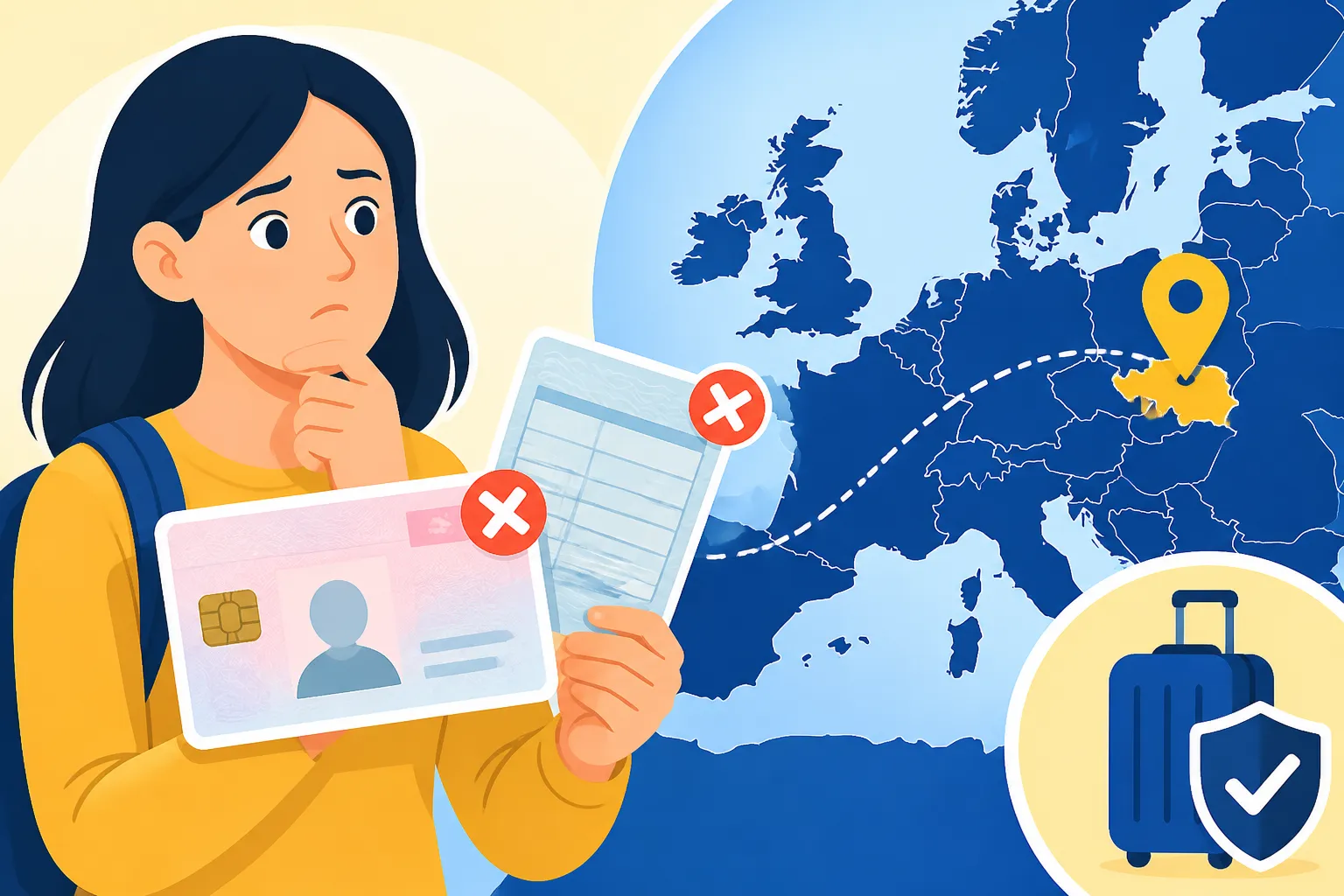
Oh, the joys of Belgian bureaucracy and the constant fear of whether your documents are actually sufficient! Many of us expats have faced that heart-stopping moment, passport in hand, only to realize our eID is on the verge of expiring – or worse, already expired – and we're staring down a planned trip within the Schengen Area. It's a common, incredibly frustrating scenario, leaving you wondering if that temporary Annex 8 will truly save the day. This guide aims to clear up the confusion, lay out the realities, and help you navigate the tricky waters of Schengen travel when your Belgian eID has run its course.
Understanding Your Belgian Residence Documents: eID and Annex 8
Navigating the Belgian administrative landscape often feels like learning a new language, especially when it comes to official documents. Your electronic identity card (eID) and the infamous Annex 8 are two pieces of paper (or plastic) that become central to your life here, but their roles in travel, particularly within the Schengen zone, are quite distinct and often misunderstood.
The eID Card: Your Primary Proof of Residence
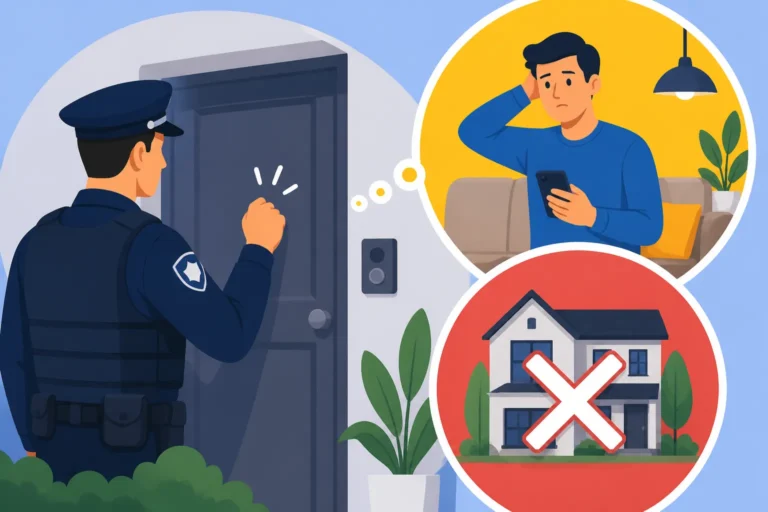
Your Belgian eID is far more than just an ID card; it's your official proof of residence in Belgium and, crucially, a valid travel document within the Schengen Area. It’s a smart card, packed with your personal data, a photo, and often serves as a key for online administrative tasks through applications like Itsme. When you first register at your commune, you'll go through the process to get this essential piece of plastic, often after the police have confirmed your address. For EU citizens, it's typically an E card or E+ card, while non-EU citizens receive an A card, B card, or other types depending on their status and length of stay. As long as it's valid, you can generally breeze through internal Schengen borders without showing your passport, relying solely on your eID. This simplifies travel immensely for many residents.
The issue, of course, arises when this card expires. An expired eID, regardless of whether your right to reside in Belgium is still valid, ceases to be a recognized travel document. Imagine trying to board a plane or even a train to another Schengen country with an expired driver's license – it simply won't cut it. While your residence rights in Belgium might continue (for example, if you've applied for a renewal), the document itself is no longer active for identification purposes. This distinction is vital for expats, as the administrative delays in renewing an eID can be lengthy, leaving you in a documentary limbo.
The Annex 8: A Temporary Lifeline
When you submit an application for renewal of your residence permit, or if you're awaiting your very first eID after your initial commune registration, the local authorities will often provide you with an Annex 8 (or "Bijlage 8" in Dutch). This document is formally known as an "attestation of registration" or "attestation d'enregistrement" and serves as temporary proof that your application for residence is pending and that you currently have a legal right to reside in Belgium. It confirms your legal stay in the country while your official eID is being processed.
Think of the Annex 8 as a placeholder, a vital administrative note that says, "Yes, this person is legitimately here, and we're just waiting for the plastic card to be printed." It usually has a specific validity period, typically a few months, and will clearly state that it is not a travel document. This is where the core of the problem lies for many expats. While it protects your status within Belgium, it doesn't automatically grant you the same travel privileges as a valid eID. Many expats find themselves relying on these temporary documents, like the Annex 15, when waiting for their physical eID card. However, the Annex 8 specifically concerns pending residence applications for certain categories. It's a local Belgian administrative document, not an internationally recognized travel pass.
Schengen Travel Rules and the Reality for Expats in Belgium
The Schengen Area is a wonderful thing, allowing for passport-free travel across much of Europe. It's one of the perks of living in Belgium, providing easy access to Paris, Amsterdam, or Berlin for a weekend getaway. However, the "freedom of movement" aspect often leads to misunderstandings about what documents are acceptable when you don't have your primary, valid residence card.
Schengen Area: Freedom of Movement (with a catch)
The Schengen Area encompasses 27 European countries that have abolished passport and all other types of border control at their mutual borders. This means that once you're legally inside the Schengen Area, you should theoretically be able to move freely between these countries without further checks. For a Belgian resident, this usually means showing your valid Belgian eID when asked, or sometimes your passport, and that's it. It’s designed to be seamless.
However, "freedom of movement" doesn't mean "freedom from documents." You are always required to carry valid identification and, if applicable, a valid residence permit for the Schengen country you reside in. While systematic border checks don't occur at internal Schengen borders, random police checks can and do happen. Moreover, when flying, even between Schengen countries, airlines are obligated to verify your identity and, in some cases, your right to travel, which means having appropriate documents. This is where the expired eID and Annex 8 become problematic.
Why an Expired eID is a Problem for Travel
An expired Belgian eID, despite confirming your past residence, is simply not a valid document for travel. Period. While your right to live in Belgium might still be intact, the document itself has lost its legal validity for identification purposes in the broader context of international travel. Airlines, train companies, and even border police (if you happen to be checked, especially at an airport) are unlikely to accept an expired eID as proof of identity or right to travel, regardless of whether you're staying within Schengen.
Think about it from their perspective: how can they verify that you are indeed the person depicted on the card, and that your residence status hasn't changed, if the document itself is no longer current? This can lead to:
- Refusal of boarding: Airlines are notoriously strict, and often have policies to refuse passengers with invalid travel documents. They don't want to be fined for transporting someone who might be deemed to be traveling illegally.
- Delays and questioning: Even on a train or in a car, if you encounter a random police check, an expired eID will raise red flags and necessitate further scrutiny, potentially causing significant delays and stress.
- Fines or deportation: In extreme cases, if you are found to be traveling without valid documents, you could face administrative fines or, in the worst-case scenario, be detained and asked to return to Belgium. While unlikely for an expat with pending renewal, it's a risk.
It's a frustrating situation because you know you have the right to be in Belgium, but without the physical, valid card, proving it on the go can be a nightmare. This is why it's crucial to renew your eID as early as possible.
The Annex 8 as a Travel Document: A Grey Area
This is the big question, isn't it? Can your Annex 8, that temporary document showing your application is in progress, allow you to travel within Schengen? The short answer, and the one you'll hear most often from authorities, is no, not reliably.
Here's why:
- Not a travel document: The Annex 8 explicitly states it is not a travel document ("Ce document n'est pas un titre de voyage" or "Dit document is geen reisdocument"). This isn't just a suggestion; it's a legal classification.
- Lack of international recognition: While it's perfectly understood by Belgian authorities, other Schengen countries might not recognize an Annex 8 as sufficient proof of identity or right to travel. They are looking for passports, national ID cards, or valid residence permits. A document issued by a local Belgian commune, that isn't a widely recognized travel document, may not be accepted by border guards or airline staff in other countries.
- Airline discretion: As mentioned, airlines have their own rules. Even if theoretically a country might accept it, an airline could still refuse boarding if they deem the document insufficient. Their staff aren't immigration experts; they follow strict guidelines.
While some expats might have successfully traveled with an Annex 8 and an expired eID, it is purely anecdotal and relies heavily on the discretion of the individual checking the documents. It is not a reliable or recommended method of travel. You are essentially taking a gamble every time. Imagine missing an important flight or being stuck in another country because of a document issue – it's a risk most prefer to avoid. If you're planning on any sort of travel, especially by air, you ideally want a valid passport and your valid Belgian residence card.
Risks, Realities, and Recommendations for Schengen Travel
It's easy to feel caught between a rock and a hard place when your eID is expired and you have an urgent need to travel. Let's talk about the real-world implications and what you can realistically do.
Potential Scenarios at Internal Borders
Even though there are no systematic border checks within the Schengen Area, police checks do occur, particularly in public transport hubs, airports, or during specific security operations. If you are stopped and only have an expired eID and an Annex 8, here’s what could happen:
- Scrutiny and Delays: At best, you’ll face extra questioning. Officials will want to verify your identity and your right to be in Belgium, and subsequently, your right to travel within Schengen. This can involve phone calls, prolonged waits, and a thorough examination of all your documents. It can be incredibly stressful and time-consuming.
- Refusal of Boarding or Entry: This is the most significant risk, especially when flying. Airlines operate under strict international regulations. If their staff aren't satisfied with your documents, they will refuse to let you board. If you manage to get on a plane but are checked upon arrival in another Schengen country, their border police might deny you entry if they don't accept your Annex 8 as a valid travel document. They might argue that while Belgium recognizes your pending status, it doesn't automatically mean other Schengen states must accept you without a proper travel document.
- Administrative Hassle: You might be asked to provide additional proof of your residence status, such as your employment contract, utility bills, or even a letter from your commune or the Immigration Office. This isn't always easy to produce on the spot, and it's certainly not what you want to be scrambling for when you're trying to catch a flight. It’s also important to remember that not all foreign officials will be familiar with Belgium’s specific "Annex" documents.
This situation is why many expats delay travel until their new eID arrives. Better safe than stranded, right?
Practical Tips for "Emergency" Travel
Let’s be realistic: sometimes, travel is unavoidable. A family emergency, an urgent business trip – life happens. If you find yourself in a situation where you must travel within Schengen with an expired eID and an Annex 8, here's how to minimize (but not eliminate) the risks:
- Carry EVERYTHING: Do not travel light on documents.
- Your expired Belgian eID.
- Your Annex 8.
- Your valid national passport (even if you think you don't need it for Schengen).
- A printout of your eID renewal application confirmation.
- Your employment contract or proof of enrollment if you are a student.
- Proof of residence in Belgium (e.g., a recent utility bill with your name and address).
- A letter from your commune or the Immigration Office, if you have one, explicitly stating your residence application status.
- Any other official document that proves your legal stay in Belgium.
- Travel by Train or Car (if possible): While not immune to checks, these modes of transport generally have fewer identity checks compared to air travel, where airline staff have a primary role in document verification. However, remember that random police checks can still occur on roads and at train stations.
- Be Prepared to Explain: Be ready to calmly and clearly explain your situation in French, Dutch, or English. Having a clear narrative and all supporting documents can make a difference.
- Check Airline Policies (if flying): If you absolutely must fly, contact the specific airline well in advance. Explain your exact document situation (expired eID + Annex 8 + valid passport) and ask if these are acceptable. Get confirmation in writing if possible, but be aware that what a customer service agent tells you on the phone might be contradicted by ground staff on the day. Many airlines are risk-averse and will simply say no.
- Consider Cigna Global Travel Insurance: While not a solution for document issues, having comprehensive travel insurance (like that offered by Cigna Global) is always a good idea, especially if you're taking a risk. It won't get you past border control, but it can protect you financially if you're delayed, have to rebook, or face other unforeseen circumstances.
It's a high-stress situation, and preparation is your only real defense. When dealing with foreign language documents for administrative procedures, RushTranslate can be a valuable service for certified translations, ensuring clarity and acceptance when dealing with official bodies.
The Safest Approach: Wait for Your New eID
Honestly, the best and safest advice is to avoid traveling outside Belgium until you have your new, valid eID in hand. The peace of mind alone is worth the wait.
Here's why and how to plan:
- Plan Ahead: Residence permit renewals often take time. Start the process well before your current eID expires. You typically receive a notification from your commune when it's time to renew.
- Understand the Timelines: Getting a new eID isn't instantaneous. After you apply and pay the fee, there's usually a waiting period for the card to be printed and delivered to the commune. Then you need to activate it with your PIN/PUK codes. Factor this into any travel plans. If you're a new arrival, the process of registering for public health insurance with your mutuelle or ziekenfonds can only truly begin once you have your eID, which also impacts your overall stability here.
- Check the Immigration Office website: For the most up-to-date information on processing times and required documents for renewals, always refer to the official Immigration Office (DOFI) website.
- Consider a 'Return Visa' (Extreme Cases): If you are a non-EU citizen, your eID has expired, and you must travel outside Schengen (not just within), you might, in very specific and urgent circumstances, be able to apply for a 'return visa' from the Belgian Embassy in your destination country. This is a complex and time-consuming process, strictly for external border crossings, and generally not applicable for internal Schengen travel, but it highlights the severity of traveling without valid documents.
Key takeaway: While an Annex 8 proves your legal residence status within Belgium while your application is pending, it is not designed, nor generally accepted, as a document for international travel, even within the theoretically borderless Schengen Area. Always prioritize having your valid eID or passport for any form of travel.
Document Status for Schengen Travel
Here's a quick overview to clarify your travel document situation within the Schengen Area:
| Document Status | Within Belgium (Residence/ID) | Internal Schengen Travel (Air/Train/Car) | External Schengen Travel (Non-Schengen Countries) |
|---|---|---|---|
| Valid Belgian eID | Fully valid | Generally accepted as a travel document. | Requires a valid passport and potentially a visa for the destination country. |
| Expired Belgian eID + Valid Passport | Still proof of ID if photo is current | Risky. Expired eID not a valid travel document. Passport is key. | Passport is valid, but expired Belgian residence means return to Belgium could be an issue. |
| Expired Belgian eID + Annex 8 | Valid proof of pending residence | Highly risky / Not recommended. Annex 8 is NOT a travel document. May be refused boarding or entry. | Not acceptable. Requires a valid passport and appropriate visa for destination, plus valid Belgian residence for return. |
| Annex 8 + Valid Passport | Valid proof of pending residence | Risky. Annex 8 is NOT a travel document. Passport is key. Might still face questions. | Passport is valid. Annex 8 does not help with travel outside Schengen. Returning to Belgium requires a valid visa/residence title (which the Annex 8 serves as temporary proof of). |
Ultimately, the best advice remains: ensure your documents are valid and up-to-date before making any travel plans. The administrative processes can be slow, but they are essential for smooth living and traveling as an expat in Belgium.
Disclaimer
The information provided in this guide is for general informational purposes only and does not constitute legal advice. While we strive to keep the information accurate and up-to-date, immigration and travel regulations can change rapidly. Always consult official Belgian government sources, such as the Immigration Office (Office des Étrangers/Dienst Vreemdelingenzaken) and your local commune, or seek advice from a qualified immigration lawyer for personalized guidance regarding your specific situation.