Hiring a Sworn Translator for Non-European Documents in Belgium
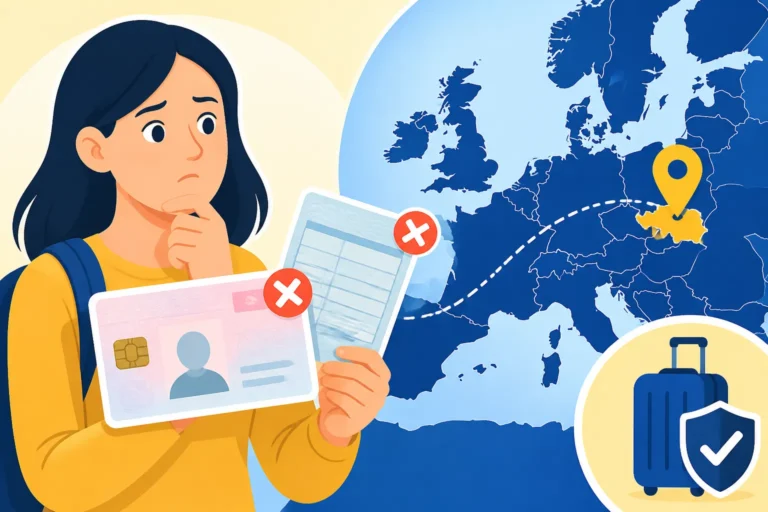
Arriving in Belgium as an expat often means drowning in a sea of paperwork, and nothing complicates that more than needing to validate documents from back home, especially if they're from outside the EU. You quickly learn that a simple translation won't cut it; Belgian authorities require a very specific type of official recognition. This guide will help you navigate the often-confusing world of sworn translations for non-European documents, ensuring your vital papers are accepted without a hitch.
Why You Absolutely Need a Sworn Translator in Belgium for Non-EU Documents
When you first arrive, you might think any translation will do, especially if you're fluent in both languages. But Belgium, like many European countries, has very strict legal requirements for official documents originating from outside the European Union. Ignoring these rules can lead to endless headaches, delays, and even outright rejection of your applications. It’s not about how well the document is translated, but rather the legal weight and authentication behind that translation.
The Legal Framework and Official Recognition
Belgian law, particularly when dealing with immigration, civil registry, or academic equivalency, demands that foreign documents be translated by a "sworn translator" ( traducteur juré in French or beëdigd vertaler in Dutch). These individuals aren't just linguists; they've undergone a specific legal oath before a Belgian court, typically a Court of First Instance, swearing to the accuracy and fidelity of their translations. This oath makes their work legally binding and accepted by official bodies.
Think of it this way: your original birth certificate from, say, India, is a valid legal document in India. But when you present it to a Belgian commune for your residence registration, they need to be certain that what they're reading in French or Dutch is an exact, legally sound representation of the original. An ordinary translator, no matter how skilled, cannot provide that legal assurance. The sworn translator's stamp and signature, often accompanied by their registration number and the court where they took their oath, are the proof positive that the translation is accurate and can be trusted by the Belgian state. This process is distinct from the initial legalization steps you might have already completed, such as an apostille or consular legalization, which validate the original foreign document itself. For more on authenticating documents, you might want to read about Apostille vs Legalization: Authenticating Documents for Belgium.
What Can Go Wrong with Uncertified Translations
Using an uncertified translation, or even a translation certified in a country other than Belgium, is a common pitfall for new expats. I've seen countless people share stories in expat groups about their documents being rejected at the commune or the Immigration Office (DOFI) because the translation didn't meet Belgian standards. Imagine going through the painstaking process of getting your marriage certificate from Brazil, only to have your family reunification visa delayed because the translation was done by someone who wasn't sworn in Belgium.
The most immediate consequence is typically a rejection of your application. This doesn't just mean a minor setback; it can lead to significant delays in your Residence Registration: Annexes, Communes, and the eID Card, your ability to work, or even securing a school place for your children. Each rejection means more time, more money, and more stress. You might have to start the entire process over, often paying for a new translation on top of any initial costs. Moreover, authorities are often unwilling to explain why a translation is rejected beyond simply stating it's "not in due form," leaving you to figure out the specific requirements on your own. It's a frustrating, but avoidable, hurdle.
Finding and Hiring a Sworn Translator: A Step-by-Step Approach
The good news is that while the requirement for a sworn translator is strict, finding one isn't as daunting as it might seem. The key is knowing where to look and what information to prepare beforehand to make the process as smooth as possible. Don't just pick the first name you find online; ensure they are properly accredited in Belgium for the language pair you need.
Where to Look for Certified Translators
The most reliable place to find a sworn translator is through the official lists maintained by the Belgian courts. These lists are publicly accessible, usually through the websites of the Ministry of Justice or the Courts of First Instance in each judicial district (e.g., Brussels, Antwerp, Ghent). These lists will specify the languages each translator is sworn for, which is crucial as a translator sworn for French-English might not be sworn for Hindi-Dutch.
You can also find sworn translators through professional associations like the Belgian Chamber of Translators and Interpreters (CBTI-BKVT). Many sworn translators also have their own websites or profiles on platforms that specialize in legal translation services. When considering online services, look for platforms that explicitly state they work with Belgian-sworn translators for your specific language pair. For instance, services like RushTranslate specialize in certified translations and can often connect you with the right professional, ensuring they understand the nuances of Belgian requirements. They often streamline the process, which can be a huge relief when you're already juggling so much as a new expat. Just make sure to confirm that their certifications are valid for use in Belgium, as certifications vary by country.
The Process: From Quote to Certified Document
Once you've identified a few potential sworn translators, here's a typical step-by-step process:
- Request a Quote: Send the translator a clear, high-resolution scan or photo of your original document. Crucially, specify that you need a Belgian sworn translation and mention the target language (French, Dutch, or German, depending on the region and authority you're submitting to). They will assess the document's length, complexity, and urgency to provide a cost estimate and a turnaround time.
- Apostille/Legalization Check: Before translation, ensure your original non-European document has gone through the necessary legalization process in your home country. This often means getting an apostille if your country is part of the Hague Apostille Convention, or full consular legalization if it's not. The sworn translator usually translates the apostille or legalization stamp as well, as it's part of the official document. Without proper legalization of the original document, even a perfect sworn translation might be rejected. You might want to refer to Legalizing Foreign Degrees for Visa Processing for more specific document legalization needs.
- Confirmation and Payment: Once you agree to the quote, the translator will typically ask for a deposit or full payment upfront. They will then begin the translation.
- Translation and Certification: The translator will translate your document. Once complete, they will print both the original document (or a copy of it) and the translation, attach them together, and then affix their official stamp, signature, and often a unique registration number. They will also include a statement attesting that the translation is a true and faithful rendition of the original.
- Delivery: You'll receive the physical, certified translation, either by mail or in person. Digital copies might also be provided but for official submissions in Belgium, you almost always need the physical original sworn translation. Always keep several certified copies if possible, as different authorities might require their own.
Common Non-European Documents Requiring Sworn Translation
The types of documents that typically need a sworn translation are those that prove your identity, civil status, academic qualifications, or legal standing. It’s not just about what documents you have, but which ones Belgian authorities need to understand your legal personhood.
Birth, Marriage, and Educational Certificates
These are probably the most frequently requested non-European documents needing sworn translation:
- Birth Certificates: Essential for residence permits, family reunification, registering children born abroad, and even some visa applications. If you're looking into Family Health in Belgium: Pregnancy, Birth, and Pediatric Care, your child's birth certificate will certainly need this. For example, if you moved to Brussels from Nigeria, your Nigerian birth certificate would need a sworn translation into French, Dutch, or sometimes even English for certain EU institutions if that’s your official working language, but generally, local communes require French or Dutch.
- Marriage Certificates: Absolutely vital for proving marital status for residence, tax purposes, and family reunification visas. Without a properly sworn translation of your marriage certificate from, say, the Philippines, your spouse might face significant hurdles in their own Family Reunification Visas: Bringing Spouses and Children to Belgium.
- Educational Diplomas and Transcripts: If you're seeking to have your foreign degree recognized for employment, further study, or professional accreditation, these documents will need sworn translations. For instance, if you're a doctor from outside the EU hoping to practice in Belgium, your medical degree from an Indian university will need to be translated and then submitted for equivalency checks. Even for University Admissions: Legalizing Diplomas and Equivalency Checks, a sworn translation is a non-negotiable step.
Each of these documents carries immense personal and legal weight. Any inaccuracies or lack of proper certification could stall your entire integration process in Belgium, creating unnecessary stress and administrative burden.
Legal and Financial Records
Beyond personal identity, specific legal and financial documents often require sworn translations, particularly for immigration, self-employment, or specific judicial procedures:
- Police Clearance Certificates / Certificates of Good Conduct: Many visa and residence permit applications, especially those for long-term stay or citizenship, require proof of a clean criminal record from your home country. A police certificate from the United States, for example, would need to be translated by a Belgian sworn translator into the local administrative language. These are critical for proving you are a desirable resident and can significantly impact the outcome of your application for Permanent Residency (PR) in Belgium: Types and Timelines.
- Court Documents or Affidavits: If you have any ongoing legal matters, or need to prove legal guardianship or parental consent for minors, court orders or affidavits from your home country will need a sworn translation. For instance, if you are a single parent from South Africa relocating with your child, a court order granting you sole custody might need to be translated to ensure the Belgian authorities recognize your legal standing.
- Bank Statements or Financial Guarantees: While less common for sworn translation than civil documents, in specific cases, such as proving Student Visa Proof of Solvency: How Much Money Must Be Blocked? or demonstrating "sufficient resources" for certain visa categories, foreign bank statements might require a sworn translation, especially if they contain specific legal or financial terminology not easily understood in French or Dutch. Even though most financial institutions in Belgium, like ING or KBC, operate in multiple languages, for official government submissions, translated financial documents may be necessary.
Costs, Timelines, and What to Expect
Let's be realistic: getting sworn translations done isn't a quick or free process. It involves specialized work and adherence to strict legal standards. Understanding the typical costs and timelines will help you budget and plan accordingly, reducing stress during an already busy period.
Breaking Down the Translation Costs
The cost of a sworn translation in Belgium varies significantly based on several factors:
- Language Pair: Rare language combinations (e.g., Tagalog to Dutch, or Bengali to French) will almost always be more expensive than common ones (e.g., English to French).
- Document Length and Complexity: A single-page birth certificate is much cheaper than a multi-page academic transcript or a complex legal contract. Documents with dense legal jargon will also command higher prices.
- Urgency: If you need a translation within 24-48 hours, expect to pay a significant surcharge. Standard turnaround times allow translators to manage their workload more efficiently, resulting in lower costs.
- Translator's Rates: Each translator sets their own rates, often charged per word, per page, or a flat fee per document type. Per-word rates typically range from €0.10 to €0.20, but minimum fees for small documents (e.g., under 250 words) are common, often around €50-€75 per document.
As a general rule of thumb, budget anywhere from €50 for a short, simple document to several hundred euros for longer, more complex ones. Always get a clear quote before proceeding. Many online platforms like RushTranslate offer transparent pricing, which can be helpful for planning your expenses.
Here's a simplified table illustrating potential costs for common documents:
| Document Type | Typical Length (pages) | Standard Language Pair (e.g., English to French) | Rare Language Pair (e.g., Arabic to Dutch) | Estimated Cost (EUR) | Turnaround Time (working days) |
|---|---|---|---|---|---|
| Birth Certificate | 1-2 | €60 – €100 | €100 – €200 | €60 – €200 | 2-5 |
| Marriage Certificate | 1-2 | €60 – €100 | €100 – €200 | €60 – €200 | 2-5 |
| Diploma | 1 | €50 – €80 | €80 – €150 | €50 – €150 | 2-4 |
| University Transcript | 2-5+ | €150 – €300+ | €250 – €500+ | €150 – €500+ | 5-10+ |
| Police Clearance | 1-2 | €70 – €120 | €120 – €250 | €70 – €250 | 3-6 |
| Legal Judgment (per page) | Varies | €40 – €70 per page | €60 – €100 per page | €40 – €100+ | 5-15+ (depends on total pages) |
Note: These are estimated costs and timelines for standard services. Urgent requests or exceptionally rare languages will incur higher fees and potentially faster turnaround.
Realistic Timelines for Your Documents
Just like costs, timelines are influenced by the translator's workload, the complexity of your document, and your urgency.
- Standard Service: For a typical one-to-two-page document in a common language pair (e.g., English, Spanish, Arabic, Chinese to French/Dutch), expect a turnaround of 2 to 5 working days. This includes the time for translation, proofreading, certification, and preparation for delivery.
- Urgent Service: If you have a pressing deadline, some translators offer expedited services. This might shorten the timeline to 24-48 hours, but as mentioned, it comes at a premium price, sometimes doubling the standard fee. It's always best to communicate your deadline clearly when requesting a quote.
- Complex or Multiple Documents: If you have a stack of documents or very technical texts, the process will naturally take longer. A large academic transcript or several legal documents could easily take 5-10 working days or more. Always factor this in, especially if you have an upcoming appointment at the commune to register your family or finalize your visa, where you'll need all your documents ready. Planning ahead is absolutely key.
While you're sorting out your official documents, don't forget about other essential preparations. Ensuring you have proper Healthcare in Belgium for Expats: Complete System Overview (2027) is just as important as your paperwork. Some medical providers, like Cigna Global, offer international health insurance plans that can cover you from day one, often requiring documentation that may also need translation. It’s all part of building your new life here, one official piece of paper at a time.
Hiring a sworn translator in Belgium for your non-European documents isn't just a recommendation; it's a legal imperative. While it might seem like another bureaucratic hurdle, engaging a certified professional ensures your documents are accepted without question, saving you time, money, and a great deal of stress in the long run. By understanding the process, knowing where to find accredited translators, and anticipating the costs and timelines, you can smoothly transition your life and official status into your new Belgian home.
Disclaimer
The information provided in this guide is for general informational purposes only and does not constitute legal advice. While we strive to keep the content accurate and up-to-date, immigration laws and administrative procedures in Belgium can change frequently. Always consult with a qualified legal professional or the relevant Belgian authorities (e.g., the Immigration Office, your local commune, or a legal expert) for advice tailored to your specific situation.