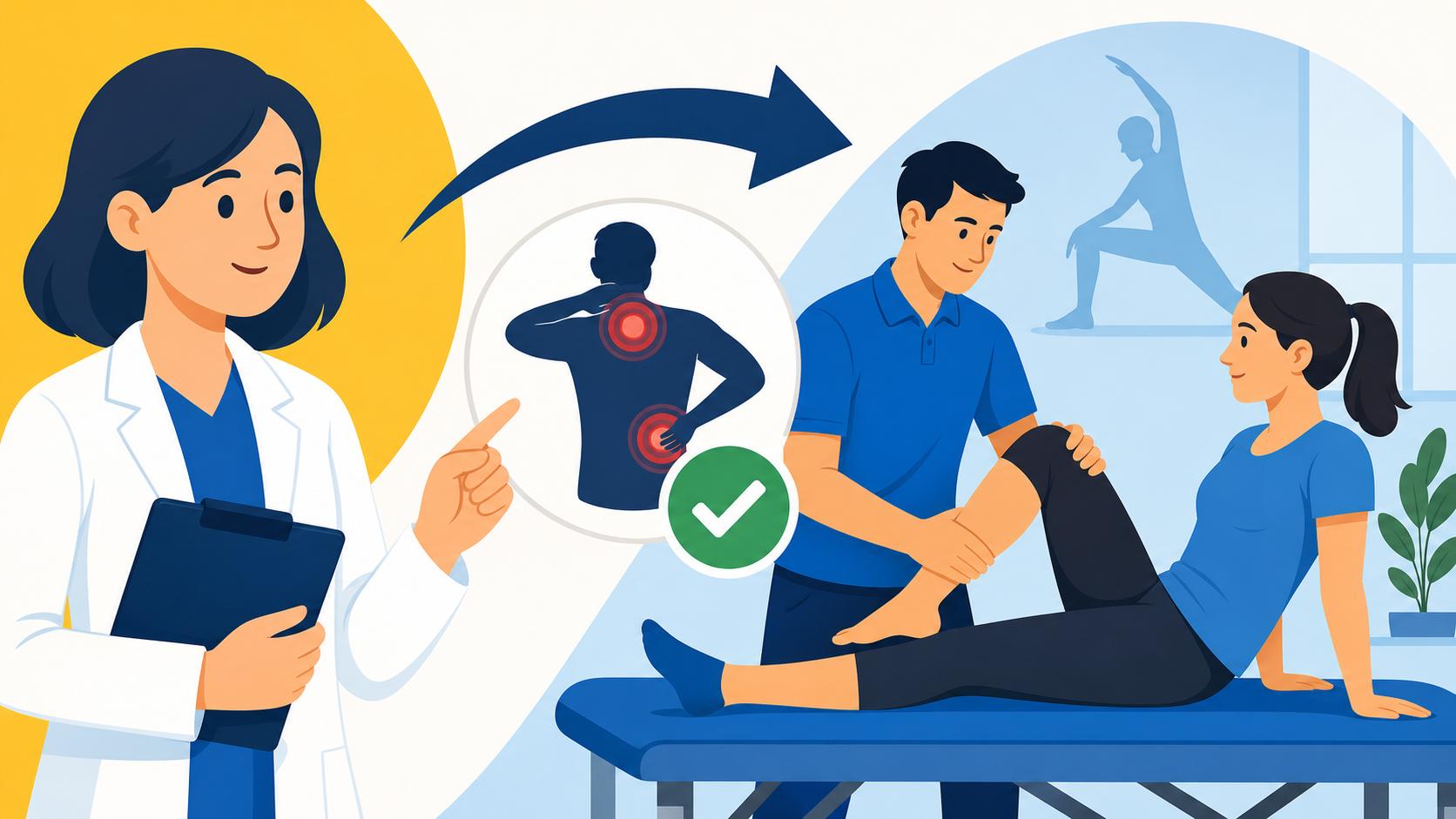
Physiotherapy (Kinesitherapy) in Belgium: Getting the Right Referral
Waking up with a seized-up lower back after a long-haul flight to Zaventem or a weekend of moving heavy furniture into a fourth-floor Ixelles apartment is a classic expat rite of passage. I remember vividly the first time I threw my back out in Brussels; I spent three hours frantically Googling "physio near me" only to realize that in Belgium, the rules for "Kiné" are quite specific if you want to avoid paying the full bill yourself. This guide solves the confusion around the Belgian referral system, ensuring you get the right medical paperwork and the maximum possible reimbursement from your insurance.
Navigating the Kinesitherapy System in Belgium
In Belgium, what most English speakers call physiotherapy is officially known as kinesitherapy, often shortened to simply "kiné" in French or "kinesist" in Dutch. While the practice is essentially the same, the administrative framework is unique. You might be tempted to call a local clinic and book an appointment the moment you feel a twinge, but if you do so without a plan, you will likely be footing the entire bill out of pocket.
The Belgian healthcare system is built on a foundation of "prescribed care." This means that while you can technically visit a therapist without a referral, it is treated as a "comfort" service rather than a medical necessity. To access the generous social security refunds, your journey must begin with a doctor. If you are new to the country and haven't yet established a local contact, your first priority should be Choosing Your First GP (General Practitioner) in Belgium. A GP acts as the gatekeeper to specialized services, and their referral is the key to unlocking insurance coverage.
One of the most important things to understand is that kinesitherapy is highly regulated. There are specific "nomenclature codes" for every type of treatment, from post-operative rehabilitation to respiratory therapy for infants. When a doctor writes you a prescription, they aren't just giving you advice; they are issuing a legal document that tells your Mutuelle (health fund) exactly why you need care. This distinction is vital because the amount you get back depends heavily on the "pathology" or the specific nature of your injury as defined by the doctor.
If you find that the public system's wait times are too long or you prefer a specific international specialist, you might look into Private Health Insurance in Belgium: When Do Expats Really Need It?. While the public system is excellent, private providers like Cigna Global can offer more flexibility, especially for expats who move frequently and want a consistent level of coverage that bridges the gap between Belgian state refunds and the actual cost of premium private clinics.
The Essential Steps to Securing a Medical Referral
Getting a referral is a straightforward process, but there are a few "expat traps" to avoid. First, schedule an appointment with your GP. During this consultation, be very specific about how your injury affects your daily life or your ability to work. In Belgium, doctors use a standardized prescription form. This form must include the number of sessions allowed (usually 9 or 18 for a standard "acute" situation) and the frequency of the sessions.
Once you have that piece of paper—the ordonnance or voorschrift—it is valid for two months. Do not wait. If you wait 61 days to book your first session, the referral expires, and you’ll have to pay for another GP visit to get a new one. I learned this the hard way after letting a prescription for a sprained ankle sit on my fridge for three months. The administrative rigor here is high, and the Mutuelle will not overlook a date discrepancy.
When you start looking for a therapist, you need to decide between a "conventioned" and "non-conventioned" practitioner. This is perhaps the most critical financial decision you will make. A conventioned therapist agrees to follow the official state prices. A non-conventioned therapist can charge whatever they like. To understand why this matters for your wallet, read our guide on Conventioned vs Non-Conventioned Doctors: How Out-of-Pocket Costs Differ. For many, using a conventioned therapist is the difference between paying 5 EUR per session and 25 EUR per session after reimbursement.
While you are managing your recovery, you might find that the sessions alone aren't enough. Many expats supplement their physical therapy with high-quality vitamins or topical muscle rubs. I often use iHerb to source specific brands of magnesium or Arnica gels that can be hard to find in local pharmacies. Having these tools at home can speed up the progress between your weekly sessions with the Kiné.
Understanding Costs and Maximizing Your Reimbursements
The Belgian reimbursement system for physical therapy is generous, but it operates on a "pay-and-claim" basis. Usually, you pay the therapist at the end of each session or at the end of the full cycle. They will then provide you with a green or white receipt (attestation de soins / getuigschrift voor verstrekte hulp). You send this to your health fund to get your money back.
The standard reimbursement rate is approximately 75% of the official state tariff, but this only applies if you have followed the referral rules. If you have a Global Medical Record, your "co-payment" (the amount you pay out of pocket) is actually reduced. This is a huge benefit for long-term residents. Make sure you know The Global Medical Record (DMG/GMD): Why You Need It for Better Refunds to ensure you aren't leaving money on the table.
Below is a breakdown of what you can expect regarding costs and sessions for a standard "acute" pathology (like a sports injury or sudden back pain):
| Feature | Standard Kinesitherapy (Acute) | Intensive / Chronic Therapy |
|---|---|---|
| Referral Required | Yes (from GP or Specialist) | Yes (often requires Specialist) |
| Sessions per Year | Usually 18 per pathology | Can be up to 60+ (F-pathology) |
| Reimbursement Rate | ~75% (if conventioned) | ~75% to 90% (with DMG/GMD) |
| Valid Period | Start within 2 months of referral | Varies by treatment plan |
| Provider Type | Conventioned recommended | Conventioned highly recommended |
If you are dealing with a more complex issue, the Healthcare Budgeting: Copays, DMG/GMD, and Reimbursements guide provides a deeper look into how these percentages are calculated. If your therapist is non-conventioned, the Mutuelle will still only reimburse you 75% of the official tariff, not 75% of what the therapist actually charged you. This is why having supplementary insurance like Cigna Global is so beneficial; they often cover the "extra" fees that the Belgian state system ignores.
When it comes to the actual sessions, you will notice that Belgian Kinés are very hands-on. Unlike in some countries where you are left alone with a heating pad, a Belgian session usually involves 20 to 30 minutes of manual manipulation or guided exercise. To stay on top of your appointments, I highly recommend Using the Rosa App: Booking Medical Consultations Online. It is an excellent tool for finding therapists who have immediate availability in your neighborhood, often allowing you to filter by language so you can find someone who speaks English.
Specialized Kinesitherapy and Long Term Recovery
Not all "kiné" sessions are for back pain. Belgium has a highly developed network of specialists. For example, if you have a young child with a chest infection, your doctor might prescribe "respiratory kinesitherapy." This can be quite alarming for parents at first—it involves the therapist applying firm pressure to the child's chest to help clear mucus—but it is incredibly effective and a standard part of pediatric care here.
If you are Managing Chronic Conditions: Diabetes and Asthma Care in Belgium, you may be eligible for what is called an "E-pathology" or "F-pathology." These are categories for heavy or chronic conditions that require long-term care. Instead of the standard 18 sessions, you might be granted 60 or even unlimited sessions per year with a much higher reimbursement rate. This requires a more detailed report from a specialist (like a rheumatologist or a neurologist), not just a general GP referral.
During a long recovery, don't forget the importance of self-care. I’ve found that ordering specific supplements like Glucosamine or high-dose Vitamin D from iHerb helps maintain joint health between my cycles of therapy. It’s all about a holistic approach—the Kiné fixes the alignment, but your nutrition and home exercises keep the fix in place.
Finally, always keep your receipts organized. The Belgian bureaucracy is manageable if you are tidy. If you lose your paper receipts, most modern clinics now use "eAttest," an electronic system where the therapist sends the claim directly to your Mutuelle. However, if they still use the old paper system, treat those green slips like cash. If you lose them, getting a duplicate is a massive administrative headache that involves the therapist, the council of the order, and a lot of waiting.
Medical Advice Disclaimer
The information provided in this article is for educational and informational purposes only and does not constitute professional medical advice, diagnosis, or treatment. Always seek the advice of your physician or another qualified healthcare provider in Belgium with any questions you may have regarding a medical condition or the specifics of the Belgian health insurance system. Never disregard professional medical advice or delay in seeking it because of something you have read in this guide. The Belgian healthcare landscape, including reimbursement rates and nomenclature codes, is subject to frequent legislative changes, and while we strive for accuracy, users should verify current regulations with their Mutuelle or insurance provider.