Buying Farmland or Rural Property in the Belgian Ardennes
The dream of waking up in a misty Ardennes valley often hits a solid brick wall the moment you realize Wallonian land laws are a thousand-year-old puzzle. I spent months trying to decipher a notaire letter while my French failed me, nearly losing a deposit on a crumbling stone farmhouse because I didn't understand the zoning. This guide simplifies the complex reality of buying farmland and rural property in the Belgian south.
The Allure and Reality of the Ardennes Rural Market
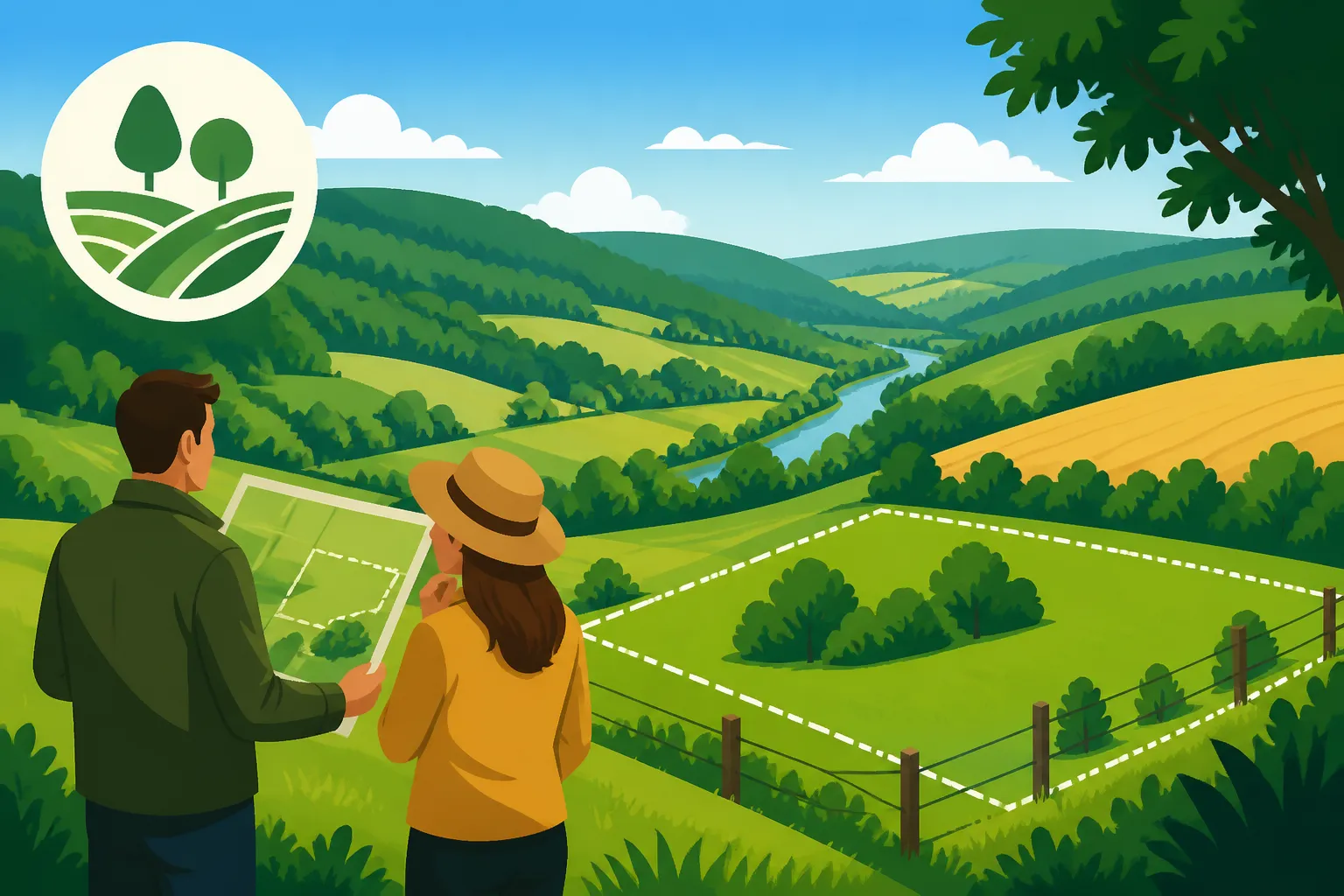
The Belgian Ardennes represent the "green lung" of the country, offering a lifestyle that is a world away from the frantic pace of Brussels or Antwerp. When you start looking at listings in provinces like Luxembourg, Namur, or Liège, the prices for vast tracts of land can look like a steal compared to the small suburban plots in Flanders. However, buying rural property here is not just about the price tag; it is about understanding the deep-rooted connection between the land and the local community.
In many Ardennes villages, land is more than just an asset; it is a legacy. You might find a beautiful three-hectare plot for sale, but if that land is classified as agricultural, you are entering a highly regulated ecosystem. Farmers in Wallonia have significant protections and rights of first refusal. If you are an expat looking to buy a "hobby farm" to keep a few horses or start a vineyard, you need to be prepared for the fact that the local agricultural commission might have something to say about it.
It is also vital to consider your temporary living situation while you scout for these remote gems. Since these properties are rarely "move-in ready" for the typical expat, many people use services like HousingAnywhere to find a base in a nearby city like Namur or Liège while they spend their weekends driving through the valleys of the Ourthe or the Semois to inspect potential purchases.
Identifying Different Types of Rural Land
In the Ardennes, land is not just land. It is categorized strictly under the Plan de Secteur (Sector Plan). You will encounter three main types of rural land: Zone d’habitat (Residential), Zone d’habitat à caractère rural (Rural Residential), and Zone agricole (Agricultural). The "Rural Residential" tag is the sweet spot for most expats, as it allows for a dwelling but protects the surrounding rural aesthetic.
If you mistakenly buy "Zone forestière" (Forestry Zone), you might own five acres of stunning pine forest but find yourself legally barred from even pitching a permanent tent, let alone building a cabin. I have seen many enthusiastic buyers get burned because they assumed that "owning the land" meant they had the "right to build." In Belgium, those are two very different things.
The Local Factor and the Village Sentiment
Rural Wallonia is incredibly charming, but it can be insular. When you are looking at Buying Property in Belgium as an Expat: Process and Taxes, you have to account for the social capital required in small towns. If you buy a piece of farmland that a local farmer has been leasing for thirty years on a "handshake deal," your arrival might be met with some friction.
I always recommend visiting the local commune (town hall) before signing anything. Introduce yourself to the "échevin de l'urbanisme" (the person in charge of town planning). They can give you the "real" history of a property that isn't in the glossy brochure. This is also where you will start to understand the Everyday Rules in Belgium: Garbage Sorting, Noise, and Etiquette that apply specifically to rural zones, such as when you are allowed to clear brush or burn garden waste.
Navigating the Legal and Regulatory Maze
Once you find a piece of the Ardennes to call your own, the legal process begins, and it moves with the deliberate speed of a slow-moving tractor. In Belgium, the notary is the central figure in any real estate transaction. Unlike in some countries where a notary just stamps a document, a Belgian notary is responsible for ensuring the legality of the entire sale, performing title searches, and checking for any outstanding debts or urban planning violations.
The first document you will sign is the "Compromis de Vente." Do not let the name fool you; it is a binding sales agreement. Once you sign this, you are committed. There is usually a four-month window between the signing of the compromis and the final deed (Acte Authentique). During this time, the notary will check if the property is subject to the "Droit de Préemption."
The Role of the Notary and the Droit de Préemption
For rural and agricultural land, the "Droit de Préemption" is a major hurdle. This gives certain public bodies or even neighboring farmers the right to step in and buy the land at the price you have agreed upon, effectively "bumping" you out of the sale. This is particularly common if the land is designated for agricultural use. The notary must notify the relevant authorities, and they typically have up to 60 days to respond.
Understanding Notary Fees and Registration Duties When Buying a Belgian House is essential because, in Wallonia, these costs can be quite high. You should expect to pay around 12.5% in registration duties alone, plus notary fees and VAT on those fees. For a large rural estate, this can add up to a significant five-figure sum on top of the purchase price.
Urban Planning and the Plan de Secteur
Wallonia is very protective of its landscape. If you are buying an old "fermette" (small farmhouse) with the intention of expanding it, you must consult the Plan de Secteur. This map dictates exactly what can be done in every square meter of the region. Even if you want to put up a simple fence or a small garden shed on your new farmland, you may need an "urban planning permit" (permis d’urbanisme).
The rules are even stricter if the property is in a "Zone protégée" (Protected Zone) or near a site of historical interest. Many expats dream of a modern glass-and-steel house in the woods, but the Ardennes authorities often insist on traditional materials like local slate (ardoise) and stone (grès). Before you commit, make sure you check the EPC Ratings (PEB): Why Energy Certificates Matter for Winter Heating, as old rural buildings in the Ardennes are notoriously difficult and expensive to insulate to modern standards.
Financial Considerations and Hidden Costs
The sticker price of a meadow in the Ardennes is just the beginning. When you move into the territory of large-scale land ownership, you are no longer just a homeowner; you are a land manager. This comes with a set of financial responsibilities that many city-dwellers overlook.
First, there is the "Précompte Immobilier" (property tax). While this is often lower in rural areas than in the city centers of Brussels or Antwerp, it still varies by commune. Then, there is the matter of insurance. Standard home insurance might not cover things like forest fires, fallen trees on neighbor's property, or liability if a hiker injures themselves on your land. You will need to dive deep into Insurance Essentials: Mandatory and Optional Covers for Expats to ensure you are fully protected.
Taxes and Subsidies for Land Owners
There is a silver lining to owning rural land in Belgium. If your land is classified as "Zone forestière" and you manage it according to certain ecological standards, you may be eligible for tax exemptions or even subsidies for reforestation. The Walloon government offers various "primes" (bonuses) for maintaining hedgerows, stone walls, or traditional orchards.
However, these subsidies come with strings attached. You may be required to allow public access to certain paths or follow a strict management plan. If you are financing your purchase, you should talk to your bank about Mortgages (Crédit Hypothécaire) for Non-EU Citizens in Belgium specifically for rural properties, as some banks are more hesitant to lend on agricultural land compared to standard residential homes.
Managing Maintenance and Infrastructure
Maintenance in the Ardennes is a physical and financial commitment. If you have five hectares of land, you cannot mow it with a standard lawnmower. You will likely need a small tractor or a deal with a local farmer to graze their sheep on your land. For the tools and equipment you’ll inevitably need—from heavy-duty chainsaws to specialized fencing—I’ve found that Amazon Belgium is often the most reliable way to get specific gear delivered to a remote rural address where local "brico" stores might have limited stock.
| Property Feature | Residential (Zone d’habitat) | Agricultural (Zone agricole) |
|---|---|---|
| Building Rights | Generally permitted for houses | Extremely restricted (farmers only) |
| Registration Tax | 12.5% (Wallonia) | 12.5% (may have reductions) |
| Pre-emption Rights | Rare | Very High (Local Farmers) |
| Maintenance | Low to Moderate | High (Land Management) |
| Utilities | Usually connected | Often remote/off-grid |
Practical Logistics for Remote Living
Living in the Ardennes sounds romantic until the first heavy snowfall blocks your 200-meter-long driveway and your internet goes out. Infrastructure in rural Belgium is generally good, but it has its limits. If you are buying a remote farmhouse, you need to investigate the "raccordements" (utility connections) immediately.
Water is a big one. Some old rural houses in the Ardennes still rely on private wells or "sources." While this sounds idyllic, you are responsible for testing the water quality and maintaining the pumps. If the property is not connected to the public sewer system, you will be legally required to install and maintain an "égouttage autonome" (an autonomous sewage treatment system), which can cost several thousand euros to install and requires regular inspections.
Connectivity and the Digital Nomad Life
For many expats, moving to the Ardennes is only possible if they can work remotely. While fiber optic internet is being rolled out across Wallonia, many "fond de vallée" (valley bottom) properties still struggle with signal. Before you sign the compromis, check the mobile coverage. I often recommend getting a local data solution like Airalo to test various network strengths at the property during your viewing. A house might have great 4G in the kitchen but be a dead zone in the barn you planned to turn into an office.
If you are planning to rely on satellite internet like Starlink, make sure you have a clear view of the sky—not always easy in a narrow, tree-filled Ardennes valley. For more on setting up your life, check out our guide on Utilities and Home Setup: Electricity, Water, Gas, and Internet.
Renovating Old Stone Farmhouses
The quintessential Ardennes house is built from thick local stone. These walls are beautiful, but they are also "thermal bridges" that soak up the cold. Renovating these properties requires a specialized touch. You cannot simply slap insulation on the inside without risking major mold issues due to trapped moisture.
Many owners choose to maintain the stone exterior and build a "house within a house" on the inside. This is a massive undertaking that requires a reliable architect who understands EPC Ratings (PEB): Why Energy Certificates Matter for Winter Heating. You should also look into Finding English-Speaking Plumbers and Electricians via RingTwice or similar local platforms, though in the deep Ardennes, you might find that the best contractors only speak French or the local "Wallon" dialect.
Making the Move and Building Community
Buying land in the Ardennes is more than a financial transaction; it is an entry into a way of life that prizes patience and local connection. Do not expect things to happen as fast as they do in the city. The "quart d'heure ardennais" (the Ardennes fifteen minutes) means things start when they start.
The best way to integrate is to be a good neighbor. Offer to let a local farmer use your excess hay, or buy your firewood from the guy down the road. If you show that you care about the land as much as the locals do, you will find that the "bureaucratic" hurdles start to get a little lower. For those early days of moving, having a Medical Emergency Checklist for Your First 30 Days in Belgium is a smart move, especially when you are far from the major hospitals of the big cities.
The Ardennes offers a level of peace and beauty that is hard to find elsewhere in Europe. By understanding the zoning laws, respecting the agricultural heritage, and preparing for the logistical realities of rural life, you can make your dream of a Belgian farmhouse a reality without the nightmare of legal surprises.
Disclaimer
The information provided in this guide is for general informational purposes only and does not constitute legal, financial, or professional advice. Belgian property laws, particularly in the Walloon region, are subject to change and vary significantly by commune. Always consult with a qualified Belgian notary and a professional surveyor before entering into any binding real estate agreements. External links to service providers are for convenience and do not imply an endorsement of every specific service offered.