Dealing with Long Wait Times for Specialist Appointments in Belgium
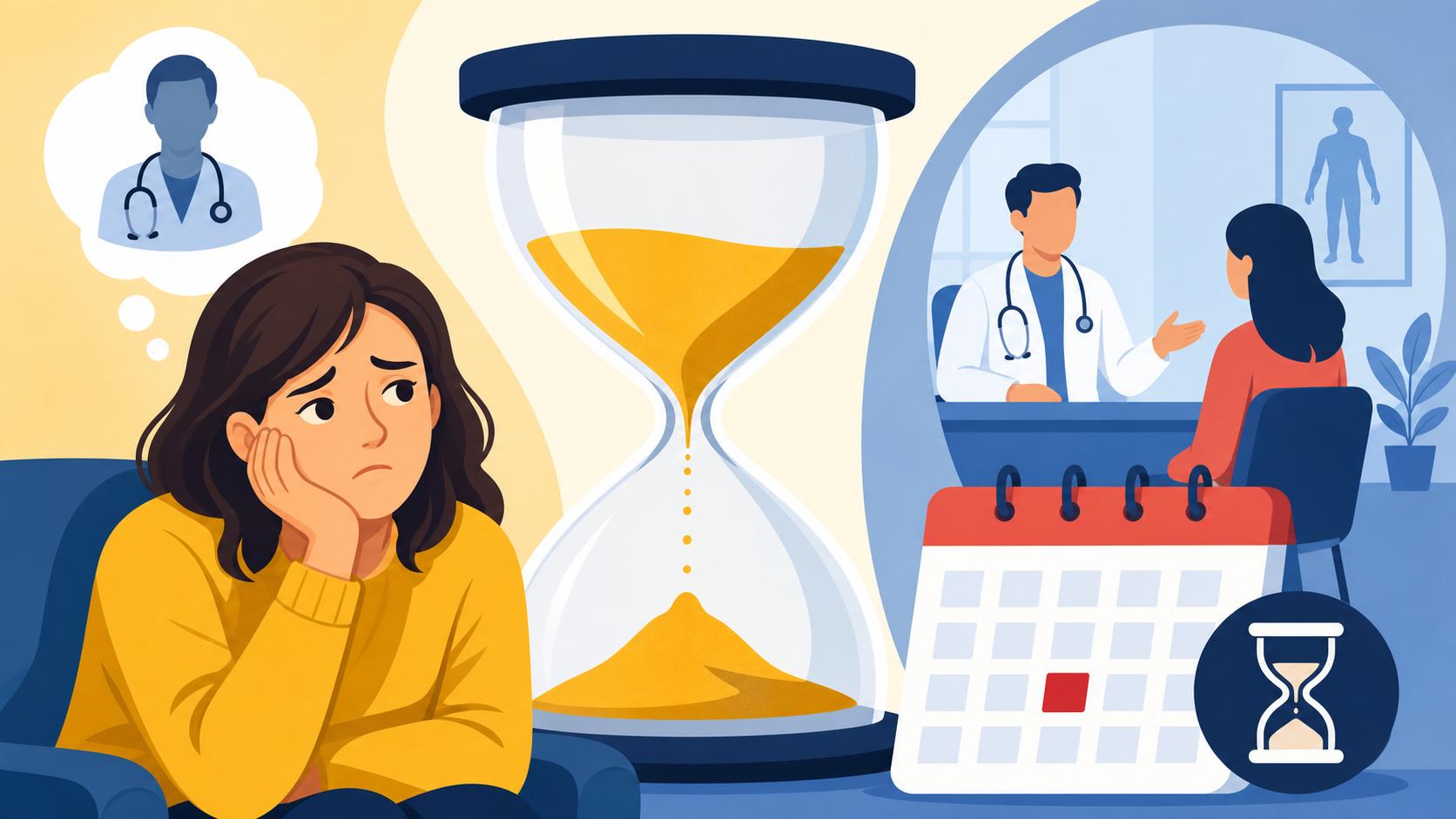
Finding out your "urgent" skin concern or persistent joint pain has to wait until next autumn for a consultation is the ultimate Belgian rite of passage. I remember staring at my phone in disbelief when a receptionist calmly told me the first opening for a dermatologist was in seven months. This guide breaks down exactly how to navigate these delays and get the care you need much sooner.
Understanding the Specialist Landscape in Belgium
The Belgian healthcare system is often lauded for its accessibility, but the reality for many expats is a jarring encounter with "full" agendas. Unlike some systems where you are strictly tethered to a local district, Belgium allows you a great deal of freedom to choose your provider. However, that freedom means everyone flocks to the same high-profile specialists in Brussels or Antwerp, creating massive bottlenecks.
The Role of the General Practitioner as a Gatekeeper
While you technically do not always need a referral to see a specialist in Belgium, Choosing Your First GP (General Practitioner) in Belgium is your most strategic move for cutting down wait times. When a doctor calls another doctor, the "full" calendar suddenly finds a gap. If you try to book a cardiologist yourself, you might wait three months. If your GP identifies a genuine clinical urgency and calls the specialist's office directly while you are sitting in their exam room, you could be seen within forty-eight hours.
Beyond the speed of appointments, having a regular GP allows you to maintain a Global Medical Record (DMG/GMD). This record is vital for Understanding the 75% Reimbursement System for Medical Consultations and ensuring that your specialists have access to your full history. Without this central coordination, you are just another name on a digital waiting list.
Conventioned vs Non-Conventioned Availability
One of the biggest reasons for long wait times is the hunt for "conventioned" doctors. These are providers who adhere to the official fee scales set by the state. Because they are more affordable, their waiting rooms are perpetually packed. When looking into Conventioned vs Non-Conventioned Doctors: How Out-of-Pocket Costs Differ, you will find that "non-conventioned" specialists often have significantly shorter wait times.
These specialists charge supplements above the state-reimbursed rate. If you have a standard mutuelle, you will pay more out of pocket. However, if you have robust private coverage like Cigna Global, these extra costs are often fully covered, allowing you to bypass the six-month wait for a conventioned doctor and see a top-tier specialist in a matter of days. It is a trade-off between time and money that every expat eventually has to weigh.
Digital Shortcuts and Booking Hacks
In the old days, you had to spend hours on the phone listening to French or Dutch hold music. Today, the digital landscape has shifted, though it requires some savvy to use effectively. If you are struggling with the bureaucracy, Using the Doctena App to Book Doctor Appointments in Belgium is the first step any newcomer should take.
Mastering the Refresh Button on Booking Apps
Platforms like Doctena and Rosa have revolutionized how we access care. The secret to Using the Rosa App: Booking Medical Consultations Online effectively is not just looking once and giving up. Specialists frequently have last-minute cancellations. If you are flexible, checking these apps at 8:00 AM on a Monday morning often reveals slots for the same week that were previously blocked.
Some specialized clinics in Brussels also operate their own internal portals. If you are Finding English-Speaking Doctors in Brussels, Antwerp, and Ghent, check the websites of major hospitals like Delta (CHIREC) or UZ Leuven directly. They often have real-time booking systems that are more up-to-date than third-party apps.
Expanding Your Search Radius
Expats tend to cluster in specific neighborhoods like Ixelles or Etterbeek, meaning the specialists in those areas are overwhelmed. If you are willing to take a thirty-minute train ride, you can often find much shorter wait times. A dermatologist in a smaller town like Mechelen or Waterloo might have an opening next week, whereas a Brussels-based one is booked until next year.
When you broaden your search, you also gain access to a wider variety of specialized clinics. While waiting for your appointment, you might need to manage symptoms. For many expats, sourcing specific supplements or high-quality wellness products can be difficult in local pharmacies, which is why many turn to iHerb to maintain their health regimen while navigating the Belgian system.
Comparison of Average Wait Times by Specialty
| Specialty | Average Wait (Brussels/Antwerp) | Strategic Shortcut |
|---|---|---|
| Dermatology | 4 – 8 Months | Ask for a "cancelation list" or go non-conventioned. |
| Ophthalmology | 3 – 6 Months | Visit an independent optometrist for basic checks first. |
| Gynecology | 2 – 4 Months | Check smaller private clinics outside the city center. |
| Cardiology | 1 – 3 Months | Referral from GP is essential for "urgent" status. |
| Psychology | 3 – 9 Months | Look for English-speaking private practices. |
| Dentistry | 1 – 3 Months | Use emergency clinics for immediate pain. |
Navigating Urgent Needs and Private Alternatives
If you are dealing with a situation that isn't quite a "call 112" emergency but cannot wait six months, you have to change your tactics. The Belgian system is excellent for chronic care, but the "middle ground" of urgent specialist needs can be frustrating.
Utilizing the "Polyclinic" Model
Many hospitals in Belgium have polyclinics where specialists rotate. Instead of calling a doctor’s private practice, call the hospital's central appointment desk. They have a bird's-eye view of all specialists in that department. If one doctor is on maternity leave or vacation, they can often pivot you to another colleague within the same hospital system.
This is also where Private Health Insurance in Belgium: When Do Expats Really Need It? becomes a critical question. For those with international plans like Cigna Global, you can often access private clinics that do not even list themselves on the standard mutuelle search engines. these clinics cater specifically to the expat and diplomatic community, providing faster access and often English-speaking staff throughout the entire patient journey.
The Power of the "Dossier Médical Global"
I cannot emphasize enough how much the DMG changes your experience. When you register your DMG with a GP, you are essentially signaling to the system that you are a coordinated patient. You can read more about How to Register Your DMG/GMD with Your Doctor Safely to understand the technical side, but the practical side is that it makes you a "priority" in the eyes of the healthcare network. Specialists are more likely to squeeze in a patient who has a well-maintained medical file and a referring GP than a random caller from the street.
While waiting for your specialist, you should also be mindful of Healthcare Budgeting: Copays, DMG/GMD, and Reimbursements. Specialist visits can be expensive, especially if they perform diagnostic tests like ultrasounds or biopsies during the first visit. Knowing how much you will get back from your mutuelle helps reduce the stress of the wait.
Managing Your Health During the Wait
The psychological toll of waiting for a diagnosis or treatment shouldn't be underestimated. It is easy to feel "stuck" in the Belgian bureaucratic web. During these months, focus on what you can control.
Telemedicine as a Bridge
If you just need a prescription renewal or a second opinion on a known condition, telemedicine is a fantastic tool. Many Belgian GPs and some specialists now offer video consultations through the Rosa app. This can save you a trip and sometimes gets you an "audience" with the doctor faster than an in-person exam.
For those who prefer a more holistic approach while they wait for their formal medical appointment, products from iHerb can help bridge the gap in terms of nutritional support or basic skin care. Just ensure you discuss any supplements with your GP during a regular check-up to avoid interactions with future treatments.
The Morning Call Tactic
If you are desperate, there is one "old school" trick that still works in Belgium: the 8:00 AM phone call. Receptionists often deal with cancellations first thing in the morning. If you call with a polite, empathetic tone and explain that you are flexible and can be at the office in thirty minutes if a slot opens, they will remember you. Being the "reliable" patient who fills a gap in the doctor's day is a great way to skip a six-month queue.
If the wait becomes truly unbearable and your health is deteriorating, do not hesitate to go to the emergency room of a large university hospital. While you may wait several hours in the triage area, you will eventually be seen by the specialist on duty. It isn't the most efficient way to enter the system, but it is a safety net that exists for everyone in Belgium, regardless of their insurance status.
Finally, remember that the system is built on "mutual" trust. Being a consistent, registered patient with a mutuelle and a private backup like Cigna Global ensures that when you finally do get that appointment, the care you receive will be some of the best in the world. The Belgian medical system is slow to start, but once you are "in," the quality and follow-up are remarkably high.
Disclaimer
The information provided in this guide is for educational and informational purposes only and does not constitute professional medical or legal advice. Always consult with a qualified healthcare provider or a licensed insurance professional regarding your specific medical needs and coverage options in Belgium. Belgian healthcare regulations and wait times are subject to change, and individual experiences may vary based on region and provider.