Dealing with Noise Complaints: When to Call the Belgian Police
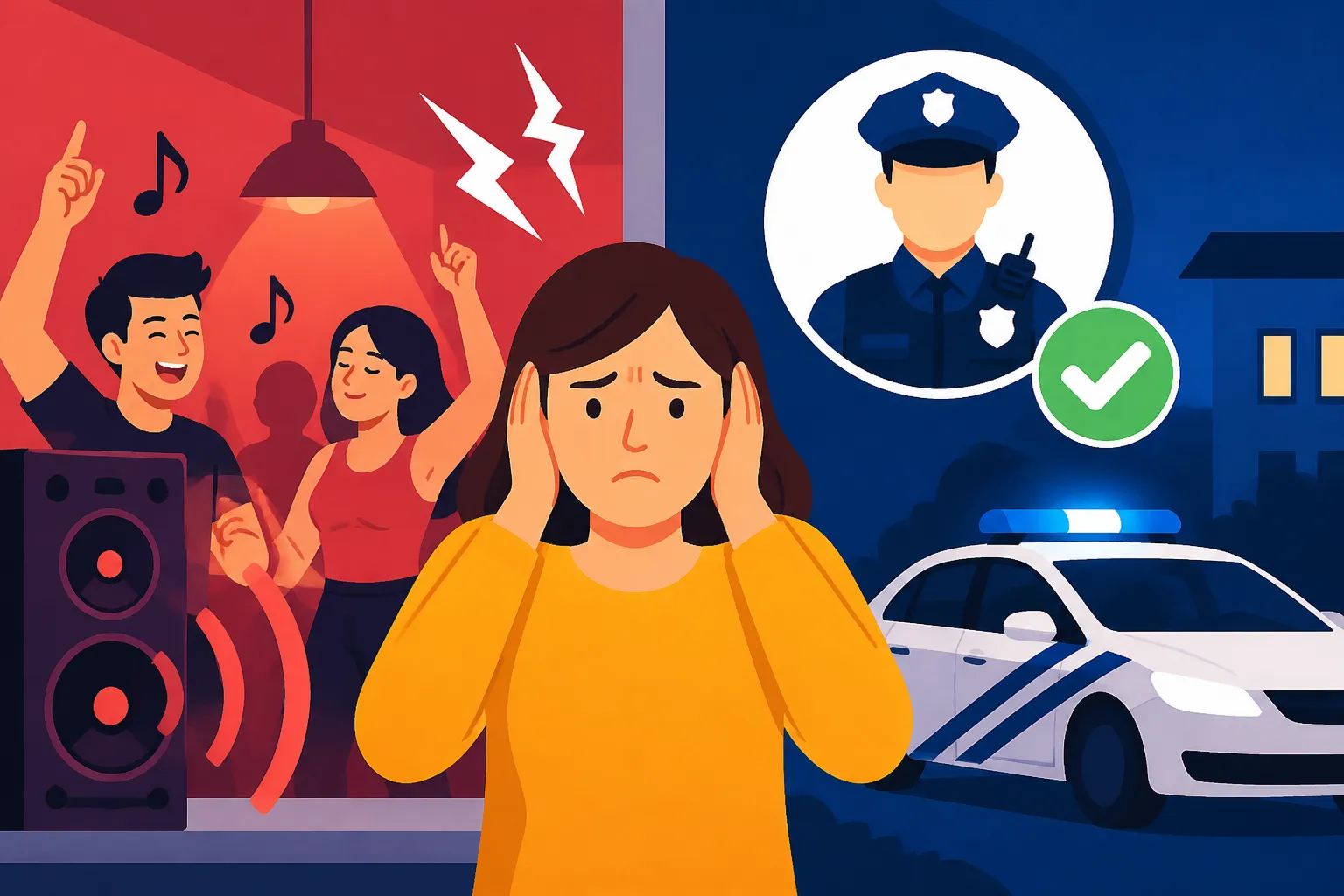
Imagine lying in bed at 2:00 AM while a rhythmic bass line from the apartment above vibrates through your pillow, making sleep an impossible dream. I remember my first month in a drafty Saint-Gilles studio where the neighbor's techno habit nearly drove me to a breakdown because I was too intimidated by the local bureaucracy to speak up. This guide provides the exact steps to navigate Belgian noise laws, from the first polite conversation to the moment you involve the police.
Understanding the Legal Framework: Tapage Nocturne and Beyond
In Belgium, noise isn't just a nuisance; it is a strictly regulated aspect of communal living. The law distinguishes between "tapage nocturne" (nighttime noise) and "tapage diurne" (daytime noise). While most of us are familiar with the idea that things should be quiet after dark, the Belgian approach is surprisingly comprehensive. Nighttime noise is generally defined as any disturbance occurring between 10:00 PM and 6:00 AM. During these hours, the threshold for what constitutes a "disturbance" is very low. Even loud talking on a balcony or a poorly placed washing machine can trigger a complaint.
However, many expats are surprised to learn that daytime noise can also be illegal if it is "excessive, repeated, or without necessity." If you are Renting in Belgium: Apartments, Contracts, and Tenant Rights (2027), you should check your specific lease and the building's internal rules (the Règlement de Co-propriété). These documents often go much further than national law, sometimes banning the use of vacuum cleaners or showers after 11:00 PM.
The regional differences are also noteworthy. In Flanders, rules regarding garden machinery and Sunday rest are often more strictly enforced by local "GAS" (Gemeentelijke Administratieve Sancties) officials than in the more chaotic centers of Brussels. Whether you live in a sleek new build or one of the many Apartment Types: Kots, Studios, and Unfurnished Rental Norms found in historic centers, you are protected by The Brussels Housing Code (BHC): Rights and Duties of Tenants, which mandates that every tenant has the right to the "peaceful enjoyment" of their home.
Managing Neighbor Relationships: The Expat Approach
Before you ever reach for the phone to call the police, you must attempt an informal resolution. In Belgium, social cohesion is highly valued, and "jumping the gun" by calling the authorities can lead to a permanent rift with your neighbors. I’ve found that many locals aren't actually trying to be rude; they simply don't realize how thin the walls are in these beautiful, old brick buildings.
Your first step should always be a face-to-face conversation. If your French or Dutch isn't quite there yet, use a translation app. If you have just arrived and are still using Airalo to stay connected while waiting for your home fiber to be installed, you can easily look up polite phrases. A simple, "I'm not sure if you're aware, but the sound travels quite a bit," usually does the trick. If a direct conversation feels too daunting, a polite, signed note in the mailbox is the next best thing. Never leave anonymous, aggressive post-it notes in common areas; this is seen as passive-aggressive and rarely yields positive results.
Building a rapport with your neighbors can actually prevent noise issues before they start. By Building Community: Making Friends and Cultural Integration, you create a social environment where people feel comfortable telling you, "Hey, your TV is a bit loud," rather than seething in silence. If the noise is coming from a communal area or is a persistent maintenance issue (like a rattling elevator or a buzzing water pump), you might need to find help through Finding English-Speaking Plumbers and Electricians via RingTwice or contact your landlord. If the issue is persistent and the neighbor is unresponsive, you should document every instance. Note the date, time, type of noise, and how it affected you. This log is essential if you ever need to escalate the matter to the Navigating Syndicate Meetings (Syndic) for Apartment Owners.
Calling the Police: When, Why, and What Happens
There comes a point where the "friendly neighbor" approach fails. If there is a massive party at 3:00 AM that shows no signs of stopping, or if a neighbor becomes aggressive when confronted, it is time to call the police. In Belgium, for non-emergency noise complaints, you should avoid the 101 emergency line if possible. Instead, look up the number for your local "Zone de Police" or "Politiezone."
When the police arrive, they will typically perform a "constatation." This means they need to hear the noise themselves from outside the building or, with your permission, from inside your apartment. They won't always knock on the neighbor's door immediately; sometimes they simply observe and then issue a warning. If the noise continues after a warning, or if the violation is particularly egregious, they can issue a fine.
| Action Level | Description | Typical Outcome |
|---|---|---|
| Level 1: Verbal Warning | Police visit the site and ask the neighbor to lower the volume. | Usually resolves 80% of one-off party complaints. |
| Level 2: GAS/SAC Fine | An administrative fine issued by the municipality, not a criminal record. | Fines typically range from €50 to €350 depending on the commune. |
| Level 3: Judicial Record | Repeated offenses or "Tapage Nocturne" recorded in a formal PV. | Can lead to court appearances and much higher fines. |
| Level 4: Seizure of Equipment | Police confiscate sound systems or musical instruments. | Used only in extreme cases of non-compliance. |
It is important to manage your expectations. The Belgian police are often stretched thin, especially on weekend nights in cities like Brussels or Antwerp. A noise complaint is rarely their top priority. If you are struggling with the isolation of dealing with these stressors alone, consider Joining Expat Meetups and Sports Clubs to Overcome Isolation to talk through your experiences with others who have faced similar hurdles. Dealing with the police is also much easier if you understand the local Noise and Apartment Etiquette: Quiet Hours and Sunday Rules, so you can cite the specific rules being broken.
Long-Term Solutions and Soundproofing Your Life
If you find yourself in a "noise war" that isn't resolving, you may need to look at more permanent solutions. Sometimes, the issue isn't the neighbor, but the building itself. If you used a platform like HousingAnywhere to find your place, you might want to review the listing to see if noise levels were mentioned, or use it to find a new, quieter relocation if the situation becomes unbearable.
For those who own their apartment or have a long-term lease, investing in soundproofing is often more effective than calling the police every week. You can find high-quality acoustic curtains, heavy area rugs, and even white noise machines on Amazon Belgium to help dampen the sounds of a bustling city. I’ve found that a thick rug can do wonders for muffling the sound of footsteps from above.
If the noise is a result of a legal dispute or a violation of building codes, your final recourse is the "Juge de Paix" (Justice of the Peace). This is a low-cost, accessible court designed to handle neighborhood disputes. You don't necessarily need a lawyer, though having one helps. The judge will often suggest mediation first, which is a structured way to resolve the conflict without a formal ruling. Remember, the goal in Belgium is always to restore "la paix sociale" (social peace). It takes patience and a bit of a thick skin, but eventually, you can reclaim your quiet nights.
Disclaimer
The information provided in this guide is for informational purposes only and does not constitute legal advice. Laws and local police regulations in Belgium are subject to change and can vary significantly between municipalities and regions. Always consult with a legal professional or your local commune office for advice specific to your situation.