Glass Recycling: Finding the Bulles à Verre in Your Neighborhood
You’ve just finished a dinner party and realized you have fifteen wine bottles clinking in a corner of your tiny Ixelles kitchen. I remember my first week in Brussels, wandering aimlessly with a heavy bag of glass, feeling like every neighbor was judging my confusion. This guide solves the mystery of the Bulles à Verre, helping you locate them and master the local recycling etiquette.
Understanding the Belgian Glass Recycling System
When you first move into a new apartment, perhaps found through a platform like HousingAnywhere, the sheer variety of trash bags can be overwhelming. You quickly learn about the yellow, blue, and white bags, but then you realize there is no bag for glass. This is because Belgium relies on a communal "bubble" system. Glass is heavy, potentially dangerous when broken, and 100% recyclable, but only if it is sorted correctly at the source. Unlike some countries where glass might be picked up from your doorstep, here you are expected to take it to a neighborhood collection point.
This system is part of the broader Everyday Rules in Belgium: Garbage Sorting, Noise, and Etiquette that every resident must learn to avoid hefty administrative fines. The logic is simple: by centralizing glass collection, the government reduces the number of heavy truck stops on residential streets and ensures that the glass remains "clean" (not mixed with paper or plastic) which makes the recycling process much more efficient.
White vs Colored Glass
You will notice that every glass recycling station has two distinct openings or two separate containers. One is for clear (white) glass and the other is for colored glass. This is not just a suggestion; it is a fundamental requirement of the Belgian recycling chain. White glass can be recycled into any color, but once it is contaminated with green or brown glass, it can never be used to make clear bottles again.
When I first arrived, I used to wonder if anyone actually checked. The reality is that the trucks often have two separate compartments inside, maintaining your hard work of sorting. Colored glass includes green wine bottles, brown beer bottles, and even blue water bottles. White glass is for your transparent jam jars, mayo jars, and clear wine or spirit bottles. If you have a bottle that is slightly tinted or frosted, play it safe and put it in the colored glass section. For a deeper dive into how this fits into the overall waste management, see our guide on Garbage Sorting Rules: Blue, Yellow, White, and Green Bags Explained.
The Deposit System and Vidanges
Before you haul your entire stash to the bubble, you must check for the "Vidange" or "Statiegeld" symbol. Belgium has a robust re-use system where many beer and water bottles are designed to be washed and refilled rather than crushed and recycled. If you see a small crate symbol or a price (like €0.10 or €0.20) on the label or the shelf tag, that bottle does not go in the bubble.
Instead, you take these back to the supermarket. Most large retailers have an automated machine, usually near the entrance or the beverage aisle, where you feed the bottles in one by one. The machine prints a voucher that you can use as cash at the checkout. It might seem like a hassle for a few cents, but it adds up, and it’s the most environmentally friendly way to handle glass in the country. This is a small but important part of understanding the Cost of Living in Belgium 2026: Singles, Couples, and Families.
How to Find Your Local Bulles à Verre
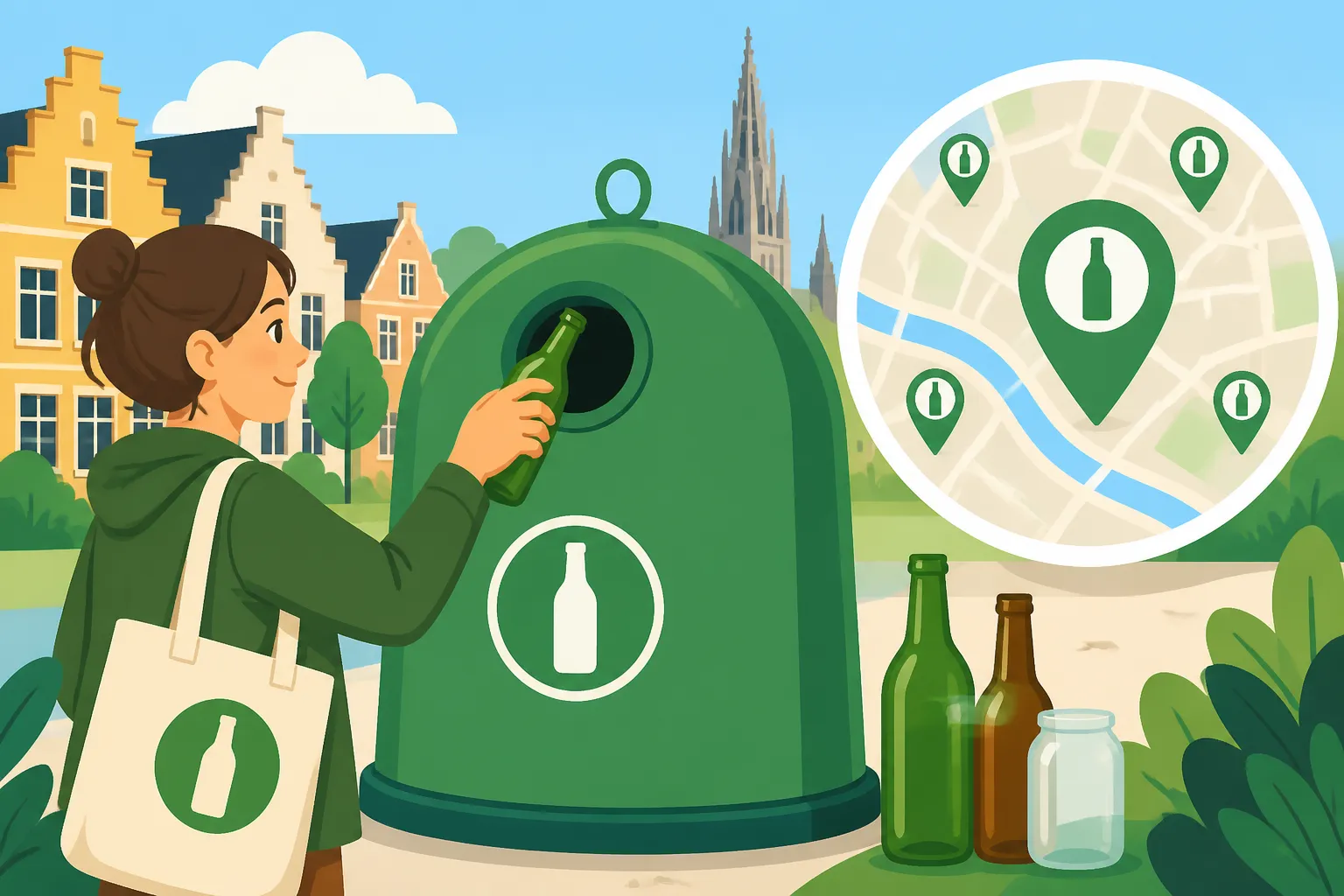
The search for a glass bubble can feel like a scavenger hunt if you don't know where to look. Usually, they are tucked away on street corners, near supermarket parking lots, or close to public parks. In more densely populated areas, like when you are Living in Brussels: Top Expat Neighborhoods (Ixelles, Etterbeek), you will often find them every few hundred meters. However, in suburban or rural areas, you might need to drive a short distance.
Mapping Tools and Digital Resources
Gone are the days of wandering the streets hoping to hear the sound of breaking glass to find your destination. Every region in Belgium now provides digital maps. If you are using a local SIM or an e-sim from a provider like Airalo to stay connected, you can easily pull up these maps on the go.
- Brussels: The Bruxelles-Propreté website has an interactive map where you can filter by "Bulles à Verre."
- Flanders: Most communes use the "Recycle!" app, which is one of the Essential Belgian Apps to Download: SNCB, Itsme, Payconiq, and TooGoodToGo. It gives you the exact GPS coordinates of every bin in your postal code.
- Wallonia: Check the website of your local intermunicipal waste management company (like Intradel or BEP).
These maps are incredibly accurate. They will even tell you if a bin is "underground" or "surface level." Underground bins are becoming the standard in modern Belgian neighborhoods because they look cleaner and significantly reduce the noise of falling glass.
Spotting the Physical Locations
If you are offline, look for the signage. Belgian glass bubbles are typically large, dome-shaped containers (the "bubbles") made of heavy plastic or metal. They are almost always green, though some newer ones in Brussels are grey with color-coded rings around the holes.
| Feature | Surface Bubbles | Underground Bubbles |
|---|---|---|
| Visibility | High (large green domes) | Low (small metal pillars) |
| Noise Level | Loud clattering | Muffled and quiet |
| Capacity | Smaller, can overflow | Massive underground tanks |
| Accessibility | Usually on sidewalks | Integrated into plazas |
When you are Moving to Belgium with Family: Housing, Schools, and Childcare, I highly recommend taking a walk on your first day to locate the nearest set. It’s a small task that makes your first "trash day" much less stressful.
Rules and Etiquette for Using the Glass Bubbles
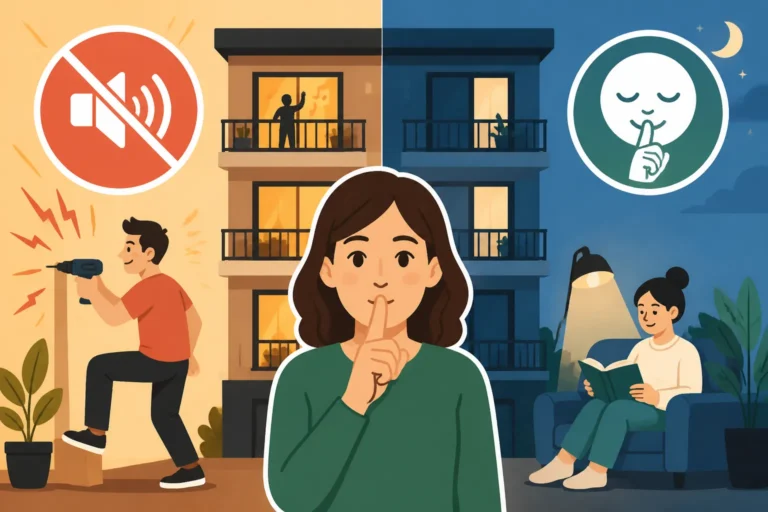
This is where many expats get into trouble with their neighbors. Belgians value their "rust" (peace and quiet) immensely. Dumping a crate of beer bottles at 11:30 PM on a Tuesday is the fastest way to get a stern lecture from a neighbor or a visit from the local police.
The Time Restrictions and Noise Control
Most communes have strict laws regarding when you can use the glass bubbles. Generally, the rule is 7:00 AM to 10:00 PM. Using them outside of these hours is considered a noise nuisance. In some strictly residential squares, the "opening" of the bubble might even be locked by a timer, though this is rare.
If you find yourself in a situation where you are worried about Dealing with Noise Complaints: When to Call the Belgian Police, just remember that the sound of glass shattering echoes significantly, especially in the narrow cobblestone streets of older Belgian towns. Always aim for mid-morning or afternoon drop-offs. If you have a massive amount of glass, try to space out the dumping so you aren't standing there for ten minutes creating a rhythmic clatter that disturbs the whole block.
What Stays and What Goes
A common mistake is thinking that anything made of "glass" belongs in the bubble. This is incorrect and can ruin an entire batch of recycled material. The glass bubbles are exclusively for glass packaging—meaning bottles, jars, and flasks.
You must remove the caps, lids, and corks. While the labels can stay on (the recycling heat will burn them off), the metal or plastic lids belong in your blue PMC bag. For more on that, see the Brussels Garbage Bags Color Guide: White (General) vs Blue (PMC).
The "Do Not Recycle" List for Glass Bubbles:
- Pyrex and Heat-Resistant Glass: These have a different melting point and will cause imperfections in new glass.
- Drinking Glasses and Crystal: These often contain lead or other minerals.
- Mirrors and Window Panes: These are treated glass and must be taken to the Recypark (container park).
- Lightbulbs: These belong in special bins found in supermarkets or DIY stores.
Troubleshooting and Practical Expat Tips
Living in a Belgian city means you might not have a car, and glass is heavy. I’ve seen people use everything from IKEA bags to rolling suitcases to transport their glass. If you need a more permanent solution, you can find heavy-duty recycling bags or partitioned bins on Amazon Belgium that make the trip to the bubble much easier.
Dealing with Overfull Bins
Occasionally, you will arrive at the bubble only to find it stuffed to the brim. The cardinal rule of Belgian recycling is: Do not leave your bottles on the ground next to the bin. This is considered "dépôt sauvage" (illegal dumping). Local authorities frequently check these spots, and if they find a letter or a receipt in your trash that identifies you, you will receive a fine in the mail that can exceed €200.
If the bin is full, you have two choices: find another bubble (usually the apps will tell you if one is reported full) or take your glass back home and try again in a few days. The collection trucks usually empty them on a fixed schedule, often weekly or bi-weekly depending on the neighborhood’s needs.
Transportation and Storage
If you are Buying Furniture and Appliances: IKEA, Krefel, and Second-Hand Shops, look for a dedicated space-saving bin for your glass. Since you shouldn't be going to the bubble every day, you need a way to store it that doesn't smell. Always rinse your jars and bottles. A quick rinse prevents flies and bad odors in your kitchen, especially during the humid Belgian summers.
When it comes to the actual trip, if you are a regular at local cafes, you might notice how they handle their glass. While we don't follow the Tipping Culture in Belgium: Restaurants, Cafes, and Deliveries when using public services, being a "good neighbor" by not leaving a mess and following the hours is the best way to integrate.
Disclaimer
The information provided in this guide is based on current Belgian municipal regulations as of 2026. However, waste management rules can vary significantly between different regions (Flanders, Wallonia, and Brussels) and even between individual communes. Always check the specific instructions posted on the physical glass bubbles in your neighborhood or consult your local town hall (Maison Communale/Stadhuis) for the most accurate and up-to-date local ordinances. Failure to follow local recycling laws can result in administrative fines.