Joining Expat Meetups and Sports Clubs to Overcome Isolation
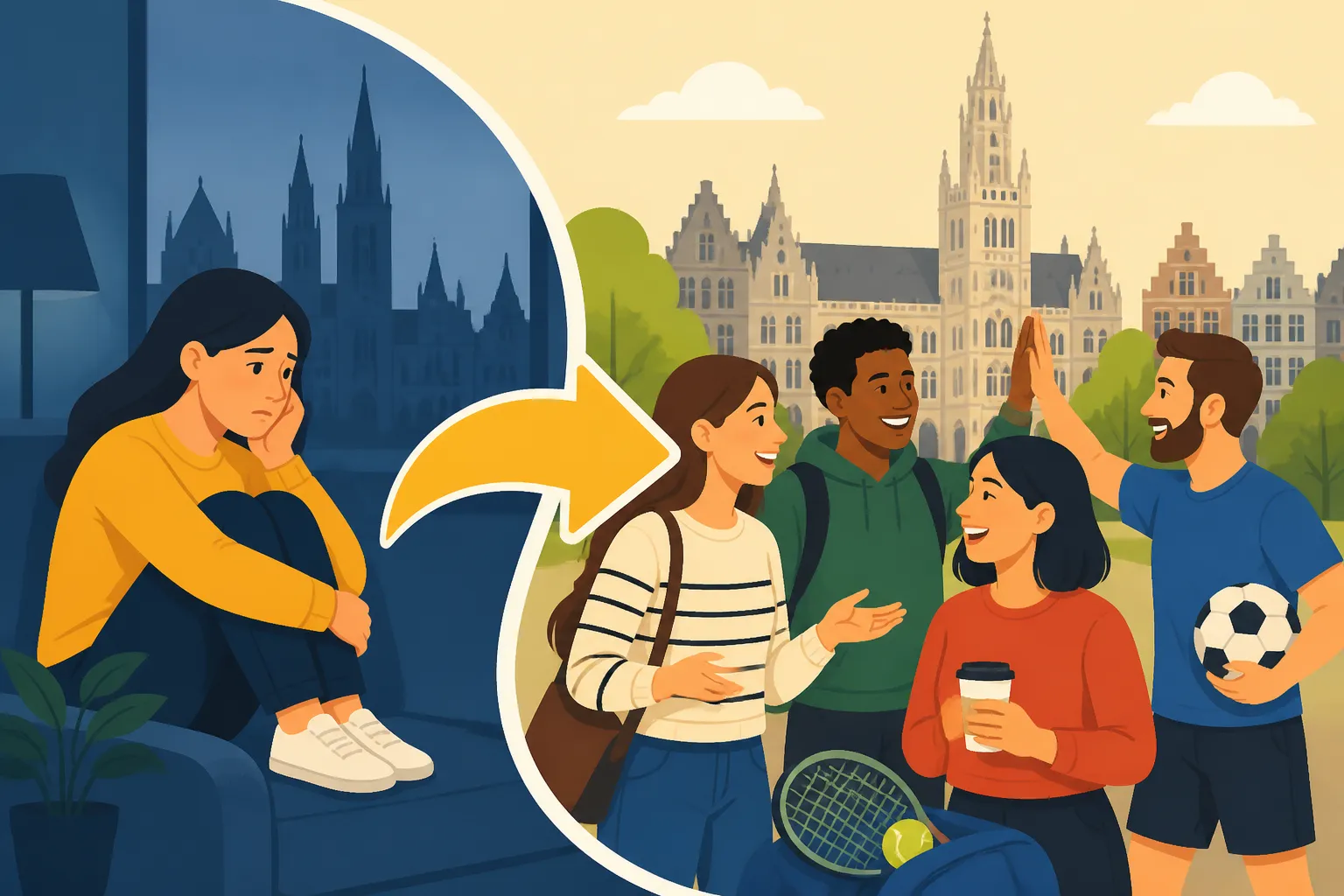
Landing in Belgium often feels like arriving at a party where everyone has been best friends since kindergarten. I remember sitting in my first "unfurnished" apartment in Ixelles, staring at the bare lightbulbs and realizing I hadn't spoken to a single person other than the delivery driver for three days. This guide solves the crushing weight of the "Belgian social wall" by providing a strategic roadmap to finding your tribe through meetups and sports.
The Reality of the Belgian Social Landscape: Why It’s Hard but Worth It
Belgium is a country built on deep, long-standing social structures. Many Belgians maintain the same friend groups from primary school or university, which can make the social scene feel impenetrable to an outsider. It’s not that people are unfriendly; it’s that their social calendars are often booked three weeks in advance with family obligations and "vrienden" they’ve known for decades. For an expat, this can lead to a specific type of isolation often exacerbated by the "grey" months. Understanding Belgian Weather: Surviving Grey Winters and Rain is crucial because your social life will likely shift from outdoor terrace drinks in the summer to indoor, organized activities in the winter.
The first step to breaking this wall is acknowledging that the "Brussels Bubble" is a double-edged sword. While it’s easy to meet other foreigners who are in the same boat, it can prevent you from ever truly integrating. If you find your initial housing through a platform like HousingAnywhere, you might start in a co-living space or a shared "coloc," which gives you an immediate social base. However, to truly overcome isolation, you have to move beyond the people you live with or work with at the Commission or a multinational firm.
When you first arrive, staying connected is vital for navigating these social groups. I always suggest getting an eSim from Airalo immediately so you can browse Meetup groups or Facebook events while you’re sitting in a cafe, rather than waiting for your home internet to be installed. That connectivity is your lifeline during those first few weeks when the silence of a new city feels the loudest.
The Myth of the "Rude" Local
Many expats mistake Belgian privacy for rudeness. In reality, Belgians value their "private life" immensely. They don't typically do the "American-style" over-the-top friendliness with strangers. However, once you are "in," you are in for life. Overcoming this requires patience and the realization that Making Friends Without Speaking Fluent French or Dutch is entirely possible, especially in the bigger cities, though showing effort in the local language is the ultimate "fast-pass" to trust.
Finding Your Social Baseline
Before diving into high-energy sports, many expats find comfort in "low-stakes" social environments. This is where Expat Health Trauma: Support Groups for Isolation and Culture Shock can be a literal lifesaver. If the move has been particularly taxing on your mental health, starting with a support group or a quiet book club can be less intimidating than a loud networking event at Place Luxembourg.
Strategic Socializing: Finding Your Tribe in Major Cities
Where you choose to settle will dictate the "flavor" of your social life. If you are still deciding Where to Live in Belgium: Brussels, Antwerp, Ghent, or Leuven?, consider that Brussels is the most international, Antwerp is the trendiest, and Ghent/Leuven have a strong, perennial student-plus-professional vibe. Each city has a distinct "Meetup" culture.
In Brussels, the social scene revolves around the "Apéro." Every Thursday and Friday, areas like Châtelain and Place Luxembourg (Plux) transform into massive outdoor networking hubs. While these are great for meeting people, they can also feel superficial. To find deeper connections, you need to look at specialized interest groups. Websites like Meetup.com and specific Facebook groups (like "Expats in Belgium" or "Brussels Girl Gone International") are the standard starting points.
Leveraging Niche Meetups
Don't just join the "General Expat" groups. They are often too large and can feel like a revolving door of people who leave after six months. Instead, look for:
- Board Game Nights: Places like "Le Coffre" in Brussels or similar cafes in Antwerp are hubs for hobbyists.
- Language Exchanges: "Mundo Lingua" events are fantastic for practicing your French or Dutch while meeting locals who actually want to talk to foreigners.
- Professional Networking: Join groups related to your specific industry (Tech, Law, NGO) to find people who share your daily grind.
The Importance of Consistency
The biggest mistake I see newcomers make is going to one event, not meeting a "best friend," and giving up. In Belgium, social integration is a marathon. You need to show up to the same Tuesday night board game group three or four times before the "regulars" start to view you as a permanent fixture. This consistency is the key to Finding Community: Making Friends and Cultural Integration.
| Type of Social Group | Best For | Effort Level | Recommended Platforms |
|---|---|---|---|
| General Expat Meetups | Quick, low-stakes socializing | Low | Meetup.com, Facebook |
| Sports Clubs | Deep bonding and routine | High | Local communes, Sport.vlaanderen |
| Language Exchanges | Integration and local friends | Medium | Tandem, HelloTalk, local cafes |
| Hobby Groups (Art/Music) | Finding "like-minded" souls | Medium | Brussels/Antwerp/Ghent city sites |
Sports and Active Clubs: The Secret Weapon for Integration
If you want to bypass the small talk and get straight to bonding, join a sports club. There is something about struggling through a muddy football match in the Rain or sweating in a Padel court that breaks down cultural barriers faster than any cocktail hour. In Flanders and Wallonia alike, "club life" (le milieu associatif / het verenigingsleven) is the backbone of society.
Padel has absolutely exploded in Belgium recently. It seems like every vacant lot in the country has been turned into a Padel court. It’s highly social because it’s usually played in doubles, and the "after-game" beer is culturally mandatory. If you’re looking for gear to get started without breaking the bank at a boutique shop, I usually find my rackets and court shoes on Amazon Belgium—they deliver quickly, which is great when you realize you’ve been invited to a match on short notice and have nothing to wear.
Gyms vs. Sports Clubs
There is a massive difference between Gym Memberships in Belgium: Basic-Fit vs Premium Clubs and joining a "club." A gym like Basic-Fit is often a solitary experience—people wear headphones and avoid eye contact. A club (like a local tennis, hockey, or cycling club), however, is a social ecosystem. Most have their own "Club House" where members hang out for hours after the activity. This is the "secret door" to Belgian society.
Unique Belgian Sporting Rules
Before you jump into the pool, be aware of specific local quirks. For instance, Swimming Pools in Belgium: Speedo Rules and Hygiene Caps are very real. Many public pools forbid loose swim trunks for hygiene reasons and require specific "tight" swimwear. Knowing these small details prevents that awkward moment of being turned away at the locker room, which is the last thing you want when you’re already feeling like an outsider.
Cycling: The National Religion
If you want to win the heart of a Belgian, especially in Flanders, get a bike. Joining a "WTC" (Wielertoeristenclub or Cycling Tourist Club) is an incredible way to see the country and meet locals. Be warned: they take it seriously. You’ll need the right gear, but the camaraderie found while climbing the "Bergs" of the Tour of Flanders is unmatched.
Navigating Cultural Nuances: Beyond the First Meeting
So you’ve gone to the meetup, you’ve joined the Padel club, and you’ve even been invited to a local’s house or a smaller gathering. Now comes the hard part: navigating the social etiquette. The "bise" (the cheek kiss) is a classic source of expat anxiety. Is it one? Two? Three? In Brussels, it’s usually one. In other parts of the country, it varies. I highly recommend reading up on Navigating the Belgian Healthcare 'Bise' Greeting System—while that guide focuses on healthcare, it touches on the physical boundaries and greeting norms that apply to social life too.
The "Invite Only" Culture
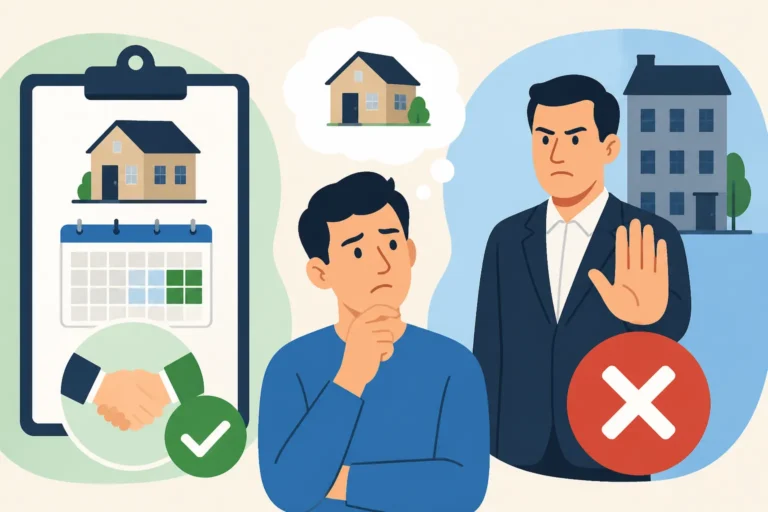
In many expat-heavy cities, "dropping by" someone's house is a cardinal sin. Everything is planned. If you want to see someone, you often have to propose a date two weeks in advance. Don't take this as a rejection; it’s just the way the Belgian calendar works.
Dating as a Social Tool
Sometimes, the best way to integrate is through the heart. Dating Culture in Belgium: Apps, Norms, and Expat Realities can be a gateway to a whole new circle of friends. Even if a date doesn't lead to a long-term relationship, it often introduces you to "real" Belgian bars and neighborhoods you wouldn't find on your own. Just remember that Belgians tend to be more reserved in the early stages of dating compared to Southern European or American cultures.
A Note on Alcohol and Socializing
Belgium is famous for its beer, and much of the social life revolves around it. However, if you don't drink, don't worry. The "Tournée Minérale" (a month-long sober challenge in February) is a huge national movement, and almost every "brown bar" or trendy cafe now has excellent non-alcoholic options. The "socializing" happens over the conversation, not just the glass.
Summary Checklist for Your First 30 Days
- Get Connected: Install an Airalo eSim so you never miss a WhatsApp invite or a GPS coordinate for a meetup.
- Join Three Groups: One general expat group (for info), one professional group (for career), and one hobby-specific group (for fun).
- Invest in Gear: Use Amazon Belgium to grab basic sports equipment or a good raincoat so "bad weather" never becomes an excuse to stay home.
- Show Up Three Times: Don't judge a group by the first meeting. Give it a three-visit minimum before deciding it's not for you.
- Learn the Greeting: Observe how locals in your specific city greet each other to avoid the awkward "half-hug/half-kiss" dance.
Disclaimer
The information provided in this guide is based on personal experience and general cultural observations in Belgium as of 2026. Social norms and platform availability may change. Always verify specific club rules and event details locally. This content is for informational purposes only and does not constitute professional psychological or social advice.