Getting a Credit Card Without a Full Belgian Credit History
Arriving in Belgium and realizing your glowing credit score from home is essentially worthless here is a rite of passage no one warns you about. I remember standing at a car rental desk in Zaventem airport, exhausted after a ten-hour flight, only to have my application rejected because I didn't yet exist in the local banking system. This guide will navigate you through the frustrating "no history" loop and show you exactly how to secure the plastic you need to survive.
The Belgian Credit Paradox: Why Your Past Success Doesn't Count
The first thing you need to wrap your head around is that Belgium does not operate on a "positive" credit scoring system like the United States, Canada, or the UK. In those countries, you build a score by borrowing money and paying it back. In Belgium, the system is fundamentally different. The National Bank of Belgium (NBB) maintains what is known as the Central Individual Credit Register. This register is primarily a "negative" list. It tracks who has defaulted on loans rather than who has been a "good" borrower. Consequently, when you walk into a bank branch in Brussels or Antwerp, the teller isn't looking for a high number; they are looking for the absence of your name on a blacklist.
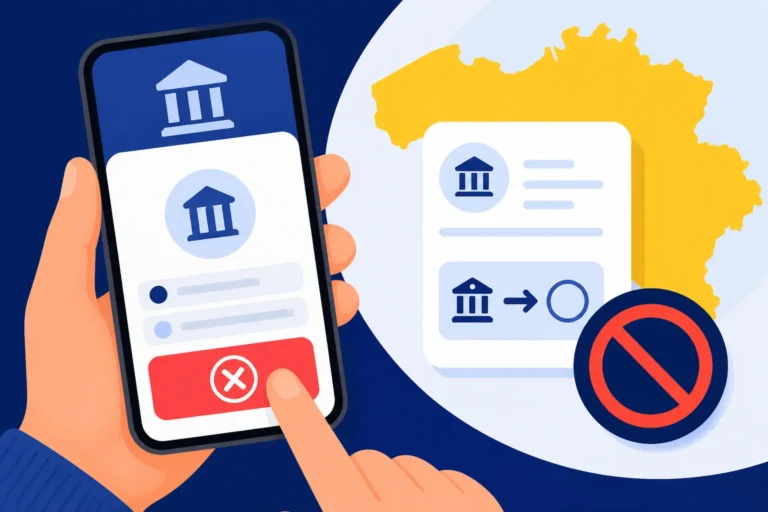
However, for an expat, having a clean slate is almost as bad as having a bad record. Because the bank has no data on your spending habits within the Eurozone, they view you as a high-risk ghost. This is where the frustration peaks. You might have a high-paying job at an NGO or a tech firm, but without three to six months of Belgian payslips, traditional institutions like BNP Paribas Fortis or KBC will often flatly deny a credit card application. They want to see a consistent "income-to-expenditure" ratio before they trust you with even a 1,250 EUR limit. Understanding How the Central Individual Credit Register (NBB) Checks Your Debts is the first step in realizing that the game is rigged against newcomers, but it is a game you can still win with the right strategy.
Another layer of this paradox is the distinction between a "true" credit card and a "charge card." Most cards issued by Belgian banks are actually charge cards. This means that while you can spend throughout the month, the total balance is automatically deducted from your linked current account on a specific date—usually the start or end of the month. You aren't "carrying a balance" in the American sense, yet the bank still performs a credit check because they are technically advancing you funds for thirty days. This is why you must be meticulous when Opening a Belgian Bank Account: Documents Needed and Blocks appear during your first few weeks.
The Role of the National Bank of Belgium
The NBB’s database is the ultimate authority in the country. Every time you apply for a credit card, a mortgage, or even a cellular contract in some cases, the provider queries this database. As a new resident, the response the bank receives is "No data found." To a conservative Belgian risk officer, "no data" translates to "unpredictable risk." They cannot see if you paid your credit card in London or New York for the last decade; they only see that you haven't yet contributed to the Belgian economy.
This lack of transparency often leads to expats being offered a "prepaid" card instead. While these are functional, they frequently fail at automated fuel pumps or when trying to leave a deposit for a hotel room. To avoid this, you need to prove your "solvency" through other means. Bringing a certified copy of your employment contract, or better yet, waiting until you have your first three payslips, is the only way to satisfy the traditional NBB-linked check. You can read more about Checking Your Credit Score in Belgium: NBB Blacklist Explained to understand what happens once you actually start borrowing money in the country.
The Magic Three-Month Rule
Why three months? In the Belgian labor market, many contracts include a "trial period" (though the laws on this have changed recently, the banking culture hasn't quite caught up). Banks want to see that you have survived the initial transition and that your Gross vs Net Salary in Belgium: Why the Difference is So Big doesn't result in you being unable to cover your monthly credit card bill. They look at your "disposable income"—what is left after you pay your rent, utilities, and insurance.
If you are a freelancer or "indépendant," the hurdle is even higher. You might be required to show an entire year of accountancy records or a significant tax return before a traditional bank grants you a credit line. For people in this boat, the traditional route is often a dead end for the first twelve months. This is where the modern fintech ecosystem becomes a literal lifesaver for the international community.
Traditional Belgian Banks: Navigating the Branch Culture
If you are determined to have a card from a local giant like Belfius or ING, you must prepare for a face-to-face meeting. Belgium is a country where "who you know" and "how you present yourself" still matters, especially in smaller communal branches. Walking into a branch with a folder containing your work contract, your lease agreement, and your residence permit (or the Annex 15 you received while waiting for your eID) can sometimes override a computer's "no" if the branch manager is feeling empathetic.
When you sit down with a consultant, don't just ask for a credit card. Ask for a "package." Banks are much more likely to approve a credit card if you also open a savings account and perhaps sign up for their version of Private Health Insurance in Belgium: When Do Expats Really Need It? or home insurance. By bundling services, you become a "multi-product" client, which lowers your risk profile in their internal scoring systems. It’s a bit of a hustle, but it’s the most reliable way to get a high-limit Visa or Mastercard from a traditional institution.
Negotiating the Credit Limit
Most expat-friendly branches will start you with a very low limit, often around 1,250 EUR or 2,500 EUR. In a city where the Cost of Living in Belgium 2026: Budgeting for Cities and Families is constantly rising, this limit can be eaten up by a single flight and a grocery run. Do not be afraid to ask for a "temporary" limit increase if you have a specific large purchase coming up. Showing that you have the cash in your linked savings account is usually enough to get a manual override.
Over time, usually after six months of perfect payment history, the bank will proactively offer to increase your limit. My advice? Take it, even if you don't need it. Having a higher available credit limit that you don't use actually helps your internal "reputation" with the bank, making future loans—like a mortgage—much easier to secure.
The Importance of the eID and Itsme
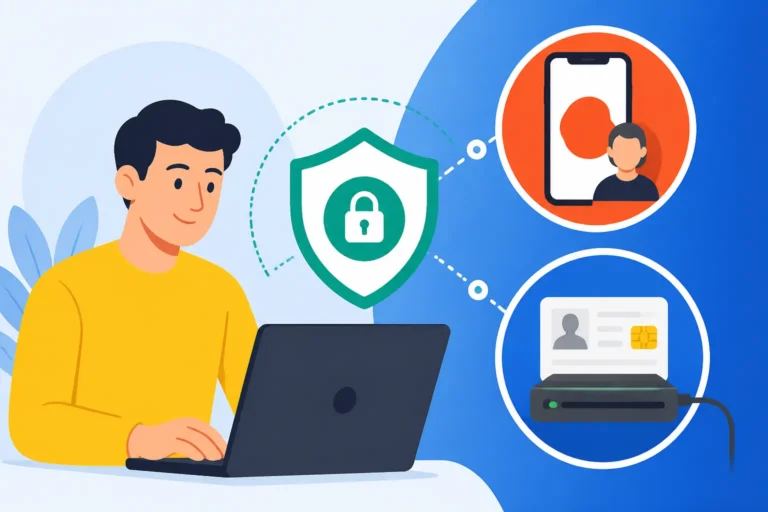
You cannot realistically expect a credit card from a Belgian bank without Itsme Authentication: How to Set Up Belgium's Vital Digital ID. This app is the glue that holds the Belgian digital world together. It proves your identity to the bank’s app and the government. Without it, you are stuck in a world of paper forms and physical card readers that feel like they belong in 2005. Most banks will not even process a credit card application online until your Itsme profile is fully linked to your Belgian residence card.
| Card Type | Credit Check Required | Typical Approval Time | Best For |
|---|---|---|---|
| Traditional Bank Visa/MC | Yes (Strict) | 1-2 Weeks | Building local reputation |
| Wise Debit/Travel Card | No | 3-5 Days | Immediate use upon arrival |
| Trade Republic Card | No | Instant (Virtual) | Earning interest on deposits |
| Binance Crypto Card | No | 1 Week | Tech-savvy users / Cashback |
| Store Credit Cards (e.g., Carrefour) | Yes (Moderate) | Instant | Small domestic purchases |
Fintech Alternatives: Bypassing the Bureaucracy
If the traditional banks are giving you the cold shoulder, do not despair. The rise of neobanks has completely changed the landscape for expats in Belgium. Companies like Wise, Trade Republic, and Binance offer cards that look and act like credit cards but don't require a Belgian credit history. These are technically debit cards or "prepaid" credit cards, but because they run on the Visa and Mastercard networks, they are accepted almost everywhere credit cards are.
Using a Wise card is often the first thing I recommend to anyone moving to Brussels. You can open an account before you even have your Belgian address finalized. It allows you to hold multiple currencies, which is vital if you are still getting paid in USD or GBP while trying to pay a deposit in EUR. Wise doesn't care about your NBB status because they aren't lending you money; you are spending what you've deposited. However, for a merchant, the card often processes exactly like a standard Mastercard, making it perfect for Bancontact and Payconiq: The Backbone of Belgian Payments gaps.
Why Trade Republic is a Hidden Gem for Expats
Trade Republic has recently disrupted the Belgian market by offering an incredibly high interest rate on uninvested cash (often around 4% as of 2026). Their card is unique because it offers "Saveback"—a percentage of every purchase you make is invested into a stock or ETF of your choice. For an expat trying to build wealth while navigating a new country, this is a brilliant "set and forget" strategy. Because Trade Republic is an investment platform, they don't perform the same type of "lifestyle audit" that a Belgian retail bank does. As long as you can prove your identity and your residence in the EU, you can get a card that works globally.
I personally use Trade Republic for my daily coffee and grocery runs because the "Saveback" adds up over the year. It’s a great way to offset the high Social Security in Belgium: Employer and Employee Contributions that eat into your monthly take-home pay. Plus, their app is entirely in English, which is a massive relief when you're already struggling with French or Dutch tax forms.
Exploring the Binance Card for Tech-Forward Residents
For those who are comfortable with digital assets, the Binance card offers a way to spend your crypto holdings (or Euro deposits) with significant cashback rewards. In Belgium, where "perks" on credit cards are notoriously thin compared to the US or UK, getting 1% to 5% back in BNB (Binance Coin) on your supermarket spend is a huge advantage. Like Wise, Binance does not check the NBB register. They verify your identity via your passport and a utility bill, making it one of the fastest ways to get "plastic" in your pocket.
However, be mindful of the tax implications. While spending Euro on a Binance card is straightforward, selling crypto to fund your purchases might trigger reporting requirements when you are Filing Your Income Tax via Tax-on-web (MyMinfin). Always keep a record of your transactions if you go this route.
Building Your Profile for Future Credit
Getting your first card is just the beginning. Your goal should be to integrate so thoroughly into the Belgian financial system that you are never questioned again. This starts with the "small stuff." Pay your utilities on time, ensure your Social Security in Belgium: Employer and Employee Contributions are correctly deducted from your payslip, and never let your current account go into an unauthorized "negative" balance. Even a 5 EUR overdraft that lasts for a week can be flagged in the bank's internal system, hampering your chances of a credit limit increase later.
Another trick is to use the "Oxygen" method. Keep a healthy "buffer" of at least one month’s salary in your current account at all times. Belgian banks love liquidity. If they see that you are constantly living at the edge of your balance, they will be hesitant to grant you credit. Conversely, if your account always shows a few thousand Euro in "reserve," you are seen as a low-risk, desirable client.
Leveraging Your Professional Status
If you work for a major international organization (the EU Commission, NATO, or a Fortune 500 company), use it to your advantage. Many banks have "Expat Desks" specifically designed for these high-income, low-history individuals. They understand the "ghost" problem and have internal policies to bypass the standard NBB requirements for employees of certain prestigious institutions. Always mention your employer early in the conversation.
The Retail Card Backdoor
If the big banks say no, try the retailers. Large chains like Carrefour or FNAC often offer their own credit cards (branded as "Cetelem" or similar). These providers are often slightly more aggressive in their lending and might approve a small credit line of 500 EUR to 1,000 EUR more easily than a traditional bank. Using one of these cards for your weekly groceries and paying it off instantly is a great way to start "existing" in the Belgian credit ecosystem.
Financial Freedom in the Heart of Europe
The path to financial stability in Belgium is paved with patience and paperwork. Don't let a "no" from a local branch manager discourage you; it isn't personal, it's just the Belgian way of risk management. By combining the reliability of traditional banking with the agility of fintech tools like Wise, Trade Republic, and Binance, you can build a robust financial life that supports your adventures in this beautiful, albeit bureaucratic, country.
Start small, keep your documents organized, and remember that within a year, the system will recognize you. Soon enough, you'll be the veteran expat giving advice to the next newcomer crying at the Zaventem car rental desk.
Disclaimer
This guide is for informational purposes only and does not constitute professional financial, legal, or tax advice. Banking regulations and fintech offerings in Belgium change frequently. Always consult with a qualified accountant or financial advisor before making significant financial decisions, and ensure you read the specific terms and conditions of any card or account provider mentioned.