How the Central Individual Credit Register (NBB) Checks Your Debts
Navigating the Belgian financial system often feels like walking through a fog until you suddenly hit a brick wall called the National Bank of Belgium. I remember the cold sweat I felt when my first mortgage appointment in Ixelles took a sharp turn because of a minor oversight on a credit card I hadn't used in years. This guide explains exactly how the Central Individual Credit Register (NBB) monitors your debts and how you can stay off the dreaded blacklist.
What is the Central Individual Credit Register (NBB) and Why Does It Matter
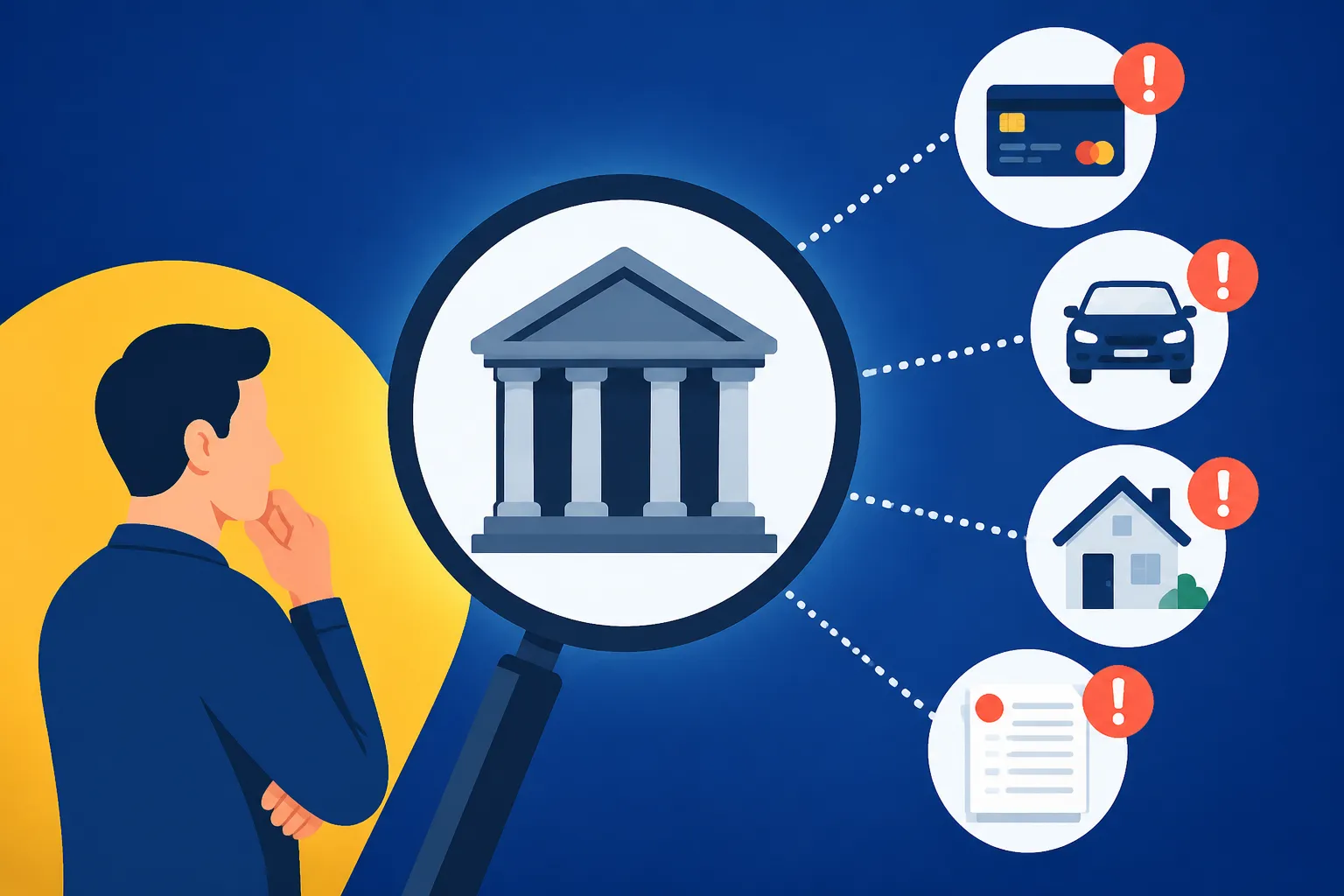
The Central Individual Credit Register, often referred to by its French acronym CCP (Centrale des Crédits aux Particuliers) or Dutch acronym CKP (Centrale voor Kredieten aan Particulieren), is a database managed by the National Bank of Belgium. Unlike the credit scoring systems you might be used to in the US or the UK, where you strive for a "high score," the Belgian system is primarily a record of your existing credit commitments and your history of meeting those obligations. It is the first place any lender will look when you apply for a loan, a mortgage, or even a sophisticated credit card.
The primary purpose of the NBB's register is to prevent "over-indebtedness." In Belgium, the law is designed to protect consumers from taking on more debt than they can realistically afford to pay back. If you have ever looked into Banking and Finance in Belgium: Complete Expat Guide (2027), you’ll know that the system is conservative by nature. The register serves as a transparency tool for banks, ensuring they have a full picture of your financial liabilities before they hand over more cash.
The Difference Between Positive and Negative Registrations
One of the biggest misconceptions I encounter among new arrivals is that being "on the register" is a bad thing. In reality, almost everyone living and working in Belgium who has a bank account or a contract is on the register. This is what we call a "positive registration." If you have a car loan, a mortgage, or a credit card with a "zero" facility (where you can go into the negative), that information is recorded. It shows that you are an active participant in the financial system.
A "negative registration," however, is what people colloquially call the "blacklist." This occurs when you fail to meet your payment obligations. If you are more than three months late on a loan payment, or if you exceed your credit limit and fail to rectify it within a specific window, the lender is legally obligated to report this to the NBB. Once you are in the negative category, getting new credit becomes almost impossible until the situation is resolved and a significant amount of time has passed. This is why Healthcare Budgeting: Copays, DMG/GMD, and Reimbursements is so vital; even medical debt, if handled through certain credit lines, can eventually spiral toward the NBB if ignored.
Who Has Access to Your Credit Data
The privacy laws in Belgium are quite strict, but the NBB register is a notable exception for financial institutions. Any bank or licensed lender in Belgium has the right—and often the legal obligation—to consult the register before granting you credit. They don't see a "score"; they see a list of your current loans, the amounts borrowed, and whether you have any defaults.
As an expat, you also have the right to see exactly what the NBB has on file for you. You can consult your own file at any time, free of charge. This is a crucial step if you are planning on Buying Property vs Renting in Belgium: Financial 2026 Comparison because you want to ensure there are no errors or old, "ghost" debts lingering on your profile. The transparency goes both ways, but the power lies with the banks when they decide whether your debt-to-income ratio is healthy enough for a new commitment.
How the NBB Tracks Your Debts and Credit History
The mechanism by which the NBB tracks your financial life is quite automated. Every time you sign a credit agreement—whether it’s for a high-end kitchen, a new Volvo, or a Mortgages (Crédit Hypothécaire) for Non-EU Citizens in Belgium—the lender sends the details to the NBB within two working days. This includes your identification details, the type of credit, the total amount, and the duration of the contract.
This tracking isn't just limited to traditional banks. Large retailers that offer "pay in installments" plans and specialized lending companies are also part of this network. I’ve seen expats get flagged because they forgot about a small installment plan for a laptop. The NBB acts as a central hub where all these fragmented pieces of credit information are stitched together into a single profile linked to your National Register number.
Types of Credit Recorded in the Register
The register is surprisingly comprehensive. It doesn't just look at massive loans; it looks at any form of consumer credit or mortgage. This includes:
- Standard installment loans (used for cars, furniture, or personal expenses).
- Mortgage loans for house purchases or renovations.
- Credit lines, including "blue" cards from supermarkets or "revolving" credit linked to your bank account.
- Leasing agreements if you are an individual and not a business.
Interestingly, things like your monthly phone bill or your rent are not generally recorded in the NBB register—unless they are part of a specific credit agreement. However, if you are using platforms like Binance to manage crypto assets or Trade Republic for your brokerage needs, the NBB doesn't see those as "debts." They are assets. The NBB is strictly interested in the money you owe, not the money you own. However, when you go to a bank for a loan, they will often ask for your statements from these platforms to verify your total wealth, even if the NBB doesn't track them.
How Long Does Information Stay in the NBB Files
Timing is everything when it comes to your credit reputation in Belgium. For a "positive" registration—a loan you are paying back on time—the information remains in the register for the entire duration of the contract plus three months and eight days after the final payment. This allows a slight overlap so that if you apply for new credit immediately after finishing an old one, the bank can see you have just freed up some of your monthly budget.
For a "negative" registration, the rules are much harsher. If you default, that black mark stays on your record for 10 years from the date of the default. However, if you pay off the debt in full, this period is reduced to one year from the date the NBB receives notification that the debt is settled. This "one-year rule" is the light at the end of the tunnel for many who have struggled with Social Security in Belgium: Social Security Contributions: How Employers Deduct Health Costs or other financial hurdles. It is a long wait, but it is the only way to "clean" your profile in the eyes of Belgian lenders.
How to Check Your Own Record at the National Bank
If you’re feeling nervous about what might be on your record, the best thing you can do is check it yourself. It’s a straightforward process, but it requires you to have your Belgian administrative house in order. You cannot simply call them up and ask; you must use a secure method of identification to protect your financial privacy.
In the past, you had to send a letter with a photocopy of your ID card. While that option still exists, it is incredibly slow. Today, the vast majority of expats use the digital portal. I highly recommend checking this before you start any serious negotiation for Credit, Loans, and Mortgages for Foreign Residents in Belgium to avoid any embarrassing surprises in the banker’s office.
Using Your Belgian eID or Itsme to Consult the Register
The most efficient way to access your data is through the NBB’s online application using your electronic identity card (eID) or the Itsme app. This is yet another reason why Itsme Authentication: How to Set Up Belgium's Vital Digital ID is the most important app on any expat's phone. Once you log in to the NBB portal, you can download a PDF report that lists every single piece of credit associated with your name.
This report will show the lender's name, the contract number, the original amount, and the status. If everything says "Normal," you are in the clear. If you see a "Defaulted" status, you need to take immediate action. I always tell my clients to save a copy of this report every year. It’s a good way to track your own financial footprint and ensure that when a loan ends, the bank actually notifies the NBB that the account is closed. Sometimes banks are slow with the paperwork, and a "ghost" credit line can lower your borrowing capacity for your next big move.
Correcting Errors and Dealing with the 'Blacklist'
Errors do happen. I once helped a friend who had a common surname and found a debt on his record that actually belonged to someone else with the same name in a different commune. If you find an error, you cannot ask the NBB to change it directly. The NBB is just the librarian; they don't write the books. You must contact the bank or lender that reported the data and demand they send a correction to the NBB.
If the "blacklist" entry is legitimate, your only path forward is full repayment. Once the debt is settled, ensure you get a "quittance" or a formal letter of discharge from the lender. While the lender is legally required to notify the NBB within eight days of your final payment, they sometimes forget. Having that letter allows you to pro-actively pressure them. Remember, even after you pay, you will usually have to wait that one-year "probation" period before the negative mark disappears entirely. During that time, using a service like Wise to manage your international bills can help ensure you never miss a payment again, as it allows you to keep track of various currencies and Sending Money In and Out of Belgium: Remittance and Currency issues that often cause accidental defaults.
Financial Best Practices for Expats to Avoid NBB Issues
The Belgian system rewards consistency over flair. To keep your NBB profile pristine, you need to be meticulous with your paperwork. Many expats run into trouble not because they lack money, but because they lack organization. A missed bill from a forgotten move or a dispute with a telecom provider that gets handed over to a debt collection agency can eventually land on the NBB’s desk.
One of the most effective ways to maintain a healthy financial profile is to diversify where you keep your assets while centralizing your liabilities. For example, you might use Trade Republic to build up a savings cushion that earns interest, providing a safety net so you never have to go into the "red" on your Belgian current account. Banks love to see that you have assets elsewhere, even if those assets aren't part of the NBB's tracking system.
Managing International Transfers and Investments
For expats, the complexity of moving money between countries is a common source of "accidental" debt. If your Belgian mortgage is due on the 1st, but your foreign salary doesn't arrive until the 5th, you might find yourself in a technical default. Using Wise for scheduled, low-cost international transfers can bridge this gap and ensure your Belgian account is always liquid when the direct debits (domiciliations) hit.
When it comes to investments, remember that your activity on platforms like Binance is not monitored by the NBB. However, if you are transferring large sums of crypto-gains into your Belgian account to pay off a loan, your bank will definitely report the "origin of funds" for anti-money laundering purposes. While this isn't an NBB issue per se, a "blocked" account due to suspicious transfers can lead to missed loan payments, which will end up on the NBB register. Keep your investment life transparent and your loan payments automated.
The Importance of Timely Utility and Loan Payments
In some countries, being a few days late on a bill is no big deal. In Belgium, it is a slippery slope. While your electricity bill doesn't go to the NBB immediately, if you ignore the reminders and the case goes to a "huissier" (bailiff) or results in a formal "mise en demeure," it can eventually impact your creditworthiness.
| Credit Type | Data Recorded | Retention Period (Regular) | Retention Period (Default) |
|---|---|---|---|
| Mortgage | Amount, Duration, Lender | Contract length + 3 months | 10 years (or 1 yr after pay-off) |
| Car Loan | Monthly Payment, Total | Contract length + 3 months | 10 years (or 1 yr after pay-off) |
| Credit Card | Limit (e.g., €2,500) | Until account is closed | 10 years (or 1 yr after pay-off) |
| Store Credit | Installment details | Contract length + 3 months | 10 years (or 1 yr after pay-off) |
To avoid these headaches, I recommend setting up "Direct Debits" for everything. You can learn more about this in How to Set Up Direct Debits (Domiciliation) for Utility Bills. This takes the human error out of the equation. If you are ever in financial trouble, talk to your bank before you miss a payment. They are often willing to restructure a loan, which is far better than a negative registration at the NBB. Once that notification is sent to the National Bank, the "machine" takes over, and your ability to navigate the Belgian financial landscape will be severely restricted for years to come.
Disclaimer
This guide is for informational purposes only and does not constitute professional financial or legal advice. Credit regulations and National Bank of Belgium policies can change. Always consult with a certified financial advisor or a legal professional regarding your specific situation in Belgium.