Hospitalization Insurance Pre-existing Condition Waiting Periods
Few things are more gut-wrenching than receiving a five-figure hospital bill because of a technicality you didn't see coming. I still remember the cold sweat I felt during my second year in Brussels when I realized my "coverage" had a massive gap regarding my chronic back issues. This guide explains how to navigate the minefield of waiting periods and pre-existing condition clauses in Belgian hospitalization insurance.
The Reality of Waiting Periods in Belgium
In the Belgian insurance market, the waiting period—often called the "stage d'attente" in French or "wachttijd" in Dutch—is a mandatory buffer time. During this window, you pay your premiums, but you cannot claim for elective procedures or certain illnesses. This isn't just a bureaucratic hurdle; it is a financial defense mechanism used by insurers to prevent "firefighting," where someone only buys insurance once they know they need a surgery.
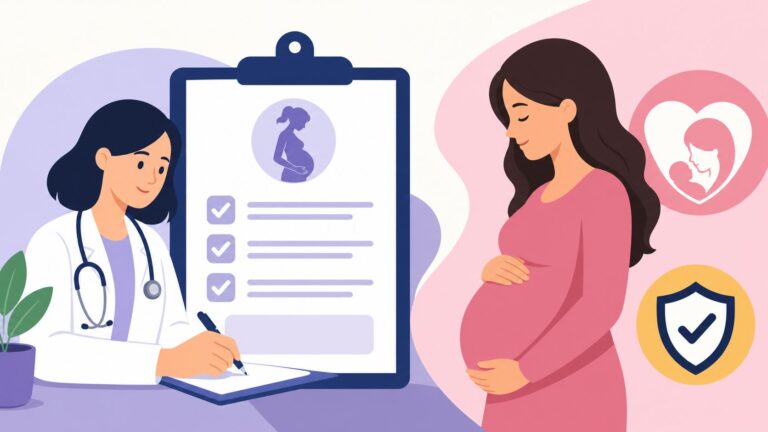
For most standard private policies, you will encounter a general waiting period of six months for basic illnesses. However, for maternity care and childbirth, this almost always extends to nine or ten months. This means if you are already pregnant when you sign the contract, the birth will likely not be covered by your private hospitalization plan. This is a massive shock for many, making it essential to understand Private Health Insurance in Belgium: When Do Expats Really Need It? before you even start house hunting.
If you are transitioning from a similar policy within the EU, some providers might waive these periods, but you must provide proof of continuous coverage. Without that "certificate of cancelation" from your previous insurer, you are treated as a brand-new risk. This is why many expats look toward international providers like Cigna Global, who are often more accustomed to the fluid timelines of international moves and may offer more flexible underwriting for those moving between countries.
Why the Mutuelle Isn't Enough for Everyone
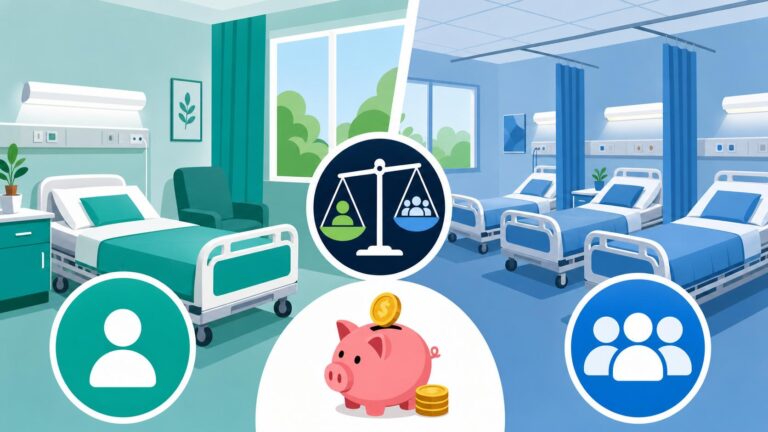
Many newcomers assume that their Mutuelle and Ziekenfonds: Public Health Insurance Registration Guide will handle everything. While the public system is fantastic for primary care, it often only covers the "conventioned" rate for hospitals. If you prefer a single room—which allows the doctors to charge up to 300% in fee supplements—your public insurance will leave you with a massive bill.
These "fee supplements" are the primary reason why hospitalization insurance is considered a necessity rather than a luxury in Belgium. To avoid these out-of-pocket disasters, understanding Hospital Room Types in Belgium: Single vs Shared Room Costs is critical. If your private insurance is still in its waiting period, you might find yourself forced into a shared ward to avoid financial ruin, regardless of your personal preference for privacy.
Navigating Pre-existing Condition Exclusions
A pre-existing condition is generally defined as any health issue, symptom, or injury you had before the start date of your insurance policy. In Belgium, the way these are handled depends heavily on whether you are joining an individual plan or a group corporate scheme. For individual plans, you will be required to fill out a "Medical Questionnaire." This document is the insurer's way of "pricing" your risk.
Be warned: Belgian insurers are meticulous. If you have a history of Managing Chronic Conditions: Diabetes and Asthma Care in Belgium, you must declare it. If you fail to mention a condition and later file a claim related to it, the insurer can legally refuse payment or even annul the contract for fraud. Usually, for a pre-existing condition, the insurer will either apply a permanent exclusion (meaning that specific condition is never covered) or a significantly extended waiting period, sometimes lasting up to two years.
For those managing ongoing health needs, sourcing high-quality supplements and over-the-counter support via iHerb can be a cost-effective way to manage wellness while waiting for full insurance coverage to kick in. It is often the small, daily management of health that prevents the kind of acute flare-ups that lead to a hospital stay.
The Medical Questionnaire and Underwriting
When you apply for a private plan, the "Medical Director" of the insurance company reviews your history. They are looking for "evolving" conditions. A broken leg from ten years ago won't bother them, but Managing Asthma: Accessing Inhalers and Specialists in Winter might trigger a specific clause. In some cases, they may offer to cover the condition but at a "surprime" (an increased premium).
| Type of Condition | Typical Waiting Period | Coverage Outcome |
|---|---|---|
| Accidental Injury | 0 Days | Full coverage (immediate) |
| Acute Illness (Flu, Appendicitis) | 3 – 6 Months | Full coverage after stage |
| Pregnancy & Childbirth | 9 – 10 Months | No coverage if pregnant at sign-up |
| Pre-existing Chronic Disease | 24 Months or Permanent | Often excluded or higher premium |
| Mental Health Hospitalization | 6 – 12 Months | Limits on duration of stay |
If the terms offered by a local Belgian insurer feel too restrictive, this is where Do I Need Private DKV Insurance if I Have a Mutuelle? becomes a vital question. Comparing a local giant like DKV or AG Insurance against an international provider like Cigna Global can reveal significant differences in how they handle "stable" pre-existing conditions.
The Corporate Insurance "Golden Ticket"
If you are moving to Belgium for a job with a multinational or a large Belgian firm, you might be handed a "Golden Ticket." Most large employers offer group hospitalization insurance as part of the salary package. The beauty of these group plans is that they almost always waive the waiting periods and cover pre-existing conditions without a medical questionnaire.
This is a life-changer for expats with families. If your spouse has a chronic condition or if you are planning to grow your family soon, the corporate plan is infinitely superior to anything you can buy on the individual market. However, there is a catch: if you leave that job, you must be careful about how you transition that insurance. Under the "Verwilghen Law" in Belgium, you have the right to continue your corporate coverage as an individual policy when you leave the company, provided you have been covered for at least two years.
This legal protection ensures you aren't suddenly left uninsured because of a job change. It allows you to skip new waiting periods and keep your pre-existing condition coverage. Always check your Healthcare Budgeting: Copays, DMG/GMD, and Reimbursements to see how your employer's plan interacts with your daily medical costs.
Strategies for the First 30 Days
The first month in a new country is high-risk. You are stressed, your immune system is adjusting to the Belgian damp, and you likely haven't finalized your insurance paperwork. During this time, you are often in a "coverage limbo." I always suggest that my fellow expats have a Medical Emergency Checklist for Your First 30 Days in Belgium taped to the fridge.
If you know you have a waiting period ahead of you, use the public system to its fullest. Register with a GP (Médecin Généraliste) immediately and open a Global Medical Record (DMG/GMD). This doesn't solve the "private room" cost problem, but it ensures you get the highest possible reimbursement from the state for the consultations that lead up to any potential hospitalization.
For routine health maintenance during this transition, keeping your medicine cabinet stocked with basics from iHerb—like Vitamin D for those grey Belgian winters—can help keep you out of the doctor's office in the first place.
Choosing the Right Path Forward
Deciding between a local Belgian insurer and an international one depends on your long-term plans. If you plan to stay in Belgium for 20 years, a local policy from DKV or Alan might be more cost-effective as you age. However, if you are a "global nomad" who might move to Germany or Singapore in three years, an international plan like those from Cigna Global is often better because the "waiting period" doesn't reset every time you cross a border.
The most important thing is to read the "General Conditions" (Conditions Générales) document before you sign. Look specifically for the section on "Exclusions." Many expats are surprised to find that things like cosmetic surgery complications, extreme sports injuries, or "pre-existing conditions not declared" are explicitly barred.
If you are currently uninsured and facing a medical issue, do not panic. The Belgian public system is a safety net that will not let you go bankrupt for a life-saving procedure in a shared room. The "hospitalization insurance" we discuss here is about comfort, the choice of specialist, and avoiding the "supplement" fees that come with high-end private care.
Important Disclaimer
This guide is for informational purposes only and does not constitute legal or financial advice. Insurance laws and specific policy terms in Belgium can change, and the "Verwilghen Law" or other regulations may be updated. Always consult with a licensed insurance broker or the specific insurance provider to confirm current waiting periods, coverage limits, and medical underwriting requirements before signing any contract.