What Does ‘Tiers Payant’ (Derdebetalersregeling) Mean at the Doctor?
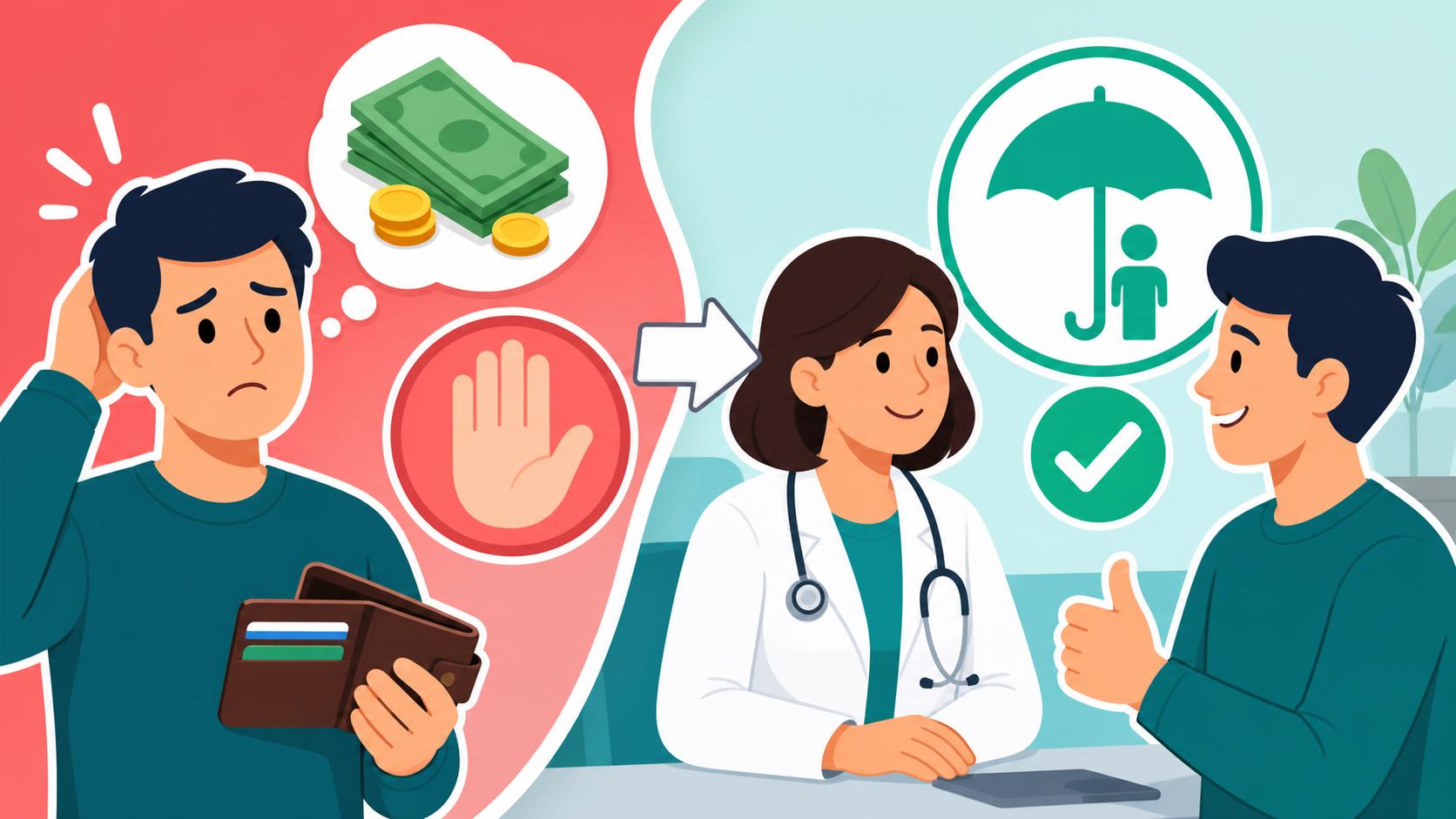
Standing at the doctor's reception desk in Brussels, I once handed over a 50-euro note and waited for change that never came, only to realize my local friend paid just 4 euros for the same visit. I’ve been that confused expat, and it took me months to understand the "Tiers Payant" system. This guide demystifies the third-party payer system to help you manage your Belgian healthcare costs effectively.
Understanding the Third-Party Payer System in Belgium
When you first arrive in Belgium, the healthcare terminology can feel like a linguistic obstacle course. You will constantly hear the terms "Tiers Payant" in French or "Derdebetalersregeling" in Dutch. In plain English, this translates to the "Third-Party Payer" system. To understand this, you first need to know that the Belgian healthcare system is generally based on a "fee-for-service" model where you pay the doctor upfront and get a portion back later.
The Tiers Payant system flips this script. Instead of you paying the full 100% of the medical bill and waiting weeks for a refund, you only pay your personal share—known as the "ticket modérateur" or co-payment. The doctor or hospital then sends the rest of the bill directly to your insurance provider. This is a massive relief for your monthly cash flow, especially if you are dealing with chronic issues or expensive specialist visits. However, getting this system to work for you requires Registering for Public Health Insurance: Step-by-Step at Your Commune as soon as you receive your residency documents.
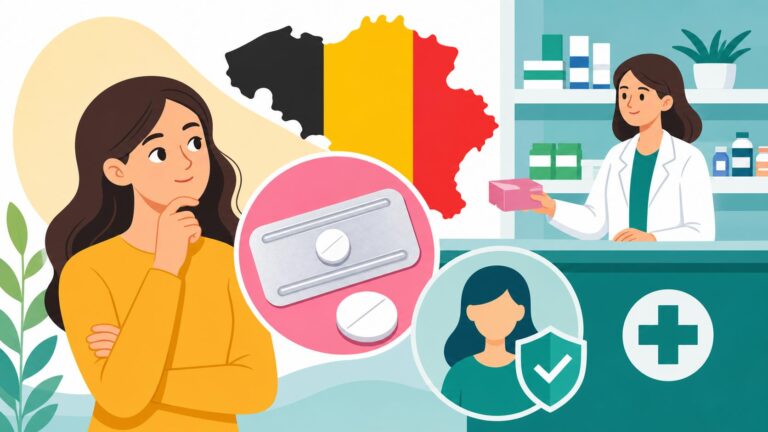
For many years, this system was primarily reserved for hospitals and pharmacies. If you’ve ever bought prescription medication in Antwerp or Liege, you’ve likely already used Tiers Payant without knowing it; you paid a small fee at the counter, and the pharmacy handled the rest with your mutuelle. In recent years, the Belgian government has expanded this to include General Practitioners (GPs) to ensure that financial status isn't a barrier to basic care. Understanding this is key to Healthcare Budgeting: Copays, DMG/GMD, and Reimbursements during your first year in the country.
The Mechanics of the Payment Flow
In a standard consultation without Tiers Payant, you pay the doctor (let's say €30), they give you a digital or paper receipt, and your mutuelle eventually sends back about 75% of that. With Tiers Payant, the "third party" (your mutuelle) pays the doctor directly. You only pull out your wallet for the remaining €4 to €6. This sounds simple, but it relies heavily on the doctor’s software being linked to the national social security database.
Why Language Matters for Your Wallet
Whether you are in Flanders or Wallonia, knowing the local term is vital. If you are struggling with a high bill, asking "Est-ce que vous appliquez le tiers payant?" or "Past u de derdebetalersregeling toe?" can save you a significant upfront expense. Doctors are not always required to offer it to everyone, so being able to advocate for yourself in the local tongue makes a difference.
The Role of the Mutuelle
Your health insurance fund, or mutuelle, is the engine behind this system. Without an active membership, the Tiers Payant system cannot verify your coverage in real-time. This is why many expats find that Private Health Insurance in Belgium: When Do Expats Really Need It? is a useful conversation to have, especially if there is a gap between your arrival and your official registration with a Belgian fund like Partenamut or CM. Companies like Cigna Global often provide coverage that fills these gaps, though they operate differently than the local Tiers Payant system.
When and Where Tiers Payant is Applied
It is a common misconception among newcomers that Tiers Payant is a universal right for every medical interaction. In reality, its application varies depending on the type of care, the doctor’s status, and your own social profile. In hospitals, Tiers Payant is almost always the default. You receive a bill weeks after your stay that only reflects the amount not covered by the state. This is one of the more organized parts of the Belgian bureaucracy, allowing you to focus on recovery rather than accounting.
At the GP level, things are a bit more flexible. While it is mandatory for doctors to offer Tiers Payant to patients with "BIM" status (those with lower incomes or specific social needs), for the average expat professional, it is often at the doctor's discretion. Some modern clinics in expat-heavy areas of Brussels or Antwerp use it for everyone to minimize cash handling. Others might still ask for the full amount. This is why Choosing Your First GP (General Practitioner) in Belgium involves more than just checking their medical credentials; you should also check their payment habits.
Pharmacies are perhaps the most frequent place you will encounter the "Derdebetalersregeling." When you present a prescription and your Belgian eID card, the pharmacist’s computer automatically calculates the state’s contribution. You pay the "out-of-pocket" price. For items not covered by the state—like certain vitamins or high-end skincare—you will pay the full price. Many expats supplement their health needs by ordering specific supplements from iHerb, as these are often cheaper than the non-reimbursed items found in local Belgian pharmacies.
Hospitalization and Specialized Care
In a hospital setting, the Tiers Payant system is life-saving for your bank account. A three-day stay could cost thousands of euros, but because of the direct billing between the hospital and your mutuelle, you might only see a bill for a few hundred euros. It is important to note that room "supplements" (like choosing a private room) are never covered by Tiers Payant and must be paid in full or covered by a secondary "hospitalia" insurance.
Dentists and Physiotherapists
This is where it gets tricky. Many dentists and "kines" (physiotherapists) in Belgium do not use Tiers Payant for standard consultations. You will likely have to pay the full amount upfront and wait for a refund. However, if you are undergoing a long-term, expensive treatment plan, you can often negotiate a Tiers Payant arrangement for the larger invoices.
The Impact of Conventioned Status
One factor that dictates how much you pay, even under Tiers Payant, is whether your doctor is "conventioned." A conventioned doctor agrees to the official state prices. A non-conventioned doctor can charge whatever they like as a "supplement." Even if they use Tiers Payant, you will still be responsible for the difference between the state rate and their personal rate. To avoid surprises, read up on Conventioned vs Non-Conventioned Doctors: How Out-of-Pocket Costs Differ before booking your next appointment.
| Service Type | Standard Payment | Tiers Payant Availability | Expat Action Required |
|---|---|---|---|
| GP Visit | Full amount upfront | Discretionary / Mandatory for BIM | Ask "Tiers Payant?" at reception |
| Pharmacy | Only the co-pay | Automatic with eID | Provide Belgian eID card |
| Hospital | Invoice sent later | Default for basic care | Check room supplement rules |
| Specialists | Full amount upfront | Rare in private practice | Check if "Conventioned" |
| Dentistry | Full amount upfront | Very Rare | Request "Attest" for refund |
Proving Your Eligibility: The eID and the DMG
In the old days, you had to carry around a sheet of paper and little yellow stickers to prove you were insured. I remember the stress of losing my "vignettes" right before a surgery. Thankfully, Belgium has moved into the digital age. Today, your Belgian eID (electronic Identity Card) is the key that unlocks the Tiers Payant system. When a doctor inserts your card into their reader, they see your insurance status instantly. If your card hasn't been issued yet, you might need to know What Are Mutuelle Stickers Used For and Where to Put Them as a temporary backup.
Another vital component of reducing your out-of-pocket costs is the "Dossier Médical Global" (DMG) or "Globaal Medisch Dossier" (GMD). This is your centralized medical record held by your GP. When you have an active DMG, your co-payment (the part you pay under Tiers Payant) is actually reduced. The state rewards you for having a consistent doctor who knows your history. If you move between many different doctors, you will find yourself paying more for every visit. I highly recommend learning The Global Medical Record (DMG/GMD): Why You Need It for Better Refunds to maximize your savings.
Digital tools have made managing these payments even easier. Apps like Rosa and Doctena allow you to see which doctors accept the Tiers Payant system before you even leave your house. When I first started Using the Rosa App: Booking Medical Consultations Online, it changed my experience because I could filter for doctors who were both English-speaking and conventioned, ensuring I wasn't hit with massive supplements.
What Happens if the System Fails?
Sometimes the digital link between the doctor and the mutuelle goes down. In this case, you will have to pay the full amount. The doctor will then issue an "eAttest" (a digital receipt sent directly to your mutuelle) or a paper "Attestation de Soins Donnés." If it’s paper, don't lose it! You’ll need to know How to Submit Medical Receipts for Reimbursement in Belgium to get your money back. Usually, a paper receipt means a 2-to-3-week wait for the funds to hit your bank account.
The Transition Period for New Arrivals
If you have just arrived and your mutuelle isn't fully active, Tiers Payant won't work. You will be seen as a "private" patient. This is why many expats keep an international policy like Cigna Global for the first six months. Once your Belgian social security contributions (the ONSS) are registered, the Tiers Payant system will "turn on" automatically on your eID.
Prescriptions and OTC Products
It is important to distinguish between what the Tiers Payant covers at the pharmacy. It only applies to medications that the Belgian state deems "essential." Lifestyle medications, certain painkillers, and many vitamins are not covered. For these, you pay the full market price. If you find yourself spending a lot on non-prescription health items, checking prices on iHerb can often save you 30-40% compared to the local "Apotheek" or "Pharmacie."
Common Pitfalls and How to Avoid Them
The most common frustration I hear from fellow expats is: "But I have insurance, why am I still paying €20?" The answer is usually supplements. Even if a doctor uses the Tiers Payant system, they are only required to bill the base rate to the insurance company. If they are "non-conventioned," they can add a surcharge of €10, €20, or even €50 on top of that, which comes directly out of your pocket. Tiers Payant is not a "free healthcare" card; it is a "direct billing" card for the state-approved portion of the bill.
Another pitfall is the "Missing eID" scenario. If you go to the doctor without your identity card, they cannot access the Tiers Payant system. You will be forced to pay the full amount in cash or via Bancontact. In Belgium, cash is becoming rarer in medical offices, but having a backup payment method is essential. Always ensure your mutuelle has your current Belgian bank account number on file, otherwise, even if you pay upfront, they won't know where to send your refund.
Lastly, be aware of "Tiers Payant" in dental care. Many people assume that because a dentist is in a large clinic, the direct billing applies. This is rarely the case for anything beyond a basic check-up for children. For adults, dental work is often a "pay-and-claim" situation. Understanding the 75% Reimbursement System for Medical Consultations will help you realize that while the system is generous, it requires you to be an active participant in managing your paperwork.
Dealing with Specialized Clinics
In some specialized "Poly-clinics," you might encounter a hybrid system. You pay the doctor for the consultation, but the lab work (blood tests, etc.) is handled via Tiers Payant. You might get a bill in the mail three months later for €5 for a blood test that originally cost €80. This "delayed billing" is part of the Tiers Payant ecosystem in Belgium—don't panic when a random bill from a lab in another city arrives; it’s usually just your co-payment.
The Importance of Address Accuracy
Your Tiers Payant eligibility is linked to your registration at the commune. If you move house and don't update your ID card at the local town hall, your insurance can occasionally "lapse" in the system. This will cause Tiers Payant to fail at the pharmacy or doctor. Always keep your administrative house in order to keep your medical costs low.
Taking Charge of Your Health Finances
Belgium offers one of the best healthcare systems in the world, but it rewards those who understand the rules. By ensuring your DMG is set up, choosing conventioned doctors, and always carrying your eID, you can ensure that a trip to the doctor costs you the price of a sandwich rather than the price of a fancy dinner. If you are ever unsure, just ask the receptionist before the consultation begins. They are used to the question and will appreciate your clarity.
Disclaimer
This article is for informational purposes only and does not constitute professional medical or legal advice. Healthcare regulations and reimbursement rates in Belgium are subject to change by the National Institute for Health and Disability Insurance (RIZIV/INAMI). Always verify current procedures with your specific mutuelle or healthcare provider.