How to Find an English-Speaking GP in Leuven
Trying to explain a sharp, stabbing pain in your abdomen while your brain is fogged by fever is hard enough in your native language, but doing it in Dutch when you have just moved to Flanders is a recipe for a panic attack. I once spent twenty minutes in a small clinic near the Groot Begijnhof trying to mime "sinus infection" because I was too nervous to ask if the doctor spoke English. This guide is here to ensure you never have to play charades with your health and helps you find a reliable English-speaking GP in Leuven without the stress.
Understanding the Role of the Huisarts in Leuven
In Belgium, your primary point of contact for any health issue is the Huisarts, or General Practitioner (GP). Unlike some countries where you might head straight to a hospital for a minor ailment, the Belgian system is built around the GP acting as the gatekeeper. They handle everything from seasonal flu and mental health check-ups to minor surgical procedures like stitching a cut. If you need a specialist, such as a cardiologist or a dermatologist, your GP is the one who will provide the necessary referral.
When you first arrive, you might be tempted to just walk into the nearest clinic you see while walking down Bondgenotenlaan. However, it is much more effective to establish a long-term relationship with one doctor. This is where the concept of the Global Medical Record comes in. By asking your doctor to open a dossier for you, all your medical history, lab results, and specialist reports are centralized. This not only ensures better continuity of care but also gives you a higher reimbursement rate from your health insurance. For more details on why this administrative step is so vital, you can read about The Global Medical Record (DMG/GMD): Why You Need It for Better Refunds.
I learned the hard way that not having a designated GP makes everything more expensive. Without a registered DMG, your out-of-pocket "co-payment" is higher every time you visit. In a student-heavy city like Leuven, doctors are used to international residents, but they won't always offer to open a DMG for you unless you ask. Make it a priority during your first "well-check" visit.
Where to Search for English-Speaking Doctors
Leuven is home to one of the most prestigious medical universities in the world, KU Leuven, which means the density of highly qualified, multilingual doctors is incredibly high. Most doctors under the age of 50 will speak excellent English, but the challenge is finding those who are currently accepting new patients. Many practices in the city center or popular suburbs like Kessel-Lo are often at capacity.
The most effective tool for your search is online booking platforms. These sites allow you to filter by language and see real-time availability, which is a godsend when you are feeling too ill to make multiple phone calls. I highly recommend Using the Rosa App: Booking Medical Consultations Online as it has become a favorite for many local practices in the Flemish region. Another heavy hitter in the Belgian medical scene is Doctena. You can find a step-by-step tutorial on Using the Doctena App to Book Doctor Appointments in Belgium to help you navigate the interface, which is available in English.
If you are a student or researcher at the university, your first stop should be the Student Health Center (Studentengezondheidscentrum) located at Van Dalecollege. They are specifically geared toward the international community and provide services in English as a standard. Even if you are not a student, many "Group Practices" (Groepspraktijk) around the ring road of Leuven employ multiple doctors, increasing the chance that at least one of them is an English speaker with an open slot.
Navigating the First Consultation and Costs
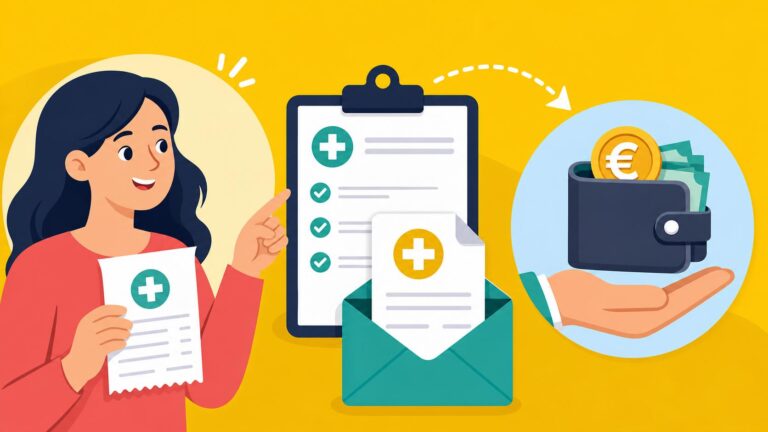
Once you have booked your appointment, you need to prepare for the administrative side of the visit. In Belgium, you usually pay the doctor immediately after the consultation. Most modern practices in Leuven accept Bancontact or apps like Payconiq, but some older, solo practitioners might still prefer cash. You will then receive a "Medical Certificate" (either a paper version or an electronic one sent directly to your mutuelle).
If you are using a paper system, you will need to attach one of your yellow identification stickers to the document before mailing it or dropping it in your insurance provider's mailbox. If you are new and haven't received these yet, you might be confused about their purpose. Check out What Are Mutuelle Stickers Used For and Where to Put Them to avoid a delay in getting your money back. For those who move frequently or prefer premium coverage that follows them across borders, having a policy with Cigna Global can be a great supplement to the Belgian state system, especially if you want access to private clinics without the usual waiting times.
Another crucial financial distinction in Leuven is whether a doctor is "conventioned" or "non-conventioned." A conventioned doctor agrees to the official fee scales set by the government and the insurance companies. A non-conventioned doctor can charge a "supplement," which is an extra fee that your basic insurance will not reimburse. In a city where the cost of living can be high, this is an important factor to consider. You can learn more about How to Find a Conventioned GP in Your Commune to keep your medical bills predictable.
| Service Type | Estimated Cost (Conventioned) | Mutuelle Reimbursement (with DMG) | Out-of-Pocket Cost |
|---|---|---|---|
| Standard Consultation | ~€30 – €32 | ~€26 – €28 | ~€4 |
| Home Visit | ~€45 – €50 | ~€35 – €38 | ~€10 – €12 |
| Evening Consultation | ~€35 – €40 | Varies by time | ~€6 – €10 |
| Weekend/After-Hours | ~€60+ | High reimbursement % | ~€15 |
Language Nuances and Cultural Expectations
While your doctor in Leuven will likely speak English, the medical terminology and "bedside manner" in Flanders can feel quite direct compared to North America or the UK. Do not be offended if the consultation feels quick. Belgian GPs are highly efficient; they expect you to come prepared with a list of your symptoms and any medications you are currently taking.
If you are looking for specific brands of supplements or vitamins that you used back home, you might find that Belgian pharmacies (apotheek) have a limited or different selection. Many expats in Leuven rely on iHerb for their specific wellness needs, as it provides access to international brands that aren't always stocked in the local shops near the Martelarenplein. However, for actual medication, remember that Pharmacies and Medication in Belgium: Prescriptions and OTC Rules are quite strict, and you will almost always need a prescription from your English-speaking GP for anything stronger than basic paracetamol.
Don't be afraid to ask for clarification. If a doctor uses a term you don't understand, ask them to explain it in simpler English. Most Leuven physicians appreciate patients who take an active interest in their health. If you are still in the process of choosing where to register, you might find it helpful to read our broader guide on Choosing Your First GP (General Practitioner) in Belgium to understand the different types of practices available in the country.
Emergency and After-Hours Care in Leuven
Illness rarely sticks to a 9-to-5 schedule. If you find yourself in need of a doctor on a Saturday night or a public holiday, you shouldn't head straight to the ER (Spoedgevallen) at UZ Leuven Gasthuisberg unless it is a life-threatening emergency. The emergency rooms in Belgium are often overcrowded, and you will face a very long wait for non-urgent issues.
Instead, Leuven residents use the "Huisartsenwachtpost" (GP Out-of-Hours Station). For the Leuven region, this is usually located near the hospital and requires an appointment made via the central phone number 1733. The doctors on duty speak English and can provide immediate care or prescriptions to get you through the night. Familiarizing yourself with After-Hours Medical Care: On-Call Doctors (Garde/Wacht) before you actually need it can save you a lot of stress during a midnight health scare.
If you are ever in a situation where you need an ambulance or the situation is critical, dial 112 immediately. The operators are trained to handle calls in multiple languages, including English. For more information on what happens after you dial, read our guide on Emergency Numbers: Calling 112 in Belgium and What to Expect. Having these numbers saved in your phone and knowing the location of the nearest Wachtpost is a vital part of your "first 30 days" checklist in Leuven.
Medical Logistics for Expats in Leuven
Once you've found your English-speaking GP, there are a few final logistical pieces to keep in mind. If you are working in Belgium and need to take a day off due to illness, you must obtain a "Medical Certificate" (doktersbriefje) from your GP. Most Belgian employers require this from the very first day of absence. If you are unsure about the rules regarding sick leave, it is helpful to look into Sick Leave in Belgium: Medical Certificates and Informing Employers to ensure you stay compliant with your contract.
For those managing chronic conditions or requiring specific international health standards, a private insurance policy like Cigna Global can provide peace of mind, especially when it comes to vision or dental care, which are only partially covered by the standard mutuelle. If you are a parent, you will also want to look into pediatric care in the city. While many GPs in Leuven see children, some parents prefer a dedicated specialist. You can find advice on this in our article on How to Find an English-Speaking Pediatrician in Waterloo, which, while focused on a different area, covers the general process used across the country.
Finally, remember that the medical landscape in Belgium is digitalizing rapidly. You can often check your lab results, vaccination history, and even your prescriptions online. If you are having trouble accessing these systems because of a language barrier or a missing ID, our guide on Accessing Belgian Healthcare Without an eID: Temporary Certificates might offer the solution you need to bridge the gap until your residency card arrives.
Disclaimer
This guide is intended for informational purposes only and does not constitute professional medical or legal advice. Medical regulations, fee scales, and the availability of specific doctors in Leuven are subject to change. Always verify the current status of a medical practitioner and consult with your health insurance provider regarding coverage and reimbursement specifics. In the event of a medical emergency, immediately contact the Belgian emergency services by dialing 112.