Travel Insurance Add-ons to Your Mutuelle or Credit Card
You are standing at a sterile pharmacy counter in the high Pyrenees, trying to explain a mounting fever in broken French, only to realize your Belgian eID card doesn’t magically waive costs outside the border. I have been in that exact cold sweat, clutching a receipt for 180 euros and wondering if I’d ever see that money again. This guide untangles the hidden travel insurance benefits already sitting in your wallet via your mutuelle and Belgian credit cards.
Decoding the Mutuelle Medical Safety Net Abroad
When you first arrive and navigate the Mutuelle and Ziekenfonds: Public Health Insurance Registration Guide, you likely view it as a tool for local GP visits or hospital stays in Brussels or Antwerp. However, almost every major Belgian mutuelle—whether you are with Partenamut, Helan, or Christian Mutuality—includes a dedicated international assistance arm, often referred to as Mutas. This is a collective emergency service that operates 24/7, specifically designed to catch you if you fall ill while on holiday. It is important to understand that this is not "travel insurance" in the commercial sense; it won't pay for your lost GoPro or a delayed flight, but it is a lifesaver for medical emergencies.
The geographic scope of mutuelle coverage is surprisingly generous but strictly defined. Generally, it covers you within all EU member states, plus a handful of Mediterranean countries like Morocco, Tunisia, and Turkey. If you are traveling within the European Economic Area, the first thing you need is your European Health Insurance Card (EHIC). You can request this for free through your mutuelle’s web portal. I always tell new arrivals that the EHIC is the single most important document for a weekend trip to Berlin or a summer in Crete. It proves to the local public healthcare system that Belgium will pick up the tab at their local rates.
However, the "I've-been-there" reality is that the EHIC only covers public care. If you end up in a private clinic in a tourist hotspot, the mutuelle’s standard reimbursement might only cover a fraction of the bill. This is where the Mutas assistance service steps in. If you are hospitalized, you or a travel companion must call them within 48 hours. They can often arrange for "third-party payment," meaning they pay the hospital directly so you aren't stuck trying to find thousands of euros in the middle of a crisis. This is a critical component of Healthcare in Belgium for Expats: Complete System Overview (2027) that many people overlook until they are already in an ambulance.
The Hidden Power of Belgian Credit Card Insurance
Many expats in Belgium opt for a standard bank account with a basic debit card, but there is a massive case to be made for upgrading to a "Gold" or "Platinum" credit card from KBC, BNP Paribas Fortis, Belfius, and ING. These cards often carry an annual fee ranging from 50 to 150 euros, but the travel insurance add-ons they provide can easily save you triple that amount in a single trip. Unlike the mutuelle, which focuses strictly on your physical health, credit card insurance is about protecting your financial investment in the trip itself.
The most valuable feature is typically "Trip Cancellation and Interruption" insurance. In the Belgian market, these policies are often quite robust. If your child gets sick two days before a flight to the US, or if you are made redundant at work and can no longer afford the trip, the insurance attached to your card can reimburse the non-refundable portions of your booking. A crucial tip I learned the hard way: most of these insurances only kick in if you paid for a significant portion of the trip (usually 50% to 100%) using that specific credit card. If you used a transfer from your Wise account to pay the hotel directly, you might inadvertently void your credit card’s protection.
Beyond cancellations, these cards often include luggage insurance and flight delay compensation. If your bags are lost for more than four hours, a Gold card from a bank like Belfius or ING might allow you to spend up to 250 or 500 euros on "essential items" like toiletries and clothes, provided you keep every single receipt. It feels like a small win when you can at least buy a fresh suit for a wedding while your suitcase is stuck in Heathrow. While you’re managing these expenses, using a card from Wise for the actual purchases can help you avoid the terrible exchange rates usually offered by the airport shops, even if the insurance itself comes from your primary Belgian bank.
Comparing Coverage Limits and Exclusions
It is easy to assume you are "fully covered" if you have both a mutuelle and a premium credit card, but the devil is always in the fine print. Belgian insurers are notoriously meticulous about exclusions. For example, most credit card travel insurances have a "cap" on the total duration of a trip—often 60 or 90 days. If you are a digital nomad planning a six-month stint in Bali, your Belgian credit card insurance will likely expire mid-trip without you realizing it. In those cases, looking into Private Health Insurance in Belgium: When Do Expats Really Need It? becomes a necessity rather than an option.
Another common pitfall is the "Adventure Sports" exclusion. If you are planning to go paragliding in the Swiss Alps or scuba diving in the Red Sea, neither your mutuelle nor your standard credit card insurance is likely to cover an accident. They view these as "high-risk" activities. You would need a specific "Sport" add-on or a standalone policy. I always advise friends to read the "IPID" (Insurance Product Information Document) which is a standardized two-page summary that all Belgian banks must provide. It clearly lists what is in the "green" zone and what is in the "red" zone.
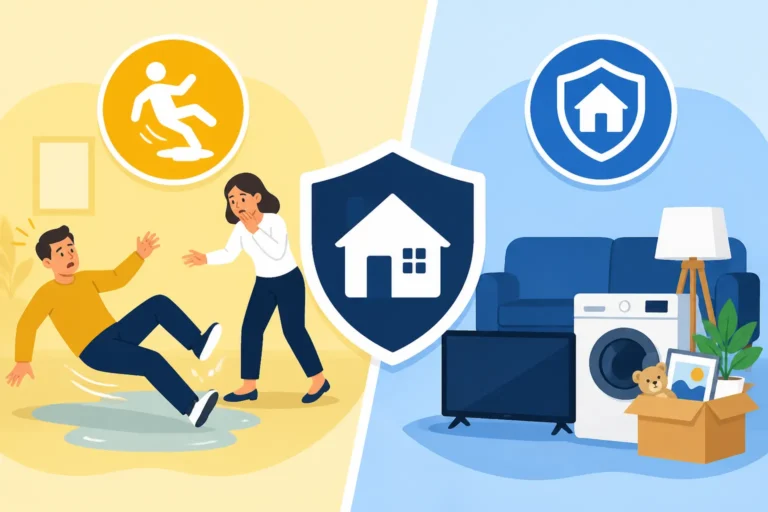
To help you visualize where your protection comes from, here is a breakdown of the typical split between these two sources:
| Feature | Mutuelle (Public + Mutas) | Premium Credit Card (BNP/KBC/ING) |
|---|---|---|
| Emergency Medical Costs | High (Unlimited in some cases) | Moderate (Usually capped at €50k-€100k) |
| Medical Repatriation | Included (If medically necessary) | Often included as a secondary benefit |
| Trip Cancellation | Not Covered | Covered (Up to €5,000 – €10,000) |
| Lost/Stolen Luggage | Not Covered | Covered (Specific limits apply) |
| Flight/Train Delays | Not Covered | Covered (After 4+ hours of delay) |
| Search and Rescue | Limited | Often included for skiing (if on-piste) |
| Geographic Scope | EU + Mediterranean | Worldwide (Usually) |
When you are out there exploring, you might be using your Binance card for small purchases or your Wise account for dinner. Just remember that while these fintech tools are amazing for the Cost of Living in Belgium 2026: Budgeting for Cities and Families, they rarely provide the same level of comprehensive "insurance" that a legacy Belgian "Gold" card does. You use the fintech for the transactions and the legacy bank card for the booking protection.
Essential Pre-Travel Steps for Belgian Residents
Before you set foot on a plane or a Thalys train, there is a small administrative ritual you should perform. First, check your "vignettes" (those little yellow stickers). While we are moving toward a digital-first system, as detailed in MyHealth.belgium.be Guide: Accessing Your Medical Records Online, having your mutuelle’s emergency number saved in your phone is non-negotiable. If you don't have an EHIC card yet, you can often download a "temporary certificate" from your mutuelle's app that serves the same purpose if you are in a rush. This is covered in the EHIC and Temporary Cover: Using European Health Cards Before Mutuelle Setup guide and can save you a world of pain at a foreign hospital intake desk.
Secondly, verify if your credit card insurance covers your family. In Belgium, most "Family" versions of credit cards extend their travel insurance to your spouse and dependent children, even if they aren't traveling with you on the same flight. However, some cheaper "Light" versions of these cards only cover the cardholder. If you’ve been diligently saving for your trip in a high-interest account like Trade Republic, the last thing you want is to find out your partner isn't covered for a medical evacuation just because you tried to save 5 euros a month on card fees.
Finally, keep a digital folder of your "Proof of Coverage." This includes your EHIC, a PDF of your credit card’s insurance policy, and your mutuelle membership confirmation. If you ever need to use Emergency Numbers: Calling 112 in Belgium and What to Expect while abroad, having these documents ready on your phone—even offline—is vital. Belgian bureaucracy is tough enough when you're healthy and at home; don't try to navigate it while you're injured in a foreign country. If you find yourself needing to pay upfront for small things like prescriptions, keep every receipt and get a "Medical Certificate" from the foreign doctor. Without that specific piece of paper, getting a refund from your mutuelle when you return to your commune will be nearly impossible.
Important Disclaimer
This guide is intended for informational purposes only and does not constitute legal, financial, or medical advice. Insurance policies, mutuelle benefits, and banking terms in Belgium are subject to frequent changes and individual eligibility. Always verify the specific terms and conditions of your own insurance contracts and mutuelle coverage before traveling. The author and publisher are not responsible for any claims, damages, or losses resulting from the use of this information. For professional advice, consult with a qualified insurance broker or your financial institution.