Paying Fines (Amendes) in Belgium: Traffic and Administrative Fees
Finding a thin, orange-rimmed envelope in your mailbox is a rite of passage for every newcomer in Belgium. I still remember the sinking feeling in my stomach when I received my first speeding fine for going 53 km/h in a 50 zone; I spent nearly three days obsessively checking if I’d entered the structured communication code correctly. This guide will walk you through the labyrinth of Belgian traffic fines, administrative penalties, and the digital portals you need to navigate to keep your record clean.
Understanding the Different Tiers of Fines in Belgium
Belgium distinguishes between various types of penalties depending on who issued them and the nature of the "offense." It isn't just the police you have to worry about; local communes and even public transport companies have the authority to levy significant financial penalties. As you settle into your new life, knowing the difference between a federal traffic fine and a local administrative one is the first step toward financial peace of mind.
Federal Traffic Fines (Amendes Routières)
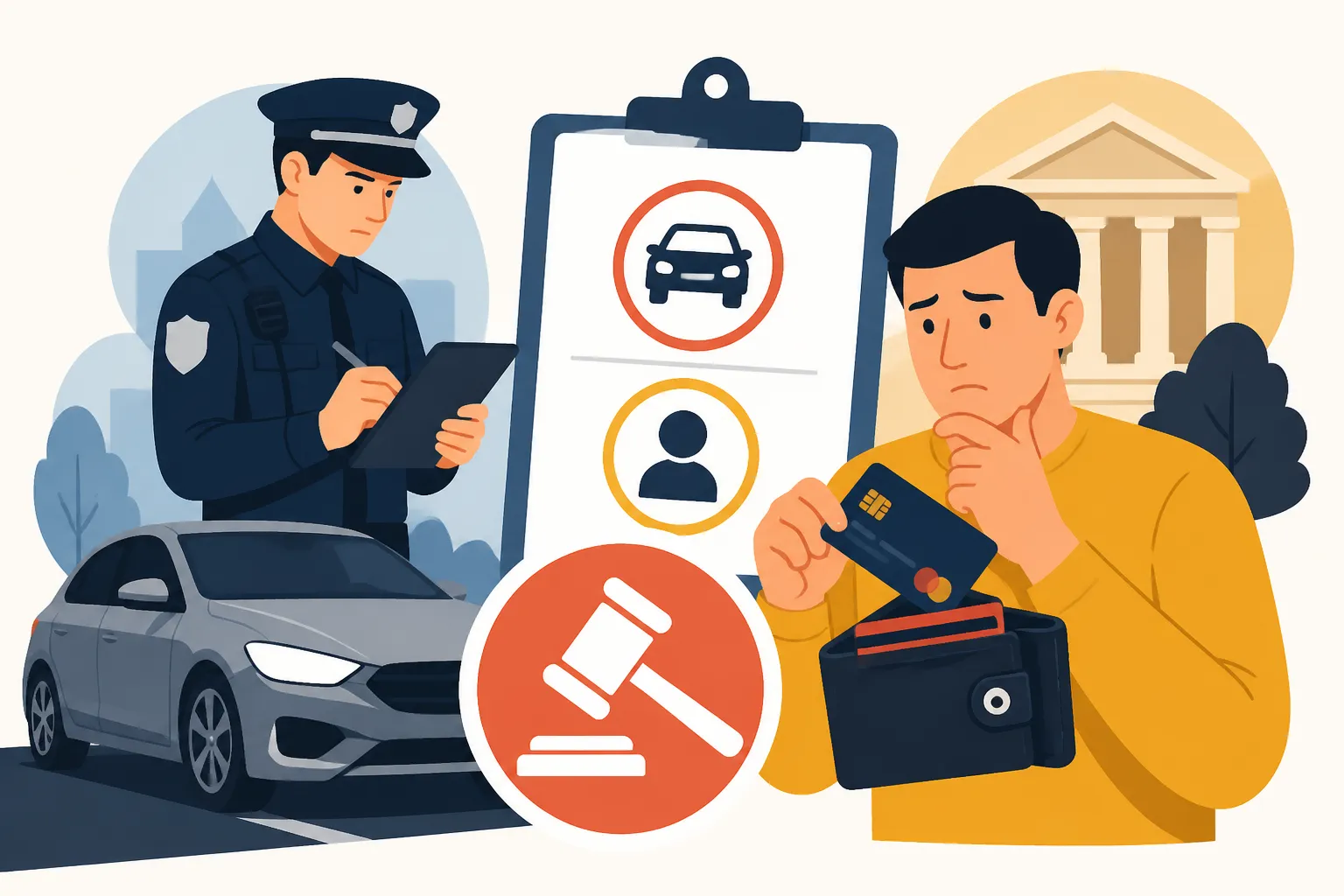
These are the most common fines expats encounter. They are issued by the Federal Police or local police zones for infractions like speeding, running a red light, or using a mobile phone while driving. In Belgium, the system is highly automated. Most cameras are "intelligent" and will trigger a notification that is sent directly to the address linked to your car's registration plate. If you are driving a lease car, the notification goes to the leasing company first, which then forwards your details to the authorities.
The process usually begins with a "Pro Justitia" document. This is a formal record of the violation. It will detail the date, time, location, and the specific nature of the infraction. Shortly after, you will receive a "Perception Immédiate" (Immediate Collection) notice. This is an invitation to pay a set amount to avoid further legal proceedings. If you’ve just moved and are still figuring out Banking and Finance in Belgium: Complete Expat Guide (2027), you should know that these fines are non-negotiable and strictly timed.
GAS Fines: The Local Commune Penalties
GAS stands for Gemeentelijke Administratieve Sancties (or Sanctions Administratives Communales in French). These are fines issued by the municipality rather than the police. They cover "nuisance" behaviors that don't necessarily rise to the level of a criminal offense but disrupt local life. This could include anything from putting your trash bags out on the wrong day to making noise late at night.
If you are unfamiliar with Garbage Sorting Rules: Blue, Yellow, White, and Green Bags Explained, you are particularly at risk for GAS fines. The commune inspectors are remarkably diligent. They will rip open a misplaced bag to find a stray envelope with your name on it just to issue a fine. These fines can range from 50 EUR to 350 EUR or more, depending on the severity and whether it is a repeat offense. Dealing with these requires a different payment portal than traffic fines, often involving a direct transfer to the commune’s bank account.
Public Transport Infractions
If you are using Brussels Transport (STIB/MIVB): Metros, Trams, and Bus Networks or taking the Public Transport: SNCB/NMBS (National Trains) Fares and Passes, you must always have a valid, validated ticket. The ticket inspectors in Belgium are known for being firm. If you forget to scan your MOBIB card, even if you have a valid subscription, you can be fined on the spot.
Initial fines for administrative errors (like failing to validate) are usually around 10 EUR, but if you are caught without a ticket entirely, the fine jumps to 100 EUR or more. If you don't pay on the spot or within the first 14 days, the "administrative costs" added to the fine can double the total amount. I have seen expats ignore these, thinking they aren't "real" fines, only to have them referred to a debt collection agency months later.
The Digital Path to Paying Your Fines
Belgium has made a significant push toward digitalization. Almost all federal fines can now be managed online through a centralized portal. This is a godsend for those of us who struggle with paper forms and Dutch or French legalese.
Using the Just-on-Web Portal
The primary portal for all traffic-related fines is Just-on-Web (formerly Justifit). When you receive your paper notice, it will contain a "System Number" and a "Identification Code." You log in using Itsme Authentication: How to Set Up Belgium's Vital Digital ID, which is the gold standard for digital security in the country. Once inside, you can see the details of the fine, view the photo from the speed camera (if available), and pay directly via Bancontact.
The portal also allows you to contest the fine or designate another driver if you weren't the one behind the wheel. This is crucial for families sharing a car. If you ignore the digital notification, the system will automatically send a "Reminder" (Rappel) which usually carries a mandatory surcharge. I always recommend paying through this portal rather than a manual bank transfer because it updates your status in the federal database instantly.
The Importance of the Structured Communication
If you do choose to pay via a standard bank transfer, you must pay absolute attention to the Communication Structurée (Structured Communication). This is a 12-digit code usually formatted like +++000/0000/00000+++. The Belgian administrative system uses this code to automatically match payments to files.
If you miss a digit or enter it incorrectly, your money might leave your account, but the fine will remain "unpaid" in the eyes of the police. This leads to the dreaded "Commandement de Payer," a formal order to pay that includes significant legal fees. If you are using an international account like Wise to pay because your Belgian account isn't fully set up yet, ensure you have a way to include the full reference string in the transfer details.
Contesting a Fine and the Risk of Police Court
There are times when the fine is genuinely wrong. Perhaps the camera misread your plate, or you had a medical emergency. However, contesting a fine in Belgium is not a decision to be taken lightly.
The Contestation Process
Within the Just-on-Web portal, there is a clear "Contest" button. You will need to provide evidence, such as photos, GPS logs, or witness statements. The public prosecutor's office will review your claim. If they agree, the fine is dropped. If they disagree, they will send you a "Transaction Proportionnelle," which is a slightly higher fine as a "last chance" to settle.
It is important to note that "I didn't see the sign" or "I was in a hurry" are never accepted as valid reasons in Belgium. The authorities are very strict about the rules of the road. If you are Dealing with Noise Complaints: When to Call the Belgian Police, for example, and you receive a fine you feel is unjust, you will need documentation from neighbors or a log of the events to have any chance of success.
Escalation to the Police Court (Tribunal de Police)
If you refuse to pay and your contestation is rejected, the case goes to the Police Court. This is where things get expensive. If the judge finds you guilty, you will not only pay the original fine but also court costs, a contribution to the victim's fund (even if there was no victim), and potentially a lawyer's fee. For a simple speeding fine of 53 EUR, an unsuccessful day in court can easily end up costing you over 500 EUR. Unless you have an ironclad legal defense, it is almost always cheaper to pay the "Perception Immédiate."
Financial Management and Late Penalties
Belgian authorities are relentless when it comes to collections. They do not "forget" about fines. If a fine remains unpaid, it will eventually be handed over to a Huissier de Justice (Bailiff).
Dealing with the Huissier de Justice
Once a bailiff is involved, the costs explode. They have the legal authority to seize funds directly from your bank account or even enter your home to tag furniture for auction. If you find yourself in this situation, do not ignore the letters. You can often negotiate a payment plan, but the administrative fees already added by the bailiff will remain. For more on the legalities of these agencies, see Handling Debt Collection Agencies (Huissier de Justice) in Belgium.
Budgeting for the Unexpected
As an expat, I’ve found it useful to keep a small "buffer" in my savings for these administrative surprises. While I use Trade Republic to earn interest on my long-term savings and Binance for a small portion of my diversified digital assets, I always keep enough liquid Euros in a Bancontact-linked account for immediate payments. Fines in Belgium are designed to be "painful but fair," and paying them immediately is the only way to prevent a small mistake from becoming a major financial burden.
| Fine Type | Typical Initial Amount | Payment Deadline | Consequence of Late Payment |
|---|---|---|---|
| Speeding (Small) | 53 EUR – 100 EUR | 15 – 30 Days | Reminder with +25% surcharge |
| Parking (Retribution) | 25 EUR – 40 EUR | 10 Days | Increase to 60+ EUR after first reminder |
| GAS (Nuisance) | 50 EUR – 350 EUR | 30 Days | Referral to legal department/Bailiff |
| Public Transport | 10 EUR – 107 EUR | 14 Days | Administrative fees (often +50 EUR) |
| Mobile Phone Use | 174 EUR | 15 – 30 Days | Summons to Police Court |
Practical Tips for Staying Fine-Free
The best way to handle fines in Belgium is, of course, to avoid them. This sounds simple, but the rules here can be quirky compared to other countries.
- Speeding: Be aware that many tunnels in Brussels (like the Leopold II/Annie Cordy) have average speed cameras. Even if you slow down for the camera at the end, your average speed through the tunnel will catch you.
- Parking: Always check the street signs. In many communes, parking is free for 15 minutes but only if you get a "shop and go" ticket from the machine or use a parking app like 4411.
- Administrative Tasks: Ensure your address is always updated at the commune. If you move and don't tell them, your fines will go to your old address, and you won't know you have them until the bailiff finds your new one.
- Digital Tools: Download the Payconiq by Bancontact app. Many local fines can now be paid by scanning a QR code on the paper notice. You can learn more about this in our guide on Using the Payconiq App Abroad: Which European Countries Accept It?.
- Auto-Payments: While you can How to Set Up Direct Debits (Domiciliation) for Utility Bills, you cannot do this for fines. Each fine must be handled as a one-off payment to ensure the structured communication is correct.
Remember that Getting Paid in Belgium: Salary Deductions and Bonus Taxes means your net income might be lower than you expect, so an unexpected 174 EUR fine for a lapse in judgment can really sting. Stay vigilant, use the digital portals, and never let an orange envelope sit unopened on your counter for more than 24 hours.
Disclaimer
This guide is for informational purposes only and does not constitute legal or financial advice. Belgian laws and fine amounts are subject to frequent indexation and regional changes. Always refer to the official documentation provided with your fine or consult a qualified legal professional for specific cases.