Travel Clinic Appointments in Belgium Before Visiting Tropical Countries
Finding out your dream safari requires a Yellow Fever certificate ten days before departure is a classic expat panic. I once spent three hours calling every hospital in Brussels only to realize my local GP wasn't authorized to give the specific stamp I needed. This guide breaks down exactly where to go, how to book, and how to claim your Belgian reimbursements.
Why a Specialized Travel Clinic is Essential in Belgium
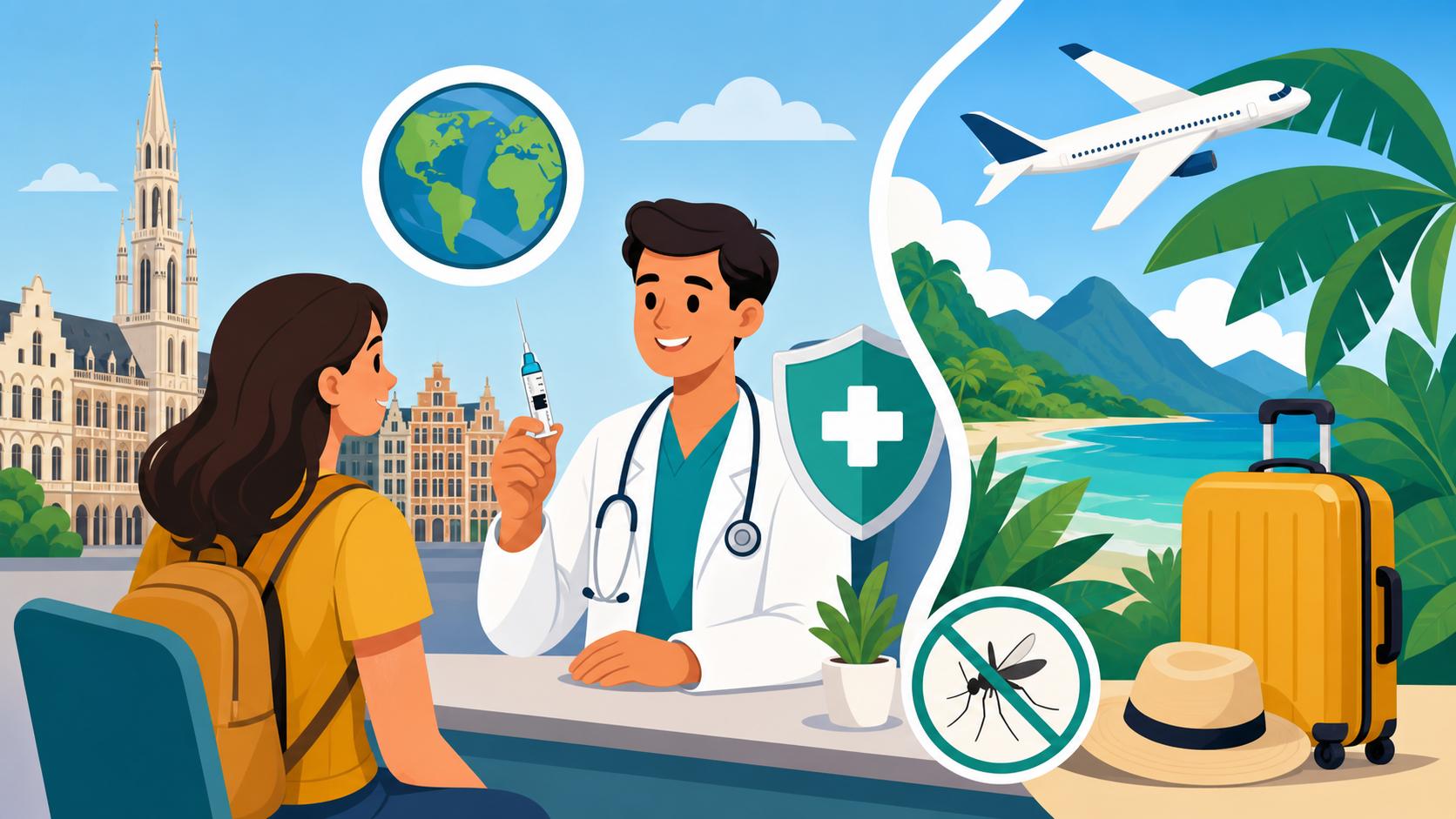
While your local General Practitioner is your first point of contact for a common cold, they are often not the right choice for tropical preparation. In Belgium, the healthcare system is highly specialized. Certain vaccines, most notably the Yellow Fever vaccine, can only be administered by authorized centers. These centers have the official "International Certificate of Vaccination or Prophylaxis" (the famous little yellow book) and the specific stamps required by international health regulations.
Beyond the legal paperwork, travel clinic doctors in Belgium are researchers and specialists who monitor global outbreaks in real-time. If you are Finding Medical Care in Belgium: GPs, Specialists, and Hospitals, you will notice that hospitals often have a dedicated "Travel Clinic" or "Travel Medicine" department. These specialists provide tailored advice based on your specific itinerary, your health history, and current epidemiological data. For instance, they won't just give you a malaria prescription; they will tell you if the specific region you are visiting in Southeast Asia has developed resistance to certain prophylactic drugs.
When preparing for these trips, many expats find that their local pharmacy doesn't stock everything needed for a tropical medical kit. While you can find basics locally, using a platform like iHerb can be a lifesaver for stocking up on high-quality probiotics, DEET-free insect repellents, and specialized rehydration salts that might be more expensive or harder to find in a standard Belgian apotheek.
Top Travel Clinics Across Brussels, Flanders, and Wallonia
Belgium is home to some of the world's leading institutions in tropical medicine. Depending on where you live, you have several high-tier options. It is important to remember that these clinics are in high demand, especially before the summer holidays and the December break.
The Institute of Tropical Medicine (ITM) in Antwerp
The Instituut voor Tropische Geneeskunde (ITM) is world-renowned. If you are living in the north, this is the gold standard. They don't just treat patients; they conduct the primary research that informs global health policy. Their travel clinic is exceptionally organized, though it requires booking well in advance. When Antwerp Healthcare Guide: Where to Go and How to Book Appointments, the ITM should be at the top of your list for any trip to Sub-Saharan Africa or the Amazon basin.
CHU Saint-Pierre in Brussels
For those in the capital, the Travel Clinic at CHU Saint-Pierre (located in the Marolles area) is perhaps the most famous. It is a "low-threshold" clinic, meaning they are used to dealing with everyone from backpackers to diplomats. They are an officially recognized Yellow Fever center and have an extensive team of English-speaking specialists. If you are following a Brussels Healthcare Guide for Expats: Clinics, Hospitals, and Care, you will find Saint-Pierre is frequently cited for its expertise in infectious diseases.
UZ Leuven and UZ Gent
University hospitals in Leuven and Ghent also host comprehensive travel clinics. These are excellent options if you prefer a university-affiliated environment where the latest medical protocols are standard. They are also particularly good if you are traveling with children, as they can coordinate with pediatric departments. This is a crucial step when Family Health in Belgium: Pregnancy, Birth, and Pediatric Care, as children often require different dosages or specific vaccination schedules for tropical regions.
Travel Clinic Options in Wallonia
In the French-speaking region, the CHU de Liège and the Cliniques Universitaires Saint-Luc (technically in Brussels but serving many in the Walloon Brabant area) offer top-tier services. These centers provide the same level of certification and expertise as their Flemish counterparts, ensuring that regardless of your language preference, you have access to life-saving preventative care.
Booking Your Appointment: Timing and Technology
The most common mistake expats make is waiting too long. Some vaccination courses, like Hepatitis B or Rabies, require multiple doses spread over several weeks or even months. Ideally, you should book your travel clinic appointment 6 to 8 weeks before your departure date.
In Belgium, the way you book has changed significantly over the last few years. Most clinics have moved away from phone-only systems. Using the Doctena App to Book Doctor Appointments in Belgium is now the standard for many hospital departments. You can search for "Travel Clinic" or "Médecine de Voyage" and see real-time availability. Some hospitals also use the Rosa app. If you cannot find an appointment on these platforms, check the hospital's own website, as centers like ITM Antwerp have their own dedicated booking portals.
During the booking process, you will usually be asked for your Belgian National Register number. If you are still in the process of Registering for Public Health Insurance: Step-by-Step at Your Commune, you can usually still book as a "visitor," but you may have to pay the full price upfront without the immediate benefit of the tiers payant system.
| Vaccine | Typical Cost (Approx) | Validity | Recommended For |
|---|---|---|---|
| Yellow Fever | €30 – €45 | Lifetime (usually) | Tropical Africa & South America |
| Hepatitis A | €45 – €60 | 25+ years (after 2 doses) | Worldwide (except Western Europe/US) |
| Typhoid | €30 – €40 | 3 years | Southern Asia, Africa |
| Rabies (3 doses) | €70 per dose | Long-term | Remote areas, animal contact |
| Cholera (Oral) | €50 – €70 | 2 years | Humanitarian workers, high-risk areas |
What to Expect During Your Consultation
A travel clinic visit in Belgium is far more than a "jab and go" service. It is a comprehensive risk assessment. You should bring your eID card and, most importantly, your previous vaccination records. If you grew up outside of Belgium, try to find your childhood records; the doctor will need to know if you have already had your Tetanus, Polio, and MMR (Measles, Mumps, Rubella) boosters.
The doctor will walk through your itinerary day-by-day. Are you staying in a 5-star hotel in Bangkok, or are you trekking in the northern jungles? These details change the medical advice significantly. They will discuss:
- Vector-borne diseases: Advice on Malaria, Dengue, Zika, and Japanese Encephalitis.
- Food and water safety: Preventing "Traveler's Diarrhea" and knowing when to use antibiotics.
- Environmental risks: Altitude sickness, heat stroke, and even deep vein thrombosis for long-haul flights.
- Prescriptions: You will leave with a stack of prescriptions for malaria pills, emergency antibiotics, and any vaccines that the clinic doesn't stock in-house (which you will then buy at a pharmacy and bring back to the clinic for administration).
For those who are Choosing Your First GP (General Practitioner) in Belgium, you can ask your GP to record these travel vaccines in your Global Medical Record. This ensures that all your medical data is centralized, which is a key part of The Global Medical Record (DMG/GMD): Why You Need It for Better Refunds.
Costs, Insurance, and the Belgian Reimbursement System
One of the best parts of living in Belgium is the healthcare subsidy system, but it can be confusing for newcomers. The cost of a travel clinic visit consists of two parts: the consultation fee and the price of the vaccines themselves.
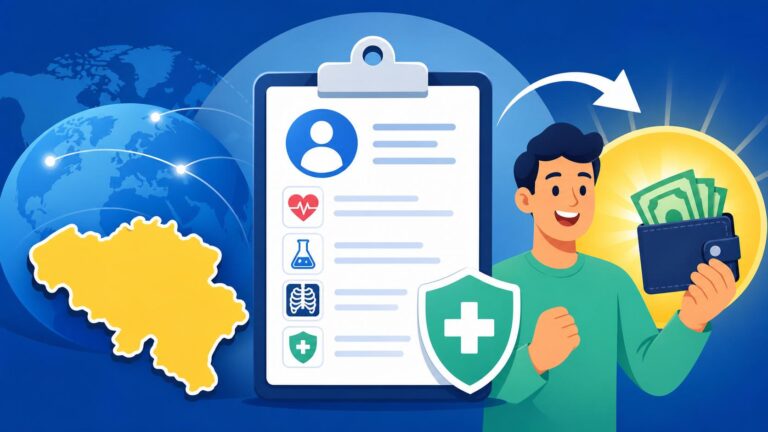
If you have a Mutuelle and Ziekenfonds: Public Health Insurance Registration Guide completed, your consultation will be largely reimbursed. Typically, you pay around €30-€50 for the consultation, and the mutuelle will return about 75% of that to your bank account. However, travel vaccines are often considered "extra-legal" or "supplementary" benefits. This means the standard state insurance doesn't cover them, but your specific mutuelle (like Partenamut, CM, or Helan) likely offers a yearly "travel vaccination" package, often up to €25 or €50 per person.
For expats who travel frequently or have high-risk medical needs, relying solely on the Belgian public system might not be enough. This is where private options come in. Using a provider like Cigna Global can provide an extra layer of security, especially for medical evacuation or if you need to see specialists abroad who aren't covered by the Belgian mutuelle. Cigna Global is particularly popular among the international community in Brussels because it bridges the gap between local Belgian care and international standards.
If you are worried about the out-of-pocket expenses, it is worth looking into Healthcare Budgeting: Copays, DMG/GMD, and Reimbursements to see how you can maximize your returns. Also, remember to keep every receipt (the "attestation de soins donnés") given to you by the clinic. Even if the doctor uses eAttest Explained: How Doctors Automatically Claim Your Refund, some travel-specific fees might still require a manual paper submission.
Preparing Your Tropical Medical Kit
The travel clinic will give you the prescriptions, but the preparation doesn't end there. You need a robust medical kit. Belgian pharmacies are excellent, but they can be expensive for over-the-counter supplements. This is where I often turn to iHerb. I usually order my high-dose probiotics (to prep the gut before hitting street food markets) and specific electrolyte powders from there about two weeks before I fly.
Your kit should include:
- Your prescribed Malaria prophylaxis.
- A broad-spectrum antibiotic (if prescribed for "stand-by" treatment).
- Antihistamines for insect bites.
- High-quality sunblock and DEET/Icaridin repellent (check iHerb for brands that are less oily than the Belgian pharmacy versions).
- A digital thermometer.
- Basic dressings and antiseptic.
If you are Importing Medication to Belgium: Customs Limits and Expat Rules, be careful about ordering too much at once from outside the EU. However, for standard supplements and travel gear, it is a very efficient way to supplement what you find in Brussels or Antwerp.
For long-term expats, having a policy with Cigna Global often means you have access to a 24/7 medical hotline. This is incredibly reassuring when you are in a remote tropical location and aren't sure if that fever is just a cold or something more serious. They can guide you to the nearest vetted clinic, saving you from the stress of navigating a foreign medical system while ill.
Summary of Practical Steps Before You Go
To ensure a smooth experience, follow this timeline:
- Check your destination: Use the ITM Antwerp website (Wanda.be) to see the baseline requirements for your destination.
- Book early: Use Doctena to find a slot at a recognized center like CHU Saint-Pierre or ITM Antwerp at least two months before you leave.
- Gather documents: Find your old vaccination cards. If you've lost them, your GP might be able to help you see what’s on your Belgian digital record via MyHealth.belgium.be Guide: Accessing Your Medical Records Online.
- The Appointment: Discuss your specific activities (diving, hiking, volunteering). Get your "Yellow Book" stamped.
- Pharmacy and Supplements: Fill your prescriptions at a Belgian pharmacy and order your "comfort" medical supplies (probiotics, specialized bandages) from iHerb.
- Review Insurance: Ensure your travel insurance or expat plan like Cigna Global is active and covers the specific countries you are visiting.
Taking these steps doesn't just protect your health; it protects your peace of mind. There is nothing worse than sitting in a beautiful tropical paradise worrying about a mosquito bite because you skipped the clinic. Belgium has some of the best tropical medicine experts in the world—make use of them!
Disclaimer
This article is for informational purposes only and does not constitute professional medical advice, diagnosis, or treatment. Always seek the advice of your physician or a qualified travel medicine specialist in Belgium with any questions you may have regarding a medical condition or travel requirements. Reliance on any information provided in this article is solely at your own risk. Prices and regulations mentioned are subject to change based on Belgian federal health policy.