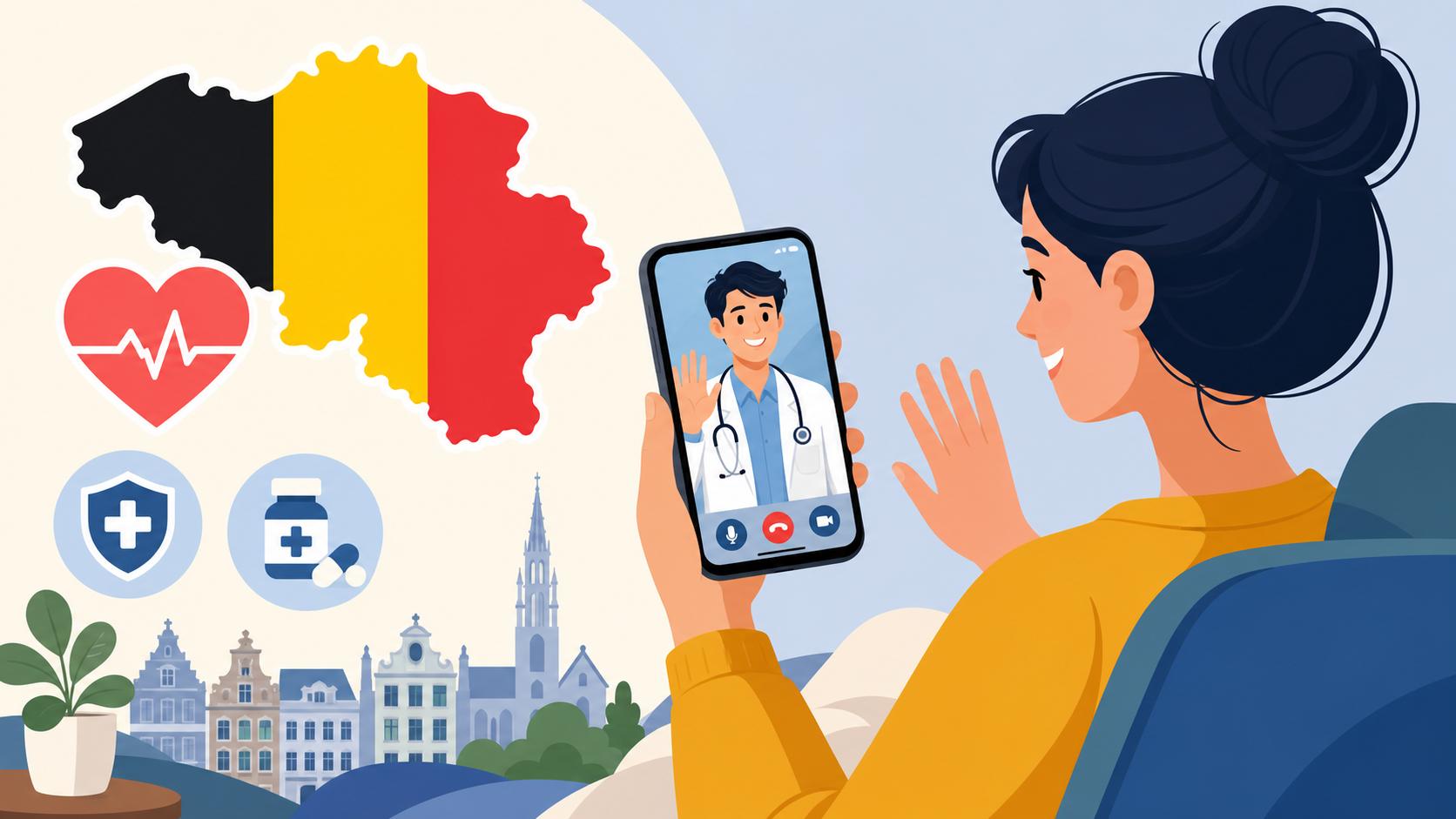
Telemedicine in Belgium: Consulting Doctors via Apps and Video
Finding yourself struck down by a sudden fever or a nagging sinus infection in Belgium often feels like an invitation to a bureaucratic wrestling match. I once spent three hours on hold trying to find an English-speaking GP who wasn't fully booked for the next fortnight, only to be told to "just go to the emergency room." This guide solves that exact frustration by showing you how to bypass the waiting room and access Belgian medical care through your smartphone.
The Evolution of Telemedicine in the Belgian Healthcare Landscape
For a long time, Belgium was quite traditional regarding medical visits. The idea of not sitting in a crowded, slightly damp waiting room in a Brussels townhouse was almost unheard of. However, things changed rapidly over the last few years. Now, digital health is a cornerstone of the Healthcare in Belgium for Expats: Complete System Overview (2027) and it provides a vital lifeline for those of us who don't have the time or the physical energy to commute across town while feeling under the weather.
Telemedicine here isn't just about convenience; it is about accessibility. When you are still navigating the nuances of the local system, finding a provider who understands your needs can be a challenge. If your local GP doesn't offer digital slots, many expats turn to international providers like Cigna Global to ensure they have access to 24/7 digital private consultations that bridge the gap between Belgian public care and global standards. This is particularly useful if you haven't yet mastered the art of the Belgian phone call.
The legal framework has also caught up. The Belgian government now recognizes video consultations as legitimate medical acts, meaning they are regulated, secure, and—most importantly for your wallet—reimbursable. When you are Finding Medical Care in Belgium: GPs, Specialists, and Hospitals, looking for the "video consultation" tag on booking platforms is now a standard part of the process.
Why Expats are Switching to Video Calls
The primary driver for expats moving toward telemedicine is language. While many Belgian doctors speak excellent English, the receptionists often do not. Trying to explain a complex medical history in broken French or Dutch over a crackly phone line is a recipe for a headache you likely already have. Digital platforms allow you to filter for language specifically, ensuring that when the video starts, you are speaking to someone who truly understands you.
Furthermore, the "8:00 AM rush" is a real phenomenon here. In many communes, if you don't call your GP the second the clock strikes eight, you won't get an appointment that day. Telemedicine platforms often have more flexible calendars, allowing you to book a slot for 7:00 PM or even on a Saturday morning. For those with high-pressure jobs in the EU bubble or the tech hubs of Ghent, this flexibility is non-negotiable.
Is Telemedicine Legally Recognized in Belgium?
Yes, but with specific caveats. To be eligible for reimbursement through your Mutuelle and Ziekenfonds: Public Health Insurance Registration Guide, the consultation must follow certain protocols. The doctor must be registered with the Order of Physicians in Belgium, and the platform used must be secure (meaning no WhatsApp or Skype for official business).
The reimbursement rates are typically aligned with in-person visits, following the Understanding the 75% Reimbursement System for Medical Consultations. This means you aren't paying a premium just for the digital convenience. However, you should always check if the doctor is "conventioned" (meaning they follow the official state pricing) to avoid surprise out-of-pocket costs that exceed the standard rates.
Essential Apps for Digital Consultations
Navigating the Belgian app store for health solutions can be overwhelming. You don't want to be downloading five different apps while you're shivering with the flu. In my experience, sticking to the "big two" covers about 90% of your needs, but there are a few niche players that are perfect for expats.
The first stop for almost everyone is Using the Doctena App to Book Doctor Appointments in Belgium. It is the most comprehensive directory in the country. You can filter by specialty, location, and—crucially—language. Look for the small video camera icon next to the appointment times; this indicates that the slot is for a remote consultation rather than an in-office visit.
The second major player is Using the Rosa App: Booking Medical Consultations Online. Rosa has gained massive popularity recently because its interface is incredibly clean and user-friendly. It’s often used by younger, more "tech-forward" GPs who are more likely to be comfortable conducting a full diagnosis over a video link.
| Feature | Doctena | Rosa | Belgian Direct GP Portals |
|---|---|---|---|
| Language Filters | Extensive | Good | Limited |
| Video Integration | Built-in | Built-in | Often via third-party links |
| Specialist Access | High | Medium | Varies by clinic |
| Ease of Use | Moderate | High | Low |
| eID Integration | Yes | Yes | Often required |
Specialized Video Consultation Services
Beyond the booking aggregators, there are dedicated telemedicine platforms like "Medicheck" or the digital portals offered by large hospital groups like CHU or UZ Leuven. These are excellent if you need a specialist opinion—say, from a dermatologist—without the six-month wait for an in-person appointment.
If you have private insurance through a provider like Cigna Global, you often have access to their proprietary "Global Wellbeing" app. This is a game-changer for expats because it connects you with doctors worldwide, which is perfect if you want a second opinion from someone trained in your home country’s medical tradition.
For those looking to manage their health more holistically after a digital consultation, I often recommend checking out iHerb for high-quality supplements and wellness products that might not be readily available in your local Belgian pharmacy. Many online doctors will suggest specific vitamins or probiotics to support your recovery, and having a reliable source for those is essential.
The Role of the Digital ID (Itsme)
You cannot talk about digital life in Belgium without mentioning "Itsme." This app is your digital keys to the kingdom. To access your medical records, see your lab results, or sign into government-sanctioned health portals, you need an active Itsme account linked to your Belgian eID or bank account. If you haven't set this up yet, make it your priority. It allows your digital doctor to see your history via The Global Medical Record (DMG/GMD): Why You Need It for Better Refunds, which ensures they aren't prescribing something that clashes with your existing medications.
Navigating Costs and the Mutuelle System
The most common question I get from new arrivals is: "Will I actually get my money back for a video call?" The answer is a resounding yes, provided you are registered with a mutuelle. When I first arrived, I was terrified that a digital visit would be seen as a "luxury" and I'd be stuck with the bill. In reality, the system is remarkably well-integrated.
After your video consultation, the doctor will usually process your reimbursement digitally through a system called eAttest. This means the claim is sent directly to your mutuelle, and you’ll see the refund in your bank account within a few days. If they don't use eAttest, they will email you a digital "attestation de soins donnés" (a green or white slip), which you then have to upload to your mutuelle’s app.
Getting Digital Prescriptions and Sick Notes
One of the best features of Belgian telemedicine is the "Recip-e" system. During your call, the doctor can issue a digital prescription linked directly to your national register number. You don't need a paper copy. You simply walk into any pharmacy, hand over your eID card (or show the barcode on your phone), and they can see exactly what was prescribed. This is a massive relief when you're too tired to deal with printing documents. For more details on this, see Pharmacies and Medication in Belgium: Prescriptions and OTC Rules.
What about the "certificat médical" (sick note)? If you need a day or two off work, a telemedicine doctor can email you a signed PDF that is legally valid for your employer. In Belgium, work culture is quite strict about these notes, even for a single day of absence. Being able to get one via a 10-minute video call at 9:00 AM is significantly better than dragging your flu-ridden self to a clinic just to get a piece of paper.
Costs for Non-Residents and Tourists
If you are just visiting or haven't yet received your eID, telemedicine is still accessible, but you will likely have to pay the full price upfront. A standard consultation usually ranges from €30 to €60. If you have international coverage through Cigna Global, you can typically claim these costs back through your private portal. Always ask for a detailed invoice ("facture détaillée") in English or French to make the claims process smoother.
To stay healthy between visits, especially during the long, grey Belgian winters, I suggest using iHerb to stock up on Vitamin D and Zinc. Most Belgian doctors will tell you that Vitamin D is mandatory from October to April here, and buying it online is often cheaper than the local "Apotheek."
When to Use Telemedicine vs. In-Person Visits
While I am a huge advocate for digital health, it isn't a magic wand for every situation. There are times when you absolutely must see a human being in a physical office. Knowing the difference will save you time and potentially a lot of stress.
Telemedicine is perfect for "low-touch" issues: skin rashes (where you can hold the camera up to the light), prescription renewals, discussing blood test results, minor infections, or mental health check-ins. It is also excellent for initial triage—if you aren't sure if you need the ER, a quick video call with a GP can give you clarity.
Common Expat Scenarios for Digital Care
- The Prescription Renewal: You've run out of your regular asthma inhaler or birth control and your usual doctor is on holiday. A quick video call with any available GP on Doctena can get you a digital prescription sent to your eID in minutes.
- The "Is This Normal?" Moment: You've developed a weird cough after a weekend in the Ardennes. A digital doctor can listen to your symptoms and tell you if it's just a cold or if you need to go in for a lung listen.
- Travel Advice: If you're heading somewhere tropical and need to know which vaccines are required, a video consultation is a great way to get a list of what you need without leaving your desk.
Limitations of Telemedicine in the Belgian System
There are hard limits. If you need a physical exam (like someone listening to your heart or checking your ears with an otoscope), a video call won't cut it. Similarly, for Emergency Medical Care in Belgium: 112, Hospitals, and Pharmacies, do not wait for a video appointment. If you have chest pain, severe shortness of breath, or a high fever that won't break, go straight to the "Urgences."
Also, be aware that some doctors in Belgium are still a bit "old school." They might insist on seeing you in person for a first-time visit before they agree to do follow-ups via video. This is usually to establish your DMG (Document Médical Global), which is essential for your long-term care and higher reimbursement rates. Once that initial bond is formed, most are happy to move to digital for routine matters.
Lastly, remember that your mental health is just as important as your physical health. If you are struggling with the "expat blues" or the legendary Belgian bureaucracy is pushing you to the brink, there are fantastic resources for Mental Health in Belgium: Therapy, Psychiatry, and Expat Support that offer video sessions, allowing you to speak to a therapist from the comfort of your own sofa.
Disclaimer
The information provided in this guide is for informational purposes only and does not constitute professional medical or legal advice. Belgian healthcare regulations and reimbursement policies are subject to change. Always consult with a qualified healthcare provider or your insurance company regarding your specific medical needs and coverage. For official updates, please refer to the Belgian National Institute for Health and Disability Insurance (RIZIV/INAMI).