What Documents to Bring for Your First Commune Registration
Ah, the Belgian commune registration! If you're new to Belgium, you're probably already feeling the weight of bureaucracy, and this first official step can feel like navigating a labyrinth with a blindfold on. But don't worry, my friend, you're not alone in this. This guide is here to walk you through exactly what documents you need to bring for your initial commune registration, so you can transform that bewildered expat look into one of quiet triumph.
The Initial Scramble: Why This First Step is Crucial (and Stressful!)
You've landed, you've found a place, and now you're faced with the infamous "commune registration." It's more than just a formality; it's the very foundation of your life here in Belgium. Without it, you can't get your eID, which means no proper bank account, no fully functional healthcare, and a whole lot of unnecessary headaches. It's a critical, albeit often exasperating, hurdle.
Understanding the 8-Day Rule
One of the first things that blindsides many newcomers is the so-called "8-day rule." Legally, if you're planning to stay in Belgium for more than three months, you must register at your local commune (or gemeentehuis/maison communale) within eight working days of your arrival in the country. Yes, you read that right – eight days! This isn't just a suggestion; it's a legal obligation. Missing this deadline can lead to complications, delays in processing your residence permit, or even fines in some cases, though enforcement can vary. The clock starts ticking the moment you touch down, so it's wise to hit the ground running with this one.
Navigating this tight deadline can be incredibly stressful, especially if you're still hunting for a permanent place to live or struggling with language barriers. My advice? Don't leave it to the last minute. As soon as you have a stable address, even temporary, try to book that appointment. For more details on this, check out our guide on Registering at the Commune: The 8-Day Rule After Arrival.
Why Your First Commune Visit is More Than Just Paperwork
This initial commune visit is the gateway to nearly everything else you'll need as a resident in Belgium. It's not just about getting a stamp; it’s about formally entering the national population register. Once registered, you'll eventually receive your National Register Number (Numéro National/Rijksregisternummer), which is arguably the most important number you'll have in Belgium, acting as your unique identifier for all administrative dealings. This number is fundamental for everything from registering for public health insurance, known as a mutuelle or ziekenfonds, to setting up utilities and even getting your salary paid.
Without this registration, you're essentially invisible to the Belgian system. You won't be able to properly set up your Healthcare in Belgium for Expats: Complete System Overview (2027), access social benefits, or even fully open a bank account that isn't restricted. It's the key that unlocks your ability to truly live and work legally in Belgium, so taking it seriously and coming prepared is paramount.
Essential Documents: The Non-Negotiables for Every Expat
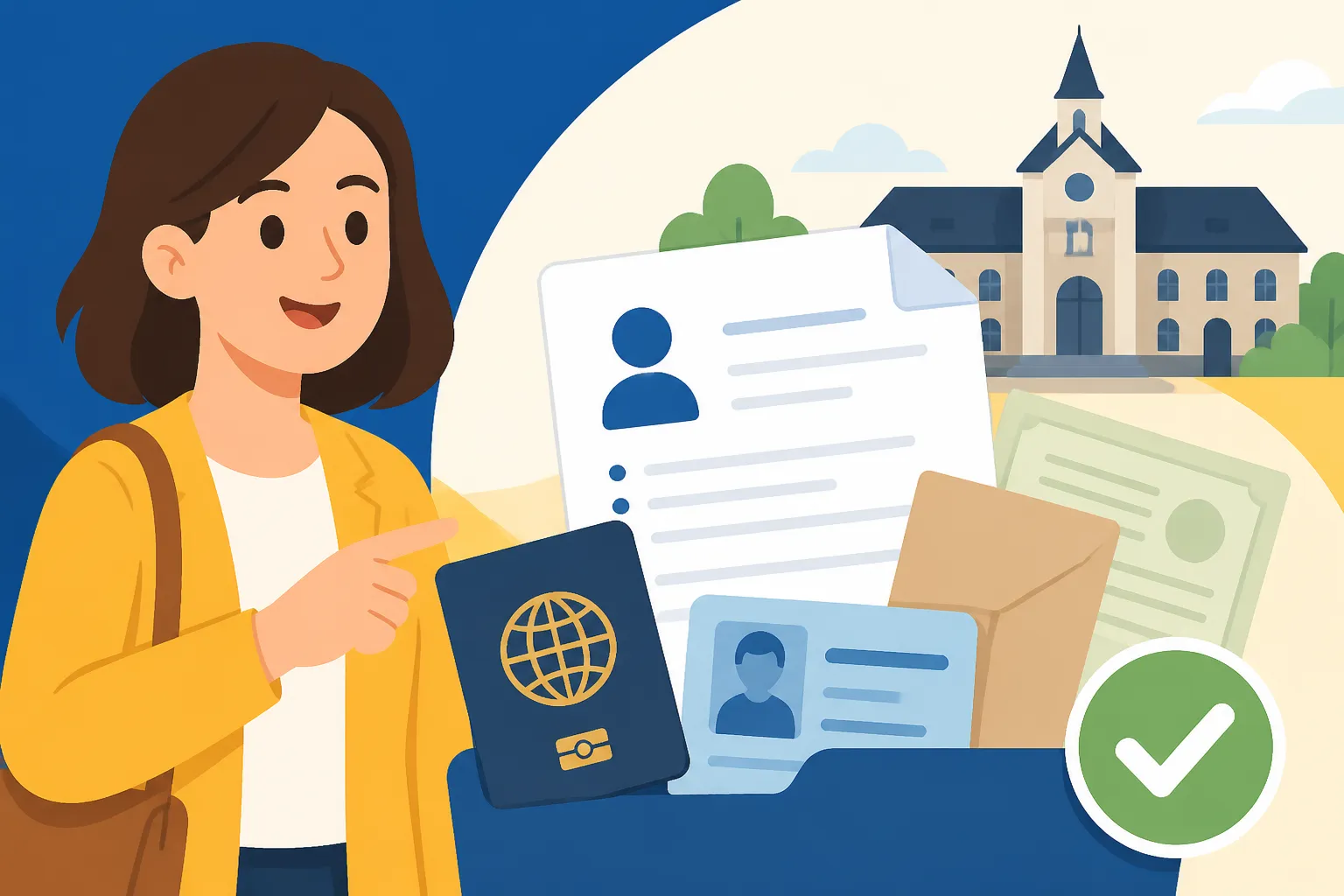
When you finally get that coveted appointment at the commune, being prepared with the right documents is half the battle. Think of it as bringing your armor to the administrative joust. Here's what you absolutely cannot forget.
Identification and Travel Documents
First and foremost, you need to prove who you are and where you came from.
- Valid Passport or National ID Card: This is your primary form of identification. Make sure it's valid for at least six months beyond your intended stay. For EU citizens, a national ID card is usually sufficient. For non-EU citizens, your passport is mandatory.
- Belgian Long-Stay Visa (Type D): If you're a non-EU citizen, you would have obtained a long-stay visa (Visa D) from a Belgian embassy or consulate in your home country before coming here. This visa sticker inside your passport is critical proof of your legal right to reside in Belgium. Don't forget to make photocopies of all relevant pages – your passport's main bio-data page and the page with your Belgian visa.
- Entry Stamp/Proof of Arrival: Sometimes, they might ask for proof of your arrival date in the Schengen area, especially if your visa doesn't clearly state it. Your flight ticket or the entry stamp in your passport will serve this purpose.
- Passport Photos: Bring several recent passport-sized photos. While many communes now have digital photo booths, it’s always safer to have a few on hand, just in case. They need to meet strict Belgian photo standards (white background, neutral expression, looking directly at the camera).
Proof of Address
This is where many new arrivals stumble. You need to prove you have a place to stay, even if it's temporary.
- Rental Contract (Lease Agreement): This is the gold standard. A signed, registered rental contract for your apartment or house is the best proof of address. Ensure it's for the address you're registering at.
- Declaration of Accommodation (Annexe 3ter/Bijlage 3ter): If you're staying with friends or family, they will need to provide a formal "declaration of accommodation" from their commune, stating that they are hosting you. This document might also be referred to as a "guarantee of accommodation" or similar, proving you won't be sleeping on the streets.
- Proof of Temporary Accommodation: In some communes, especially if you're awaiting a more permanent lease, they might accept a signed letter from a landlord or even a hotel reservation for a longer stay. However, this is less common and often requires further follow-up. Always clarify this with your specific commune beforehand.
Remember, the address on your registration must be where you actually live, as a police check (contrôle de quartier) will often follow to verify your residence. You can learn more about this crucial step in our guide, The Police Check (Contrôle de Quartier) for Address Verification.
Proof of Solvency/Means of Subsistence
Belgium wants to make sure you won't become a burden on their social system. You need to demonstrate you can support yourself financially.
- Employment Contract: If you're moving to Belgium for work, your signed employment contract from a Belgian employer is key. It should clearly state your salary, position, and start date. For non-EU citizens, this often goes hand-in-hand with your Single Permit application.
- Proof of Funds / Bank Statements: If you're not employed yet, or if you're a student, you'll need to show sufficient financial means. This could be recent bank statements (from your home country or a Belgian account if you've managed to open one) demonstrating a stable income or substantial savings. The exact amount required can vary based on your visa type (e.g., student vs. job seeker), but typically, you should be able to prove you can cover your living expenses.
- Scholarship Letter / Blocked Account: For students, an official scholarship letter or proof of a blocked bank account in Belgium (a common requirement for student visas) is accepted as proof of solvency. If you're coming on a Belgian Student Visa Guide: Admission to Arrival and Renewals, ensure these documents are impeccably prepared.
- Sponsorship Letter (Annexe 32): If you are being sponsored by a family member or another individual living in Belgium, they will need to provide an official "proof of sponsorship" (Annexe 32 for students, or similar for other categories) obtained from their commune, along with proof of their own income.
Beyond the Basics: Documents You Might Need (Better Safe Than Sorry!)
While the above documents are generally universal, certain situations or your specific nationality/visa type might require additional paperwork. It’s always best to be overprepared rather than underprepared when dealing with Belgian administration.
Civil Status Documents
These are particularly important if you are moving with family or applying for family reunification.
- Birth Certificate: Your unabridged birth certificate, issued by your country of birth, is often required. If it's not in French, Dutch, German, or English, it must be officially translated. This is where services like RushTranslate come in handy for sworn translations. These documents often need to be apostilled or legalized by the Belgian embassy in your home country.
- Marriage Certificate: If you are married and moving with your spouse, or if your spouse is joining you later, your marriage certificate is essential. Like birth certificates, it needs to be translated and legalized if not in one of the accepted languages.
- Divorce Decrees or Death Certificates: If applicable, proof of divorce or the death certificate of a previous spouse may be requested to confirm your current marital status.
- Children's Birth Certificates: For any dependent children, their birth certificates are also required, again with official translations and legalizations as needed. If you're bringing family, understanding the Family Reunification Visas: Bringing Spouses and Children to Belgium process is crucial, and civil status documents are central to it.
Academic and Professional Documents
Depending on your visa, these might be a direct requirement.
- Diplomas and Transcripts: For students, proof of previous academic qualifications is obviously required for university admission. For highly skilled workers, sometimes a diploma might be requested to confirm qualifications for specific roles, especially if your job title relies on a certain degree.
- Work Permits / Single Permit: For non-EU citizens, your Single Permit (which combines your work permit and residence permit) will be the most vital document related to your professional status. While the commune won't issue it, they will need to see the application approval or the actual permit once issued. Remember that the Single Permit (Gecombineerde Vergunning) Process for Workers is largely digitalized now.
- Professional Registrations: If your profession requires specific licensing or registration (e.g., doctors, architects), bring proof of these.
Health Insurance Proof
While you'll officially register for a mutuelle once you have your National Register Number, you sometimes need to show initial proof of health coverage for your visa application or even for the commune's records during the initial stage.
- Temporary Health Insurance Policy: For the initial period, before you're fully integrated into the Belgian social security system, you might have taken out a private international health insurance policy. Companies like Cigna Global offer comprehensive plans that can cover you during this transitional phase. Having a printout of your policy can be useful to show that you have some form of coverage.
- European Health Insurance Card (EHIC): If you're an EU citizen, your EHIC covers you for medically necessary treatment during a temporary stay. While it won't replace Belgian health insurance in the long run, it can serve as initial proof of coverage. It's often recommended to get registered for Compulsory Coverage Basics: Who Must Enroll in Mutuelle/Ziekenfonds as soon as possible.
Pro-Tips for Navigating the Commune (and Keeping Your Sanity)
Alright, you've got your stack of meticulously prepared documents. Now, how do you actually make this appointment and survive the encounter?
Making an Appointment and Language Barriers
One of the biggest frustrations for new expats is simply getting an appointment. Many communes operate on an appointment-only basis, and walk-ins are often turned away or told to book online.
- Book Ahead: As soon as you know your arrival date and have a potential address, check your commune's website (e.g., Stadhuis for Flemish regions, Maison Communale for Walloon and Brussels regions) to see their appointment booking system. Some use online portals, others require you to call.
- Language is Key (Sometimes): While Brussels communes generally have English-speaking staff, in Flanders or Wallonia, you might encounter staff who speak only Dutch or French, respectively. It's incredibly helpful to bring someone along who speaks the local language if you're not confident in yours. Don't rely on the commune staff to be your translator for complex questions. Remember, Belgium has three official languages, and depending on where you settle, one will be dominant. If you're wondering which language might be best for your career, check out French vs Dutch: Which Language is Better for Your Belgian Career? for broader context.
- Be Patient and Polite: Bureaucracy can be slow, and processes can be opaque. A calm, polite demeanor, even when faced with frustrating delays, goes a long way.
The Police Check and What Comes Next
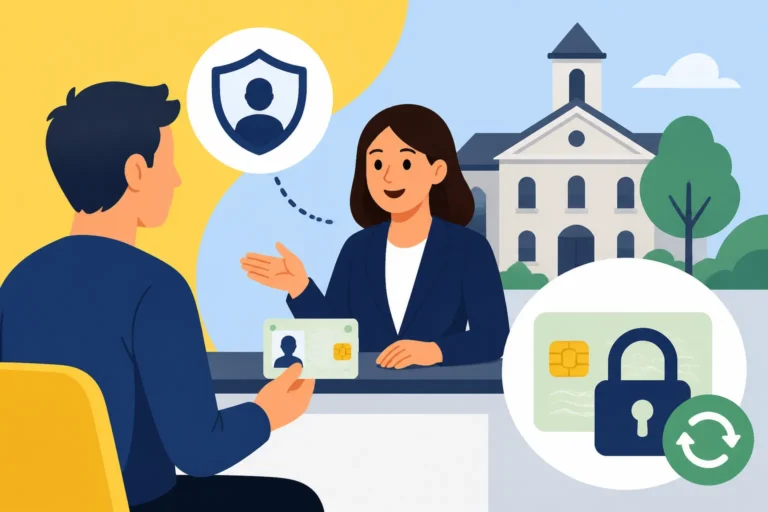
After your initial registration, the commune won't immediately hand you an eID. For non-EU citizens, and sometimes for EU citizens, there's usually a police check (the contrôle de quartier or wijkagent visit). A police officer will visit your declared address to verify that you actually live there.
- Be Available: Ensure someone is usually home during working hours in the weeks following your registration. If they can't verify your residence, it will delay your registration.
- Post-Check: Once the police confirm your residence, the commune will send you a letter or invite you back for the next steps. This typically involves getting your fingerprints taken and ordering your actual eID card. Until your eID arrives, you'll usually be given a temporary document, often an Annexe 15 (Bijlage 15). This document confirms your application is in process and, for many, allows you to legally work. Keep it safe!
- Activating Your eID: Once your eID is ready for pickup (usually a few weeks later), you'll go back to the commune one last time to activate it. You'll receive a PIN/PUK code, which is vital for using your eID for online government services and Itsme authentication.
Document Checklist for Commune Registration
Here's a handy table to help you keep track of what you need. Always double-check with your specific commune, as requirements can vary slightly from one municipality to another.
| Document Category | Essential Documents (Bring Originals & Copies) | Potentially Needed (Bring Originals & Copies) |
|---|---|---|
| Identification & Visa | Valid Passport / National ID Card | Entry Stamp / Flight Ticket |
| Belgian Long-Stay Visa (Type D) (for non-EU) | Recent Passport Photos (digital options often available, but physical copies are safe) | |
| Proof of Address | Signed & Registered Rental Contract | Declaration of Accommodation (Annexe 3ter) from host |
| Proof of Temporary Accommodation (e.g., long-term hotel booking) | ||
| Proof of Solvency | Employment Contract (Belgian) | Recent Bank Statements (showing sufficient funds) |
| Scholarship Letter / Blocked Account Proof (for students) | Sponsorship Letter (Annexe 32) | |
| Civil Status (Family) | Unabridged Birth Certificate (translated & legalized/apostilled via services like RushTranslate) | |
| Marriage Certificate (translated & legalized/apostilled via RushTranslate) | ||
| Divorce Decree / Death Certificate (if applicable, translated & legalized/apostilled) | ||
| Children's Birth Certificates (if moving with family, translated & legalized/apostilled) | ||
| Health & Other | Temporary Health Insurance Policy (e.g., from Cigna Global) or EHIC (for EU citizens) | |
| Diplomas / Professional Certifications (especially for highly skilled visas) |
Keep in mind that while some documents may not be explicitly listed on your commune's website, they might be requested on the spot. Having them ready can save you a follow-up trip. For instance, sometimes they might ask to see your Social Security Contributions: How Employers Deduct Health Costs on your payslip if you've been working a bit already.
Conquering the Commune: You've Got This!
The first commune registration can feel like a formidable task, a true Belgian initiation rite. But by meticulously preparing your documents and understanding the process, you can navigate it far more smoothly. Remember, every expat goes through this, and you'll emerge with your precious eID, ready to fully embrace life in Belgium. It's the first major win in your new life here, so take a deep breath, get organized, and go get that registration sorted!
Disclaimer
Please note that while this guide provides comprehensive information, immigration laws and administrative procedures in Belgium can change. It is always advisable to consult the official websites of the Belgian Immigration Office (DOFI/DVZ) and your specific commune for the most current and localized requirements. This article is for informational purposes only and does not constitute legal advice.