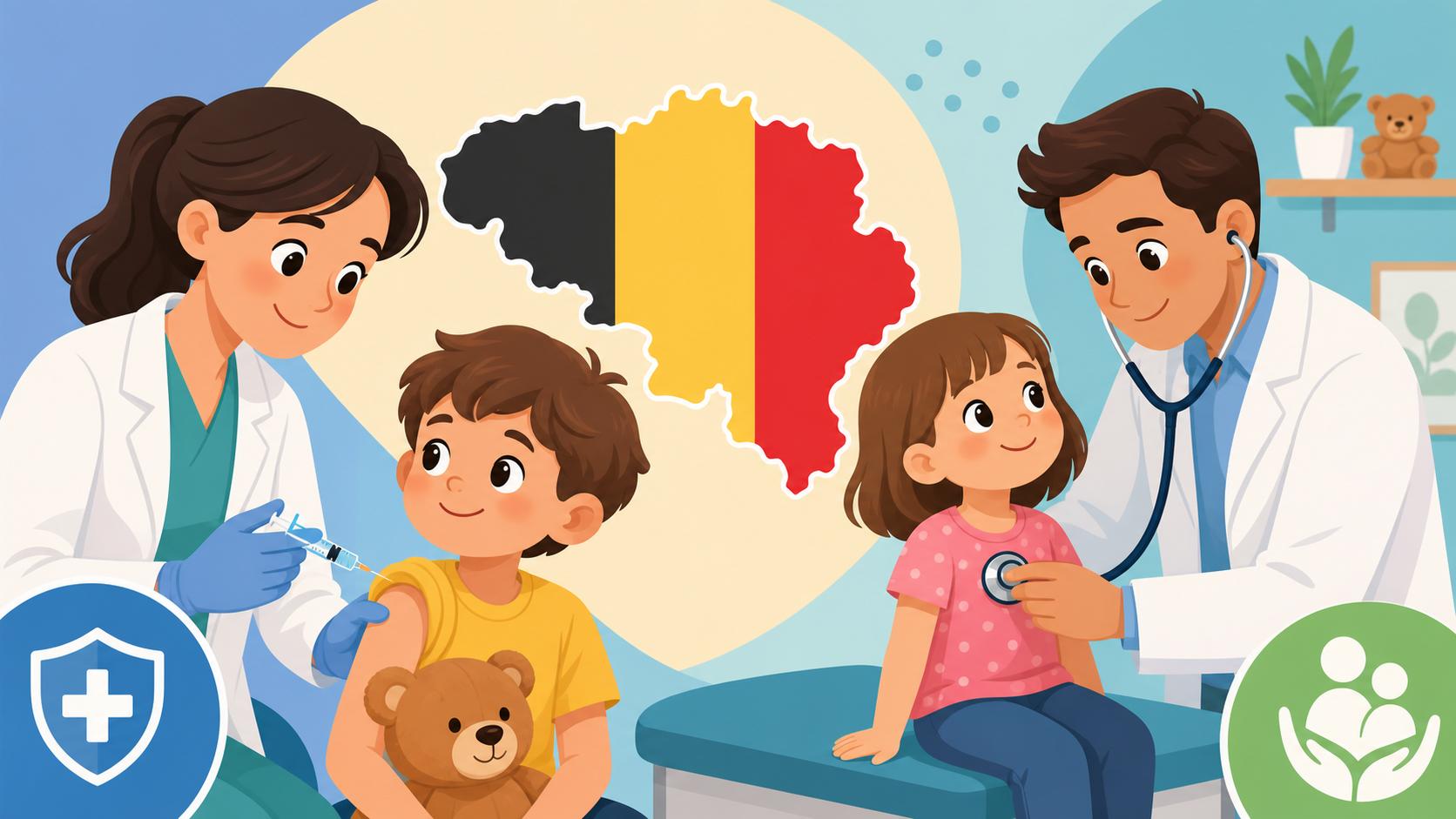
Pediatricians in Belgium: Routine Vaccines and Child Checkups
Navigating the Belgian healthcare system with a newborn or a toddler can feel like trying to solve a Rubik’s Cube while sleep-deprived and speaking a language you haven’t quite mastered yet. I remember standing in my local pharmacy, clutching a prescription for a vaccine I didn't recognize, wondering why the clerk was asking for a "vignette" I hadn't even received yet. This guide breaks down exactly how pediatric care, routine checkups, and vaccinations work in Belgium so you can stop worrying about the paperwork and focus on your little one.
Navigating the Belgian Pediatric Care Landscape
When you first arrive in Belgium, one of the most confusing aspects of family life is the split between public preventive care and private curative care. Unlike some countries where a single pediatrician manages everything from vaccinations to ear infections, Belgium uses a dual-track system. On one side, you have the state-subsidized preventive organizations, and on the other, you have private pediatricians and General Practitioners (GPs).
The Difference Between Kind en Gezin and ONE
Depending on where you live, you will deal with either Kind en Gezin (in Flanders and for Dutch-speakers in Brussels) or ONE (Office de la Naissance et de l’Enfance, in Wallonia and for French-speakers in Brussels). These are government-funded agencies focused on the preventive health of children from birth until age six. They offer free consultations, weight checks, hearing tests, and vaccinations.
Many expats find these services incredibly helpful because they are designed to catch developmental issues early. When you go through the Kind en Gezin Registration Process for New Expat Parents, you are assigned a local "huis" or center where you’ll meet with nurses and volunteer doctors. They don't treat illnesses—if your baby has a fever, they will tell you to see your doctor—but they are the guardians of the Family Health in Belgium: Pregnancy, Birth, and Pediatric Care roadmap. It’s a very communal experience, and while the waiting rooms can be busy, the care is standardized and professional.
Private Pediatricians vs General Practitioners
In Belgium, you are not strictly required to take your child to a pediatrician for minor illnesses. In fact, many Belgian families use their regular family doctor for day-to-day issues like coughs, rashes, or mild fevers. You should definitely spend time Choosing Your First GP (General Practitioner) in Belgium early on, as they will likely be your first point of contact for the whole family.
However, if you prefer a specialist, you can book directly with a pediatrician without a referral. Pediatricians in Belgium are highly specialized and often operate out of private practices or large hospital clinics. While a GP is great for the "bread and butter" of childhood illness, a pediatrician is essential for complex chronic conditions or if you simply feel more comfortable with a specialist’s eye. If you have international coverage through Cigna Global, you might find that accessing these private specialists is even more seamless, as their networks often include the most sought-after English-speaking pediatricians in Brussels and Antwerp.
Booking Your First Appointment
The "Belgian way" of booking involves a mix of online portals and old-fashioned phone calls. Many doctors now use apps like Rosa or Doctena, which allow you to see real-time availability. If you are looking for a doctor in a specific region, such as a ONE (Office de la Naissance et de l'Enfance) Guide in Wallonia might suggest, you can often find local directories through the commune website.
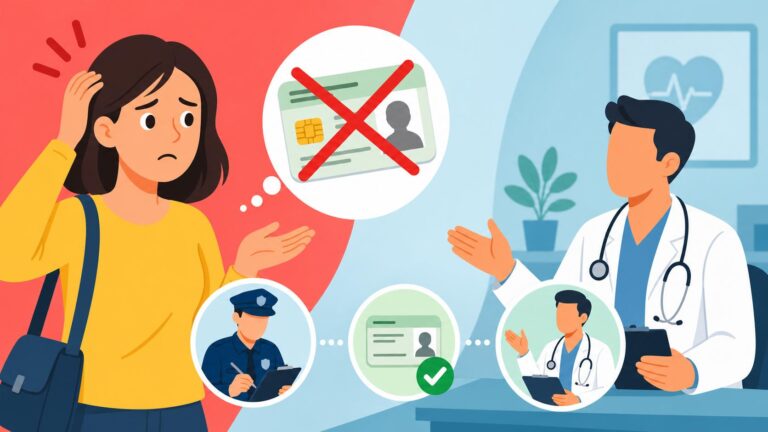
When you call for the first time, don't be surprised if the receptionist asks for your child's national number. If you haven't received your eID cards yet, you can usually use the temporary paper documents provided by the commune. Pro tip: always ask if the doctor is "conventioned." This determines whether they stick to the official state-sanctioned pricing or charge a supplement, which affects how much you'll eventually get back from your insurance.
The Belgian Vaccination Schedule
Belgium takes vaccinations seriously, but the way they are administered might differ from what you are used to. Most of the routine shots are provided for free if you get them through Kind en Gezin or ONE. If you choose to go to a private pediatrician, you will usually have to buy the vaccine at a pharmacy first and bring it to the appointment in a thermal bag to keep it cold.
Mandatory vs Recommended Vaccines
In Belgium, there is a legal distinction between vaccines that are "strongly recommended" and those that are "mandatory." Almost every vaccine on the standard schedule—including Measles, Mumps, Rubella (MMR), and Whooping Cough—is technically recommended. However, they are treated as standard practice, and schools or crèches (daycare centers) will often insist on seeing a completed vaccination record before enrollment.
For parents, it’s also worth looking into high-quality supplements to support a child’s immune system during these early years. Many expats use iHerb to source specific vitamin D drops or probiotics that might not be as readily available in the local Belgian pharmacies, which tend to carry a very specific range of brands. Keeping your child’s baseline health strong makes the vaccination recovery much easier.
The Polio Vaccination Law and Legal Compliance
There is one major exception to the "recommended" rule: the Polio vaccine. Vaccinating Babies in Belgium: The Compulsory Polio Vaccine Law is the only medical mandate for children. Every child living in Belgium must be vaccinated against Polio, and you are required to submit a signed medical certificate to your local commune once the course is completed (usually around 18 months of age).
If you fail to submit this certificate, the commune will send you a stern reminder. If you ignore that, you could technically face legal fines. The Belgian government views Polio eradication as a matter of national public health, so this is the one piece of paperwork you cannot afford to lose. Your doctor or the Kind en Gezin/ONE nurse will provide the specific form for you to sign and return.
Where to Get Vaccinated Public Clinics vs Private Practice
You have two main paths for getting these shots done. Path A is through the public clinics (Kind en Gezin/ONE). Here, the vaccines are stored on-site and are free of charge. You just show up for your appointment, the nurse or doctor administers the shot, and they update your child’s medical booklet. This is the most cost-effective and efficient method.
Path B is through your private pediatrician or GP. In this scenario, the doctor writes a prescription, you go to the pharmacy to buy the vaccine (often at a subsidized price if you show your mutuelle card), and you store it in your fridge until the appointment. This is a bit more work, but some parents prefer it because they can combine the vaccination with a more thorough private consultation.
Routine Child Checkups What to Expect
The rhythm of child checkups in Belgium is fairly frequent in the first year and then tapers off as the child grows. These visits are not just about physical growth; they are a holistic look at the child's environment, nutrition, and psychological development.
The Carnet de Santé or Groeiboekje
Upon your child's birth or your first registration in Belgium, you will receive a small booklet. In French, it’s the Carnet de Santé; in Dutch, it’s the Groeiboekje. This booklet is the holy grail of your child's medical history in Belgium. Every time you visit a doctor, nurse, or specialist, you should bring this book.
The doctor will record height, weight, head circumference, and any vaccinations administered. It also contains useful charts for you to track milestones at home. If you move between communes or switch from a French-speaking to a Dutch-speaking area, this book remains the constant link. Don't lose it! Many schools will ask for a copy of the vaccination pages when your child starts "maternelle" (preschool) at age two and a half.
Developmental Milestones and Screening Tests
Belgian pediatric care places a heavy emphasis on early screening. In the first few months, you can expect:
- Hearing Tests: Usually done within the first few weeks by Kind en Gezin or ONE.
- Vision Screening: Often performed around age one or two to catch "lazy eye" or other issues early.
- Guthrie Test: A heel-prick blood test done shortly after birth to screen for metabolic disorders.
The nurses at the public clinics are trained to look for developmental delays. They will ask questions about when your baby started rolling, sitting up, or babbling. If they notice anything of concern, they won't treat it themselves; instead, they will provide a referral to a specialized pediatric center or a "multidisciplinary" team.
Specialized Care and Specialist Referrals
If your child needs to see a specialist—such as a pediatric allergist, cardiologist, or neurologist—you can usually find them in the large university hospitals like UZ Leuven, Erasme in Brussels, or UZ Gent. These hospitals have dedicated pediatric wings that are world-class.
While you can technically book a specialist yourself, having a referral from your GP or Kind en Gezin nurse can sometimes help you get an appointment faster. For families with Cigna Global, the process is often even smoother, as their concierge services can help identify specialists who speak your native language and handle the direct billing, saving you the hassle of the "pay and reclaim" cycle.
Costs Reimbursements and Insurance for Kids
Belgium’s healthcare is famous for being high-quality and relatively affordable, but the reimbursement system has its quirks. Understanding how the money flows will save you from "sticker shock" at the doctor's office.
How the Mutuelle Covers Pediatric Visits
First, you must ensure your child is registered as a dependent on your health insurance. This is a core part of the Mutuelle and Ziekenfonds: Public Health Insurance Registration Guide. Once registered, your child is covered for the majority of medical costs.
For a standard consultation with a "conventioned" doctor, you will pay the fee upfront (usually between €30 and €40). You then submit the receipt—either digitally via an app or by dropping a physical "vignette" (sticker) into a white mailbox—to your mutuelle. In most cases, the state covers about 75% of the cost, but for children and those with a "Global Medical Record" (DMG/GMD), the reimbursement rate is often even higher, sometimes leaving you with an out-of-pocket cost of only a few euros.
Out of Pocket Costs for Non Conventioned Doctors
In popular expat areas like Ixelles or Tervuren, many pediatricians are "non-conventioned." This means they can set their own rates, often charging €60, €80, or even more for a consultation. The mutuelle will still only reimburse you the standard 75% of the official rate, not the actual price you paid.
| Service Type | Official Rate (Approx) | Mutuelle Reimbursement | Typical Out-of-Pocket |
|---|---|---|---|
| Conventioned GP Visit | €30.00 | €26.00 | €4.00 |
| Conventioned Pediatrician | €40.00 | €34.00 | €6.00 |
| Non-Conventioned Ped. | €80.00 | €30.00 | €50.00 |
| Routine Vaccination (Public) | Free | 100% | €0.00 |
This is why Understanding the 75% Reimbursement System for Medical Consultations is so important. If you choose a high-end private doctor, be prepared to pay the difference yourself unless you have supplementary insurance.
Supplementary Private Insurance for Families
Many employers in Belgium provide "hospitalization insurance" (like DKV or Alan), which covers costs if your child is admitted to the hospital. However, these plans don't always cover routine outpatient visits to a pediatrician. If you want full coverage for those expensive non-conventioned specialists, an international plan from Cigna Global can bridge the gap, often covering 100% of the actual fees charged, rather than just the Belgian state base rate.
Practical Tips for Expat Parents
Beyond the medicine and the money, there’s the "living it" part of parenting in a foreign country. Here are a few things I wish someone had told me during my first year in Brussels.
Managing Language Barriers in Medical Settings
Most doctors in major Belgian cities speak excellent English, especially pediatricians. However, the administrative staff and the nurses at public clinics might prefer French or Dutch. Don't let this intimidate you. Most medical terms are similar across languages, and having your Carnet de Santé ready does 90% of the talking for you.
If you are very nervous about a language barrier, try to find a doctor through the "Brussels Health Network" or similar portals that list the languages spoken. It’s also perfectly acceptable to bring a friend to translate or use a translation app for specific medical questions. Belgian doctors are generally very patient with the expat community.
Emergency Pediatric Care and After Hours
Kids have a knack for getting sick at 7:00 PM on a Friday. If it’s an emergency, you head to the "Urgences" (ER) of the nearest hospital. Many hospitals, like the Queen Fabiola Children's University Hospital (HUDERF) in Brussels, are exclusively for children and are less intimidating than general ERs.
For non-emergencies that can't wait until Monday, look for the "Garde" or "Wacht" services. There are dedicated centers like "Poste de Garde" where you can see a doctor on weekends and holidays. You pay a slightly higher fee, but the mutuelle still reimburses a large portion of it.
Pharmacy Rules for Pediatric Medication
In Belgium, you cannot buy most pediatric medications over the counter. While you can get basic paracetamol (like Perdolan) freely, anything like antibiotics, strong cough syrups, or even certain high-strength vitamin D drops requires a prescription.
Make sure you understand the Pharmacies and Medication in Belgium: Prescriptions and OTC Rules before you go. If you are used to buying everything at a drugstore back home, the Belgian system will feel restrictive. If you have a specific brand of baby vitamins or organic skincare you love, sourcing them from iHerb is often easier than trying to find a local equivalent that requires a doctor's note.
Recommended Vaccination Schedule
The following table outlines the standard timing for vaccinations in Belgium. Please note that while timing can vary slightly based on your doctor’s advice, this is the schedule used by Kind en Gezin and ONE.
| Age | Vaccines Administered | Notes |
|---|---|---|
| 8 Weeks | Polio, Diphtheria, Tetanus, Pertussis, Hib, Hep B, Pneumococcal | Often a 6-in-1 vaccine + 1 separate |
| 12 Weeks | Polio, Diphtheria, Tetanus, Pertussis, Hib, Hep B | Second dose of the 6-in-1 |
| 16 Weeks | Polio, Diphtheria, Tetanus, Pertussis, Hib, Hep B, Pneumococcal | Third dose + Pneumococcal booster |
| 12 Months | MMR (Measles, Mumps, Rubella), Pneumococcal | First MMR dose |
| 15 Months | Polio, Diphtheria, Tetanus, Pertussis, Hib, Hep B | Final booster of the 6-in-1 |
| 5-6 Years | Diphtheria, Tetanus, Pertussis, Polio | Booster before primary school |
| 11-12 Years | MMR (Second dose), HPV | Administered via school health services |
Medical Disclaimer
The information provided in this guide is for educational and informational purposes only and does not constitute professional medical advice, diagnosis, or treatment. Always seek the advice of a qualified pediatrician or other healthcare provider in Belgium with any questions you may have regarding a medical condition or the specific vaccination needs of your child. Never disregard professional medical advice or delay in seeking it because of something you have read in this article. The Belgian healthcare system and vaccination schedules are subject to change based on regional and federal policy updates in 2026.