Tick Bites and Lyme Disease Risks in Belgian Forests
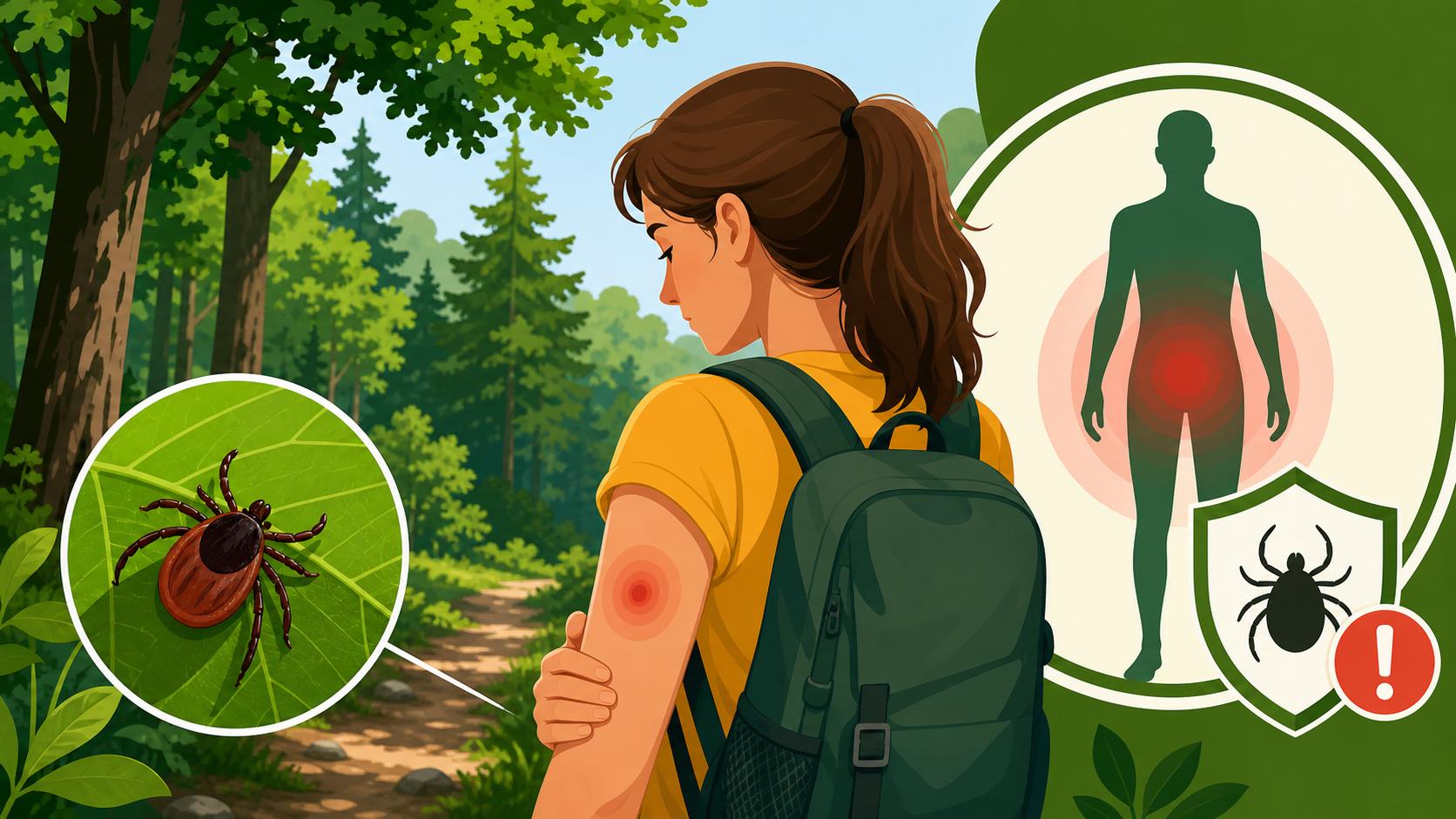
You finally make it to the Sonian Forest or the Ardennes on a sunny Saturday, only to find a tiny, dark speck burrowed into your ankle that evening. I remember my first trek in Tervuren; I was so focused on the waffles that I completely missed the tick until the next morning. This guide explains how to handle tick bites and Lyme risks in Belgium safely.
The Rising Tick Population in Belgian Forests and Parks
Belgium is a lush, green country, but that greenery comes with a hidden guest. The tick population, specifically the Ixodes ricinus (the castor bean tick), has seen a steady increase over the last decade. While the Ardennes in Wallonia are the most famous "high-risk" zones, you are just as likely to encounter these arachnids in the suburbs of Brussels or the parks of Flanders. Ticks thrive in the humid, temperate climate of the Low Countries, hiding in tall grass, leaf litter, and low-hanging branches.
If you are a new resident, you might not realize that "tick season" in Belgium is surprisingly long. It typically begins as soon as the temperature consistently hits 7 degrees Celsius, usually in March, and lasts until the first deep frosts of November. However, with milder winters becoming the norm, experts now suggest being vigilant year-round. The danger isn't just in deep forests; even the manicured lawns of suburban villas or the high-traffic trails of the Sonian Forest are habitats for these creatures.
For many of us coming from drier climates, the idea of a parasite lurking in a city park feels foreign. But in Belgium, the prevalence of Lyme-carrying ticks is estimated to be between 10% and 25% depending on the region. This is why understanding the local medical landscape is vital. You should ensure your Mutuelle and Ziekenfonds: Public Health Insurance Registration Guide is completed early in your stay so you can access diagnostic tests without a massive financial burden.
Identifying the Risks of Lyme Disease and TBE
The primary concern for any expat in Belgium is Borrelia burgdorferi, the bacterium that causes Lyme disease. It is important to remember that not every tick bite results in infection. However, the risk increases significantly the longer the tick remains attached to your skin. Generally, the bacterium resides in the tick's gut and takes about 24 to 48 hours to migrate to the salivary glands and enter your bloodstream.
Early symptoms of Lyme disease in Belgium are often mistaken for a common summer flu. You might experience fatigue, joint pain, or a mild fever. The most famous indicator is the Erythema migrans, or the "bullseye" rash. In my experience, many people wait for this rash to appear before seeing a doctor, but it is crucial to know that up to 30% of infected individuals never develop the classic red circle. If you feel "off" after a weekend in the woods, it is worth Choosing Your First GP (General Practitioner) in Belgium to discuss your symptoms.
Beyond Lyme, there has been a marginal but noted increase in Tick-borne Encephalitis (TBE) in Western Europe. While still rare in Belgium compared to Central Europe, the medical community is monitoring its spread. TBE is a viral infection, meaning antibiotics won't help, and it can affect the central nervous system. For those who are frequent hikers or work in forestry, international health plans like Cigna Global can provide peace of mind, as they often offer more flexible access to specialists and neurological screenings than the standard public system.
Prevention Strategies for the Belgian Outdoors
Prevention is always less stressful than treatment. When you head out to the Ardennes or even just for a walk in the park, your clothing choice is your first line of defense. Ticks cannot jump or fly; they wait for a host to brush past. By wearing long trousers and tucking them into your socks (yes, it looks silly, but it works), you create a physical barrier. Light-colored clothing is also a veteran expat secret because it makes the tiny, dark nymphs much easier to spot before they reach your skin.
Chemical repellents are equally important. In Belgium, you can find various sprays at a local "apotheek," but the selection can sometimes be limited to specific European brands. I have found that sourcing high-concentration DEET or Picaridin products through platforms like iHerb is a great way to get the specific formulations you might be used to from home. These repellents should be applied to both skin and clothing, especially around the ankles and waistline.
After any outdoor activity, the "tick check" is mandatory. This isn't just a quick glance. You need to check the warm, dark areas of the body: behind the knees, in the groin, under the arms, and behind the ears. For parents, checking a child's scalp is critical. If you find a tick, don't panic. Having the right tools on hand, which you can purchase while learning about Pharmacies and Medication in Belgium: Prescriptions and OTC Rules, will make the removal process much safer.
| Prevention Method | Effectiveness | Best Use Case |
|---|---|---|
| Tucking Socks into Pants | Very High | Hiking in tall grass/Ardennes |
| DEET/Picaridin Sprays | High | General outdoor protection |
| Permethrin-treated Gear | Extreme | Professional forestry or camping |
| Daily Tick Checks | Essential | Every time you enter a green zone |
| Staying on Paved Paths | Moderate | Casual walks in city parks |
The Correct Way to Remove a Tick in Belgium
If you find a tick, the goal is to remove it as quickly as possible without stressing the parasite. Many old wives' tales suggest using nail polish remover, alcohol, or even a hot match to "burn" the tick out. Never do this. These methods cause the tick to regurgitate its stomach contents into your bloodstream, which is exactly how the Lyme bacteria are transmitted.
The Belgian medical recommendation is to use a dedicated tick tool—either tick tweezers (pincet) or a tick hook (crochet). You can find these at almost any pharmacy. You want to grasp the tick as close to your skin as possible, specifically at the head or mouthparts. Pull upward with steady, even pressure. Do not jerk or twist, as this can break the head off, leaving it embedded in your skin. If the head does stay in, don't dig for it; treat it like a splinter and let the skin heal over, or visit your doctor.
Once the tick is out, disinfect the bite area with alcohol or iodine. It is a good idea to save the tick in a small jar or tape it to a piece of paper. If you develop symptoms later, your doctor might find it helpful to see the size and type of tick. If you are unsure of your technique or the bite looks particularly angry, don't hesitate to seek Emergency Medical Care in Belgium: 112, Hospitals, and Pharmacies if it’s after hours, though a standard GP visit is usually sufficient.
Navigating the Healthcare System for Diagnosis and Treatment
If you suspect you have been infected, the first step is a consultation with your GP. In Belgium, doctors usually wait a few weeks before ordering a blood test for Lyme disease. This is because the body takes time to produce the antibodies that the test detects. A test taken the day after a bite will almost always come back negative, even if you are infected. This waiting period can be anxiety-inducing for expats, but it is the standard protocol.
When you do get a blood test, you will likely receive a bill from a lab a few weeks later. This is where your insurance coverage becomes vital. Understanding the 75% Reimbursement System for Medical Consultations is key here, as the laboratory fees are also partially covered by your mutuelle. To ensure you get the maximum refund, make sure your GP has opened The Global Medical Record (DMG/GMD): Why You Need It for Better Refunds for you. This record centralizes your data and lowers your out-of-pocket costs for specialist referrals.
If Lyme is confirmed, the standard treatment is a course of antibiotics (usually doxycycline) for 14 to 21 days. It is essential to finish the entire course, even if you feel better after three days. For those with complex cases or persistent symptoms, seeking Finding English-Speaking Doctors in Brussels, Antwerp, and Ghent can help you find specialists who are familiar with the latest international research on chronic Lyme issues. Those with premium international coverage from providers like Cigna Global may also find it easier to access private clinics that specialize in infectious diseases.
Long-Term Monitoring and Support for Expats
For most people, a quick course of antibiotics resolves the issue. However, a small percentage of people experience "Post-Treatment Lyme Disease Syndrome," which involves lingering fatigue and muscle pain. In a foreign country, dealing with a chronic, "invisible" illness can be incredibly isolating. The Belgian weather, often grey and damp, can also exacerbate joint pain, making the transition even harder for newcomers.
If you find yourself struggling with the long-term aftermath of a tick bite, it is important to address the mental toll as well as the physical one. The healthcare system here offers various avenues for support, including Mental Health in Belgium: Therapy, Psychiatry, and Expat Support. Many expats find that joining local hiking groups or online forums can provide practical tips on which specific forests have higher tick densities in any given year.
Finally, keep a "tick diary" if you spend a lot of time outdoors. Note the date of any bites and any symptoms that follow. This record is invaluable for doctors if you ever need to revisit the diagnosis. Being proactive and informed turns a potential medical crisis into a manageable part of life in beautiful Belgium. By stocking up on the right supplies from iHerb and keeping your Belgian administrative affairs in order, you can enjoy the Ardennes without the underlying fear of the "speck."
Disclaimer
This article is for informational purposes only and does not constitute professional medical advice, diagnosis, or treatment. Always seek the advice of your physician or another qualified health provider with any questions you may have regarding a medical condition. Never disregard professional medical advice or delay in seeking it because of something you have read in this guide. Belgian medical protocols may change, and you should always consult with a local practitioner for the most current treatment standards.