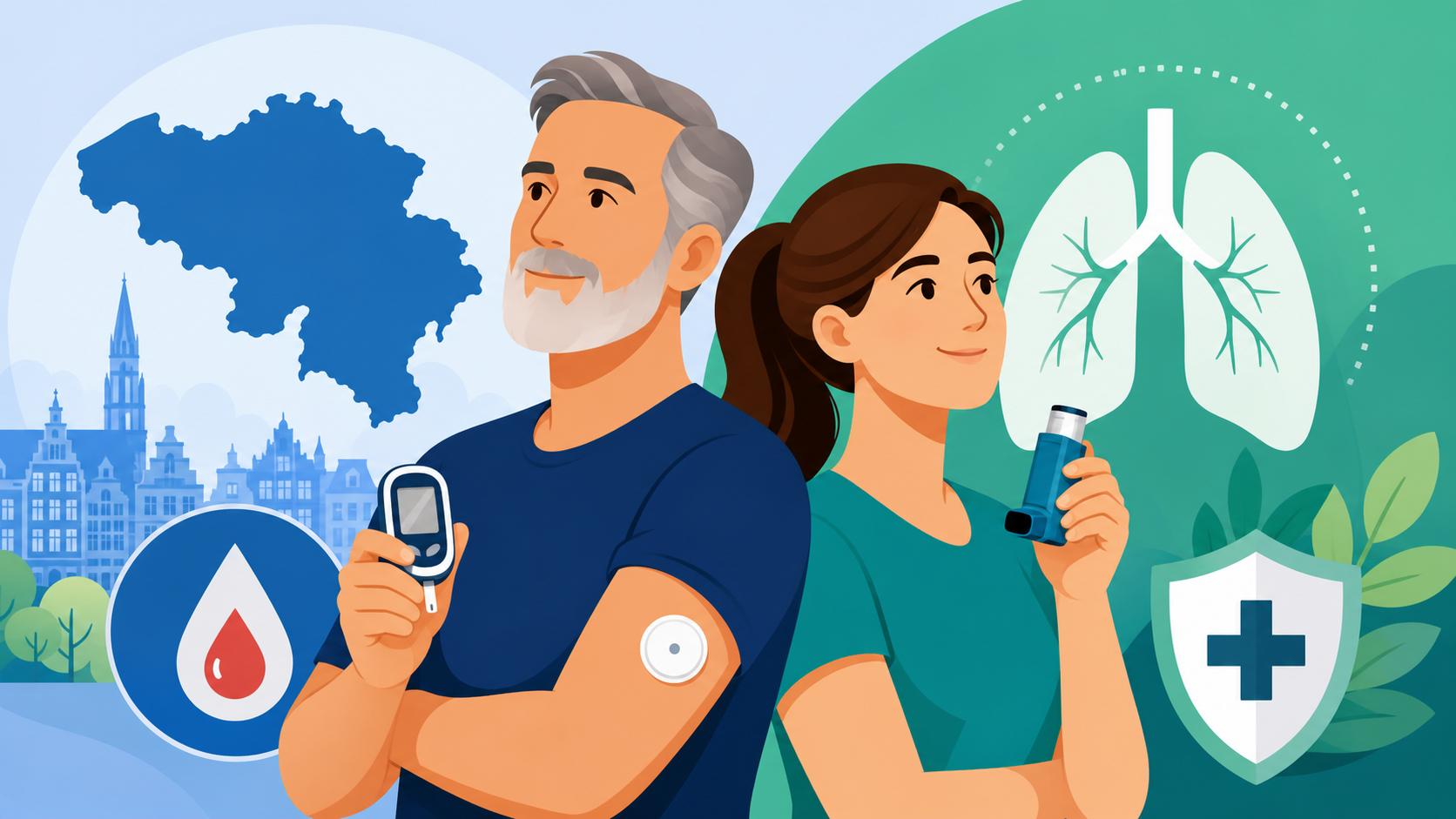
Managing Chronic Conditions: Diabetes and Asthma Care in Belgium
Navigating a new healthcare system while managing a chronic illness like diabetes or asthma can feel like trying to solve a puzzle where the pieces are written in a language you don't yet speak. I remember the sheer panic I felt during my first month in Brussels when my inhaler ran out and I realized I had no idea how the prescription system worked. This guide breaks down the administrative maze, specialist access, and reimbursement rules to ensure your health remains stable while you settle into Belgian life.
Navigating the Belgian Healthcare Infrastructure for Chronic Care
Belgium has one of the highest-rated healthcare systems in Europe, but its efficiency relies heavily on you knowing which buttons to push. For someone with a chronic condition, the first priority is understanding that the system is based on a "fee-for-service" model where you pay upfront and get reimbursed later. If you are coming from a country with a nationalized system where everything is free at the point of use, the paperwork can be a bit of a culture shock.
The Mutuelle System and Chronic Illness Status
The foundation of your care is the "Mutuelle" (in French) or "Ziekenfonds" (in Dutch). Registration is mandatory for all residents. To navigate this, you should consult the Mutuelle and Ziekenfonds: Public Health Insurance Registration Guide to ensure you are properly in the system. Once registered, if you have a condition like diabetes that requires long-term, expensive treatment, you may be eligible for "Chronically Ill Status" (statut de personne atteinte d'une affection chronique).
This status is usually granted automatically by your Mutuelle if your medical expenses exceed a certain threshold over two years, but it is always worth discussing with your doctor. It can lead to a reduction in the "personal share" (ticket modérateur) you pay for consultations and medications. For expats who want an extra layer of security or who are used to higher-tier private care, looking into Private Health Insurance in Belgium: When Do Expats Really Need It? is a smart move, especially as companies like Cigna Global offer plans that bridge the gap between public coverage and specialized needs.
The Importance of the GMD Global Medical Record
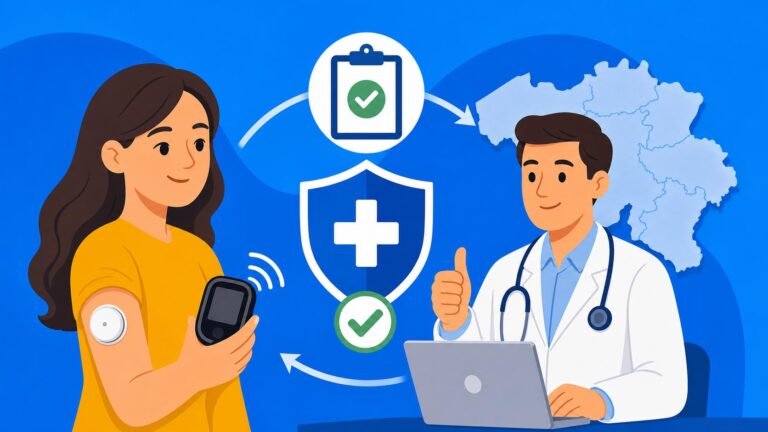
One of the most critical steps in managing a chronic condition is opening a Dossier Médical Global (GMD). This is a digital file managed by your General Practitioner (GP) that centralizes all your medical data, from specialist reports to lab results. Without a GMD, you will actually pay more for every doctor visit.
When your GP manages your GMD, the reimbursement rate for your consultations increases significantly. You can find more details in The Global Medical Record (DMG/GMD): Why You Need It for Better Refunds guide. For a diabetic or asthmatic patient, having a GP who coordinates with your endocrinologist or pulmonologist via the GMD ensures that your medication interactions are monitored and that you don't have to repeat your entire medical history every time you see a new specialist.
Accessing Your Medical History Online
Belgium has moved aggressively toward digital health. Through the portal MyHealth.belgium.be, you can see your prescriptions, vaccination history, and summaries of hospital visits. This is incredibly helpful when you are seeing a new specialist and can't remember the exact dosage of a medication you took three years ago. If you want to know how to navigate this portal, check out the MyHealth.belgium.be Guide: Accessing Your Medical Records Online for a step-by-step walkthrough. This digital transparency helps reduce the "expat medical amnesia" that often happens when moving across borders.
Living with Diabetes in Belgium: From Type 1 to Type 2
Diabetes care in Belgium is highly structured, often involving a "Care Trajectory" (trajet de soins) or a "Diabetes Pass" (passeport du diabète). These systems are designed to provide multidisciplinary support, including access to dietitians and podiatrists, at subsidized rates.
Finding an Endocrinologist and the Diabetes Pass
If you have Type 1 or Type 2 diabetes, your first stop after finding a GP is securing an endocrinologist. Unlike some countries where you might wait six months for a specialist, the Belgian system is generally faster, though you should still prepare for some delay. Read our advice on Dealing with Long Wait Times for Specialist Appointments in Belgium to learn how to speed up the process.
The "Diabetes Pass" is a physical or digital document that your GP and specialist use to coordinate your care. It grants you access to two reimbursed sessions per year with a dietitian and two with a podiatrist. For an expat, this multidisciplinary approach is a godsend because it forces you to build a local support network rather than just refilling prescriptions in a vacuum.
Accessing Continuous Glucose Monitors and Insulin
The reimbursement for Continuous Glucose Monitors (CGM) like FreeStyle Libre or Dexcom is generally excellent in Belgium, but it is often tied to "Diabetes Conventions" at specific hospitals. This means you might need to be registered with a hospital-based diabetes center to get the highest level of reimbursement for your sensors and pumps.
Insulin and other life-saving medications are dispensed at pharmacies, but you must have a valid Belgian prescription. The Pharmacies and Medication in Belgium: Prescriptions and OTC Rules guide explains how the "tiers payant" system works at the pharmacy, where you often only pay your small out-of-pocket share while the Mutuelle pays the pharmacist directly for the rest. For supplements and non-prescription wellness items that support your metabolic health, many expats use iHerb to find specific brands from back home that might not be on Belgian shelves.
Dietary Support and Nutritional Counseling
Finding the right food in a land of waffles and chocolate can be a challenge for any diabetic. Belgian dietitians (diététiciens) are highly trained and often specialized in carb counting and glycemic index management. Under the care trajectories mentioned earlier, these sessions are often partially reimbursed.
I found that visiting a local dietitian helped me decode Belgian food labels, which can be confusing if you are used to different nutritional formatting. They can also recommend local supermarket chains like Delhaize or Colruyt that carry specific diabetic-friendly ranges. Brands like Cigna Global often provide international coverage that includes wellness coaching, which can be a great supplement to your local Belgian medical team.
Managing Asthma and Respiratory Issues in a Humid Climate
Belgium’s climate is famously damp. While the "grey sky" is a common expat complaint, the high humidity and older building stock can be a nightmare for asthmatics. Mold and dust mites thrive in the temperate, moist air of many Brussels apartments.
Dealing with Belgian Humidity and Old Housing
If you are moving into a charming "maison de maître" with high ceilings and original windows, be aware that these beautiful buildings often lack modern ventilation. For an asthmatic, this can lead to a significant increase in symptoms. It is vital to monitor the humidity levels in your home; keeping it between 40% and 50% is the goal.
Many expats find that purchasing high-quality air purifiers or dehumidifiers is a necessary investment. You can find many of these specialized wellness products on iHerb, which ships relatively quickly to Belgium. Additionally, always check the EPC (Energy Performance Certificate) of a rental property, as poor insulation often correlates with dampness issues that could trigger respiratory distress.
Accessing Pulmonologists and Allergy Testing
When your asthma flares up, you need a pulmonologist (pneumologue). In Belgium, you can technically book a specialist directly, but it is always better to get a referral from your GP to ensure your Understanding the 75% Reimbursement System for Medical Consultations stays in effect. Pulmonologists in Belgium are very thorough with allergy testing (prick tests and blood tests) to identify local triggers like European birch pollen or specific house molds.
If you are living in a major city, you will likely want a doctor who can explain these triggers in English. I recommend reading Finding English-Speaking Doctors in Brussels, Antwerp, and Ghent to find a practitioner who understands the nuances of your medical history without a language barrier getting in the way.
Medication: Inhalers, Nebulizers, and Prescriptions
Standard asthma medications like Ventolin (Salbutamol) and various corticosteroid preventers are widely available. However, they are strictly prescription-only. You cannot simply walk into a pharmacy and buy an inhaler because you forgot yours at home. This is where the Emergency Medical Care in Belgium: 112, Hospitals, and Pharmacies guide becomes essential knowledge for any chronic sufferer.
If you require a nebulizer, your Mutuelle may provide a rental or a partial reimbursement for the purchase of the machine, provided you have a specialist's prescription. Always keep a digital copy of your "Recette" (prescription) on your phone via the MyHealth portal, so if you lose your inhaler while traveling to the Ardennes or the coast, a local pharmacist can verify your needs more easily.
Financial Considerations and Reimbursements for Chronic Care
The cost of managing a chronic condition in Belgium is generally low compared to the US, but higher than in the UK or Scandinavia due to the co-payment system. Understanding how to cap these costs is the difference between a balanced budget and a financial headache.
The Tiers-Payant System and Out-of-Pocket Caps
For most doctor visits, you pay the full amount (often around €30-€60) and receive a refund of about 75% back into your bank account a few days later. However, for chronic patients, many doctors use the "Tiers-Payant" system, where you only pay the €4 to €12 co-pay.
Belgium also has a "Maximum Billing" (Maximum à Facturer or MAF) system. This is a safety net that caps the total amount of co-payments a household pays in a calendar year. Once you hit your limit (which is based on your income), the Mutuelle covers 100% of your medical co-pays for the rest of the year. This is a massive relief for families managing both diabetes and asthma simultaneously.
Supplementary Insurance for Specialized Care
While the public Mutuelle is excellent, it doesn't cover everything. For instance, high-end insulin pumps or certain brand-name inhalers might have higher out-of-pocket costs. This is where a policy from Cigna Global can be invaluable, as it often covers the "extra" costs that the Belgian state system deems non-essential.
| Service/Item | Public Mutuelle Coverage | Supplementary Insurance (e.g., Cigna) |
|---|---|---|
| GP Consultations | ~75% (with GMD) | Often covers the remaining 25% |
| Insulin | Substantial (Cat. A) | Covers specialized brands/pumps |
| Asthma Inhalers | Partially Reimbursed | Covers non-generic alternatives |
| Diabetes Podiatry | 2 sessions/year (with Pass) | May offer unlimited sessions |
| Hospital Stays | Shared room covered | Private room & extra fees covered |
Budgeting for Monthly Maintenance
When planning your life in Belgium, factor in around €50-€100 per month for "uncovered" medical expenses if you have a complex chronic condition. This includes things like specialized skin creams for diabetic foot care, vitamins, and the occasional non-reimbursed specialist fee. Using sites like iHerb for your routine wellness supplies can help keep these costs down, as they often offer bulk discounts that local Belgian "Para-pharmacies" cannot match.
Practical Resources for Expats in Belgium
Living with a chronic illness is as much about community and lifestyle as it is about medicine. Belgium has a robust network of patient associations that can provide support in English and help you feel less isolated.
English-Speaking Doctors and Multilingual Clinics
If you are feeling overwhelmed, start with a multidisciplinary clinic. Places like the Brussels Medical Center or the CHU St-Pierre often have teams used to dealing with international patients. You can find more focused info in the Finding Medical Care in Belgium: GPs, Specialists, and Hospitals guide. Having a doctor who understands that "high blood sugar" and "hyperglycemia" are the same thing in your native tongue removes a layer of stress you don't need.
Digital Tools for Tracking Health Data
In addition to the government's MyHealth portal, many Belgian doctors recommend using apps like Rosa or Doctena to book appointments and track your follow-up schedule. These apps often allow you to filter for "English speaking" and "Specialist in Diabetes." For your day-to-day management, ensure your CGM or inhaler-tracking apps are set to the European region in your app store to ensure compatibility with local pharmacy sensors or Bluetooth-enabled medical devices.
Lifestyle and Support Groups
Don't underestimate the power of local patient groups like the "Association Belge du Diabète" (ABD) or "Astma- en Allergiekoepel." While their primary languages are French and Dutch, many members and staff speak excellent English and can help you find "conventioned" doctors who charge the official state rates, preventing you from being overcharged by "non-conventioned" private specialists.
Healthcare Budgeting: Copays, DMG/GMD, and Reimbursements
To wrap up your health strategy, you need to look at your overall Healthcare Budgeting: Copays, DMG/GMD, and Reimbursements plan. For chronic care, consistency is key. Ensure your Mutuelle contributions are always up to date (usually via your employer's social security deductions, but check if you are a freelancer).
By combining the public system’s safety nets—like the GMD and the Maximum Billing cap—with the specialized support of global insurers like Cigna Global and the wellness resources from iHerb, you can manage your diabetes or asthma with total confidence. Belgium’s system is complex, but once you are "in," the level of care is world-class.
Disclaimer
This article is for informational purposes only and does not constitute professional medical or financial advice. Healthcare laws and reimbursement rates in Belgium are subject to frequent changes. Always consult with a qualified medical professional and your Mutuelle provider regarding your specific health condition and insurance coverage.