How to Use MyHealth.belgium.be to Check Your Vaccination History
Tracking down your old vaccination records in a foreign country can feel like searching for a needle in a haystack of bureaucracy. When I first moved here, I spent weeks looking for a yellow paper booklet that had seemingly vanished during my flight to Brussels. This guide solves that headache by showing you exactly how to use the MyHealth.belgium.be portal to access your digital records instantly.
Understanding the Belgian eHealth Ecosystem
The first time you hear about MyHealth.belgium.be, it might sound like just another government website, but it is actually the central nervous system for your medical life in Belgium. This portal is part of a broader "eHealth" initiative designed to consolidate your data from various regional "vaults" or databases. In Belgium, healthcare is partially regionalized, meaning your data might live in the Flemish vault (Vitalink), the Walloon vault (Intermed), or the Brussels vault (Abrumet). MyHealth acts as the bridge that brings all this information into one interface for you to view.
When you log into this system, you aren't just looking at a list of shots; you are accessing the same data that your General Practitioner (GP) sees. This level of transparency is incredibly empowering for expats who are used to being left in the dark about their medical history. If you are still in the process of Registering for Public Health Insurance: Step-by-Step at Your Commune, getting familiar with this portal should be high on your priority list, as it will become your go-to resource for everything from prescriptions to lab results.
The beauty of the system is that it reduces the need for physical paperwork. While some of us still hold onto our childhood vaccination cards with a sense of nostalgia, the Belgian system is moving rapidly toward a paperless future. This is particularly helpful when you are applying for specific jobs or schooling where proof of immunity is a hard requirement. For those who maintain international coverage through providers like Cigna Global, having a digital, official record that can be shared with foreign doctors is a significant logistical advantage.
Accessing the Portal with Itsme and Your eID
Before you can see a single data point, you have to prove you are who you say you are. This is where many newcomers hit a wall. To log in to MyHealth.belgium.be, you need a digital identity. The standard way is using your Belgian eID card and a card reader, which requires installing specific software on your computer. I remember the frustration of my card reader failing right when I needed to check a medical result; it is a rite of passage for every expat.
The modern solution that I highly recommend is "Itsme." This app is the gold standard for digital security in Belgium. Once you have your eID and a Belgian phone number, you can link them to the Itsme app. This allows you to log into almost every government portal, including your bank and MyHealth, with just a fingerprint or a pin code. It bypasses the need for the clunky card reader and makes checking your health records as easy as checking your email.
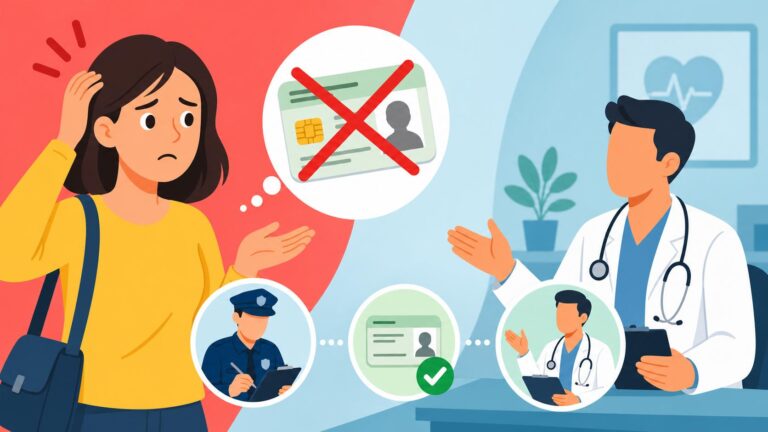
If you are currently Accessing Belgian Healthcare Without an eID: Temporary Certificates, you might find that your access to the portal is limited. The system relies heavily on your national registry number (the one on the back of your residence card). Without this number being fully "active" in the eHealth system, the portal may not be able to pull your data from the regional vaults. In these cases, your best bet is to visit your doctor and ensure they have linked your temporary ID to your medical file manually.
| Access Method | Requirements | Best For |
|---|---|---|
| eID Card Reader | Physical eID, Card Reader, PC/Mac | Initial setup and high-security changes |
| Itsme App | Physical eID (for setup), Smartphone | Daily use, quick checks, and mobile access |
| Security Codes | Paper list of codes from the commune | Backup if your phone or reader fails |
| Federal Token | Username and Password (old system) | Users without smartphones or eID readers |
Navigating to the My Vaccinations Section
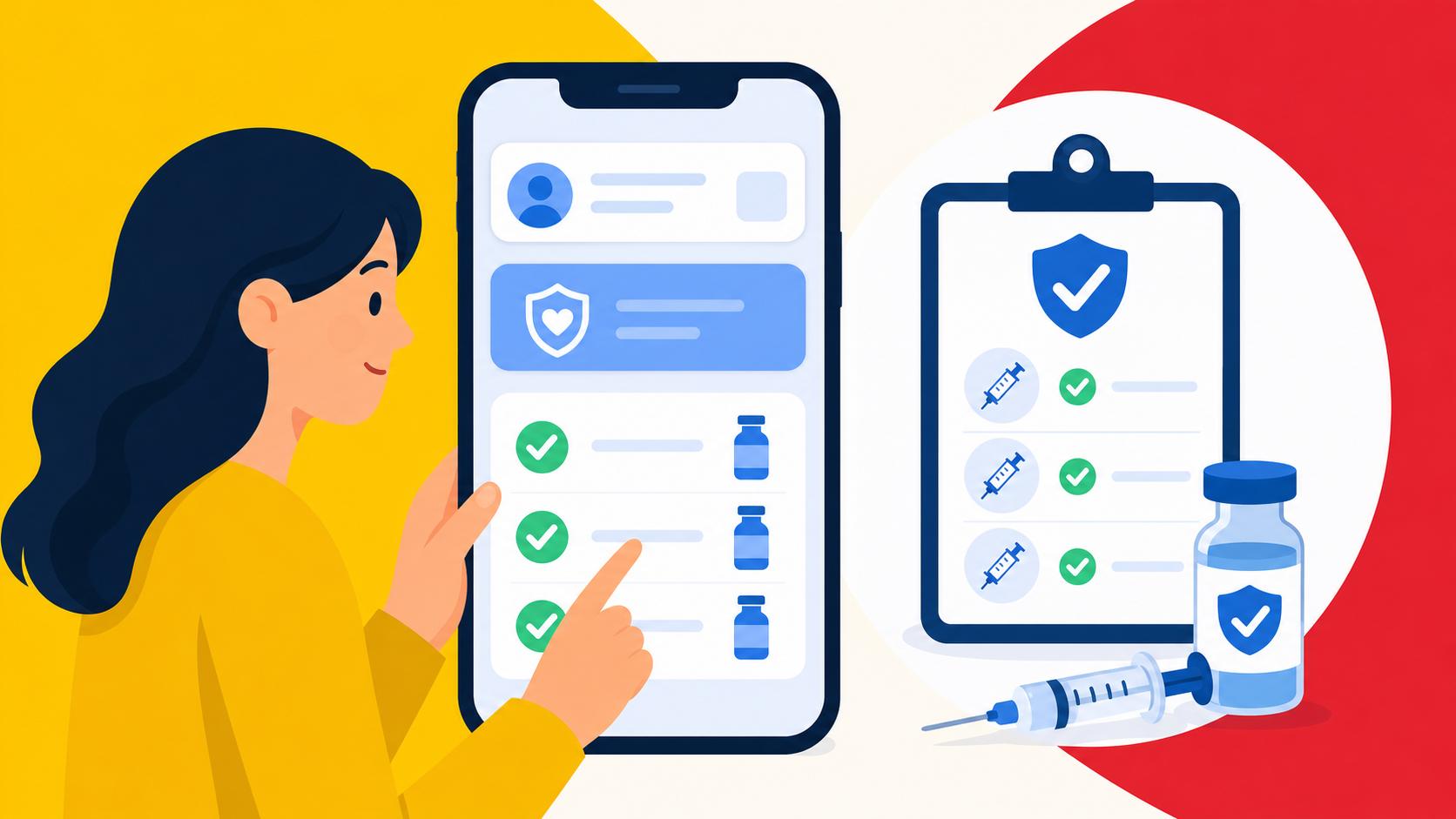
Once you have successfully logged in, the interface can be a bit overwhelming. The MyHealth portal (also known as MaSanté or MijnGezondheid depending on your language settings) covers everything from organ donation preferences to COVID-19 history. To find your vaccines, look for the section titled "My Vaccinations" or "Mijn Vaccinaties." This section aggregates data from the regional vaults I mentioned earlier.
When you click through, you will see a list organized by date and the type of vaccine administered. It is important to realize that for many expats, this list might look suspiciously empty at first. This is because the system only automatically records vaccinations administered by Belgian healthcare professionals who use the electronic registration system. If you received a flu shot at a local pharmacy or a travel vaccine at a specialized clinic, it should appear here, provided the practitioner logged it.
For families, this tool is indispensable. You can often switch profiles to view your children’s records, which is a lifesaver when dealing with School Medical Exams in Belgium: Requirements and Records. If your child was born in Belgium, their entire history from the Kind en Gezin or ONE clinics should be visible here. If you find that the records are incomplete, don't panic. It usually means the data hasn't been "pushed" to the central portal yet, or it was recorded under a different identification format before you received your final eID.
Bridging the Gap with Your General Practitioner
What happens if your history from your home country isn't showing up? This is the most common complaint among the expat community. The MyHealth portal doesn't have a magic "upload" button for users to add their own historical data. To get your foreign records into the Belgian system, you need to work with a local doctor. This is one of the many reasons why Choosing Your First GP (General Practitioner) in Belgium is so critical to your integration.
You should take your physical records from home—whether they are in English, French, or even your native language—to your GP. They have the administrative access to enter these "historical" vaccinations into the regional vault. Once the GP enters them, they will magically appear on your MyHealth portal after a short syncing period. This ensures that when you see a specialist or go to the hospital, every professional in the Belgian network knows your immunization status.
While you are at the doctor's office, make sure to ask about The Global Medical Record (DMG/GMD): Why You Need It for Better Refunds. By opening a GMD, you designate that specific GP as the keeper of your medical history. This not only lowers your out-of-pocket costs for consultations but also ensures that there is a single point of truth for your vaccination data. I found that once my GMD was active, my MyHealth portal became much more accurate and reflected my full medical history rather than just bits and pieces.
Handling Incomplete Data and Missing Records
It is a frustrating reality that sometimes data gets lost in the digital shuffle. You might see a record for a tetanus shot but notice your hepatitis vaccines are missing. This often happens if you have moved between regions—for example, moving from Antwerp to Brussels. Since the vaults are regional, there can sometimes be a delay or a technical "hiccup" in how the central MyHealth portal pulls the data.
If you notice discrepancies, the first step is to check which regional vault your data is being pulled from. On the portal, there is usually a small icon or text indicating the source (Vitalink, Intermed, or Abrumet). If you have lived in Flanders, you can also log directly into the Vitalink-based "My Citizen Profile" (Mijn Burgerprofiel) to see if the data exists there but isn't showing up on the national portal. For those in the capital, Brussels Healthcare Guide for Expats: Clinics, Hospitals, and Care provides more localized resources for troubleshooting these data gaps.
In cases where you absolutely cannot find a record of a mandatory vaccine, such as the one required by Vaccinating Babies in Belgium: The Compulsory Polio Vaccine Law, you should contact the clinic where the shot was administered. They are legally required to keep records, and they can re-upload the data to the eHealth system. For older vaccinations where records truly don't exist, your GP might suggest a blood test (titer test) to check for antibodies, which can then be used to "certify" your immunity within the system.
Practical Scenarios and Daily Health Management
Beyond just checking your history, MyHealth.belgium.be is a tool for future planning. If you are a frequent traveler, you can see when your boosters are due. Many expats forget that vaccines like Tetanus or Pertussis require boosters every ten years. The portal acts as a digital nudge. If you’re a fan of health optimization and frequently order supplements or wellness products from places like iHerb to manage your Vitamin D levels during the grey Belgian winters, having your clinical vaccination data in the same "mental bucket" helps you maintain a holistic view of your health.
Another scenario where the portal shines is during a job change. Certain sectors in Belgium, like healthcare, education, or heavy industry, require a medical clearance. Instead of having to undergo new blood tests or repeat vaccinations, you can simply show your occupational health doctor your MyHealth record. This saves time and avoids unnecessary medical procedures. If you are struggling to find a doctor who can help you interpret these records in your native tongue, check out my guide on Finding English-Speaking Doctors in Brussels, Antwerp, and Ghent.
Finally, remember that the portal is also the place where you can see your "summarized medical file" (Sumehr). This is a document prepared by your GP that contains your allergies, current medications, and major health issues. In an emergency, this is the document a hospital will look at. Ensuring your vaccinations are correctly listed within this Sumehr is a vital step in your personal safety while living abroad.
Disclaimer
The information provided in this guide is for informational purposes only and does not constitute legal or medical advice. Healthcare regulations and digital portal interfaces in Belgium are subject to change. Always consult with a qualified medical professional or the official Belgian eHealth authorities for specific medical concerns or technical issues regarding your personal data.