Medical Costs for Undocumented Migrants or Asylum Seekers
Navigating the Belgian medical system is a daunting task even for those with a stack of residency documents and a high-paying job. For people living without legal residency or those currently in the middle of a long asylum application, the fear of a medical bill can be more paralyzing than the illness itself. I once spent an entire afternoon at a local commune office helping a neighbor understand why their medical request was denied, and it's a frustration I wouldn't wish on anyone. This guide serves to clarify how medical costs are handled for undocumented migrants and asylum seekers in Belgium, ensuring you know exactly where to turn when health issues arise.
The Legal Framework for Medical Assistance in Belgium
Belgium operates on the fundamental principle that healthcare is a human right, regardless of an individual's administrative status. However, "access" and "payment" are two very different things in the eyes of the Belgian bureaucracy. For those without a residency permit, the primary mechanism for receiving care is known as Urgent Medical Aid (Aide Médicale Urgente or AMU). Despite the name, this does not only apply to life-or-death emergencies. It covers both preventive and curative care, provided it is deemed necessary by a physician.
For asylum seekers, the situation is handled differently. While your application is being processed, you are generally under the care of Fedasil, the federal agency for the reception of asylum seekers. They essentially act as your "mutuelle" during this transition period. While most expats are busy figuring out the Healthcare in Belgium for Expats: Complete System Overview (2027), asylum seekers and undocumented residents must navigate a parallel system that relies heavily on social social welfare centers.
It is important to realize that while the system is designed to be inclusive, it is also highly decentralized. Whether you are in Brussels, Flanders, or Wallonia, the specific office you visit—the CPAS (Centre Public d’Action Sociale) in French or OCMW (Openbaar Centrum voor Maatschappelijk Welzijn) in Dutch—will be your primary gateway to having your medical costs covered. Without their prior approval, a trip to a specialist could result in a bill that follows you for years.
Accessing Care via the CPAS and OCMW
The CPAS/OCMW is the cornerstone of the Belgian social safety net. If you are undocumented and require medical treatment, you must visit the office in the commune where you are currently living. This is often where the first hurdle appears. Many people are afraid that visiting a government office will lead to deportation, but by law, the CPAS is bound by professional secrecy. Their job is to assess your financial and medical needs, not to act as immigration enforcement.
When you apply for medical assistance, a social worker will conduct a "social inquiry." They need to verify two things: that you are indeed living in that commune and that you lack the financial means to pay for your own care. This process can feel intrusive, but it is the standard procedure for CPAS/OCMW Medical Aid: Healthcare for Those in Financial Need. Once they confirm your situation, they can issue a document that allows you to see a doctor without paying the full cost upfront.
In many cases, the CPAS will issue a specific "Medical Card" or a series of requisition forms. These documents tell the doctor or the hospital that the CPAS will handle the billing directly. For those who eventually transition into legal residency, they might start looking into private options like Cigna Global to cover gaps, but while undocumented, the CPAS is the only viable path for significant cost coverage. It is vital to get this approval before your appointment unless it is a life-threatening situation.
Medical Coverage for Asylum Seekers under Fedasil
If you have officially filed for asylum, your medical costs are generally covered by Fedasil. If you are staying in a collective reception center, there is usually a medical post on-site with nurses and visiting doctors. If the on-site team cannot treat you, they will refer you to an outside hospital or specialist. In this scenario, Fedasil pays the medical provider directly, and you should not have to pay anything out of pocket for necessary treatments.
For asylum seekers living in "individual" housing (like a private apartment or a local reception initiative), the process is slightly different. You will typically need to request a "medical requisition" from Fedasil before going to the doctor. This paper is your guarantee that the state will cover the costs. If you find yourself needing Emergency Medical Care in Belgium: 112, Hospitals, and Pharmacies, you should present your asylum seeker documents immediately upon arrival so the hospital knows who to bill.
The scope of care for asylum seekers is quite broad but strictly regulated. It includes everything from basic consultations to complex surgeries, provided they are not considered purely "aesthetic." Mental health support is also a significant part of this coverage, as many seeking asylum have experienced significant trauma. Navigating Mental Health in Belgium: Therapy, Psychiatry, and Expat Support is often a priority for those in the reception system, and Fedasil typically covers these sessions if they are arranged through the proper channels.
Comparison of Medical Access by Status
To help you understand the differences in how costs are managed, I’ve put together a table comparing the two primary groups covered in this guide.
| Feature | Undocumented Migrants (AMU) | Asylum Seekers (Fedasil) |
|---|---|---|
| Primary Payer | Local CPAS / OCMW | Fedasil (Federal Agency) |
| Requirement for Care | Doctor's certificate of "Urgent Need" | Medical requisition or center referral |
| Scope of Coverage | Preventive & Curative (Medical) | Full medical, dental, and psychiatric |
| Pharmacy Costs | Usually covered via CPAS requisition | Covered for "reimbursable" medicines |
| Freedom of Choice | Often restricted to specific doctors | Usually restricted to center or referrals |
| Administrative Gateway | Local Commune Office | Reception Center or Fedasil HQ |
Managing Pharmacy Costs and Medications
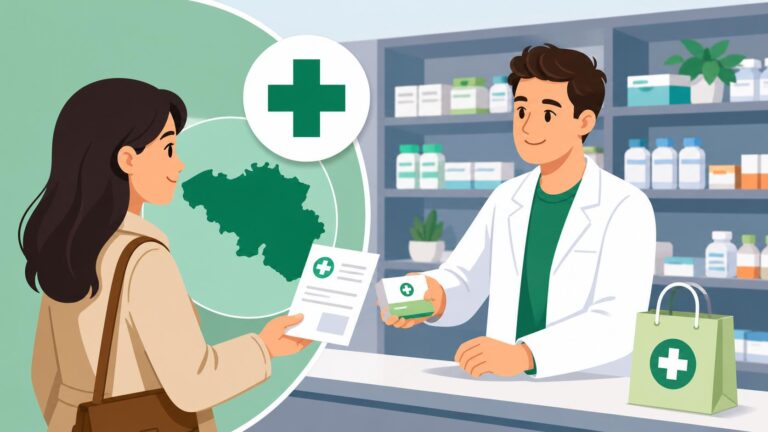
Getting a prescription is only half the battle; paying for it is the other. In Belgium, pharmacies are highly regulated, and the price of medicine is the same everywhere. However, the "reimbursement" part is what matters for those with limited funds. For undocumented individuals, the CPAS requisition form often includes a section for the pharmacy. When you take your prescription and the CPAS form to the chemist, they will give you the medicine and bill the CPAS directly.
For minor ailments like a common cold or a headache, many people find it easier to manage on their own rather than navigating the bureaucracy for a single pack of paracetamol. This is where online resources like iHerb can be useful for affordable vitamins and supplements that support general health, especially when the Belgian winter sets in. However, for chronic conditions like diabetes or high blood pressure, you must go through the official system to ensure you have a consistent supply of life-saving medication.
Understanding Pharmacies and Medication in Belgium: Prescriptions and OTC Rules is crucial because Belgian pharmacists are very strict. You cannot get antibiotics or most specialized drugs without a valid Belgian prescription. If you are an asylum seeker, always ensure your medical requisition covers the cost of the specific "category" of medicine your doctor has prescribed, as some "luxury" or non-essential drugs might not be fully covered.
Rights and Protections in Hospitals
One of the most stressful experiences is needing a hospital stay while your status is uncertain. In Belgium, a hospital cannot refuse to treat a patient in an emergency. If you are admitted through the emergency room, the hospital's social service department will usually step in to help you sort out the billing. They are very experienced in dealing with the CPAS and Fedasil.
If you feel you have been treated unfairly or that your rights have been ignored due to your status, there are organizations that can help. Dealing with Medical Negligence or Complaints in Belgium is a process open to everyone, regardless of their ID card. Hospitals in major cities like Brussels, Antwerp, and Liège often have specialized staff who speak multiple languages and can help bridge the gap between the medical team and the patient.
It is also worth noting that for those who are in Belgium on a temporary basis but do not yet have a "mutuelle," having a plan from a provider like Cigna Global can be a liferver if they are not eligible for AMU. However, for the truly undocumented, the hospital's internal social worker is your best advocate. They can often expedite the AMU application with the CPAS to ensure the hospital bill—which can easily reach thousands of Euros for a two-night stay—is covered by the state.
Practical Steps for Getting Help
If you or someone you know is in this position, do not wait until a health crisis occurs. Here is a step-by-step approach to securing medical support:
- Find a Local NGO: Organizations like Médecins du Monde (Dokters van de Wereld) run clinics specifically for people without papers. They can provide initial consultations and help you navigate the CPAS application.
- Visit your local CPAS/OCMW: Go to the office in your commune. Tell them you need "Aide Médicale Urgente."
- Consult a GP: Find a doctor who is willing to work with the CPAS system. You can use resources for Finding Medical Care in Belgium: GPs, Specialists, and Hospitals to locate providers, though you should always call ahead to confirm they accept CPAS requisitions.
- Keep All Paperwork: Every "attestation," every prescription, and every letter from the commune is vital. Belgian bureaucracy lives and breathes paper.
In the first few weeks of being in the country, it's wise to have a Medical Emergency Checklist for Your First 30 Days in Belgium ready. Knowing the numbers for the ambulance (112) and the location of the nearest public hospital can save precious time. While you are waiting for your status to be clarified, focusing on self-care with basic health products from iHerb can help maintain your immune system, but never let the fear of costs prevent you from seeking professional help for serious symptoms.
Future Transitions: From AMU to Private Insurance
The goal for many is to eventually move from the "Urgent Medical Aid" system into the standard Belgian "mutuelle" system. This happens once you receive a residency permit or a work permit. At that stage, you will be required to join a public health insurance fund. For some expats, especially those in high-risk categories or those who want private rooms in hospitals, adding a layer of international protection like Cigna Global becomes a popular choice.
But until that day comes, remember that the Belgian system is designed to catch you before you fall too far. It is complex, and the social workers at the CPAS are often overworked, but the legal right to health remains. Stay persistent, seek out the help of local advocacy groups, and do not let administrative hurdles stand in the way of your physical well-being.
Disclaimer
This guide is for informational purposes only and does not constitute legal or medical advice. The rules regarding immigration and social social assistance in Belgium are subject to change. Always consult with a qualified legal professional or a social worker at your local CPAS/OCMW for the most current information regarding your specific situation.