Dealing with Medical Negligence or Complaints in Belgium
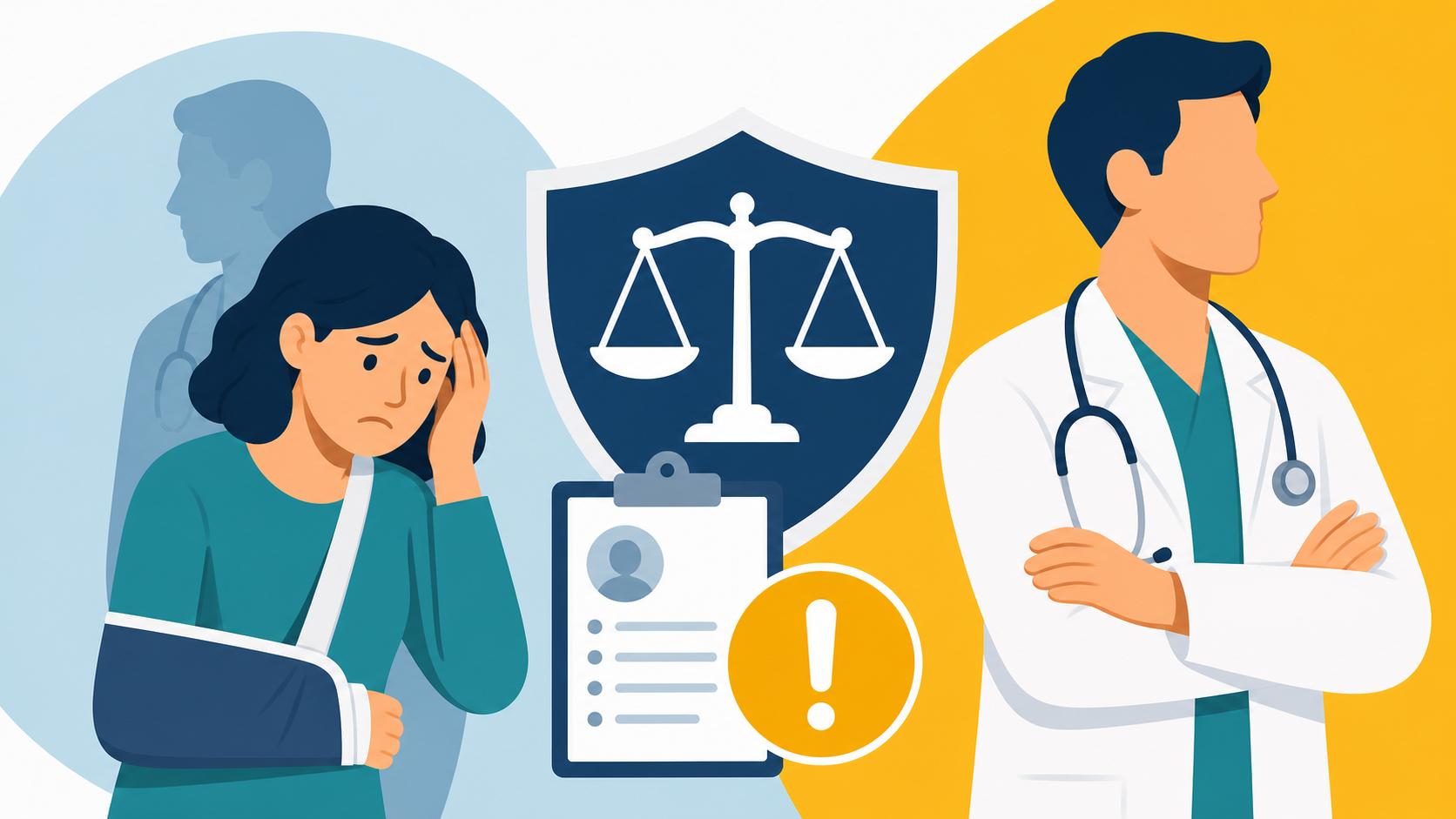
Discovering that a medical procedure went wrong or realizing your doctor made a significant error is a terrifying experience that leaves you feeling incredibly vulnerable in a foreign country. I remember sitting in a cold waiting room in Ixelles, clutching a misdiagnosis report and feeling completely silenced by the language barrier and the complex hierarchy of the Belgian medical world. This guide provides a clear, step-by-step roadmap to navigating the Belgian system for medical complaints, from local hospital mediation to filing for federal compensation, ensuring your voice is heard and your rights are protected.
Understanding Your Rights Under the Patient Rights Act
In Belgium, your relationship with a healthcare provider is governed by the Law of 22 August 2002 on Patient Rights. This isn't just a piece of dusty legislation; it is your primary shield. It guarantees you the right to quality care, the right to give informed consent, and, crucially, the right to a transparent medical file. When something goes wrong, the first hurdle many expats face is a feeling of intimidation. You might feel that because the Belgian healthcare system is generally excellent, questioning a specialist is seen as rude or unnecessary. I’ve been there, nodding along to a specialist because I didn't want to be the difficult foreigner, but when medical negligence is on the table, being "polite" is the last thing you should worry about.
The first step is always to request a copy of your medical records. Under Belgian law, you have the right to access your file and even request a copy of it. If you have been proactive, you should already have a The Global Medical Record (DMG/GMD): Why You Need It for Better Refunds established with your GP, which acts as a central repository for your health history. If the negligence occurred in a hospital, you must write to the hospital's medical director or the specific department head to request your records. Do not accept a verbal summary; you need the raw data, the imaging, and the physician's notes. Having these documents is essential before you even think about filing a formal complaint, as it provides the evidence needed to prove that the standard of care was not met.
If you are currently recovering from a procedure that didn't go as planned and are feeling the physical toll of stress, you might find that certain wellness products or supplements can support your recovery process. Many expats use iHerb to source specific vitamins or minerals that might not be as readily available in the local apotheek, helping to manage the inflammatory response of the body during a stressful medical dispute. However, always consult a trusted, independent GP before adding anything to your regimen, especially if you are currently under treatment for a medical error.
The Role of the Hospital Mediation Service
Almost every hospital in Belgium is required to have a dedicated mediation service, known in French as the Service de médiation and in Dutch as the Ombudsdienst. This is often the most effective and fastest way to resolve a dispute without going to court. The mediator is meant to be an independent third party who listens to your grievance and attempts to find a middle ground between you and the healthcare provider. For instance, if a surgeon in a Brussels Healthcare Guide for Expats: Clinics, Hospitals, and Care facility failed to explain the risks of a procedure, the mediator can facilitate a meeting where you receive the apologies and explanations you deserve.
When you contact the mediator, be as specific as possible. Instead of saying "the doctor was bad," say "the doctor failed to provide a follow-up plan after my discharge on June 4th, which led to an infection." The mediator’s goal is to restore communication. They cannot award massive financial damages like a judge can, but they can often negotiate a waiver of certain medical bills or arrange for a corrective procedure with a different specialist at no extra cost. This process is free of charge and confidential, making it a low-risk first step.
If you find that the hospital’s internal mediation is biased or unhelpful, you can escalate the matter to the Federal Mediation Service for Patient Rights. This body handles complaints that haven't been resolved locally or cases involving private practitioners who don't have a hospital affiliation. While you navigate this, having a robust insurance policy like Cigna Global can be a lifesaver. Some premium expat health plans offer legal assistance or second-opinion services that can help you verify if negligence actually occurred before you spend months in mediation. Knowing you have an international team backing your health decisions provides a massive boost to your confidence when facing a large Belgian hospital board.
The Fund for Medical Accidents (FAM/FMA)
One of the most unique aspects of the Belgian system is the Fonds des accidents médicaux (FAM) or Fonds voor de medische ongevallen (FMO). This is a public body designed to compensate victims of medical accidents without necessarily having to prove "fault" in a court of law. This is a game-changer for expats because proving medical negligence in a traditional court can take years and cost a fortune in expert fees. The Fund examines cases where there is a "medical accident without liability"—meaning something went wrong that wasn't necessarily a doctor's mistake, but still resulted in significant damage—as well as cases where there was a clear fault.
To qualify for a compensation analysis from the Fund, the damage must meet a certain threshold of severity. Generally, this means a permanent disability of at least 25%, a serious disruption to your life for at least six months, or if the accident resulted in death. The process starts by filling out a formal application form on their website. They will then appoint an expert to review your medical file. This expert's role is to determine the link between the medical act and the injury you suffered. It is a slow process—often taking one to two years—but it is significantly less adversarial than a lawsuit.
| Feature | Hospital Mediation | Fund for Medical Accidents | Civil Court Lawsuit |
|---|---|---|---|
| Cost | Free | Free (Expertise is covered) | High (Legal & expert fees) |
| Goal | Communication & apology | Financial compensation | Financial damages & liability |
| Speed | Fast (Weeks/Months) | Slow (1-2 years) | Very Slow (3-5+ years) |
| Requirement | Any patient right violation | Severe damage threshold | Proof of fault and damage |
| Legal Binding | Not binding unless signed | Binding if accepted | Legally binding judgment |
During this long waiting period, keeping your health on track is vital. Using high-quality supplements from iHerb can assist in managing the chronic fatigue or nutritional deficiencies that sometimes follow a botched surgery or a prolonged illness caused by neglect. It’s about taking control of what you can while the bureaucracy grinds through your paperwork.
Pursuing Legal Action and Finding Support
If the mediation fails and the Fund for Medical Accidents determines your case doesn't meet their severity threshold, your final option is to take the matter to a civil or criminal court. This is a path you should only take with a specialized medical lawyer. In Belgium, the burden of proof is on the patient to show three things: that the doctor committed a fault (did not act as a "normally prudent and competent doctor" would), that you suffered actual damage, and that there is a direct causal link between the fault and the damage.
Before hiring a private lawyer, check with your Mutuelle. Many expats don't realize that their Mutuelle and Ziekenfonds: Public Health Insurance Registration Guide often includes a legal defense module. While it might not cover the full cost of a complex trial, they can provide initial legal advice and sometimes cover the costs of a medical expert to review your file. If you have chosen to supplement your coverage with Cigna Global, check your policy for "Legal Expenses" coverage, which is specifically designed to help expats navigate foreign legal systems when medical disputes arise.
It is also worth noting that you can file a disciplinary complaint with the Ordre des Médecins (Order of Physicians). This won't get you money, but it can lead to sanctions against the doctor, such as a suspension of their license. This is often more about seeking justice and preventing the same thing from happening to another expat. If your case involves a serious language misunderstanding that led to a prescription error, you might want to look into Finding Medical Care in Belgium: GPs, Specialists, and Hospitals to find a practitioner who speaks your native language for your future care, reducing the risk of further communication-based negligence.
For many, the hardest part of dealing with negligence is the isolation. I found that joining local support groups in major cities helped immensely. Whether you are following a Ghent Healthcare for Expats: Finding Clinics and Translation Support guide or looking for help in Antwerp, there are communities of people who have navigated these exact hurdles. They can recommend lawyers who are "expat-friendly" and understand the specific nuances of the Belgian legal system.
Practical Steps to Take Immediately
When you suspect negligence, your emotions will be running high. However, the Belgian system rewards documentation and calm, methodical action. Start a "negligence diary." Document every conversation, every symptom, and every missed appointment. If a nurse says something offhand like "we've been having trouble with this machine lately," write it down immediately with the date and time. These "small" details often become the smoking guns in a mediation session or a Fund investigation.
- Request your full medical file: Use your right under the 2002 Patient Rights Act.
- Consult an independent GP: Ask for a second opinion on your current state. You can use resources for Choosing Your First GP (General Practitioner) in Belgium to find someone objective.
- Contact the local Ombudsman: Initiate a free mediation process at the hospital.
- Notify your insurance providers: Alert both your public mutuelle and any private providers like Cigna Global about the potential dispute.
- Gather physical evidence: Keep original prescriptions, packaging for medications, and discharge summaries. If you purchased recovery aids through iHerb, keep those records as well to show the steps you took to mitigate the damage.
Navigating a medical complaint in Belgium is a marathon, not a sprint. The system is designed to be fair, but it is also heavy with procedure. By understanding the distinction between mediation, the Fund for Medical Accidents, and the courts, you can choose the path that best suits your goals—whether that is a simple apology, the covering of medical costs, or a full legal judgment. Remember that you are not just a guest in the country; as a resident paying into the social security system, you have the absolute right to safe, professional, and transparent healthcare.
If the situation is urgent and you are worried about your immediate safety following a medical error, do not wait for a mediator. Seek Emergency Medical Care in Belgium: 112, Hospitals, and Pharmacies at a different hospital system to ensure you are stabilized before beginning the formal complaint process. Your health must always come before the paperwork.
Healthcare Complaint Disclaimer
This article is for informational purposes only and does not constitute legal or professional medical advice. Medical negligence laws in Belgium are complex and subject to change. Always consult with a qualified lawyer specializing in Belgian medical law or a certified medical mediator before taking legal action. The author and publisher are not responsible for any actions taken based on the contents of this guide.