Using the European Health Insurance Card (EHIC) in Belgian Hospitals
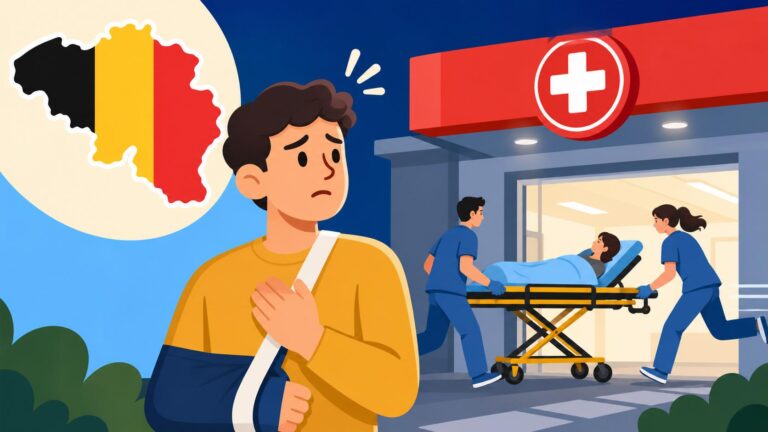
Walking into a Belgian hospital for the first time can feel like navigating a labyrinth of administrative hurdles, especially when you are in pain or under stress. I remember the sinking feeling in my stomach when I first stood at the admissions desk in Brussels, wondering if my plastic card from home would actually be accepted or if I was about to face a debt-inducing bill. This guide solves the confusion around using your European Health Insurance Card (EHIC) in the Belgian medical system, ensuring you know exactly what to do from the moment you enter the emergency ward.
Understanding Your Rights with an EHIC in Belgium
The European Health Insurance Card is a powerful tool, but it is often misunderstood by newcomers who expect it to function like a comprehensive private insurance policy. In Belgium, the EHIC provides you with access to state-provided healthcare under the same conditions and at the same cost as people insured in Belgium. This is part of a reciprocal agreement within the EEA and Switzerland, designed to ensure that a temporary stay—whether for a holiday, a short work contract, or the initial months of an expat move—doesn't turn into a financial nightmare due to medical emergencies.
Necessary vs Elective Care
It is vital to distinguish between what the Belgian system considers "necessary" care and what it deems "elective." The EHIC is strictly for treatment that cannot wait until you return to your home country. For example, if you suffer a sudden injury while hiking in the Ardennes or develop a severe infection while exploring Ghent, the EHIC will be your primary shield. However, if you are looking to have a long-standing back issue looked at by a specialist or want to begin a course of elective surgery, the EHIC will likely not cover these costs.
In my early days here, I saw many fellow expats try to use their EHIC for routine checkups or long-term management of chronic conditions without realizing that the card is intended for "unforeseen" medical needs. If you are planning to stay long-term, you should quickly transition to local coverage. You can find detailed steps on this in our guide on Compulsory Coverage Basics: Who Must Enroll in Mutuelle/Ziekenfonds to understand when your EHIC protection ends and your Belgian obligations begin.
The Reciprocal Agreement System
When you present your EHIC at a Belgian hospital like UZ Leuven or Saint-Luc in Brussels, you are essentially tapping into the Belgian social security framework. The hospital treats you as if you are a member of a local Mutuelle and Ziekenfonds: Public Health Insurance Registration Guide. This means you aren't getting "free" healthcare; rather, you are getting "subsidized" healthcare. Belgium operates on a reimbursement model where the state covers a significant portion of the cost—usually around 75%—and you are responsible for the remainder, known as the "ticket modérateur" or "remgelden."
This reciprocal system is managed through the local sickness funds. If you are staying in a hotel or a temporary apartment and need to visit a doctor, they might ask you to pay the full amount upfront and then claim the refund back from a local Mutuelle office. However, in a hospital setting, the process is often more integrated, but you must ensure the facility is a public one or "conventioned."
The Hospital Admission Process
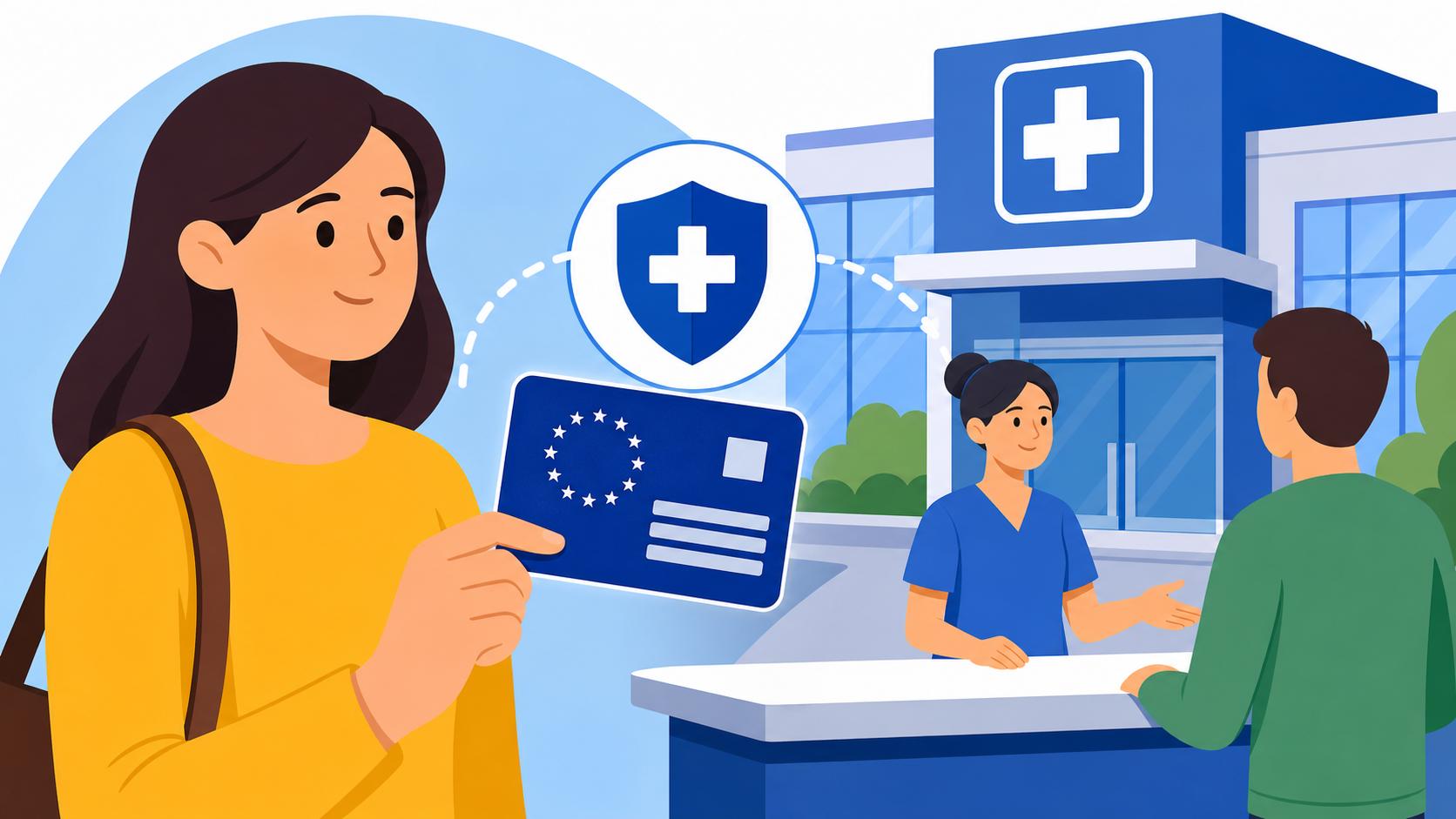
When you arrive at the hospital, the administrative staff will be your first point of contact. This can be intimidating if you don't speak French or Dutch fluently, but most major hospitals in cities like Brussels, Antwerp, or Liège have staff who can communicate in English. The first thing they will ask for is your identity card and your insurance information. This is the moment where your physical EHIC card must be ready.
Presenting Your Documents at the Admissions Desk
You must have the physical card. A digital photo on your phone is rarely sufficient because the staff often need to scan the card or copy specific numbers into the national "MyHealth" portal. If you are an expat who has just arrived, you might not yet have your Belgian eID. In this case, the EHIC serves as your primary identifier in the healthcare database. The hospital will use the details on the card to link your treatment to your home country’s social security office.
If you are a student or someone on a short-term assignment, the hospital might also ask for your address in Belgium. It is helpful to keep a printed copy of your rental agreement or a utility bill, even if it’s a temporary one. If you are moving here permanently, you should check our Registering for Public Health Insurance: Step-by-Step at Your Commune guide, as the hospital will eventually expect a Belgian national number once your EHIC "grace period" expires.
What if You Forget Your Physical Card
If you find yourself in an emergency room without your card, don't panic. Belgian law dictates that hospitals must provide life-saving care regardless of your ability to show a card at that exact second. However, the administrative headache that follows can be significant. You will likely be billed the full "uninsured" rate, which can be thousands of euros for a short stay.
To fix this after the fact, you would need to contact the social security office in your home country and ask them to issue a "Provisional Replacement Certificate" (PRC). This document is a temporary version of the EHIC and can be faxed or emailed directly to the hospital’s billing department. Once they receive this, they can retroactively apply the subsidized rates. To avoid these stresses, many veterans keep their EHIC in their wallet next to their ID at all times. For those with chronic health needs who might require more than just emergency care, supplemental plans like those from Cigna Global are often a lifesaver, as they bridge the gap between what the EHIC covers and what a full private plan offers.
Navigating the Financial Side of Belgian Hospitals
The most confusing part for many foreigners is the billing. Unlike some systems where you pay at the door, Belgian hospitals often send an invoice (facture) to your home address weeks or even months after your visit. This is where the EHIC's value becomes visible on paper.
The Direct Payment System and Out-of-Pocket Fees
Belgium increasingly uses the "Tiers Payant" (third-party payer) system. In a hospital, this means the facility bills the social security office directly for the 75% or 80% that is covered by the state. You will then receive an invoice only for your personal share. For a standard consultation in an emergency room, your share might be around 20 to 50 euros. However, if you are admitted overnight, the costs can escalate.
| Service Type | Total Estimated Cost | EHIC/Mutuelle Coverage | Your Estimated Out-of-Pocket |
|---|---|---|---|
| Emergency Room Visit (Basic) | €80 – €120 | ~75% | €20 – €30 |
| Specialist Consultation | €50 – €90 | ~75% | €12 – €25 |
| Standard Hospital Room (Daily) | €150 – €300 | Majority | €20 – €50 (plus extras) |
| Private Hospital Room (Daily) | €500 – €1,000+ | Very Limited | €400+ |
It is important to realize that the EHIC only covers the "conventioned" rates. If you see a doctor who is "non-conventioned"—meaning they set their own prices—you will have to pay the "supplement" out of your own pocket. You can learn more about this in our article on Conventioned vs Non-Conventioned Doctors: How Out-of-Pocket Costs Differ.
Understanding Hospital Invoices
When the "Facture" finally arrives in your mailbox, it will be a multi-page document written in the language of the region (French in Wallonia, Dutch in Flanders, or both in Brussels). It will detail the pharmaceutical costs, the doctor’s fees, and the "forfait" (fixed fees) for things like lab work. Even with an EHIC, you might see small charges for bandages, specific medications, or even the "hospitality" aspect of the stay.
For medications prescribed upon your discharge, you will need to go to a local pharmacy. The EHIC works there too, but you will still pay the patient's share at the counter. For daily health maintenance and vitamins that aren't covered by the state, many expats use iHerb to save money, as Belgian pharmacy prices for non-prescription supplements can be quite high.
Limitations of the EHIC for Expats
I cannot stress this enough: the EHIC is not a replacement for travel insurance or a long-term medical plan. It has specific gaps that can catch you off guard if you aren't prepared.
Why Travel Insurance and Private Plans Still Matter
The EHIC does not cover private healthcare. If you accidentally walk into a private clinic instead of a public hospital, you will likely be responsible for the entire bill. Furthermore, the EHIC never covers the cost of repatriation. If you are seriously ill and need to be flown back to your home country with medical supervision, the EHIC will not pay for that flight. This is why many expats choose to maintain a policy with Cigna Global during their first few months in Belgium. It provides that extra layer of security that the state system simply doesn't offer to temporary residents.
The Trap of Single Occupancy Rooms
One of the most common "shocks" for expats in Belgian hospitals is the room supplement. When you are being admitted, the staff will ask if you want a shared room (two or more people) or a private room (single). Choose the shared room unless you have extensive private insurance.
If you choose a private room, the hospital and the doctors are legally allowed to charge "room supplements" and "fee supplements" that can be 200% or 300% higher than the standard rate. The EHIC and the standard Belgian Mutuelle will not cover these supplements. You can read the full breakdown of why this happens in our guide on Hospital Room Types in Belgium: Single vs Shared Room Costs. I've seen bills jump from €200 to €2,000 just because the patient checked the "single room" box on the admission form without realizing the consequences.
Practical Tips for a Smooth Medical Experience
Navigating the Belgian system is as much about knowing the "unwritten rules" as it is about having the right card. Being prepared before the emergency happens is the hallmark of a savvy expat.
Using the Right Emergency Numbers
If you are in a situation where you need a hospital immediately, you should dial 112. This is the European emergency number and is free to call. The operators are trained to handle calls in multiple languages. It is important to know that while the EHIC covers your treatment at the hospital, the ambulance ride itself often carries a separate fee in Belgium, which is only partially reimbursed. For more on this, see our article on Emergency Numbers: Calling 112 in Belgium and What to Expect.
Pharmacy Access with an EHIC
If you are discharged with a prescription, look for a green neon cross—the universal sign for a pharmacy (Pharmacie/Apotheek). When you present your prescription along with your EHIC, the pharmacist will look up your status in the system. Some medications are heavily subsidized (Category A or B), while others are not covered at all. If you are looking for specific international brands or high-quality supplements that are often overpriced in local shops, checking iHerb is a great way to manage your healthcare budget while living here.
Transitioning from EHIC to Local Mutuelle
If you are moving to Belgium for work or study, your EHIC is a temporary bridge. Once you are officially registered at the commune and have your "Annex 15" or eID card, you must join a local Mutuelle. This is mandatory for anyone residing in Belgium.
The process of joining a Mutuelle like Partenamut, CM, or Helan involves submitting your residency documents and often a "Form S1" from your home country. This form tells the Belgian system that you are now their responsibility and that your home country has transferred your coverage rights. You can find out more about this transition in our guide on EHIC and Temporary Cover: Using European Health Insurance Cards Before Mutuelle Setup.
Once you are registered with a Mutuelle, you will receive "vignettes" (stickers) and eventually an ISI+ card or a Belgian eID. These replace the need for the EHIC within Belgium. However, you should still keep your EHIC for when you travel outside of Belgium to other EU countries. It’s a cycle of reciprocal care that keeps the European expat community safe.
For more hyper-local advice on finding the right doctor in your specific city, check out our Brussels Healthcare Guide for Expats: Clinics, Hospitals, and Care or our Antwerp Healthcare Guide: Where to Go and How to Book Appointments.
Disclaimer
This guide is for informational purposes only and does not constitute legal or medical advice. Healthcare regulations in Belgium are subject to change, and the specific terms of EHIC coverage can vary depending on your country of origin and your legal status in Belgium. Always consult with the official Belgian social security portal (SocialSecurity.be) or your local Mutuelle for the most up-to-date information regarding your specific situation.