Orthodontics for Kids: Braces and Mutuelle Reimbursement Limits
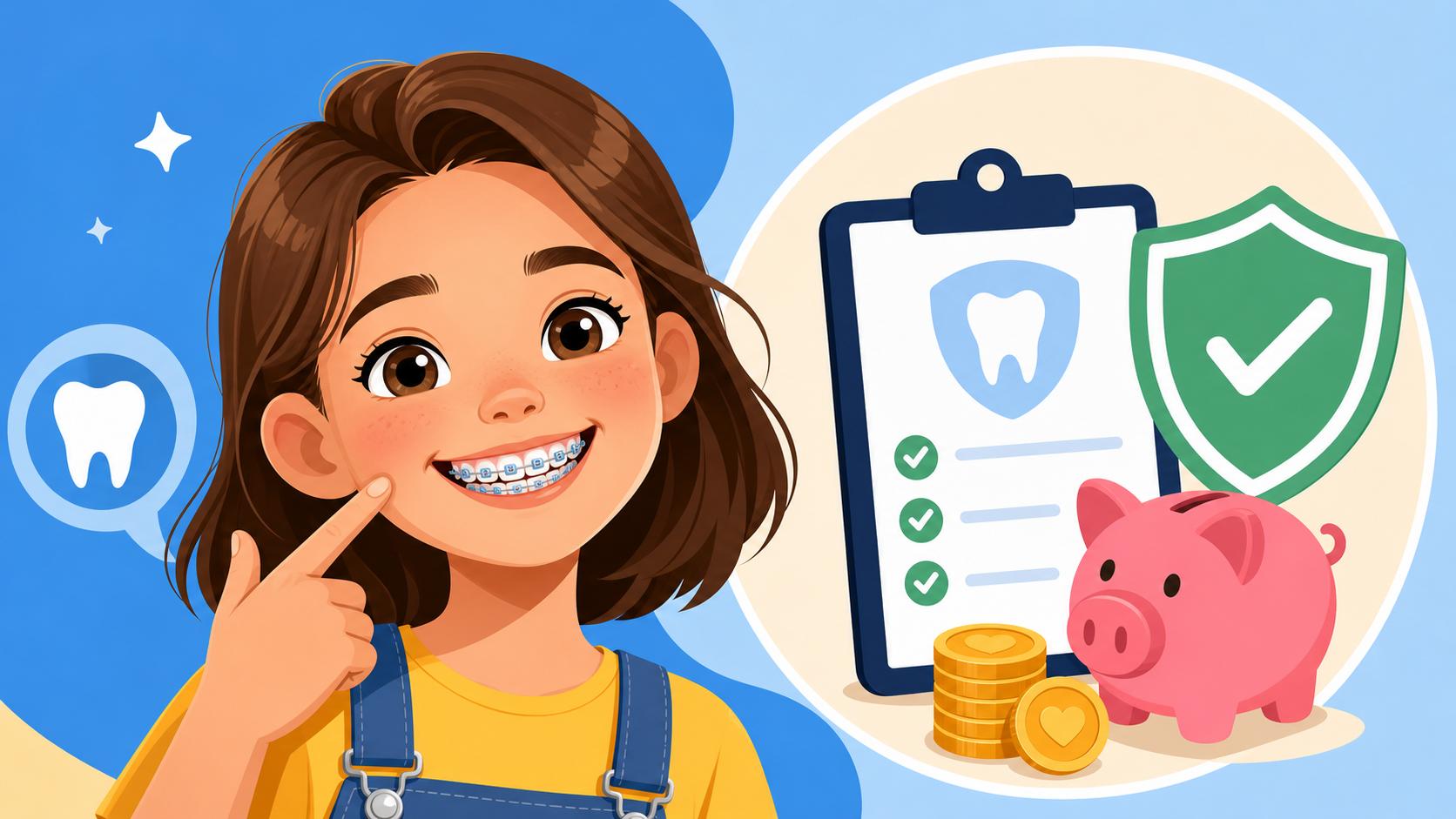
Nothing prepares you for the moment your Belgian dentist casually mentions your child needs braces, followed by a quote that looks like a down payment on a car. I remember staring at a stack of Dutch and French forms in my local commune, feeling completely overwhelmed by the "3-6-9" rules of life here. This guide breaks down exactly how mutuelle reimbursements work, the hidden age deadlines you cannot afford to miss, and how to minimize those terrifying out-of-pocket costs for your family.
Understanding the Belgian Orthodontic System for Children
The first thing you need to realize about Belgian healthcare is that it is incredibly high quality, but it is also a bureaucratic maze that requires you to be proactive. Unlike some countries where the state just handles everything, here, the burden of "notification" is on you. If you miss a specific filing date, the reimbursement for your child's braces could drop from thousands of euros to zero.
The system is built around the "Mutuelle" (in French) or "Ziekenfonds" (in Dutch). Before you even book that first consultation, you must ensure your family is correctly set up. If you are still navigating the initial paperwork, I highly recommend checking out Mutuelle and Ziekenfonds: Public Health Insurance Registration Guide to make sure you aren't missing the foundational coverage required to even claim orthodontic benefits.
In Belgium, orthodontic treatment is generally categorized into "regular" and "exceptional" treatments. Most kids fall into the regular category (braces, expanders, etc.). The Belgian state, through the RIZIV/INAMI, provides a base level of reimbursement, but only if you follow their strict timeline. I learned the hard way that "I didn't know the rule" is not a valid excuse for the Belgian medical authorities.
The Critical Age 15 Deadline
This is the golden rule of Belgian orthodontics: the request for treatment must be submitted to your mutuelle before your child reaches their 15th birthday. If you start the process at age 15 and one month, the standard public insurance reimbursement disappears.
I’ve met many expats who waited until their teenager "settled in" only to find they had aged out of the best subsidies. The logic behind the Belgian system is early intervention. They want to catch alignment issues before the jaw is fully set. If you are new to the country, don't wait. Even if your child is 12 or 13, get that initial consultation done so you are in the system. You can read more about Finding Medical Care in Belgium: GPs, Specialists, and Hospitals to understand how to get the right referrals for these specialists.
Mandatory Notification via Annex 60
When the orthodontist decides that braces are necessary, they won't just start the work. They will hand you a form, often referred to as the "Request for Orthodontic Treatment" or "Annex 60." This is your most important document. You must send this to your mutuelle’s medical advisor.
Once they receive it, they will send you an approval letter. Do not let the orthodontist put a single bracket on your child's teeth until you have that approval in writing. This approval links your child's treatment to the reimbursement scheme. If you are confused about how to physically send these documents or where to get those little yellow or white stickers you see everyone using, see What Are Mutuelle Stickers Used For and Where to Put Them for a breakdown of the "vignette" system.
Mutuelle Reimbursement Limits and the Conventioned Factor
One of the biggest shocks for foreigners in Belgium is the difference between what a doctor charges and what the "official" price is. This is the "Conventioned" vs. "Non-Conventioned" (conventionné / geconventioneerd) dilemma.
A "conventioned" orthodontist agrees to charge the official prices set by the government and the insurance unions. A "non-conventioned" doctor can charge whatever they like as a "supplement." In cities like Brussels or Antwerp, finding a fully conventioned orthodontist is like finding a needle in a haystack. Most charge significant supplements, and your mutuelle will only reimburse you based on the official rate, not the supplement.
Public Health Insurance RIZIV/INAMI Rates
The public system typically covers a set amount for the "placement" of the braces and then a monthly fee for the "adjustments" for up to 36 months. However, this coverage is usually capped. You will often see a reimbursement of about 75% of the official rate. If you want to understand how this percentage is calculated across all medical services, Understanding the 75% Reimbursement System for Medical Consultations provides a deep dive into the math behind Belgian medical bills.
Because the public refund rarely covers the full cost, most people rely on the "extra" benefits provided by their specific mutuelle. This is why choosing the right one matters. Some funds, like Partenamut or CM, offer a one-time "orthodontics bonus" (often between €500 and €1,000) that sits on top of the state reimbursement.
Comparing Costs and Refunds
To help you visualize the financial impact, here is a breakdown of what a typical treatment might look like in a Belgian city.
| Service Type | Official Rate (Approx) | Mutuelle Refund (Approx) | Non-Conventioned Supplement | Your Final Out-of-Pocket |
|---|---|---|---|---|
| Initial Consultation | €30.00 | €22.50 | €20.00 – €50.00 | €27.50 – €57.50 |
| Treatment Plan/X-Rays | €150.00 | €110.00 | €100.00+ | €140.00+ |
| Placement (Upper/Lower) | €600.00 | €450.00 | €500.00 – €1,500.00 | €650.00 – €1,650.00 |
| Monthly Adjustments | €50.00 | €35.00 | €30.00 – €60.00 | €45.00 – €75.00 |
As you can see, the "supplement" is where the real cost lies. This is why Healthcare Budgeting: Copays, DMG/GMD, and Reimbursements is such a vital read for parents trying to manage a monthly budget in Belgium.
Out-of-Pocket Costs and Private Insurance Options
When you realize that a full course of braces might cost €3,000 to €5,000 and the mutuelle might only cover €1,500 of that, you start looking for alternatives. This is where private insurance comes into play.
Many expats in Belgium have access to "Hospitalization Insurance" through their employers. It is a common mistake to assume this covers dental work. It usually doesn't. You often need a specific "Dental" rider or a standalone international plan. Cigna Global is a popular choice among the expat community here because their plans are often more flexible than local Belgian private dental insurers, which often have 12-month "waiting periods" before you can claim for orthodontics. If you arrive in Belgium and your child needs braces immediately, a local insurer might make you wait a year; Cigna Global may offer different terms depending on your previous coverage.
Managing the Gap with Supplemental Insurance
If your employer's plan isn't enough, you can look into local add-ons like DKV or Dentalia. However, be extremely careful with the timing. Most of these plans will not cover a "pre-existing" need for braces. If you've already had a consultation where the dentist noted the need for orthodontics, you might be disqualified from new private coverage for that specific treatment.
For those of us working as freelancers or under local contracts, understanding the deductions on our payslips helps clarify what we are already paying for. I suggest reading Social Security Contributions: How Employers Deduct Health Costs to see where your mandatory healthcare money is going before you decide to spend extra on private premiums.
Practical Tips for Parents and Daily Care
Braces in Belgium aren't just a financial commitment; they are a lifestyle change. The orthodontist will be very strict about hygiene. If your child doesn't keep their teeth clean, some Belgian orthodontists have been known to stop treatment to prevent tooth decay.
I’ve found that local pharmacies (apotheeks) are great but can be pricey for specialized supplies. For items like orthodontic wax, interdental brushes, and high-fluoride mouthwashes, many of us "veteran" expats use iHerb. They carry brands that are often hard to find in the local Delhaize or Carrefour, and buying in bulk helps save on the high cost of dental maintenance. Maintaining a clean mouth also reduces the number of "emergency" visits for broken brackets, which are often not fully reimbursed. You can learn more about local medication rules in Pharmacies and Medication in Belgium: Prescriptions and OTC Rules.
Step-by-Step Guide to Getting Braces in Belgium
If you are just starting this journey, follow these steps to ensure you don't lose money due to a technicality.
- Register with a Mutuelle: Ensure every family member is listed and you have your eID card or ISI+ card ready. If you're a newcomer, check Registering for Public Health Insurance: Step-by-Step at Your Commune.
- Initial Consultation: Book an "orthodontic check-up" before age 15. Mention if you want a "conventioned" doctor, though be prepared for a waitlist. Use the Choosing Your First GP (General Practitioner) in Belgium guide to find a family doctor who can recommend a good local specialist.
- The Annex 60: Once the doctor provides the treatment plan, sign the Annex 60 and send it to your mutuelle immediately.
- Confirm Approval: Wait for the letter from your mutuelle's medical advisor confirming they will cover the treatment.
- Placement and Payments: You will usually pay the doctor upfront. They will either give you a paper "attestation" or send an electronic "eAttest."
- Claiming Reimbursement: If you get a paper receipt, stick a vignette on it and drop it in your mutuelle’s green or red mailbox. If it's electronic, the refund usually hits your bank account within a week. For more details on this, see How to Submit Medical Receipts for Reimbursement in Belgium.
- Final Check: Once the braces come off, there is a "retention" phase. Ensure your doctor submits the final codes to the mutuelle so you get the last part of your reimbursement.
Dealing with "Extra" Fees
Don't be afraid to ask for a "devis" (quote) in writing. In Belgium, doctors are legally required to provide a clear quote for expensive treatments. If the supplements look too high, you are well within your rights to take that quote to another orthodontist for a second opinion.
Also, check if your child is eligible for the "Maximum Billing" (MAF) system. This is a safety net that caps the total amount of co-payments a family has to pay in a year. While it mostly covers "official" rates and not supplements, it can still save you a few hundred euros if your child has other health needs. More info on this can be found in Healthcare Budgeting: Copays, DMG/GMD, and Reimbursements.
Common Pitfalls for Expat Families
One of the most frequent mistakes I see is families moving to Belgium mid-treatment. If your child already has braces from another country, Belgian mutuelles will generally not reimburse the "placement" fee (since it happened abroad), but they might cover the remaining monthly adjustments. However, you still need to go through the Annex 60 notification process with a Belgian orthodontist as soon as you arrive.
Another pitfall is the "GMD" or Global Medical Record. While your orthodontist doesn't manage this, having one via your GP actually lowers your co-payments for other medical visits, which frees up cash for the dental bills. Make sure your child's GP has opened this for them; you can read why this is a "must-do" in The Global Medical Record (DMG/GMD): Why You Need It for Better Refunds.
Lastly, keep an eye on the "Convention" status of your doctor every year. In Belgium, doctors can opt-out of the official pricing agreement annually. Your orthodontist might be "conventioned" when you start in 2025 but "non-conventioned" by 2026. Always ask at the front desk before your first appointment of the new year.
Healthcare Disclaimer
The information provided in this guide is for educational and informational purposes only. While we strive to keep our content up-to-date with 2026 Belgian regulations, healthcare laws and reimbursement rates can change frequently. This guide does not constitute professional medical or legal advice. Always consult with your specific Mutuelle/Ziekenfonds advisor and your orthodontic specialist to confirm coverage and costs based on your individual circumstances. We are not responsible for any financial losses or denied claims resulting from the use of this information.