Healthcare in Belgium for Expats: Complete System Overview (2027)
You’ve just arrived in Brussels or Antwerp, the boxes are half-unpacked, and suddenly you feel that dreaded sharp pain in your back or a fever coming on. I remember sitting on my kitchen floor in Ixelles, staring at a pile of Dutch and French paperwork, wondering if I was even allowed to see a doctor without my residence card. This guide breaks down the Belgian healthcare system so you can stop worrying about the bureaucracy and start feeling better.
The Architecture of Belgian Healthcare
Belgium’s healthcare system is consistently ranked among the best in Europe, but its beauty is hidden behind a thick layer of administrative complexity. Unlike systems where the state provides everything directly, Belgium uses a compulsory insurance model. This means the government sets the rules and the prices, but you interact with private, non-profit "Mutualities" to get your money back. It is a "fee-for-service" system where you often pay the doctor upfront and then claim a refund.
The first thing to understand is that the system is built on solidarity. Everyone who works in Belgium contributes a portion of their salary to the social security pot, which in turn funds the medical care for everyone, including those who cannot work. If you are coming from a country with a strictly private system, the lack of "networks" might surprise you. You are generally free to choose any doctor, specialist, or hospital you like, provided you are willing to navigate the reimbursement rules.
One quirk that catches many newcomers off guard is the regional divide. While health policy is federal, the way services are delivered can feel very different if you are in the bilingual bubble of Brussels, the Dutch-speaking north of Flanders, or the French-speaking south of Wallonia. Each region has its own quirks regarding home care and elderly support, but the core medical experience—visiting a GP or a hospital—remains standardized across the country.
Mandatory Public Health Insurance
If you are living and working in Belgium, joining a Mutuelle (in French) or Ziekenfonds (in Dutch) is not optional. It is the gatekeeper to the entire system. Without this registration, you will be paying 100% of your medical bills out of pocket, which can get incredibly expensive for hospital stays or chronic medication. I learned the hard way that Compulsory Coverage Basics: Who Must Enroll in Mutuelle/Ziekenfonds applies to almost everyone, including students and freelancers.
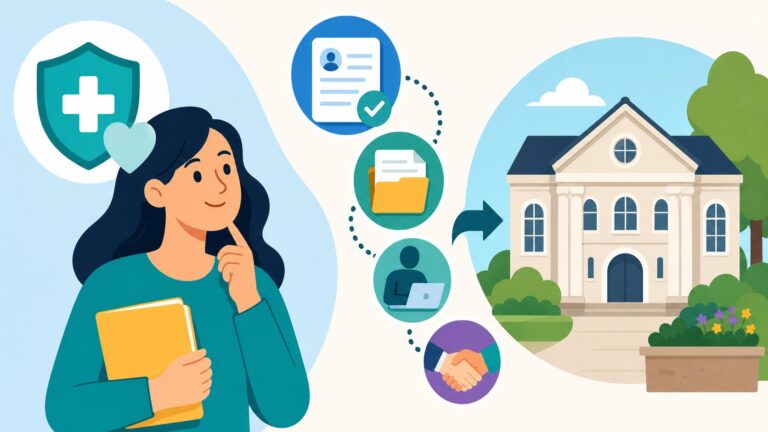
The process of Registering for Public Health Insurance: Step-by-Step at Your Commune is often your first real hurdle. You cannot usually complete your health insurance registration until you have at least a temporary document from your local town hall (commune). Once you have your "Annex" or your eID card, you can choose from various providers like Partenamut, Helan, or Christian Mutuality (CM). They all offer the same basic state-mandated coverage, but they compete on "extra" benefits like gym membership reimbursements or birth grants.
While the public system is robust, there is a waiting period for some. If you have just moved and are waiting for your Belgian paperwork to clear, you might feel exposed. This is often where a private policy from a provider like Cigna Global can bridge the gap. They provide international coverage that doesn't depend on you having a Belgian national register number yet, which is a lifesaver during those first three months of "administrative limbo" where the commune hasn't yet issued your ID.
Finding and Working with a General Practitioner
Your General Practitioner (GP), or Médecin Généraliste / Huisarts, is the center of your medical world in Belgium. Unlike some countries where you are "assigned" to a clinic based on your zip code, in Belgium, you can pick anyone. However, I always tell new expats that Choosing Your First GP (General Practitioner) in Belgium should be done based on two factors: language and "convention" status.
A "conventioned" doctor agrees to charge the official state-set prices. If you see a non-conventioned doctor, they can charge whatever they want, and your insurance will still only refund you the state-set percentage, leaving you with a much higher out-of-pocket cost. Most GPs in residential areas of Ghent or Liege are conventioned, but in the fancy parts of Brussels, you might find more "free-pricing" doctors. Always ask "Êtes-vous conventionné?" or "Bent u geconventioneerd?" before your first sit-down.
One of the most important administrative steps you can take is the creation of a The Global Medical Record (DMG/GMD): Why You Need It for Better Refunds. This is an electronic file your GP keeps that centralizes all your labs, specialist reports, and history. By "opening" this record with your GP, the state rewards you with higher reimbursement rates for your visits. It costs a small annual fee, but the Mutuelle usually refunds that fee 100%, so it is effectively free and saves you money on every subsequent appointment.
Specialists and Hospital Care
In Belgium, you don't technically need a referral from a GP to see a specialist like a dermatologist or a cardiologist. You can simply call a hospital or a private clinic and book an appointment. However, I strongly advise against this. Seeing your GP first is not only cheaper, but they can guide you to the right specialist and ensure the report gets back into your Global Medical Record. Plus, some specialists charge significantly more if you haven't been referred.
When it comes to hospitals, Belgium has a mix of public, university, and private non-profit institutions. If you find yourself in an emergency, you should know the Emergency Numbers: Calling 112 in Belgium and What to Expect. The emergency room (Urgences/Spoedgevallen) is efficient but can be expensive if you go for a non-emergency. Always try to call an "after-hours" GP first if it’s late at night but not life-threatening.
Hospital billing is where many expats get a "invoice shock" two months after their stay. You will receive a thick envelope with a breakdown of every aspirin and bandage used. If you have a standard Mutuelle, a large chunk is covered, but there are still "personal shares" and room supplements. This is why many Belgians have Hospitalization Insurance (Assurance Hospitalisation): Employer Benefits. If your employer doesn't provide this, or if you want premium private room coverage without the massive surcharges, looking into an international plan like Cigna Global is a very common strategy for the expat community.
Understanding the Reimbursement System
The Belgian "Third-Party Payer" system (Tiers Payant) is becoming more common, but you will still encounter the "Pay and Claim" model. Historically, you would pay your doctor 30 or 40 Euros, receive a "green slip" (attestation), stick a little barcode sticker (vignette) on it, and mail it to your Mutuelle. Today, most doctors use "eAttest," which sends the claim digitally. You pay the doctor, and a few days later, the money magically appears in your bank account.
The standard coverage is Understanding the 75% Reimbursement System for Medical Consultations. You pay a "patient contribution" called the ticket modérateur. For a standard GP visit, this might only be a few Euros after reimbursement. However, if you have a chronic illness or low income, the state has a safety net called the Maximum Billing System (MAF): Capping Out-of-Pocket Health Costs. Once your total medical expenses hit a certain ceiling in a calendar year, everything else becomes 100% free.
| Service Type | Typical Cost (Conventioned) | Approx. Reimbursement | Out of Pocket (with GMD) |
|---|---|---|---|
| GP Consultation | €30.00 | €26.00 | €4.00 |
| Specialist Visit | €50.00 – €90.00 | €35.00 – €60.00 | €15.00 – €30.00 |
| Dental Cleaning | €60.00 | €45.00 | €15.00 |
| Night Pharmacy Fee | €20.00 | €20.00 (if prescription) | €0.00 |
| Generic Antibiotics | €12.00 | €9.00 | €3.00 |
Pharmacies and Access to Medication
Pharmacies in Belgium are easily identified by the neon green cross outside. They are highly regulated, and you cannot buy most medications—even some that are over-the-counter in the US or UK—without a prescription. I’ve seen many frustrated expats trying to buy high-dose ibuprofen or certain allergy meds only to be told they need to see a GP first. To understand the local landscape, check out Pharmacies and Medication in Belgium: Prescriptions and OTC Rules.
For daily wellness and items that don't require a Belgian pharmacy's strict oversight, many of us in the expat community rely on iHerb. It is often much cheaper for specific vitamins, supplements, or niche health foods that are either unavailable or three times the price in a local apotheek. Just be mindful of import rules for very large orders, but for your standard Vitamin D or magnesium, iHerb is a staple for those of us living in the often-grey Belgian climate.
If you need a pharmacy late at night or on a Sunday, you have to find the "Pharmacie de Garde." You can't just walk into any shop; there is a rotating schedule. Usually, a list is posted in the window of every pharmacy, or you can check a central website. Note that there is often a small "service fee" for using an after-hours pharmacy, but if you have a valid prescription, your Mutuelle usually covers this extra cost.
Mental Health and Support Systems
Moving to a new country is a massive stressor, and Belgium’s long, rainy winters don't always help. For a long time, mental health was the "forgotten" part of Belgian healthcare, but that has changed. There is now better Mental Health in Belgium: Therapy, Psychiatry, and Expat Support than ever before. The Mutuelle has started offering partial reimbursements for a set number of therapy sessions per year, which is a huge step forward.
However, finding a therapist who speaks perfect English and understands the specific trauma of relocation can be a challenge. There are several expat-focused organizations in Brussels like the Community Help Service (CHS), which provides a 24/7 helpline in English. If you are struggling with "Bureaucracy Burnout" or loneliness, reaching out to these specialized services is often more effective than going through the standard local clinic where the waitlists can be months long.
Don't forget the power of community. Whether it's a yoga studio in Antwerp or a hiking group in the Ardennes, physical activity and social connection are vital parts of the "healthcare" puzzle here. Belgium is a country that rewards those who make an effort to integrate, but also one that provides a safety net when things get overwhelming.
Preventive Care and Long-Term Wellness
Belgium is very proactive about screenings. Once you are registered in the system and have your eID card linked to your Mutuelle, you will start receiving invitations for free screenings. These include Preventive Screenings and Long-Term Care Options in Belgium such as mammograms, bowel cancer checks, and cervical smears. These are usually 100% covered by the state because they would rather catch an issue early than treat it late.
Vaccinations are also a major focus. While the only legally "mandatory" vaccine for children is Polio, the state provides almost all childhood vaccinations for free through organizations like Kind en Gezin (Flanders) or ONE (Wallonia/Brussels). For adults, flu shots and COVID boosters are easily accessible via your GP or sometimes even local "vaccination villages" during peak seasons.
For your ongoing wellness needs, especially if you are looking for specific brands from home, remember that the Belgian system is excellent for "sickness care," but "wellness care" is often a DIY project. Mixing the high-quality local GP services with supplemental choices from iHerb for your nutrition and Cigna Global for your international travel or gap coverage ensures that you are protected no matter where your expat journey takes you.
Disclaimer
This guide is for informational purposes only and does not constitute professional medical or legal advice. Healthcare laws and reimbursement rates in Belgium are subject to change; always verify current procedures with your Mutuelle or the official Belgian social security portal (socialsecurity.be) before making medical decisions.