Buying Medical Equipment: Wheelchairs and Crutches via Mutuelle
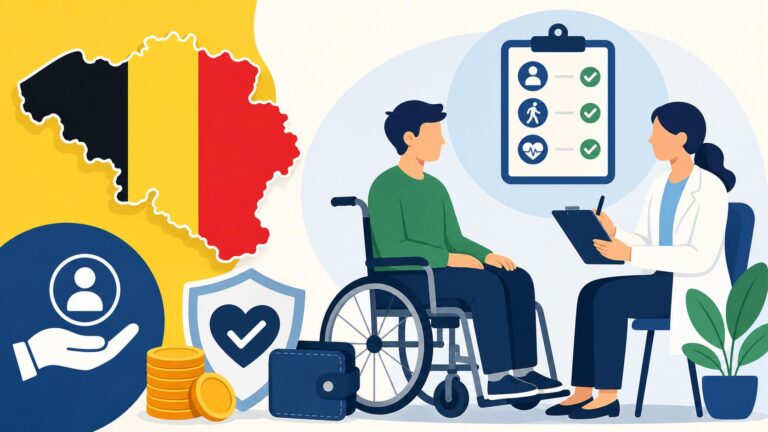
Finding yourself suddenly needing a wheelchair or crutches in Belgium is an administrative headache you certainly do not need while in physical pain. I remember the sheer confusion of hobbling into a pharmacy in Ixelles, only to realize I needed a specific stamped form before they would even talk to me about rentals. This guide breaks down exactly how to navigate the Mutuelle system to secure medical equipment affordably.
The Foundation of Medical Equipment Access in Belgium
When you first move to Belgium, the healthcare system seems like a dream until you actually have to use it for something specialized. The core of your medical life here revolves around your Mutuelle (in French) or Ziekenfonds (in Dutch). These are the public health insurance funds that everyone living and working in Belgium must join. Before you even think about picking up a pair of crutches, you need to ensure your registration is fully finalized. If you are still in the waiting phase, you might want to review the Mutuelle and Ziekenfonds: Public Health Insurance Registration Guide to make sure your files are in order.
The Belgian system for "Large Risks" and "Small Risks" determines how equipment is covered. Generally, mobility aids fall under the "Small Risks" category for most residents, but the way you access them depends heavily on whether the need is temporary (like a broken leg) or permanent (chronic disability). For many expats, a private policy from Cigna Global can act as a vital safety net during the initial months when the Belgian state system is still processing your "vignettes" or stickers.
The Essential Role of the Prescription
In Belgium, you cannot simply walk into a specialized medical shop and expect the Mutuelle to pay for it later. Everything starts with a piece of paper from a doctor. This is where Choosing Your First GP (General Practitioner) in Belgium becomes crucial. Your GP or a hospital specialist must write a prescription specifically mentioning the type of equipment, the duration of use, and the medical necessity.
For something like crutches, a simple GP note is usually enough. However, for a wheelchair, the process is far more rigorous. You often need a "Medical-Social Report" filled out by a specialist (like an orthopedist or a physical therapist). This report justifies why a standard chair isn't sufficient or why you need specific modifications. Without this precise paperwork, you will be paying the full market price out of pocket, which can run into the thousands of euros for motorized chairs.
Renting vs Buying Medical Equipment
For most expats dealing with a short-term injury, renting is the most logical path. Most Mutuelles have their own "Medishop" or "Avantages Partenamut" sections where they rent out equipment at highly subsidized rates to their members.
When to Rent
Renting is ideal for recovery periods under six months. If you’ve had a skiing accident or a minor surgery, your Mutuelle will likely provide crutches, walkers, or basic wheelchairs for a few euros per week. I once rented a hospital bed for a visiting relative, and the cost was negligible because I went through my local provider. You will usually pay a deposit (caution), which is returned once the equipment is brought back in good condition.
When to Buy
Buying becomes necessary for chronic conditions. The Belgian state, through the NIHDI (RIZIV/INAMI), provides substantial grants for purchasing equipment if you meet specific disability criteria. In Flanders, this is managed via the "Vlaamse Sociale Bescherming," while in Brussels and Wallonia, different regional bodies take over. If you are buying smaller items like supports or braces that aren't fully covered, I often find it cheaper to source high-quality braces or health supplements from iHerb rather than paying the premium at a local Belgian "Apotheek" for non-prescription versions.
Navigating the Bandagisterie and Specialized Shops
You won't find wheelchairs at your local supermarket. You need to go to a "Bandagisterie" (orthopedic supply shop). Shops like Vivadia, Qualias, or the specialized outlets run by the Mutuelles themselves are your go-to locations.
When you enter these shops, you must present your Belgian eID card. This allows the shop to check your insurance status instantly. If you are still waiting for your card, you should read about Accessing Belgian Healthcare Without an eID: Temporary Certificates to avoid being turned away. Most of these shops use the "Tiers Payant" (third-party payer) system. This means you only pay your share (the "ticket modérateur"), and the shop bills the Mutuelle directly for the rest.
Using Your Vignettes
Even in the digital age, those little yellow or blue stickers known as vignettes are still sometimes required for manual paperwork in medical supply stores. If you are unsure where to apply them on your forms, check What Are Mutuelle Stickers Used For and Where to Put Them for a quick refresher. Having a sheet of these in your wallet is a "veteran expat" move that saves time when the digital system is down.
Costs and Reimbursement Expectations
The cost of medical equipment in Belgium is strictly regulated if you use "conventioned" suppliers. These are providers who agree to the price limits set by the government. If you go to a high-end, non-conventioned boutique, you will likely pay a significant "supplement" that the Mutuelle will not reimburse.
| Equipment Type | Typical Rental Cost (Per Week) | Mutuelle Reimbursement % | Prescription Required? |
|---|---|---|---|
| Crutches (Pair) | €1.00 – €2.50 | 50% – 100% | Yes (for refund) |
| Standard Wheelchair | €5.00 – €15.00 | 70% – 90% | Yes |
| Hospital Bed | €10.00 – €25.00 | Variable | Yes |
| Walker (Rollator) | €2.00 – €5.00 | 80% | Yes |
| Electric Scooter | N/A (Purchase only) | Up to 100% (Long-term) | Yes (Specialist) |
For those with a Global Medical Record, the reimbursements for the consultations needed to get these prescriptions are higher. Understanding Healthcare Budgeting: Copays, DMG/GMD, and Reimbursements can help you plan the total financial impact of an injury.
Step-by-Step Guide to Getting Crutches Fast
If you’ve just left the ER after a sprain, you don't want to wait. Here is the fastest way to get mobile:
- Get the Prescription: Ensure the hospital doctor gives you a written "Ordonnance" for "Béquilles" (French) or "Krukken" (Dutch).
- Locate a Medishop: Find the nearest supply store associated with your specific Mutuelle (e.g., a Helan shop if you are with Helan, or a Partena shop).
- Provide Identification: Show your eID and the prescription.
- Pay the Deposit: Usually, this is around €20 to €50. You can often pay this via the Payconiq app, which is ubiquitous in Belgium.
- Keep the Receipt: Even if they use the digital system, ask for a "Quittance" or "Attestation de soins donnés." You might need it if the digital link to your Mutuelle fails. If you do end up having to file a manual claim, refer to How to Submit Medical Receipts for Reimbursement in Belgium.
Accessing Wheelchairs for Long-Term Use
The process for a wheelchair is significantly more involved because of the high costs involved. The Belgian government wants to ensure the chair is perfectly fitted to your needs to avoid secondary health issues.
First, you will likely be referred to a specialized "Mobility Team" at a hospital. They will assess your home environment—is your apartment in a traditional Brussels "maison de maître" with narrow stairs? This matters for the type of chair they will approve. Once the assessment is done, the "Bandagiste" will submit a request to the Mutuelle's medical advisor (Médecin-Conseil).
Wait times for approval can vary. During this period, some expats choose to use their Cigna Global coverage to rent a private chair so they aren't housebound while the Belgian bureaucracy grinds away. Once approved, the chair is often provided for a multi-year period, and the Mutuelle covers maintenance and tire replacements.
Practical Tips for Expats in Belgium
One thing I learned the hard way is that medical equipment shops have very specific hours. Many close for a long lunch break (12:30 to 14:00) and are strictly closed on Sundays. If you have an emergency on a weekend, your only option is the hospital ER. For more on handling these situations, see Emergency Medical Care in Belgium: 112, Hospitals, and Pharmacies.
Additionally, always ask about "second-hand" options. Some Mutuelles have a stock of refurbished equipment that they sell or rent at even lower rates. Since Belgian quality standards are so high, this "re-vigo" equipment is usually in excellent condition and is a great sustainable choice.
If you are struggling with the language barrier at the shop, don't be afraid to use a translation app. While many medical professionals in Brussels speak English, those in smaller communes in Wallonia or Flanders might not. Knowing the basic terms—"Location" (Rental) and "Achat" (Purchase)—will get you far. If you are feeling overwhelmed by the terminology, checking the Brussels Healthcare Guide for Expats: Clinics, Hospitals, and Care can provide more localized context for the capital region.
Returning Your Equipment
When your recovery is over, the return process is usually straightforward but requires one specific document: the "Preuve de retour" (Proof of return). Do not leave the shop without this. This document is your only evidence to get your deposit back and to stop any recurring rental fees.
If you have moved house during your recovery, remember that you must return the equipment to a shop associated with the same Mutuelle, though not necessarily the exact same branch. Make sure your address is updated in the national register first; you can find out how to do this in our guide on Registering for Public Health Insurance: Step-by-Step at Your Commune.
Final Thoughts on Mobility in Belgium
Belgium is a wonderful place to live, but its bureaucracy is legendary for a reason. Securing a wheelchair or crutches is a perfect example of how the system provides incredible support, provided you follow the rules to the letter. Get your prescription, stick to conventioned providers, and keep every single piece of paper you are given.
For smaller items like compression socks, vitamin D for the grey winters, or simple bandages, I still swear by a mix of local pharmacies and online orders from iHerb to keep my health cabinet stocked without breaking the bank. Stay patient, stay organized, and you’ll find that the Belgian healthcare system really does have your back—and your legs.
Disclaimer
This article is for informational purposes only and does not constitute professional medical or legal advice. Healthcare regulations in Belgium are subject to frequent changes. Always consult with your GP, your Mutuelle, or a legal professional regarding your specific situation and coverage eligibility. Information is based on the 2026 Belgian healthcare guidelines.